



In-Ear Aviation Headsets: Are They Right for You?

Featured Pilot Gear


An in-ear aviation headset seals soft foam tips inside your ear canals instead of clamping padded cups over your ears. The weight difference is dramatic: purely passive in-ear designs weigh about an ounce, and the Bose ProFlight Series 2, which adds active noise cancellation and Bluetooth on top of the format, weighs 4.5 ounces. That is roughly a third of a typical over-ear ANR headset. Nothing presses on your skull, nothing traps heat over your ears, and your sunglasses have no ear seal to break.
The quick verdict: if you fly a jet, turboprop, or another moderate-noise pressurized cockpit, an in-ear headset is a legitimate first choice, not a compromise. The Bose ProFlight Series 2 is the standout because it layers digital ANR, Bluetooth, and FAA TSO and EASA E/TSO-C139a certification on top of the in-ear format. If most of your flying is in a loud piston single, stay with an over-ear ANR headset.
Find your next headset
ANR and passive, over-ear and in-ear, from Bose, Lightspeed, and more.
Shop Aviation Headsets →In-Ear vs Over-Ear: The Real Tradeoffs
Every over-ear headset works the same basic way: a padded cup seals around your ear, headband clamping force maintains that seal, and ANR electronics cancel what the seal cannot block. It works, but the bill is 12 to 16 ounces on your head, pressure on your skull and jaw, heat over your ears, and a seal that leaks a little every time your glasses temples pass through it.
In-ear designs move the seal inside the ear canal. A compressible foam tip expands to fill the canal, and that seal is doing all of the passive work, which is why every published attenuation figure in this category assumes the tip is seated deeply and evenly. A shallow or rushed insertion gives up a large part of the protection. Most of the field is purely passive; the ProFlight Series 2 is the exception that adds digital ANR on top of the canal seal.
| Factor | In-Ear | Over-Ear ANR |
|---|---|---|
| Weight on head | About 1 oz for passive models, 4.5 oz for the ProFlight Series 2 | Typically 12 to 16 oz; the Lightspeed Zulu 3 is 14.6 oz |
| Heat | Ears stay uncovered, nothing traps heat on long legs | Sealed cups cover the ears and hold heat in warm cockpits |
| Glasses and hats | No ear seal for temples or brims to compromise | Glasses temples can leak the ear seal; hats fight the headband |
| Attenuation approach | Deep-seated foam tips do the passive work; the ProFlight Series 2 adds three levels of digital ANR | Cup seal plus ANR electronics aimed at engine and prop noise |
| Best suited to | Pressurized, moderate-noise turbine cockpits | Loud piston airplanes and unpressurized cockpits |
How the In-Ear Field Breaks Down
As of August 2026 the in-ear field is small and specialized, and it splits cleanly in two.
- Purely passive in-ear headsets. No electronics, no batteries, nothing to charge and nothing to fail. A compressible foam tip in each ear canal does all of the work, so these designs weigh about an ounce on the head. They come from a handful of small specialist manufacturers and they sit outside our range.
- In-ear with active noise cancellation. One model. The Bose ProFlight Series 2 layers three selectable levels of digital ANR, full Bluetooth, and FAA TSO and EASA E/TSO-C139a certification on top of the canal seal. Full deep dive below.
Being straight about what that means: the ProFlight Series 2 is the only in-ear headset we carry. The passive half of the category is described here because a guide to the category that pretended it did not exist would be less than useful to you, and because those designs make a real case for pilots who want the least possible weight and no electronics at all.
Bose ProFlight Series 2 Deep Dive
The ProFlight Series 2 is the in-ear headset built for the professional flight deck. Bose engineered it for crewed aircraft that are typically pressurized and less noisy, like most jets, and the spec sheet reflects that brief on every line.
Weight and comfort. On-head weight is 4.5 ounces (127.6 grams). That is heavier than the purely passive in-ear options because the ProFlight carries ANR electronics and Bluetooth, yet it is still roughly a third the weight of a conventional over-ear ANR headset. On a four-leg day, that difference is not subtle.
Three noise cancellation modes. The digital ANR system offers three user-selectable levels, so you can match the amount of cancellation to the cockpit around you rather than living with one fixed curve.
Tap control for talk-through. Double-tap an earbud and the headset lets outside conversation through without removing anything. That solves a real crew problem: talking to the jumpseat, a flight attendant, or ground personnel without breaking the canal seal you took the time to set.
Bluetooth and battery. The battery-powered versions run on two AA alkaline cells. Bose rates at least 45 hours in typical aircraft noise and at least 25 hours with continuous Bluetooth streaming. The 6-pin LEMO version skips batteries entirely and runs on aircraft power.
Certification and crew details. The headset is FAA TSO and EASA E/TSO-C139a certified, and the microphone attaches to either side with a tool-free swap, a small detail that matters the day you change seats.
Pick your plug configuration
- Dual GA plug (PJ-068 plus quarter-inch stereo), battery powered: the standard general aviation configuration. Click for Price
- 6-pin LEMO, aircraft powered: for panels wired with LEMO jacks. Click for Price
- 5-pin XLR, flex power: the Airbus configuration. Click for Price
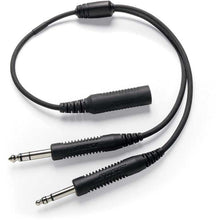
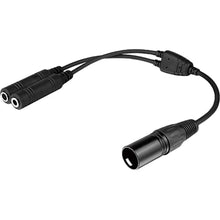
Match the plug to the panel and you are done. If you move between airframes that are wired differently, a plug adapter bridges the common combinations between GA, panel-power LEMO and Airbus XLR jacks, which is worth knowing before you buy a second headset you do not need.
Who Should Stay Over-Ear
In-ear is not the answer for everyone. Stay with cups if any of these describe you:
- You fly a loud piston airplane. Bose aims the ProFlight Series 2 at moderate-noise pressurized cockpits, not loud piston trainers. In a high-decibel piston cockpit, an over-ear ANR headset remains the default choice.
- You dislike deep ear-canal insertion. Every in-ear design depends on a properly seated foam tip. If foam earplugs already bother you after an hour, cups are the better bet.
- You want protection that does not depend on technique. Every in-ear attenuation figure assumes a properly seated tip, and a shallow seat gives up much of the protection. An over-ear cup seals the same way every time you put it on.
If that is you, start with the Bose A30 or the Lightspeed Zulu 4, then browse the full range of over-ear ANR and passive models in the aviation headsets collection.
The Verdict
In-ear aviation headsets are no longer a curiosity; they are the right first choice for a specific pilot. If you fly something pressurized and reasonably quiet, wear glasses, or simply cannot face clamping pressure and trapped heat for another thousand hours, the format was built for you. As of August 2026 the Bose ProFlight Series 2 is the strongest overall package in the category: it is the one in-ear option with active cancellation, it is TSO certified, and it comes in the three plug configurations professional cockpits actually use. The purely passive in-ear designs trade the electronics for even less weight and no batteries at all, an honest tradeoff for the right pilot, though they sit outside our range. And if you fly a loud piston, none of this should talk you out of a good over-ear ANR headset.
Frequently Asked Questions
Are in-ear aviation headsets TSO certified?
The Bose ProFlight Series 2 carries FAA TSO and EASA E/TSO-C139a certification. Certification is often an operator requirement for professional crews, so check your operations manual before you buy. It is not universal across the in-ear category, so confirm it model by model rather than assuming it.
Do in-ear headsets block as much noise as over-ear ANR headsets?
They take a different approach. An in-ear headset relies on a foam tip seated deeply and evenly in the ear canal, so what you actually get depends on how well you insert it. An over-ear ANR headset combines a cup seal with active cancellation aimed at engine and prop noise, and it seals the same way every time you put it on. In moderate-noise turbine cockpits the in-ear approach works well; in loud piston cockpits most pilots are better served over-ear.
Can I wear an in-ear aviation headset with glasses?
Yes, and this is one of the format's biggest advantages. There is no ear seal for your glasses temples to break, so sunglasses and prescription frames have no effect on noise attenuation.
Is the Bose ProFlight Series 2 a good choice for a piston trainer?
Generally no. Bose designed it for crewed aircraft that are typically pressurized and less noisy, like most jets. In a loud piston cockpit, an over-ear ANR headset is the safer choice.
How long do batteries last in the Bose ProFlight Series 2?
Bose rates it for at least 45 hours on two AA alkaline batteries in typical aircraft noise, and at least 25 hours with continuous Bluetooth use. The 6-pin LEMO version runs on aircraft power instead of batteries.
Are in-ear aviation headsets comfortable on a long duty day?
Long days are what the format is built for. There is no clamping force on your skull and no cup holding heat over your ears, which removes the two things that usually end comfort on hour four. What replaces them is pressure inside the ear canal. If foam earplugs already bother you after an hour, that trade will not go your way, and the honest test is a long flight rather than a five-minute try-on.
How do you keep in-ear tips clean, and how often do they need replacing?
The tips go inside your ear canals, so treat them as a consumable rather than a permanent part of the headset. Wipe them down after flying, let them dry fully, and replace them once the foam stops springing back to its original shape, because a tip that no longer expands no longer seals. The Bose ProFlight Series 2 ships with three sizes of StayHear+ eartips, small, medium and large, and Bose sells replacement tips separately.
Will an in-ear headset work under a flight helmet or with headwear?
It fits where an over-ear headset cannot. With no ear cups, nothing competes for the space a helmet or a hat occupies over your ears, and there is no headband for a brim to fight. Check your helmet manufacturer guidance on approved communications fits before you rely on it, because that is a helmet question rather than a headset question.