



How to Choose an Aviation Headset: 2026 Buyer's Guide
Not sure which aviation headset to buy? This guide covers everything pilots need to know before spending a dollar, ANR vs passive explained, a decision matrix by pilot type, what features actually matter, and how to care for your headset for years of reliable use.


Everything You Need to Know Before Buying an Aviation Headset
Before you spend a dollar on a headset, read this. We cover how aviation headsets actually work, what features matter and which are hype, how to match a headset to your flying, and how to keep it performing for years.
Want our ranked picks? See Best Aviation Headsets 2026: our 11 ranked picks for the full comparison table and product reviews.
Your aviation headset is one of the most personal pieces of equipment in your flight bag. It sits on your head for every hour you fly, shapes how clearly you hear ATC, and either quietly protects your hearing or slowly damages it. Get this decision right and you will barely think about it. Get it wrong and every long flight reminds you.
This is not a ranked list of products. If you want the ranked picks, comparison table, and Check Price links, read our ranked list of the best aviation headsets for 2026. This article is for pilots who want to understand the technology, compare tradeoffs, and choose with confidence before they buy.
Aviation Headsets at a Glance: 2026 Comparison
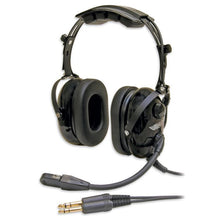
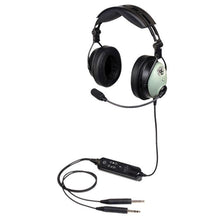
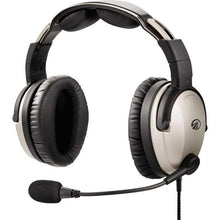
Here is a side-by-side look at the aviation headsets we recommend most, from premium ANR to budget passive, with live Pilot Mall pricing. Tap any model to see full details and reviews.
| Headset | Type | Price | Weight | Bluetooth | Battery life | Warranty | TSO | Best for |
|---|---|---|---|---|---|---|---|---|
| Bose A30 | ANR (3-mode) | $1,299 | 14.2 oz | Yes | 45 hr | 5 yr | Yes | Best overall |
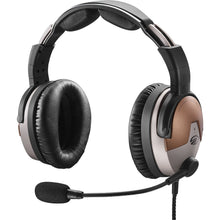
| Lightspeed Delta Zulu | ANR | $1,299 | 14.9 oz | Yes | 30 hr | 7 yr | No | Best safety features (CO alert) |
| Bose ProFlight Series 2 | ANR in-ear | $1,099 | 4.5 oz | Yes | 45 hr | 5 yr | Yes | Best for turbine and airline |
| David Clark One-X | ANR | $1,020 | 12.3 oz | Yes | 50 hr | 5 yr | Yes | Lightest full-size ANR |
| Lightspeed Zulu 4 | ANR | $999 | 14.6 oz | Dual | 40 hr | 7 yr | No | Best premium value |
| Lightspeed Zulu 3 | ANR | $949 | 14.6 oz | Yes | 40 hr | 7 yr | No | Best ANR value |
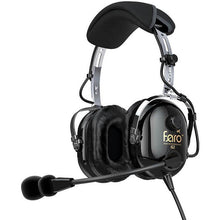
| Faro G2 | ANR | $389.95 | 13 oz | No | 30 hr | 3 yr | No | Best budget ANR |
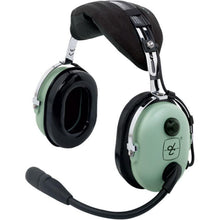
| David Clark H10-13.4 | Passive | $369.95 | 16.5 oz | No | n/a | 5 yr | Yes | Best passive / trainer |
| ASA AirClassics HS-1A | Passive | $149.99 | 15.9 oz | No | n/a | Lifetime | No | Best budget |
Prices and specs are current as of July 2026; check each product page for the latest pricing and availability.
How Aviation Headsets Work: ANR vs Passive Explained
Every aviation headset reduces cockpit noise in one of two ways, or a combination of both. Understanding the difference is the foundation of every other decision you will make.
Active Noise Reduction (ANR)
ANR headsets use small microphones inside the ear cups to sample incoming noise continuously. The headset's electronics generate an inverse signal that cancels the noise before it reaches your ears, most effectively against the low-frequency engine and propeller drone that causes fatigue on long flights.
- Dramatically reduces low-frequency cockpit noise
- Requires less clamping force to be effective
- Needs batteries or aircraft panel power
- Higher cost, more electronics to maintain
- Best for frequent flying, long flights, louder aircraft
Passive Noise Reduction (PNR)
Passive headsets rely entirely on physical design. Thick ear cups, dense foam or gel seals, and firm clamping force create a mechanical barrier between your ears and the cockpit. No electronics, no batteries, nothing to fail.
- Simple and completely reliable
- Heavier clamping force needed for a good seal
- No batteries or power required
- Better value at entry-level prices
- Best for training, short flights, student pilots
What ANR Does Well and Where It Falls Short
ANR excels at canceling the low-frequency drone that defines most GA cockpits. That constant 80-100 Hz engine rumble is what exhausts pilots on long flights far more than any other factor, and ANR eliminates most of it. The result is a cockpit that feels genuinely quiet, where ATC communications stand out clearly against near-silence rather than against a wall of noise.
What ANR does not do as well is block higher-frequency sounds like wind hiss or sharp impact noise. For those, passive attenuation still does the heavy lifting. This is why the best ANR headsets combine both: a solid passive ear seal for the physical barrier, plus electronics that handle the low-frequency remainder.
When an ANR headset's batteries die mid-flight, it reverts to passive-only mode. In a loud piston aircraft, this is a noticeable and unpleasant change. Always carry spare batteries.
Features That Actually Matter (and Which Are Just Hype)
Marketing copy for aviation headsets can make it hard to separate genuine differentiators from features that sound impressive but rarely affect your flying. Here is a direct breakdown.
Features Worth Paying For
Noise Reduction Rating (NRR)
The single most important spec. Measured in decibels. Passive headsets typically deliver 22-26 dB. ANR adds significant low-frequency cancellation on top. Protect your hearing first, everything else is secondary.
Clamping Force
More important than weight for long-flight comfort. High clamping pressure creates headaches and jaw fatigue over hours. ANR headsets generally use lower clamping force because the electronics reduce the need for a tight mechanical seal.
Ear Seal Material
Gel seals conform better to head shapes, accommodate glasses more effectively, and stay more comfortable over time. Foam seals work fine but compress and harden faster. Gel seals are worth paying for if you fly with glasses or do long flights.
Microphone Type
Electret noise-canceling microphones deliver cleaner, more intelligible transmissions than dynamic microphones. Most mid-range and premium headsets use electret. In training environments with heavy radio work, this matters more than pilots expect.
Battery Type
Standard AA batteries beat proprietary rechargeable packs for cross-country flying. You can buy AA batteries at any gas station between airports. A dead proprietary pack on a long trip can leave you without ANR for hours.
Bluetooth with ATC Priority
Bluetooth is genuinely useful in the cockpit if it includes automatic ATC audio priority, which mutes music or calls the instant a radio transmission comes through. Without that feature, Bluetooth becomes a distraction rather than a convenience.
Build Quality and Repairability
Headsets with user-replaceable ear seals, headpads, and cord assemblies last far longer than sealed units. David Clark headsets have been flying for 20+ years partly because every wear part can be ordered and swapped. Factor repairability into your cost-per-hour math.
FAA TSO / EASA E/TSO-C139a Certification
Required for airline and commercial flight deck use. Not required for general aviation private pilots. If you are training toward a professional career, buy TSO-certified from the start. If you fly GA for recreation, it is a nice-to-have, not a necessity.
Features That Are Often Overstated
App Integration
Useful for viewing CO sensor data or adjusting EQ, but rarely changes day-to-day flying. Do not pay a significant premium for an app unless you will genuinely use its specific features.
Weight (Alone)
A 2-ounce weight difference between headsets matters far less than clamping force. Pilots frequently find that a heavier headset with lower clamping force is more comfortable than a lighter one that grips tightly.
Custom Colors and Aesthetics
Choose the headset that fits and performs best, then accept whatever it looks like. No one on frequency can see your headset.
EQ and Audio Tuning
Bass and treble adjustment is pleasant but rarely critical for ATC clarity. The intercom system and audio panel in your aircraft shape the audio chain more than the headset EQ does.
Plug Types: Match the Headset to Your Aircraft
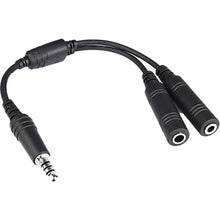
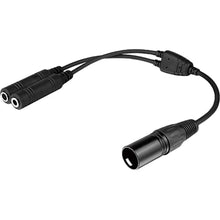
Before you order any headset, confirm which connector your aircraft uses. Four standards cover nearly every cockpit, and most popular headsets are sold in more than one plug configuration, so this choice happens at checkout rather than in the product lineup.
- GA dual plug (PJ-055 and PJ-068): two prongs, one for headphone audio and one for the microphone. The standard in Cessna, Piper, and almost every fixed-wing trainer. If you are unsure, this is the safe default.
- LEMO 6-pin (panel power): a single round connector that powers an ANR headset directly from the aircraft panel, so there are no batteries to manage and no passive-only fallback when batteries die. Common in newer and higher-end GA panels and many jets.
- U-174 (helicopter): a single plug used in most rotorcraft. Verify your panel before ordering.
- XLR-5 (airline): a 5-pin connector found in Airbus cockpits and some transport-category flight decks.
Already own the wrong plug, or fly more than one aircraft type? Plug adapters convert between most standards, so a GA dual plug headset can still fly in a U-174 helicopter or a LEMO-equipped panel.
How to Choose by Pilot Type
The right headset depends on how you fly, not on what the most expensive option is. Here is how different pilot profiles should think about the decision.

Student Pilot
Priority: Reliability, value, durabilityTraining flights are typically 1-2 hours in loud piston trainers. You are focused on learning, not on headset features. A quality passive headset that works every time you plug it in is the right call. Buy something you can afford to replace if it gets dropped, and save the ANR upgrade for when you are flying longer missions.
David Clark H10-13.4 →
Recreational GA Pilot
Priority: Comfort, ANR, BluetoothIf you are flying 50-100+ hours a year on weekend cross-countries, ANR will change how you feel at the end of a long flight. The difference between passive and ANR on a 3-hour leg is significant, and once you have experienced a genuinely quiet cockpit it is hard to go back. This is where a mid-range ANR investment pays off.
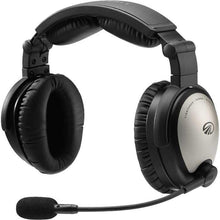
Lightspeed Sierra →
Aircraft Owner / Long-Haul IFR
Priority: Best ANR, all-day comfortIf you own your aircraft and fly serious cross-countries, buy the best headset you can justify. The fatigue difference between a mid-range and a premium ANR set adds up over hundreds of hours, and premium headsets hold their resale value well. This is a buy-once decision. Our top overall pick here is the Bose A30, $1,299 at Pilot Mall, an authorized Bose dealer, with free US shipping.
Bose A30 →
Flight Instructor
Priority: Durability, no-fuss reliabilityCFIs are in the aircraft every day, often with students who are hard on equipment. A headset that survives years of daily use, needs no battery management, and can be repaired cheaply when parts wear is more valuable than one with advanced features. Many instructors carry a cheap spare for students and save the premium gear for their own personal flying.
David Clark H10-13.4 →
Safety-Focused Pilot
Priority: CO detection, advanced featuresCarbon monoxide is odorless, colorless, and responsible for a meaningful number of GA accidents each year. If in-cockpit CO detection is a priority, only one headset on the market has it built in. That single feature makes it worth serious consideration regardless of price.
Lightspeed Delta Zulu →
Professional / Turbine Pilot
Priority: Light weight, TSO certification, all-day wearTurbine cockpits are quieter than piston GA, but multi-leg duty days mean wearing a headset for 8+ hours. Weight and clamping fatigue matter more than maximum ANR. TSO certification may be required by your operator. In-ear or near-ear designs dramatically reduce wear across a full duty day.
Bose ProFlight Series 2 →Decision Matrix: Match Your Flying to the Right Headset
Use this table as a quick-reference guide. Match your primary flying situation to the recommended type, then check our ranked picks for the best aviation headsets for specific products in each category.
| Pilot Situation | Recommended Type | Key Reason | Where to Start |
|---|---|---|---|
| Student pilot, training flights | Passive (PNR) | No batteries, durable, affordable, lets you focus on flying | ASA HS-1A or David Clark H10-13.4 |
| Weekend GA, 1-3 hour flights | Passive or entry ANR | Passive works fine; ANR worthwhile if budget allows | Faro G2 ANR or David Clark H10-13.4 |
| Regular cross-countries, 3+ hour flights | Mid-range ANR | ANR fatigue reduction pays back on every long flight | Lightspeed Sierra |
| Aircraft owner, serious IFR flying | Premium ANR | Best noise reduction, all-day comfort, long-term value | Bose A30 or Lightspeed Zulu 4 |
| Flight instructor, daily use | Durable passive or rugged ANR | Survives daily abuse, no battery management mid-lesson | David Clark H10-13.4 |
| Safety-conscious pilot | Premium ANR with CO detection | Built-in CO warning is a genuine safety upgrade | Lightspeed Delta Zulu |
| Turbine / corporate / airline | Lightweight ANR, TSO-certified | All-day wear, quieter cockpits, may need TSO for operator | Bose ProFlight Series 2 |
| Passenger or occasional use | Budget passive | Basic hearing protection and intercom capability at low cost | ASA HS-1A or Pilot USA PA-1151 (kids) |
A Note on Comfort, Glasses, and Long Flights
Comfort is the most underrated spec in aviation headset marketing. A headset with slightly lower NRR that fits perfectly will protect your hearing and arrive at the destination feeling fresh. A headset with best-in-class noise reduction that clamps hard will leave you with a headache after three hours.
If You Wear Glasses
Glasses break the ear seal on passive headsets, reducing passive noise attenuation by degrading the physical barrier between the ear cup and your head. With a passive headset, this gap is hard to eliminate entirely. ANR headsets are less affected because the electronics provide cancellation independent of how perfect the seal is, though a good seal still helps.
Gel ear seals conform around glasses arms more effectively than foam seals. If you wear glasses and fly frequently, gel seals are not optional: they are the difference between a headset that works and one that lets noise in constantly. Most premium headsets ship with gel seals. If yours does not, aftermarket gel seal kits are available for most David Clark and other popular models.
Clamping Force Over Time
Headbands loosen over time with use. If your passive headset starts feeling less effective (more noise getting through), the clamping force may have reduced. Many passive headsets allow you to gently bend the headband back to increase tension. Check your manufacturer's instructions before doing this, but it is a legitimate and common maintenance step that can restore a passive headset's performance.
Care and Maintenance: How to Make Your Headset Last
A well-maintained headset lasts for decades. David Clark headsets from the 1990s are still flying today because every wear part is replaceable and the core construction is robust. Here is how to get maximum life from any headset.
Wipe Down After Every Flight
Use a soft cloth to remove sweat and oils from the ear seals, headband, and microphone after each flight. Sweat accelerates seal degradation faster than almost anything else. On hot or long flights, remove the ear seals and let them air dry before storing. Avoid alcohol or bleach-based cleaners. Mild soap on a damp cloth is sufficient and safe for most materials.
Replace Ear Seals on Schedule
Ear seals are consumable parts. Foam seals typically last 12-18 months of regular use before they compress, harden, or crack. Gel seals last longer but can eventually leak or stiffen. Replacing ear seals is one of the highest-impact maintenance steps you can do: it restores both the noise attenuation and the comfort of a new headset at minimal cost. Most major brands sell replacement seal kits directly.
Replace the Mic Windscreen Regularly
The foam windscreen on your microphone protects against wind noise and breath pops. Replace it every 6 months or whenever it looks torn, stiff, or discolored. A degraded windscreen noticeably affects transmission clarity. Replacement windscreens cost a few dollars and take 30 seconds to swap. There is no reason to fly with a worn one.
Handle the Cable with Care
Cable failure is one of the most common ways headsets die, and almost all of it is preventable. Always unplug by gripping the plug itself, never the cord. Coil cables loosely when storing. Do not wrap them tightly around the headset. Check the cable periodically for fraying, especially at the strain relief near the plug and where the cable enters the headset housing.
Manage Batteries Proactively
For ANR headsets, replace batteries at the first low-battery warning. Do not wait for them to die mid-flight. Remove batteries if the headset will sit unused for more than a few weeks to prevent leakage and corrosion in the battery compartment. If you do find corrosion on the contacts, clean it gently with a cotton swab lightly dampened with isopropyl alcohol, with the headset powered off and batteries removed.
Store It Properly
Store your headset in its case or a dedicated headset bag in a cool, dry location. Avoid leaving it in a closed cockpit in summer heat or a car parked in the sun: high temperatures degrade plastics, rubber ear seals, and electronics. A small silica gel pack in the case helps in humid climates or float plane environments. Do not stack heavy items on top of the headset in your flight bag.
Do a Functional Check Periodically
Every few months, plug in your headset and verify both earphones reproduce audio clearly. Rotate the volume knobs through their full range: scratchiness or static can indicate dust in the potentiometer, which electronic contact cleaner can often fix. Confirm the mic boom stays in position and the headband holds its shape. Small issues caught early are inexpensive. Ignored, they can require full replacement.
Frequently Asked Questions
- How do I decide between an ANR and a passive aviation headset?
- Match the technology to how much you actually fly. If you log more than about 50 hours a year, fly cross-countries, or fly a louder piston aircraft, active noise reduction will meaningfully cut the low-frequency drone that causes fatigue, and it does it with less clamping force. If you are in primary training doing one-hour lessons, a quality passive headset does the job and frees up budget for other gear. Remember that when an ANR headset's batteries die mid-flight it reverts to passive-only mode, which is a noticeable change in a loud piston aircraft, so always carry spares.
- Do student pilots need an ANR headset?
- Not for primary training. Most student pilots fly 1-2 hour lessons in piston trainers, and a quality passive headset like the David Clark H10-13.4 or ASA AirClassics HS-1A handles that environment well. ANR becomes more valuable when flights get longer and fatigue becomes a real factor. A reasonable approach is to start with a durable passive headset, complete your certificate, and then upgrade to ANR when you start flying cross-countries regularly.
- Which aviation headset specs actually matter when I am comparing models?
- Seven things earn their keep: noise reduction rating, clamping force, ear seal material, microphone type, battery type, Bluetooth that automatically prioritizes ATC audio, and repairability. Passive headsets typically deliver 22 to 26 dB, and ANR adds significant low-frequency cancellation on top of that. Gel seals conform to head shapes better than foam, electret noise-canceling microphones transmit more cleanly than dynamic ones, and standard AA cells are far easier to replace on the road than a proprietary pack. Sets with user-replaceable seals, headpads and cord assemblies last far longer than sealed units.
- Is clamping force more important than headset weight?
- Yes, for almost every pilot. A two-ounce weight difference between two headsets matters far less over a three-hour leg than how hard the headband squeezes your skull. High clamping pressure is what produces headaches and jaw fatigue on long flights, and pilots frequently find a heavier headset with lower clamping force more comfortable than a lighter one that grips tightly. ANR models generally clamp more softly because the electronics do work the mechanical seal would otherwise have to do.
- What actually drives the cost of an aviation headset?
- Aviation headsets are purpose-built for cockpit use in ways consumer headphones are not. They need to work with aviation-specific plugs, microphones, intercom impedance, high-noise environments, temperature swings, and long support cycles. Some models carry FAA TSO and EASA E/TSO-C139a certification for professional or commercial operations, while many general aviation headsets are designed for private and training use without that certification. You are also paying for decades of R&D, replacement parts availability, and warranty support from companies that have been in aviation for a long time.
- What should I look for in an aviation headset if I wear glasses?
- Prioritize gel ear seals and lower clamping force. Glasses arms break the seal on a passive headset and degrade the physical barrier that passive attenuation depends on, and that gap is hard to close completely. Gel seals conform around the arms far better than foam does. ANR headsets are also more forgiving with glasses, because cancellation does not rely entirely on a perfect seal. If your current passive headset came with foam seals, an aftermarket gel seal kit is a significant upgrade on its own.
- What plug type does my aircraft use?
- Most general aviation aircraft use dual GA plugs (PJ-055 and PJ-068), which is the standard for Cessnas, Pipers, Mooneys, Beechcraft, Cirrus, and most training aircraft. Helicopters typically use the U174 plug standard. Modern jets and some high-end GA aircraft use LEMO 6-pin panel power connectors. Airbus cockpits use XLR-5. If you are unsure, check your aircraft's pilot operating handbook or ask at your avionics shop before ordering a headset.
- Do I need a TSO-certified aviation headset?
- Only if your flying requires it. FAA TSO and EASA E/TSO-C139a certification is aimed at airline and commercial flight deck use, and some operators require it. For a private pilot flying general aviation for recreation it is a nice-to-have rather than a necessity. The practical rule: if you are training toward a professional career, buy a TSO-certified headset from the start so you are not replacing it later. If you fly for fun, spend the money on comfort and noise reduction instead.
- Do aviation headsets need Bluetooth?
- Bluetooth is optional but genuinely useful. It lets you take phone calls and stream audio from an EFB, GPS, or aural alerts straight into your ear cups, and the best systems mute that audio automatically the instant a radio call comes through. Because Bluetooth needs power to run, only active ANR headsets can offer it. A passive headset has no electronics, so it cannot include Bluetooth. If wireless audio matters to you, plan on a powered ANR model.
- What should I check before I actually buy an aviation headset?
- Confirm three things. First, the connector your aircraft uses, because most popular models are sold in more than one plug configuration and that choice happens at checkout. Second, fit, since head shape, ear size, glasses and hairstyle all change how a headset wears. Aviation events like EAA AirVenture, fly-ins and FBO open houses are good places to try one on. Third, whether you need TSO certification for the flying you intend to do. Getting those three right removes almost every reason pilots return a headset.
- Can I use a gaming headset for flying?
- No. Gaming headsets use 3.5mm audio jacks and are not compatible with the dual GA plug configuration used in aircraft intercom systems. They are also not designed for the impedance characteristics of aviation intercoms and will produce degraded audio, no audio, or damaged audio panel inputs. A purpose-built aviation headset is required for safe and legal cockpit communications.
- Is it worth buying a used aviation headset?
- Sometimes, with caution. A used Bose A20 or Lightspeed Zulu 3 from a reputable seller can be excellent value. Things to check: ear seals and headpad condition (replace them if worn), cable integrity especially at the strain reliefs, and that all electronics work correctly including ANR and Bluetooth. Avoid headsets with cracked headband components or obvious cable damage. Ask for the original box and documentation if available. Avoid buying used from unknown sellers without the ability to test the headset first.
- How long should an aviation headset last, and what wears out first?
- With proper maintenance a quality headset should last 10 to 20 years or more. David Clark H10-series headsets from the 1990s are still in service today because every wear part can be replaced. What wears out is predictable: foam ear seals typically last 12 to 18 months of regular use before they compress or harden, the microphone windscreen wants replacing about every six months, and cables fail at the strain relief when pilots unplug by pulling the cord instead of the plug. ANR models add electronics that can eventually fail, but the major brands support parts and service for many years.
- Why does my passive headset feel louder than it did when it was new?
- Almost certainly the ear seals. Foam seals compress and harden with use, so they stop making an effective acoustic seal against your head and more cockpit noise leaks in. Replacing them with fresh foam, or upgrading to gel, usually restores the original performance for very little money. This shows up most often on headsets that are two to three years old and it is the single maintenance step most pilots overlook. A headband that has loosened over time can contribute too, and many passive headbands can be gently bent back to restore tension.