




-
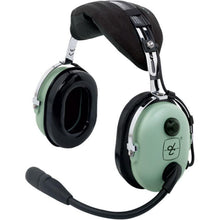 Out of StockVendor:David Clark
David Clark H10-13.4 Mono Aviation Headset 40411G-01
23 dB passive noise reduction in a rugged, rebuildable build, the proven flight-school first headset that survives years of trainer and club use.
Regular price $369.95Sale price $369.95 Regular priceUnit price per$415.55 -
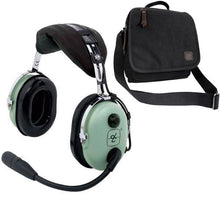 Out of StockVendor:David Clark
David Clark H10-13S Stereo Aviation Headset & Bag Combo 40422G-01
23 dB passive stereo noise reduction in a lightweight build for long flights, music-ready in the panel and bundled with a padded carry bag for everyday trips.
Regular price $399.95Sale price $399.95 Regular priceUnit price per$459.79 -

Fresh from The Hangar
The latest from top aviation brands. -
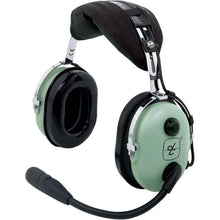 Out of StockVendor:David Clark
David Clark H10-13S Stereo Aviation Headset 40422G-01
23 dB passive stereo for music and intercom through an audio panel, in a lightweight 17 ounce build that stays comfortable through long training flights.
Regular price $379.95Sale price $379.95 Regular priceUnit price per$422.80 -
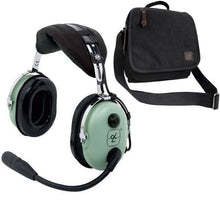 Out of StockVendor:David Clark
David Clark H10-13.4 Mono Aviation Headset & Bag Combo 40411G-01
23 dB student-standard passive noise reduction with a double-foam headpad for comfort, bundled with a padded carry bag for the flight school ramp and trainer fleet.
Regular price $389.95Sale price $389.95 Regular priceUnit price per$452.54 -
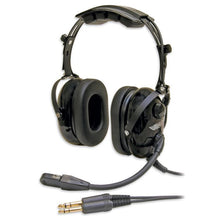 Vendor:ASA
ASA AirClassics HS-1A Passive Aviation Headset - Crystal-Clear Comms & Comfort
23 dB passive noise reduction for a first student headset, backed by a lifetime manufacturer warranty that shows real confidence in cockpit-ready comfort.
Regular price $149.99Sale price $149.99 Regular priceUnit price per$199.95 -
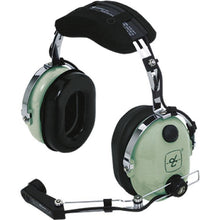 Out of StockVendor:David Clark
David Clark H10-30 Aviation Headset 24dB Noise Reduction 12508G-17
24 dB passive for loud piston and warbird cockpits, delivering legendary durability and dependable communication for pilots flying loud, high-vibration aircraft.
Regular price $319.95Sale price $319.95 Regular priceUnit price per$344.85 -
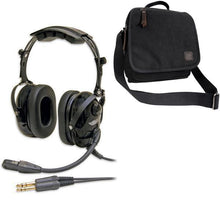 Vendor:ASA
ASA AirClassics HS-1A Headset & Bag Combo - Crystal-Clear Comms & Comfort
23 dB passive noise reduction with a padded bag, the student's proven first-headset value pick backed by an industry-leading lifetime warranty for peace of mind.
Regular price $149.99Sale price $149.99 Regular priceUnit price per$209.95 -
Out of StockVendor:David Clark
David Clark H10-13 Series Aviation Headset (Mono & Stereo)
23 dB of passive noise attenuation in a rugged workhorse build, available in mono or stereo, the long-standing comfort choice for flight schools and everyday GA flying.
Regular price From $369.95Sale price From $369.95 Regular priceUnit price per$415.55 -
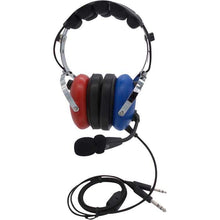 Vendor:Pilot USA
Pilot USA PA-1151 Child Size Passive Aviation Headset
Child-size passive at 11.9 oz with 24 dB noise reduction, purpose-built for a safe, comfortable fit on young aviators instead of a downsized adult headset.
Regular price $151.00Sale price $151.00 Regular priceUnit price per$161.00 -
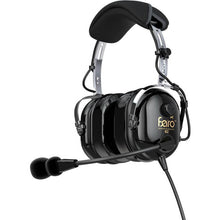 Vendor:Faro
Faro G2 Passive Aviation Headset - Ultimate Comfort & 26dB Noise Reduction RFAR200-BLK
26 dB passive with a light frame and audio input for GA pilots, featuring thick gel ear cushions and a padded headband for long, comfortable days in the cockpit.
Regular price $189.95Sale price $189.95 Regular priceUnit price per$219.99 -
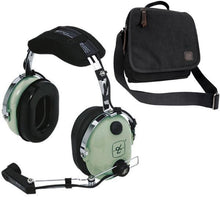 Out of StockVendor:David Clark
David Clark H10-30 Aviation Headset & Bag Combo: 24 dB Noise Reduction for Pilots 12508G-17
24 dB passive noise reduction for loud cockpits, the most widely used noise-attenuating headset in general aviation, bundled with a protective carry bag.
Regular price $339.95Sale price $339.95 Regular priceUnit price per$381.84 -
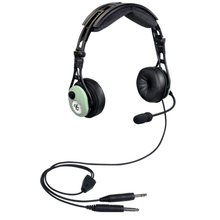 Vendor:David Clark
David Clark DC PRO-2 Aviation Headset 43106G-01
On-ear passive comfort at 8 oz for shorter GA flights, with an Outlast head pad that absorbs heat so commercial pilots stay cool through a full flying day.
Regular price $410.00Sale price $410.00 Regular priceUnit price per$410.00 -
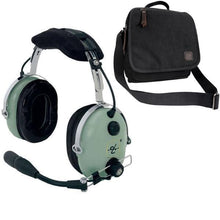 Vendor:David Clark
David Clark H10-60 Aviation Headset & Bag Combo 40128G-01
23 dB passive attenuation built for reliable communication across multiple aircraft types, includes the General Aviation dual-plug cord, bundled with a carry bag.
Regular price $459.95Sale price $459.95 Regular priceUnit price per$512.54 -
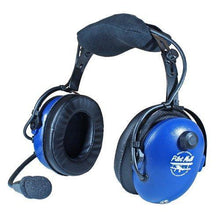 Vendor:PilotMall.com
PilotMall.com Sound Silencer Passive Aviation Headset with Phone Interface
25 dB budget passive with a built-in phone interface, weighing just 15 ounces for long flights without fatigue or breaking the bank on your first headset.
Regular price $159.00Sale price $159.00 Regular priceUnit price per$199.00 -
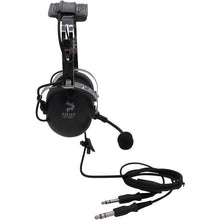 Vendor:Pilot USA
Pilot USA PA-1161 Passive Aviation Headset
24 dB passive for the first-time or occasional student flyer, with a multi-cushioned foam headband and plush ear seals built for fatigue-free training flights.
Regular price $134.00Sale price $134.00 Regular priceUnit price per$144.00 -
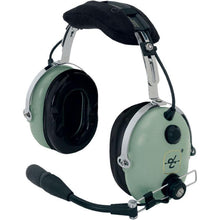 Vendor:David Clark
David Clark H10-60 Aviation Headset 40128G-01
23 dB passive built for years of dependable GA service, weighing just 22 ounces for all-day comfort across a wide range of aircraft types and missions.
Regular price $439.95Sale price $439.95 Regular priceUnit price per$475.55 -
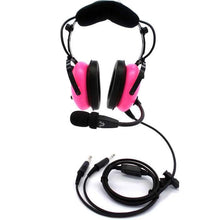 Vendor:Pilot USA
Pilot USA PA-1181T Women's Passive Aviation Headset
24 dB passive noise reduction sized and weighted for a smaller head shape, giving women pilots a comfortable, secure fit for long training and cross country flights.
Regular price $220.00Sale price $220.00 Regular priceUnit price per$230.00 -
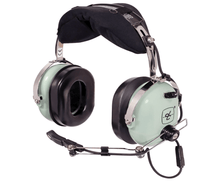 Vendor:David Clark
David Clark H10-76 Military Passive Aviation Headset, Low Impedance 12510G-21
Military-spec passive with low impedance for tactical intercoms, the trusted choice for pilots flying military aircraft that demand rugged, dependable communication.
Regular price $429.99Sale price $429.99 Regular priceUnit price per$450.00 -
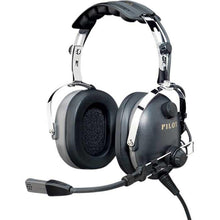 Vendor:Pilot USA
Pilot USA PA-1169T Passive Aviation Headset
Budget passive noise reduction for students and occasional flyers, with a noise-cancelling microphone that cuts through engine noise for crystal-clear radio calls.
Regular price $151.00Sale price $151.00 Regular priceUnit price per$161.00 -
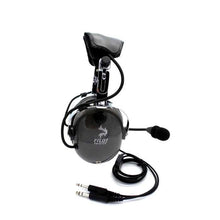 Vendor:Pilot USA
Pilot USA PA-1171T Passive Aviation Headset
Budget passive noise reduction for students and weekend flyers, cutting cockpit noise by 24 decibels for clearer radio calls without the ANR price tag.
Regular price $180.00Sale price $180.00 Regular priceUnit price per$190.00 -
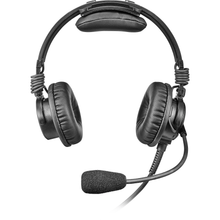 Out of StockVendor:Telex
Telex Airman 7+ Lightweight Aviation Headset for Pilots
Featherweight 4.4 oz passive comfort for long, fatigue-free legs, a TSO-approved build that ranks among the lightest headsets trusted by career pilots.
Regular price $345.00Sale price $345.00 Regular priceUnit price per$439.00 -
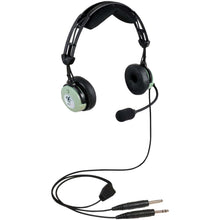 Vendor:David Clark
David Clark Jet Passive Dual-Plug Aviation Headset: Ultra-Light 4.5 oz, TSO-Certified 43108G-01
Ultra-light 4.5 oz TSO-certified passive with dual GA plugs, engineered for professional jet pilots who need all-day comfort and minimal fatigue on long flights.
Regular price $345.00Sale price $345.00 Regular priceUnit price per$345.00 -
 NewVendor:David Clark
David Clark H10-20 Noise Attenuating Aviation Headset 40074G-01
24 dB passive attenuation with classic H10-series durability, updated with modern comfort for dependable everyday GA flying and training.
Regular price $389.99Sale price $389.99 Regular priceUnit price per$411.10 -
 NewVendor:David Clark
David Clark H20-10S Stereo Aviation Headset 40495G-09
Passive stereo comfort with plush ear seals and a lightweight composite housing replacing the old metal headband, built for audio-equipped GA panels.
Regular price $419.99Sale price $419.99 Regular priceUnit price per$464.10


Frequently Asked Questions
What is a passive aviation headset?
A passive aviation headset reduces cockpit noise using physical design alone, sealing your ears inside dense cups with foam or gel seals and clamping force rather than electronics. It needs no batteries, costs less than an active headset, and is prized for its simplicity and durability in training aircraft.
How much noise reduction do passive aviation headsets provide?
Most passive aviation headsets deliver roughly 23 to 26 dB of noise attenuation. They are very effective against higher-frequency sound that interferes with radio clarity, but less effective against the steady low-frequency engine and propeller drone below about 300 to 500 Hz, which is where active noise reduction performs best.
Are passive headsets good enough for student pilots?
Yes. Passive headsets are the long-standing choice for student pilots and flight schools because they are affordable, rugged, and battery-free. The David Clark H10-13.4 has been the training standard for decades, providing dependable hearing protection and clear communication throughout primary flight instruction.
What is the difference between passive and ANR aviation headsets?
Passive headsets block noise with physical sealing and clamping only, while ANR (active noise reduction) headsets add electronics that generate an opposite sound wave to cancel low-frequency engine drone. Passive models cost less and need no batteries; ANR models reduce fatigue on long flights but require power.
Do passive aviation headsets need batteries?
No. Passive aviation headsets contain no electronics and require no batteries or charging. All of their noise reduction comes from the sealed ear cups and clamping force, which makes them simpler, lighter on maintenance, and more reliable than active headsets that depend on battery power.
What does PNR mean for an aviation headset?
PNR stands for passive noise reduction. It describes a headset that quiets the cockpit using only its physical construction, such as the ear-cup seal and clamping force, with no powered electronics. PNR is the counterpart to ANR, which uses active electronic cancellation of low-frequency noise.
No questions match your search. Try another term or ask our team.
