




-
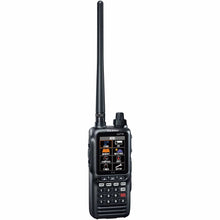 Vendor:Yaesu
Yaesu FTA-850AA - 6W Air-Band Handheld Transceiver (AA Battery Version)
AA-battery nav/com handheld with Bluetooth, GPS and glide guidance, a 6-watt transceiver built for pilots who want reliable backup power away from the panel.
Regular price $369.99Sale price $369.99 Regular priceUnit price per$550.00 -
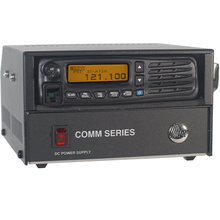 Vendor:Icom
Icom IC-A120B VHF Air Band Transceiver - Base Station
Ground-station VHF radio with Bluetooth for FBO and ramp operations, built as the communication backbone linking dispatch, air traffic control, and maintenance teams.
Regular price $1,449.95Sale price $1,449.95 Regular priceUnit price per$2,099.00 -

Fresh from The Hangar
The latest from top aviation brands. -
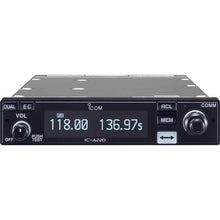 Vendor:Icom
Icom IC-A220 VHF Panel Mount VHF Air Band Transceiver with OLED Display
Panel-mount VHF radio for reliable installed cockpit comms, with a quick channel switch that keeps pilots heads-up and on frequency during busy radio work.
Regular price $1,449.95Sale price $1,449.95 Regular priceUnit price per$2,530.00 -
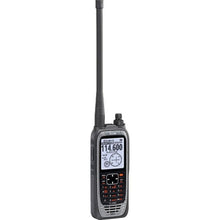 Vendor:Icom
Icom IC-A25N Nav/Com Transceiver: Handheld Aviation Radio with Bluetooth
IFR-ready nav/com handheld with VOR guidance, Bluetooth and GPS, putting out 6 watts of transmit power for clear communication at extended range.
Regular price $599.95Sale price $599.95 Regular priceUnit price per$1,049.40 -
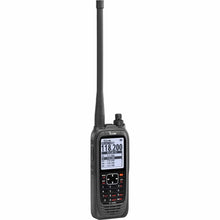 Vendor:Icom
Icom IC-A25C-S Sport Com Only Transceiver: Handheld Aviation Radio
Runs on AA batteries so it's always ready when you need it, delivering a 6-watt IP57-rated output for extended range and clear transmissions as your backup radio.
Regular price $369.00Sale price $369.00 Regular priceUnit price per$580.00 -
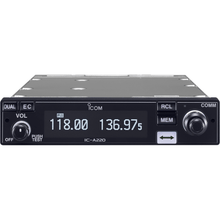 Vendor:Icom
Icom A220T TSO'd Panel Mount VHF Air Band Transceiver with OLED Display (8.33/25 kHz)
For certified panels: TSO'd panel-mount VHF radio with 8-watt output, bringing Part 23 owners the same proven performance experimental and LSA pilots already trust.
Regular price $2,199.00Sale price $2,199.00 Regular priceUnit price per$3,499.00 -
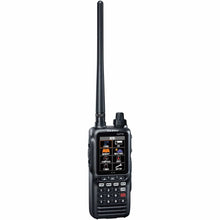 Vendor:Yaesu
Yaesu FTA-850L Nav/Com Transceiver: Handheld Aviation Radio with Bluetooth & GPS
Flagship nav/com handheld with Bluetooth, GPS and a color moving map, the only handheld pairing wireless connectivity with a full color display for backup navigation.
Regular price $539.99Sale price $539.99 Regular priceUnit price per$840.00 -
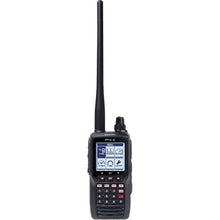 Vendor:Yaesu
Yaesu FTA-550AA Nav/Com Transceiver: Handheld Aviation Radio AA Battery Version
AA-battery nav/com handheld with VOR and ILS guidance, IPX5 rated, and a large 1.7 by 1.7 inch dot matrix display readable in any cockpit lighting.
Regular price $259.99Sale price $259.99 Regular priceUnit price per$380.00 -
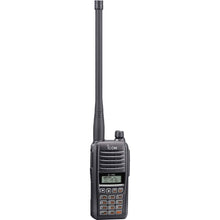 Vendor:Icom
Icom IC-A16B Com Only Transceiver: Handheld Aviation Radio with Bluetooth
Backup com radio with Bluetooth, IP67 sealing and a 17-hour battery, delivering crystal-clear hands-free communication even in the noisiest ramp environments.
Regular price $399.95Sale price $399.95 Regular priceUnit price per$658.90 -
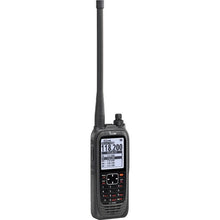 Vendor:Icom
Icom IC-A25C Com Only Transceiver: Handheld Aviation Radio
Backup com radio, 6-watt and IP57 waterproof, 2350 mAh battery, ready in the flight bag for lost-com backup or as a dependable handheld for ramp and ground work.
Regular price $549.95Sale price $549.95 Regular priceUnit price per$988.90 -
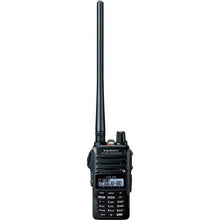 Vendor:Yaesu
Yaesu FTA-250L Com Only Transceiver: Handheld Aviation Radio
Entry backup com handheld, IPX5 rated, the lightweight value pick with 700mW of output so you never miss a critical call in flight.
Regular price $259.99Sale price $259.99 Regular priceUnit price per$380.00 -
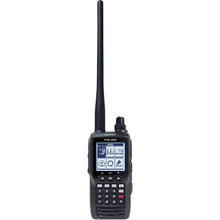 Out of StockVendor:Yaesu
Yaesu FTA-450L Com Only Transceiver: Handheld Aviation Radio
Backup com handheld, 5-watt and IPX5, with NOAA weather alerts and 200 memory channels for storing every frequency you fly.
Regular price $309.99Sale price $309.99 Regular priceUnit price per$460.00 -
 Out of StockVendor:Yaesu
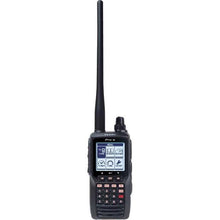
Yaesu FTA-550L Nav/Com Transceiver: Handheld Aviation Radio
Nav/com handheld with VOR and ILS guidance plus NOAA weather alerts, featuring a bright 1.7 by 1.7 inch display and water-resistant housing for the cockpit.
Regular price $379.99Sale price $379.99 Regular priceUnit price per$580.00 -
 Out of StockVendor:Icom
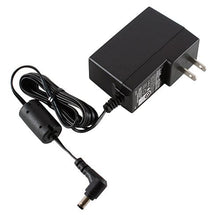
Icom BC-123SA AC Adapter - 100 - 240 VAC US Plug, 12 V DC @ 1 A
AC wall adapter for charging compatible handheld radio batteries, compatible with 12 different rapid charger models so one adapter covers your whole radio kit.
Regular price $29.95Sale price $29.95 Regular priceUnit price per$49.95
Frequently Asked Questions
Do you need a license to use a handheld aviation radio?
For domestic flying in the United States, two-way VHF aircraft radios are licensed by rule, so you do not need a separate FCC station license to transmit on the airband. If you operate internationally, the FCC requires an Aircraft Radio Station License and a Restricted Radiotelephone Operator Permit before you fly.
What is the difference between a COM-only and a NAV/COM aviation radio?
A COM-only radio transmits and receives voice on the VHF airband and nothing more, which keeps it simple and affordable. A NAV/COM radio adds navigation receivers for VOR and ILS, letting you track a radial or fly a localizer, and top models like the Yaesu FTA-850L also include built-in GPS.
What frequencies do aviation radios use?
Aviation radios operate on the VHF airband, which runs from 118.0 to 136.975 MHz for civil air traffic control, ground, and traffic communication. The band is line-of-sight, so range depends on altitude and antenna height. The frequency 121.5 MHz is reserved worldwide as the emergency, or guard, channel.
How far can a handheld aviation radio transmit?
Because VHF airband communication is line-of-sight, range depends far more on altitude than on power. On the ground a handheld may only reach a few miles, while at altitude with a clear path the same radio can reach ground stations and aircraft dozens of miles away. An external antenna extends usable range.
Can a handheld radio be used as a backup for a panel radio?
Yes. A handheld aviation radio is the most common backup for a panel com, letting you keep talking to ATC if you lose electrical power or your installed radio fails. Many pilots carry an AA-battery model so they can swap in fresh cells, and a headset adapter makes it usable over cockpit noise.
Is Icom or Yaesu better for aviation handheld radios?
Neither is universally better; the right choice depends on what you value. Icom is known for a clean, intuitive interface that pilots learn quickly, while Yaesu offers deeper feature sets, color displays, and options like built-in GPS and 6-watt output. Compare both in our handheld radio buyer's guide before deciding.
No questions match your search. Try another term or ask our team.
