




-
 Vendor:Bose
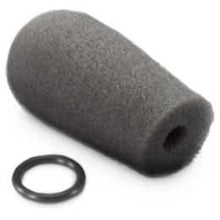
Bose Aviation X & A20 Genuine Mic Windscreen Replacement
Foam mic windscreen that cuts wind and breath noise on transmit, a genuine replacement that restores clear audio quality when the original becomes worn or soiled.
Regular price $11.99Sale price $11.99 Regular priceUnit price per$20.00 -
 NewVendor:Telex
Telex Gray Microphone Windscreen for Airman 7/8/8P/850 Series 800456019
A direct-fit replacement gray foam windscreen keeps radio calls clear of wind and breath noise, maintaining the professional standard pilots expect from their headset.
Regular price $4.95Sale price $4.95 Regular priceUnit price per$10.00 -

Fresh from The Hangar
The latest from top aviation brands. -
 Vendor:David Clark
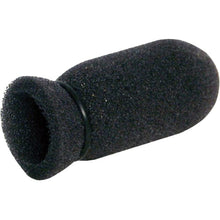
David Clark M-7 Wind Screen: Reduces Wind and Ambient Cockpit Noise 40062G-02
Foam mic muff that quiets wind and cockpit noise on your mic, a genuine replacement part built for exact fit and reliable audio clarity in flight communications.
Regular price $5.95Sale price $5.95 Regular priceUnit price per$4.90 -
 NewVendor:David Clark
David Clark M-1/DC Microphone Protector Windscreen 18434G-02
Slides securely over the amplified dynamic microphone common on classic headset models, keeping transmissions crisp and clear while shielding the mic element from wind.
Regular price $5.95Sale price $5.95 Regular priceUnit price per


Frequently Asked Questions
What is a headset windscreen and what does it do?
A headset windscreen, also called a mic muff or pop filter, is a foam or fur cover that fits over your microphone tip. It blocks wind and breath noise from reaching the mic element, which keeps your radio transmissions clear, and it protects the microphone from moisture and debris so it lasts longer.
Do headset windscreens actually reduce wind noise in radio transmissions?
Yes. A windscreen breaks up the moving air and breath plosives that would otherwise hit the microphone directly, so your modulation comes through clean instead of distorted. Foam muffs handle normal cockpit airflow, while fur-over-foam covers cut even stronger wind for open-window or open-door flying.
How do I install a windscreen on my aviation headset microphone?
Installation is tool-free. Slide the old muff off the boom, then push the new windscreen over the microphone tip until it sits centered over the front of the element. It should fit snugly without bunching. The whole swap takes seconds and needs no adhesive, tape, or tools of any kind.
Are aviation mic windscreens universal or headset-specific?
Most are headset-specific because microphone tips differ in size and shape between Bose, David Clark, Telex, and other brands. A muff sized for the wrong mic can fit loosely or muffle your voice. The windscreens here are matched to specific headset models, so choose the one listed for your microphone.
How often should I replace my headset mic muff?
Replace a windscreen when it is torn, compressed, soiled, or no longer staying centered on the mic, since a worn muff stops blocking wind well. Many pilots swap theirs once or twice a year with regular use. Keeping a spare in your flight bag means a degraded muff never costs you a clear call.
Will a windscreen muffle my voice or reduce transmission clarity?
A correctly fitted windscreen does not muffle your voice. It is designed to pass speech while filtering wind and breath noise, so transmissions actually sound cleaner. Muffling usually means the wrong muff for your mic or a worn, compacted cover, both of which are fixed by fitting the correct replacement.
No questions match your search. Try another term or ask our team.
