




-
 Out of StockVendor:Casio
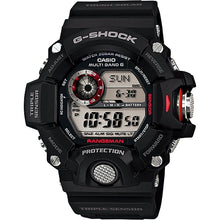
Casio Rangeman G-Shock Black Solar Atomic Watch GW9400-1
Solar atomic survival watch with altimeter, compass and barometer, delivering essential flight data with solar power so battery failure never leaves you without it.
Regular price $249.00Sale price $249.00 Regular priceUnit price per$365.00 -
 Out of StockVendor:Casio
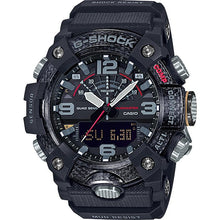
Casio Mudmaster G-Shock with Quad Sensor Black Resin Watch GGB100-1A
Rugged Bluetooth field watch with quad sensors for the outdoors, syncing activity data effortlessly for pilots and adventurers who need tough, reliable timekeeping.
Regular price $380.00Sale price $380.00 Regular priceUnit price per$420.00 -
Fresh from The Hangar
The latest from top aviation brands. -
 Out of StockVendor:Casio
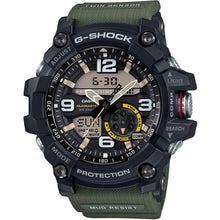
Casio Mudmaster G-Shock Military Green Watch GG-1000-1A3
Rugged mud-resistant field watch with compass and thermometer, rated to 200 meters water resistance and tracking time across 31 zones for international flying.
Regular price $269.00Sale price $269.00 Regular priceUnit price per$385.00
Frequently Asked Questions
Are G-Shock watches good for pilots?
Yes. G-Shock watches are built to G-Shock shock-resistance standards and stand up to vibration, dust, moisture, and temperature swings, which makes them dependable for pilots who fly in rough conditions or adventure outside the cockpit. Models with sensors and atomic timekeeping add altitude, heading, and accurate time on the wrist.
What is the difference between the G-Shock Rangeman and Mudmaster?
The Rangeman emphasizes field navigation and self-sufficient timekeeping with Tough Solar power, Multi-Band 6 atomic syncing, and altimeter, barometer, compass, and thermometer sensors. The Mudmaster emphasizes dirty-environment durability with Mud Resist construction, a large digital display, and a digital compass, with a Quad Sensor option for added capability.
Which G-Shock is best for aviation?
For pilots who want the most navigation data, the Rangeman GW9400 leads because it combines solar power, atomic timekeeping, and a full sensor suite. Pilots who want rugged everyday wear that survives dust and debris often prefer the Mudmaster, with the Quad Sensor model offering the most features.
Does the G-Shock Rangeman have solar power and atomic timekeeping?
Yes. The Casio Rangeman GW9400 uses Tough Solar power, charging from light so it does not need a battery replacement, and Multi-Band 6 radio-controlled atomic timekeeping, which automatically syncs the watch to time-signal stations for accuracy without manual setting.
What sensors does a G-Shock Mudmaster have?
The Mudmaster GGB100 carries Casio's Quad Sensor, a four-sensor suite, while the military-green Mudmaster GG-1000 focuses on a built-in digital compass paired with a large digital display. Both sit inside Mud Resist construction that protects the buttons and case from dust and grit in the field.
Is a digital watch okay for pilots, or do you need an analog watch?
A digital watch is perfectly suitable for pilots. The G-Shock models here are digital, and the large, high-contrast displays read quickly in the cockpit while delivering sensor data and accurate timekeeping. Many pilots prefer a clear digital readout over an analog face for fast, glanceable reference.
No questions match your search. Try another term or ask our team.
