




-
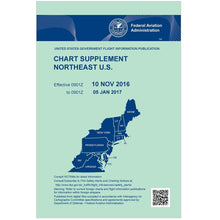 Vendor:AeroNav Products
FAA Chart Supplement NE (Airport/Facility Directory North East) - 09/03/26 thru 10/29/26
Regular price $7.50Sale price $7.50 Regular priceUnit price per$8.00 -
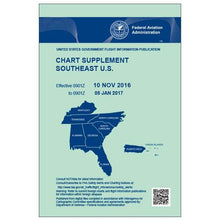 Vendor:AeroNav Products
FAA Chart Supplement SE (Airport/Facility Directory South East) - 09/03/26 thru 10/29/26
Regular price $7.50Sale price $7.50 Regular priceUnit price per$8.00 -

Fresh from The Hangar
The latest from top aviation brands. -
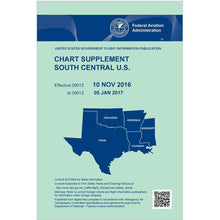 Vendor:AeroNav Products
FAA Chart Supplement SC (Airport/Facility Directory South Central) - 09/03/26 thru 10/29/26
Regular price $7.50Sale price $7.50 Regular priceUnit price per$8.00 -
 Vendor:AeroNav Products
FAA South West Vol 3 U.S. Terminal Procedures Publication Bound - 09/03/26 thru 10/29/26
Regular price $12.50Sale price $12.50 Regular priceUnit price per$13.00 -
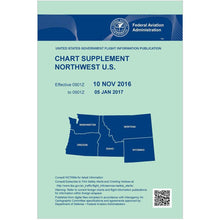 Vendor:AeroNav Products
FAA Chart Supplement NW (Airport/Facility Directory North West) - 09/03/26 thru 10/29/26
Regular price $7.50Sale price $7.50 Regular priceUnit price per$8.00 -
 Vendor:AeroNav Products
FAA Chart Supplement EC (Airport/Facility Directory East Central) - 09/03/26 thru 10/29/26
Regular price $7.50Sale price $7.50 Regular priceUnit price per$8.00 -
 Vendor:AeroNav Products
FAA East Central Vol 3 U.S. Terminal Procedures Publication Bound - 09/03/26 thru 10/29/26
Regular price $12.50Sale price $12.50 Regular priceUnit price per$13.00 -
 Vendor:AeroNav Products
FAA South West Vol 4 U.S. Terminal Procedures Publication Bound - 09/03/26 thru 10/29/26
Regular price $12.50Sale price $12.50 Regular priceUnit price per$13.00 -
 Vendor:AeroNav Products
FAA South East Vol 1 U.S. Terminal Procedures Publication Bound - 09/03/26 thru 10/29/26
Regular price $12.50Sale price $12.50 Regular priceUnit price per$13.00 -
 Vendor:AeroNav Products
FAA South Central Vol 3 U.S. Terminal Procedures Publication Bound - 09/03/26 thru 10/29/26
Regular price $12.50Sale price $12.50 Regular priceUnit price per$13.00 -
 Vendor:AeroNav Products
FAA Chart Supplement NC (Airport/Facility Directory North Central) - 09/03/26 thru 10/29/26
Regular price $7.50Sale price $7.50 Regular priceUnit price per$8.00 -
 Vendor:AeroNav Products
FAA Green Bay VFR Sectional Aeronautical Chart - 09/03/26 thru 10/29/26
Regular price $8.50Sale price $8.50 Regular priceUnit price per$9.75 -
 Vendor:AeroNav Products
FAA NW Vol 1 U.S. Terminal Procedures Publication Bound - 09/03/26 thru 10/29/26
Regular price $12.50Sale price $12.50 Regular priceUnit price per$13.00 -
 Vendor:AeroNav Products
FAA South East Vol 2 U.S. Terminal Procedures Publication Bound - 09/03/26 thru 10/29/26
Regular price $12.50Sale price $12.50 Regular priceUnit price per$13.00 -
 Vendor:AeroNav Products
FAA South Central Vol 2 U.S. Terminal Procedures Publication Bound - 09/03/26 thru 10/29/26
Regular price $12.50Sale price $12.50 Regular priceUnit price per$13.00 -
 Vendor:AeroNav Products
FAA North East Vol 4 U.S. Terminal Procedures Publication Bound - 09/03/26 thru 10/29/26
Regular price $12.50Sale price $12.50 Regular priceUnit price per$13.00 -
 Vendor:AeroNav Products
FAA South West Vol 1 U.S. Terminal Procedures Publication Bound - 09/03/26 thru 10/29/26
Regular price $12.50Sale price $12.50 Regular priceUnit price per$13.00 -
 Vendor:AeroNav Products
FAA South Central Vol 1 U.S. Terminal Procedures Publication Bound - 09/03/26 thru 10/29/26
Regular price $12.50Sale price $12.50 Regular priceUnit price per$13.00 -
 Vendor:AeroNav Products
FAA North Central Vol 3 U.S. Terminal Procedures Publication Bound - 09/03/26 thru 10/29/26
Regular price $12.50Sale price $12.50 Regular priceUnit price per$13.00 -
 Vendor:AeroNav Products
FAA North Central Vol 1 U.S. Terminal Procedures Publication Bound - 09/03/26 thru 10/29/26
Regular price $12.50Sale price $12.50 Regular priceUnit price per$13.00 -
 Vendor:AeroNav Products
FAA South Central Vol 4 U.S. Terminal Procedures Publication Bound - 09/03/26 thru 10/29/26
Regular price $12.50Sale price $12.50 Regular priceUnit price per$13.00 -
 Out of StockVendor:AeroNav Products
FAA South East Vol 3 U.S. Terminal Procedures Publication Bound - 09/03/26 thru 10/29/26
Regular price $12.50Sale price $12.50 Regular priceUnit price per$13.00 -
 Out of StockVendor:AeroNav Products
FAA Chart Supplement SW (Airport/Facility Directory South West) - 09/03/26 thru 10/29/26
Regular price $7.50Sale price $7.50 Regular priceUnit price per$8.00 -
 Out of StockVendor:AeroNav Products
FAA Los Angeles VFR Sectional Aeronautical Chart - 09/03/26 thru 10/29/26
Regular price $8.50Sale price $8.50 Regular priceUnit price per$9.75


Frequently Asked Questions
What is an FAA aeronautical chart?
An FAA aeronautical chart is an official, government-published map pilots use to navigate and plan flights. VFR charts such as sectionals show terrain, airports, and airspace for visual flight, while IFR charts show airways, fixes, and procedures for instrument flight. Both are produced by the FAA's authorized chart maker.
What is the difference between a sectional chart and a terminal area chart?
A sectional chart is printed at 1:500,000 scale and covers a large region for general VFR navigation. A terminal area chart, or TAC, is printed at 1:250,000 scale, so it shows twice the detail over the busy Class B airspace around a major airport, making it easier to fly complex arrival and departure corridors.
How often are FAA sectional charts updated?
FAA VFR charts, including sectionals and terminal area charts, publish on a 56-day cycle that took effect on February 25, 2021. Some Alaska charts follow a longer validity period. Always confirm a chart is current by checking the next effective date printed on its cover before you fly.
What is an FAA Chart Supplement?
The Chart Supplement is the renamed Airport/Facility Directory (AFD). It is a regional booklet, published in seven volumes, that lists runway data, communication and navaid frequencies, fuel and services, and airport diagrams for the airports in its coverage area. It complements the maps you fly with rather than replacing them.
Are paper sectional charts required by the FAA?
For Part 91 flying, the FAA does not require paper charts, and Advisory Circular 91-78A allows an electronic flight bag to fully replace paper. Many pilots still carry current paper charts as a battery-free backup, and examiners often expect them on checkrides. Certain commercial operations have their own charting requirements.
Which sectional chart do I need?
Choose the sectional named for the major city nearest your route, then confirm its coverage reaches your departure, enroute, and destination airports. Longer cross-country flights often cross two or more sectionals, so carry each chart your route touches. For trips into busy metro airspace, add the matching terminal area chart.
No questions match your search. Try another term or ask our team.
