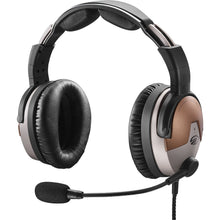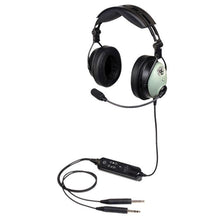




Bose A30 Aviation Headset In-Depth Review: Why It's Still the #1 ANR Headset to Buy
The Bose A30 remains the modern benchmark for premium ANR. In this 2026 deep-dive, we break down the A30’s digital noise cancellation, three-mode ANR, all-day comfort design, Bluetooth/audio prioritization, mic clarity, battery performance, and real-world cockpit advantages, then compare it head-to-head with Lightspeed Zulu 3, Zulu 4, Delta Zulu, and David Clark ONE-X.


Last updated July 2026
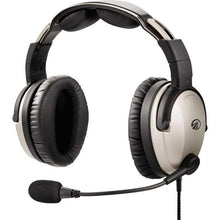
Quick answer: The Bose A30 (from Pilot Mall, an authorized Bose dealer) is our pick for the best overall ANR aviation headset. It pairs three selectable noise-cancellation modes and active-equalization audio clarity with a comfort-first design that clamps about 20% lighter than the discontinued A20. It runs a minimum of 45 hours on two AA batteries, weighs 14.2 oz, and is FAA TSO certified. For most pilots who fly often, it is the easiest buy-once headset.
Choosing the right aviation headset is one of the biggest quality-of-life (and safety) upgrades you can make. The best aviation headsets reduce fatigue, sharpen radio clarity, and protect your hearing, especially in high-noise piston cockpits.
For years, the Bose A20 was the premium benchmark. But Bose discontinued the A20 in 2023 when it launched the A30, so authorized dealers no longer receive new A20 stock and any A20 you find today is a used-market or leftover-inventory decision. (Bose still services the A20 and keeps replacement parts available, so existing owners are not stranded.)
That brings us to the current flagship: the Bose A30 Aviation Headset. At the top of the price ladder, the real question is not "Is it good?" It is "Is it the best headset you can buy right now?" Based on the A30's digital ANR, comfort engineering, and cockpit-focused features, the answer for most pilots seeking top-tier ANR is yes.
Table of Contents
- Quick Verdict
- Why the Bose A30 Is the Best Overall ANR Headset
- Digital ANR + Three Modes (What It Actually Means in the Cockpit)
- Comfort: Lighter Feel, Lower Clamp, Better Long-Flight Fit
- Audio Clarity & Mic Performance
- Bluetooth, Audio Prioritization, and EFB Use
- Battery Life, Power Options, and Real-World Expectations
- Build Quality, Certification, and Ownership Value
- Bose A20 vs A30: Should You Upgrade?
- Comparison Chart: A30 vs Zulu 3, Zulu 4, Delta Zulu, and DC ONE-X
- Who Should Buy the Bose A30?
- Buying Tips (Fit, connectors, sunglasses, and training)
- Own a Bose A20? Repair It, Replace the Ear Seals, or Upgrade
- FAQ
Quick Verdict
If you want the best all-around ANR aviation headset, the Bose A30 (from Pilot Mall, an authorized Bose dealer) is the easy front-runner. It combines three-mode active noise cancellation, strong audio clarity via active equalization, a comfort-first design with reduced clamping force, and modern Bluetooth integration without trying to turn your headset into a complicated multi-tool.
Competitors absolutely have strengths (especially warranty length or clever add-ons), but when pilots judge what matters most every single flight, namely noise reduction quality, fatigue reduction, comfort, and radio intelligibility, the A30 consistently wins the best-in-show conversation.
Why the Bose A30 Is the Best Overall ANR Headset
1) It is engineered for the real cockpit problem: fatigue
Pilots do not just buy ANR for quiet; they buy it because noise is exhausting. The A30's combination of effective noise cancellation, clear audio shaping, and low clamp is designed to reduce the mental load of long flights: less strain to hear, less urge to constantly adjust, and less end-of-day fatigue.
2) Comfort improvements are measurable, not marketing fluff
Bose states the A30 delivers 20% less clamping force than the A20 while remaining stable on-head. That matters on 2+ hour legs, in turbulence, and with sunglasses.
3) It has three selectable noise-cancellation modes (useful, not gimmicky)
Instead of a single "max ANR all the time" approach, the A30 gives you three modes tuned for different aircraft noise environments and personal preference. Bose specifically positions these modes as distinct use cases for different cockpits.
Digital ANR + Three Modes (What It Actually Means in the Cockpit)
The A30's signature feature is its active noise cancellation with three selectable modes. Bose engineers each mode for a specific job:
- Low: optimizes interpersonal communication when you are not on an intercom.
- Medium: the most consistent amount of reduction across a wide range of frequencies.
- High: the most aggressive reduction, maximizing the signal-to-noise ratio for radio communication.
Here is why that matters in real life:
- Piston singles: The low-frequency engine and prop droning is the fatigue monster. Strong ANR reduces the constant pressure on your attention.
- Different aircraft, different acoustics: A headset that is perfect in a 172 can feel different in a Cirrus, Bonanza, or turboprop. Modes help you match the headset to the cockpit.
- Personal preference: Some pilots prefer maximum cancellation; others prefer a more natural sound profile. Modes give you control without burying settings in an app.
Bottom line: the A30 does not just cancel noise; it helps you manage the cockpit environment so radio clarity and comfort stay consistent across aircraft and mission profiles.
Comfort: Lighter Feel, Lower Clamp, Better Long-Flight Fit
Comfort is where premium headsets earn their keep. Bose describes the A30 as one of the smallest, lowest-clamping, and lightest around-ear ANR headsets in its category, with intentionally shaped headband pads and angled earcups designed to follow head contours.
Key comfort details pilots care about:
- Reduced clamp: Bose cites 20% lower clamping force versus the A20, which means less head squeeze and fewer hot spots on long flights.
- Angled earcups: Better seal and stability, especially with sunglasses.
- Toolless, side-swappable mic and down cable: Great for shared headsets, instructors, or anyone who wants consistent comfort on either side.
- On-head weight: Bose lists the A30 at 14.2 oz (404 g).
Comfort is subjective, but the A30 is built around the things that usually break comfort: clamp pressure, hotspots, and poor fit around eyewear.
Audio Clarity & Mic Performance
Active equalization: clarity that does not feel "tinny"
Bose highlights active equalization, shaping incoming audio to improve intelligibility and clarity. In plain terms: radios sound more understandable without you cranking volume.
Noise-cancelling microphone built for hot-mic and PTT systems
Bose notes the A30 uses a noise-cancelling electret microphone optimized to reject far-field noise and perform well with hot-mic systems.
Practical tip: keep the mic close to the corner of your mouth (not in front of it), and close enough that you do not have to push your voice to be heard. This is where pilots often leave clarity on the table even with premium headsets.
Bluetooth, Audio Prioritization, and EFB Use
Today, Bluetooth is not a luxury; it is how pilots integrate:
- ForeFlight and Garmin Pilot alerts
- ATIS and AWOS listening workflows on the ground
- Call and text handling during non-sterile phases (when appropriate)
- Training audio and debrief tools
Bose lists Bluetooth connectivity and highlights audio prioritization behavior, so critical comms remain primary.
Why the A30 wins here: it is seamless and cockpit-first, with no requirement to live in an app to get good performance.
Battery Life, Power Options, and Real-World Expectations
Bose states the A30 delivers a minimum of 45 hours on two AA alkaline batteries in typical aircraft noise; with continuous Bluetooth operation, Bose notes 25+ hours. Battery life varies by noise environment and usage.
Why that matters: 45 hours is the difference between always thinking about batteries and replacing them on a schedule and forgetting about it. For instructors and frequent flyers, that is a real quality-of-life advantage.
Build Quality, Certification, and Ownership Value
The A30 is FAA TSO and EASA E/TSO-C139a certified, which matters for pilots and operators who want certified equipment performance and documentation.
Also important: Bose notes that the A30 control module and major components are not interchangeable with A20 or ProFlight control modules. In fact, the A30 shares no parts with the A20 and even swaps the A20's magnesium headband for an aluminum alloy. That is a reminder that the A30 is a true platform change, not just an A20 refresh.
What comes in the box
As a Bose A30 launch partner, Pilot Mall filmed a full unboxing so you can see exactly what is included in the box before you buy.
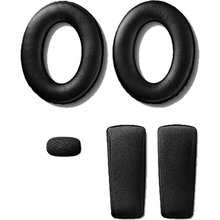
Long-term ownership: Once you have put serious hours on the headset, the Bose A30 Service Kit restores the like-new seal and comfort with replacement ear cushions and a headpad. It is the cheapest way to keep an A30 performing like the day you bought it.
Bose A20 vs A30: Should You Upgrade?
The A30 is the successor to the legendary Bose A20, which Bose discontinued in 2023. If you already fly an A20, the upgrade is about comfort and flexibility, not a dramatic jump in quiet. The short video below walks through the differences, and the table breaks them down feature by feature.
| Feature | Bose A20 (discontinued) | Bose A30 |
|---|---|---|
| Availability | Used market / old stock only | Current model, in production |
| Clamping force | Baseline | About 20% lower |
| Noise-cancellation modes | One fixed level | Three selectable (Low / Medium / High) |
| Tap Control talk-through | No | Yes |
| Boom mic & down cable | Fixed side (service swap) | Toolless, side-swappable |
| Battery life | ~35 hrs | Min. 45 hrs (25+ w/ continuous Bluetooth) |
| On-head weight | About 12 oz | 14.2 oz |
| Configurations | Dual GA, LEMO, U174 | Dual GA, LEMO, U174, XLR-5 flex power |
| Certification | FAA TSO / EASA E/TSO-C139 | FAA TSO / EASA E/TSO-C139a |
One note on the numbers: the A30 is about 1.6 oz heavier than the A20 on paper, but the lower clamping force makes it feel lighter over a long flight, because clamp pressure (not raw weight) is the main driver of headset fatigue.
Buying a used Bose A20 in 2026
Because Bose still services the A20 and keeps consumable parts in production, a clean used A20 can be a smart second or passenger headset. Before you buy one, check:
- Ear seals and head pad: cracked or flattened seals are cheap to replace but show how hard the headset was used.
- Battery box: open it and look for corrosion from leaked AA batteries, the most common killer of otherwise healthy A20s.
- Bluetooth version: Bose sold the A20 in Bluetooth and non-Bluetooth versions, so confirm the control module has it if you pair with ForeFlight.
- Mic side and connector: the A20 boom mic is fixed to one side, and the plug (dual GA, LEMO, or U174) must match your aircraft.
- Serial number: ask for it so Bose aviation support can confirm the service history.
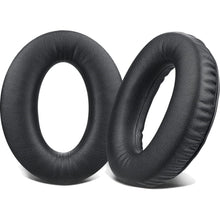
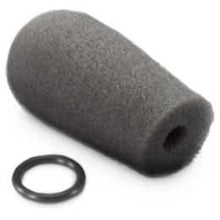
Keeping an A20 you already own? Fresh A20 ear seals and a new mic windscreen are the cheapest performance upgrades you can make. Browse all headset accessories for A20 and A30 parts.
Comparison Chart: Bose A30 vs Lightspeed & David Clark
Note: Specs can vary slightly by configuration (GA dual plug vs LEMO vs helicopter). The specs below reference official manufacturer pages where available.
| Headset | Best For | Weight | Battery (AA) | Warranty | Notable Strength |
|---|---|---|---|---|---|
| Bose A30 | Best overall ANR + comfort | 14.2 oz (404 g) | 45 hrs (25+ w/ continuous Bluetooth) | Varies by region/retailer | Three-mode ANC + active EQ clarity |
| Lightspeed Zulu 3 | Value-focused premium ANR | 14.6 oz | 2x AA (varies by use) | 7 years | Long warranty + strong feature set |
| Lightspeed Zulu 4 | Newest Zulu platform | 14.6 oz | 2x AA | 7 years | Updated fit/ergonomics on Zulu line |
| Lightspeed Delta Zulu | Pilots who want integrated safety features | 14.9 oz | 2x AA | 7 years | Built-in carbon-monoxide monitor + hearing EQ |
| David Clark DC ONE-X | Rugged build + hybrid ENC feel | 12.3 oz (without cord assembly) | Up to 50 hrs | 5 years | Hybrid ENC + lightweight chassis |
Why the A30 still wins the overall comparison: even when competitors match it on features (Bluetooth, audio mixing, long battery life), the A30's combined advantage in comfort tuning, noise-cancelling consistency, and intelligibility-focused audio shaping is what makes it the easiest buy-once-cry-once choice for most pilots. If you want to weigh the alternatives, browse the full aviation headset collection.
Who Should Buy the Bose A30?
- Professional pilots and CFIs: If you fly often, fatigue reduction pays you back quickly.
- Cross-country pilots: Long legs are where comfort and quiet become performance tools, not luxuries.
- High-noise piston flyers: Bose explicitly positions the A30 for high-noise environments typical of piston aircraft.
- Pilots who want simple excellence: The A30 is premium without being fiddly.
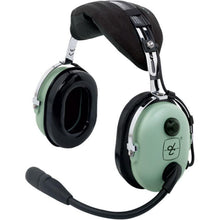
If you are a student pilot on a strict budget, starting with a solid passive headset can be practical, and rugged options like David Clark headsets are worth a look. But if you can swing the A30 early, hearing protection and reduced fatigue are never wasted money.
Buying Tips (Fit, connectors, sunglasses, and training)
- Choose the right plug: The A30 ships in four configurations. Dual GA (model 857641-3120) is most common; 6-pin LEMO panel power (857641-3140) eliminates batteries in wired aircraft; U174 (857641-3130) is for helicopters; and the newer XLR-5 flex-power version (857641-3170) runs on both panel power and batteries for pilots who fly multiple aircraft.
- Eyewear matters: Sunglasses break ear seals. A headset that stays comfortable and sealed with glasses is worth real money, especially for instructors.
- Make a battery habit: Replace AAs on a schedule (not when they die). With the A30's stated runtimes, that is easy.
- Mic placement is everything: Most "my audio is not great" complaints are positioning, not headset quality.
Own a Bose A20? Repair It, Replace the Ear Seals, or Upgrade
Is the Bose A20 discontinued? Yes. Bose discontinued the A20 in 2023 when it launched the A30, and it has not returned to production. That does not make yours obsolete. If your A20 still works, you have three sensible paths.
1. Keep it flying with fresh wear parts
Ear seals and mic windscreens give out years before the electronics do. Flattened or cracked seals leak cockpit noise past the ANR and cost you comfort, and a crumbling windscreen muddies every transmission. A set of A20 replacement ear seals (an aftermarket part, not genuine Bose) plus a genuine Bose mic windscreen restores most of the like-new seal and clarity for a small fraction of the cost of any new headset.
2. Send it to Bose for factory service
Bose still services the A20 and continues to support it with replacement parts, so an electrical fault is repairable rather than terminal. If one ear cup loses noise cancellation, the down cable is damaged, or the control module acts up, contact Bose aviation support with your serial number and let the factory quote the repair. This is the right path when the problem lives inside the headset rather than on its wearing surfaces.
3. Upgrade to the Bose A30
Is the Bose A20 or A30 better? The A30. It replaced the A20 as Bose's flagship and improves what you feel on every flight: about 20% lower clamping force, three selectable noise-cancellation modes instead of one fixed level, a toolless side-swappable mic and down cable, Tap Control talk-through, and longer battery life (a minimum of 45 hours versus roughly 35). Raw noise reduction stays at the same benchmark level, so treat the A30 as the same quiet with far better ergonomics; the A20 vs A30 comparison table above breaks it down feature by feature. If your A20 needs more than seals and a windscreen, put the repair budget toward the upgrade instead.
Bose A30 Aviation Headset: Click for Price
FAQ
Is the Bose A20 still worth buying?
If you already own one, it is still a great headset. But for most buyers, the A20 is now a used-market decision. Bose discontinued the A20 in 2023 when it launched the A30, so authorized dealers no longer receive new stock. Bose still services the A20 and stocks replacement parts.
How long does the Bose A30 battery last?
Bose states a minimum of 45 hours on two AA alkaline batteries in typical aircraft noise, and 25 or more hours with continuous Bluetooth use.
What is the A30's weight?
Bose lists the A30 at 14.2 oz (404 g) on-head weight.
Does the A30 have different noise cancellation settings?
Yes. Bose specifies three selectable modes of noise cancellation (Low, Medium, and High) engineered for different environments and preferences.
Is the Bose A30 FAA TSO certified?
Yes. Bose lists it as FAA TSO and EASA E/TSO-C139a certified.
Is the Bose A30 worth the money?
For pilots who fly regularly, yes. The A30 is a buy-once headset: three selectable noise-cancellation modes, a clamp about 20% lighter than the A20, a toolless side-swappable down cable and mic you can service yourself, and Tap Control talk-through. If you fly only a few hours a year, a quality passive headset will do the job for much less. For the head-to-head against the closest premium alternative, read our Bose A30 vs Lightspeed Zulu 3 comparison.
What is the difference between the Bose A20 and A30?
The A30 is the A20's direct replacement. The biggest changes are about 20% lower clamping force, three selectable noise-cancellation modes instead of one fixed level, a toolless side-swappable down cable and mic, Tap Control talk-through, longer battery life (a minimum of 45 hours versus roughly 35 on the A20), and a new XLR-5 flex-power configuration. Overall noise reduction stays at the same benchmark level, so most A20 owners upgrade for comfort and flexibility rather than a dramatic jump in quiet.
What is Tap Control on the Bose A30?
Tap Control is a talk-through feature. With the ANC switch set to High or Medium, a firm double-tap on the outside of an earcup temporarily lowers noise cancellation in that ear so you can hear someone speaking outside the intercom without taking the headset off.
Does the Bose A30 come with a case?
Yes. Every A30 ships with a semi-rigid carry case in the box to protect the headset during transport and storage, along with a control-module holder, cable clips, two AA batteries, and the documentation.
Do Bose A30 headsets ever go on sale?
The A30 is a MAP (Minimum Advertised Price) product, so the price is consistent across authorized dealers like Pilot Mall. Bose runs periodic promotional offers, such as a free-gift-with-purchase promotion, and those are the best time to buy. Deep discounting off the retail price is uncommon with Bose aviation gear, so watch the A30 product page for current Bose promotions.
Is the Bose A30 worth it for student pilots?
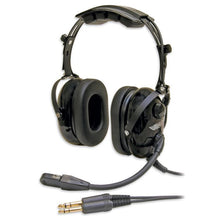
If budget allows, yes; the A30 is a buy-once headset you will not need to replace. If you are on a tight training budget, it is also fine to start with a quality passive headset such as the David Clark H10-13.4 or the ASA AirClassics HS-1A and move up to the A30 once you are flying regularly.
Ready to experience the Bose difference?
Shop the Bose A30 Aviation Headset or browse all Bose aviation headsets.
About the author: Neil Glazer is a commercial pilot (multi-engine and instrument rated) and the owner of Pilot Mall. He and the Pilot Mall team fit, sell, and fly with aviation headsets every day, and write these guides to help pilots choose the right gear.