




Rádios e GPS
Esta coleção reúne equipamentos portáteis que o mantêm conectado, orientado e à frente do tempo quando o seu painel não consegue fazê-lo sozinho. Um rádio de aviação portátil é o backup que toda bolsa de voo deve ter, pronto para o momento em que um COM do painel silencia, quando uma autorização precisa ser copiada com o motor desligado, ou quando um aluno está ensaiando chamadas de rádio na rampa. Em torno dele, você pode construir navegação e clima com um GPS de aviação portátil, um receptor ADS-B ou um comunicador via satélite, que funcionam independentemente da aeronave. Comece com a missão mais importante:
- Backup de voz, simplificado: uma unidade apenas de comunicação como o Yaesu FTA-250L ou o Bluetooth Icom IC-A16B lida com rádio de banda aérea bidirecional com o menor número de controles para manusear sob pressão. Veja todos em rádios de aviação portáteis.
- Voz mais navegação: um rádio portátil nav/com como o Icom IC-A25N recebe radiais VOR, e o Yaesu FTA-850L adiciona um mapa móvel colorido e GPS integrado.
- Posição para o seu tablet: unidades dedicadas Garmin aviation GPS e outros receptores GPS e de navegação impulsionam o mapa móvel em ForeFlight e Garmin Pilot.
- Tráfego e clima na cabine: adicione um receptor ADS-B como o Garmin GDL 52 para clima gratuito da FAA e tráfego próximo na mesma tela.
Prefere comprar por fabricante? Compare as linhas completas de banda aérea Icom e Yaesu lado a lado, e quando quiser o detalhamento modelo a modelo, leia nosso guia dos melhores rádios portáteis de aviação. Clique em qualquer produto para ver os preços atuais.
-
 NovoFornecedor:Garmin
Smartwatch de Aviador Garmin D2 Mach 2 Pro - Titânio Carbon Gray DLC com Pulseira de Couro Chestnut
Smartwatch de aviador de alta qualidade com banco de dados de aviação e navegação com mapa móvel, construído com uma moldura de titânio de 51 mm e pulseira de couro para uso no cockpit e no dia a dia.
Preço normal $1,549.99Preço promocional $1,549.99 Preço normalPreço unitário por$1,549.99 -
 Fornecedor:Appareo
Receptor Portátil ADS-B Appareo Stratus 4 com Tela Touch Colorida e Bateria Substituível
Para aplicativos EFB: ADS-B portátil com informações meteorológicas, de tráfego e GPS WAAS, com tela touch colorida e a única bateria substituível pelo usuário em sua categoria.
Preço normal $849.00Preço promocional $849.00 Preço normalPreço unitário por -
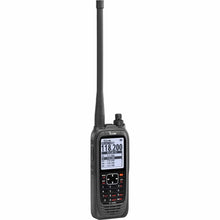 Fornecedor:Icom
Transceptor Icom IC-A25C-S Sport Com Only: Rádio portátil para aviação
Funciona com pilhas AA, então está sempre pronto quando você precisa, fornecendo uma saída de 6 watts com classificação IP57 para alcance estendido e transmissões claras como seu rádio de backup.
Preço normal $369.00Preço promocional $369.00 Preço normalPreço unitário por$580.00 -
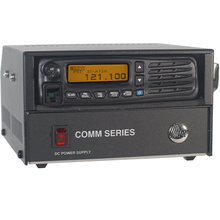 Fornecedor:Icom
Transceptor de banda aérea VHF Icom IC-A120B - Estação base
Rádio VHF de estação terrestre com Bluetooth para operações de FBO e pátio, construído como a espinha dorsal de comunicação conectando equipes de despacho, controle de tráfego aéreo e manutenção.
Preço normal $1,449.95Preço promocional $1,449.95 Preço normalPreço unitário por$2,099.00 -
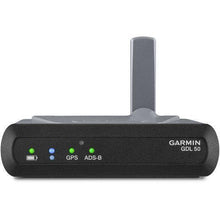 Fornecedor:Garmin
Receptor de link de dados ADS-B portátil Garmin GDL 50 010-01561-00
Portable ADS-B receiver with free FIS-B weather and an 8-hour battery, adding a built-in GPS and backup attitude data to boost situational awareness in the cockpit.
Preço normal $850.00Preço promocional $850.00 Preço normalPreço unitário por$900.00 -
 NovoFornecedor:Garmin
Relógio inteligente Garmin D2 Mach 2 Aviator: Titânio DLC cinza carbono com pulseira de titânio ventilada (51 mm)
A rugged 51 mm DLC titanium case and sapphire lens protect a bright AMOLED display loaded with aviation databases and moving maps for pilots who accept zero compromise.
Preço normal $1,499.99Preço promocional $1,499.99 Preço normalPreço unitário por$1,499.99 -
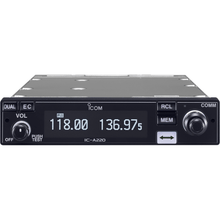 Fornecedor:Icom
Transceptor de banda aérea VHF Icom A220T TSO'd para montagem em painel com display OLED (8,33/25 kHz)
For certified panels: TSO'd panel-mount VHF radio with 8-watt output, bringing Part 23 owners the same proven performance experimental and LSA pilots already trust.
Preço normal $2,199.00Preço promocional $2,199.00 Preço normalPreço unitário por$3,499.00 -
 NovoFornecedor:Garmin
Relógio inteligente Garmin D2 Air X15 Aviator: Cinza-ardósia com pulseira de silicone preta
A 1.4 inch AMOLED touchscreen puts critical flight data on your wrist, with direct-to airport navigation and a durable silicone band built for daily wear in the cockpit.
Preço normal $649.99Preço promocional $649.99 Preço normalPreço unitário por$649.99 -
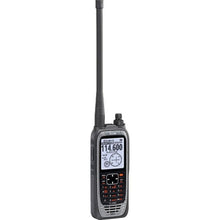 Fornecedor:Icom
Transceptor Nav/Com Icom IC-A25N: Rádio de aviação portátil com Bluetooth
Handheld nav/com pronto para IFR com orientação VOR, Bluetooth e GPS, emitindo 6 watts de potência de transmissão para comunicação clara em alcance estendido.
Preço normal $599.95Preço promocional $599.95 Preço normalPreço unitário por$1,049.40 -
 NovoFornecedor:uAvionix
uAvionix AV-30-E Experimental Display Digital Multifunções de 3 Polegadas UAX-90051-01
MFD experimental de 3 polegadas combinando atitude e navegação para aeronaves experimentais, substituindo medidores mecânicos e sistemas a vácuo antigos por layouts personalizáveis.
Preço normal $1,849.00Preço promocional $1,849.00 Preço normalPreço unitário por -
 NovoFornecedor:Garmin
Garmin D2 Air X15 Aviator Smartwatch - O smartwatch para o seu estilo de vida em ritmo acelerado
A 1.4 inch AMOLED touchscreen protected by scratch-resistant Gorilla Glass keeps aviation apps and health tracking sharp, a GPS watch for life on and off the ramp.
Preço normal $649.99Preço promocional $649.99 Preço normalPreço unitário por$649.99 -
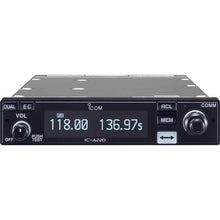 Fornecedor:Icom
Transceptor VHF de banda aérea Icom IC-A220 para montagem em painel com display OLED
Rádio VHF montado no painel para comunicações confiáveis na cabine, com um seletor rápido de canais que mantém os pilotos atentos e na frequência durante o uso intenso do rádio.
Preço normal $1,449.95Preço promocional $1,449.95 Preço normalPreço unitário por$2,530.00 -
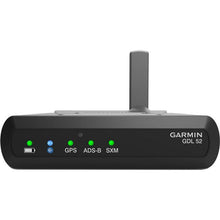 PromoçãoFornecedor:Garmin
Receptor SiriusXM AHRS ADS-B portátil Garmin GDL 52: receptor de aviação tudo-em-um
Receptor ADS-B portátil com informações meteorológicas SiriusXM e AHRS integrado, transformando qualquer EFB em um display completo de informações de cabine para tráfego, terreno e atitude de backup.
Preço normal $1,360.00Preço promocional $1,360.00 Preço normalPreço unitário por$1,425.00 -
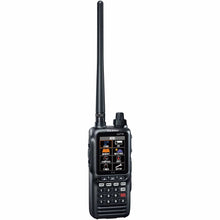 Fornecedor:Yaesu
Yaesu FTA-850AA - Transceptor portátil de banda aérea de 6 W (versão com bateria AA)
AA-battery nav/com handheld with Bluetooth, GPS and glide guidance, a 6-watt transceiver built for pilots who want reliable backup power away from the panel.
Preço normal $349.95Preço promocional $349.95 Preço normalPreço unitário por$550.00 -
 NovoFornecedor:uAvionix
Transponder uAvionix tailBeaconX TSO ADS-B Out com GPS WAAS UAX-90059-03
Um transponder ADS-B Out TSO e LED de cauda em uma atualização certificada, uma solução de 1090 MHz que tira o transponder do painel e o coloca na cauda.
Preço normal $2,499.00Preço promocional $2,499.00 Preço normalPreço unitário por -
 NovoFornecedor:Zoleo
Comunicador via Satélite ZOLEO (ZL1500) | Edição Limestone
Satellite SOS messenger with weather, IP68 waterproof housing and app texting, a flight bag-ready safety tool for GA pilots flying beyond cell coverage.
Preço normal $199.00Preço promocional $199.00 Preço normalPreço unitário por -
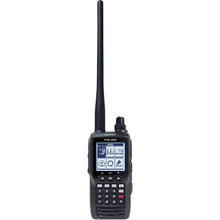 Fornecedor:Yaesu
Transceptor Yaesu FTA-450L Com Only: Rádio de aviação portátil
Backup com rádio de mão, 5 watts e IPX5, com alertas meteorológicos NOAA e 200 canais de memória para armazenar todas as frequências que você usa em voo.
Preço normal $245.95Preço promocional $245.95 Preço normalPreço unitário por$460.00 -
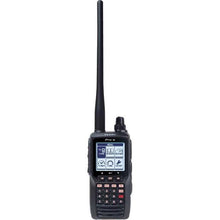 Fornecedor:Yaesu
Transceptor Yaesu FTA-550L Nav/Com: Rádio portátil de aviação
Handheld NAV/COM com orientação VOR e ILS mais alertas meteorológicos NOAA, apresentando um display brilhante de 1,7 por 1,7 polegadas e caixa resistente à água para o cockpit.
Preço normal $359.95Preço promocional $359.95 Preço normalPreço unitário por$580.00 -
 NovoFornecedor:Garmin
Relógio inteligente Garmin D2 Mach 2 Aviator: Titânio com pulseira de couro marrom Oxford (47 mm)
A durable titanium 47 mm case with a scratch-proof sapphire lens pairs classic leather-band style with GPS moving maps, giving pilots modern navigation in the cockpit.
Preço normal $1,349.99Preço promocional $1,349.99 Preço normalPreço unitário por$1,349.99 -
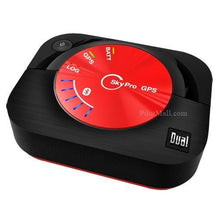 Fornecedor:Dual Electronics Corporation
Dual Electronics SkyPro XGPS160: Receptor GPS de aviação multidispositivo
Portable Bluetooth GPS feeding tablet position, 10-hour battery, pairing with up to five Bluetooth devices at once for modern multi-tablet cockpit setups.
Preço normal $169.99Preço promocional $169.99 Preço normalPreço unitário por -
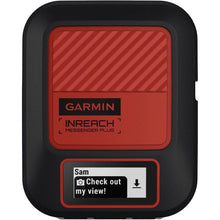 Fornecedor:Garmin
Garmin inReach Messenger Plus: Comunicador via satélite com SOS e rastreamento 010-02887-00
For off-grid flying, a satellite messenger with two-way texts and weather that links to a 24/7 emergency center and runs up to 600 hours in low-power mode.
Preço normal $499.99Preço promocional $499.99 Preço normalPreço unitário por -
 NovoFornecedor:Garmin
Comunicador Via Satélite Compacto Garmin inReach Mini 3 Plus SOS com Mensagens de Voz e Foto
Um robusto comunicador via satélite de SOS com 50 horas de bateria e vedação IP67, adicionando mensagens de foto e voz para que os pilotos permaneçam em contato muito além da cobertura de celular.
Preço normal $499.00Preço promocional $499.00 Preço normalPreço unitário por -
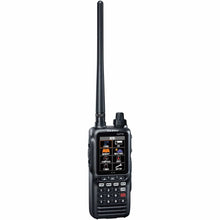 Fornecedor:Yaesu
Transceptor Yaesu FTA-850L Nav/Com: Rádio portátil de aviação com Bluetooth e GPS
Handheld top de linha com navegação/comunicação, Bluetooth, GPS e mapa colorido, o único handheld que combina conectividade sem fio com um visor colorido completo para navegação de backup.
Preço normal $519.95Preço promocional $519.95 Preço normalPreço unitário por$840.00 -
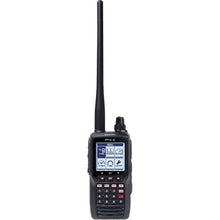 Fornecedor:Yaesu
Transceptor Yaesu FTA-550AA Nav/Com: Rádio de Aviação Portátil Versão com Pilha AA
Handheld nav/com com bateria AA, com VOR e ILS, classificação IPX5 e um grande display de matriz de pontos de 1,7 x 1,7 polegadas legível em qualquer iluminação de cockpit.
Preço normal $234.99Preço promocional $234.99 Preço normalPreço unitário por$380.00


Frequently Asked Questions
Preciso de licença para usar um rádio portátil de aviação?
Nos Estados Unidos, a FCC não exige mais uma licença de estação individual para usar um rádio VHF portátil na aviação doméstica. A Licença de Estação de Rádio de Aeronave da FCC e a Permissão Restrita de Operador de Radiotelefone só são exigidas quando você voa internacionalmente, então a maioria dos pilotos dos EUA pode operar um rádio portátil de backup em casa sem burocracia extra.
Qual a diferença entre um rádio portátil COM-only e um nav/com?
Um rádio portátil COM-only faz comunicação de voz bidirecional na banda aérea, que é tudo o que a maioria dos pilotos precisa de um rádio de backup. Um rádio portátil nav/com adiciona um receptor de navegação que capta radiais VOR e, em alguns modelos, orientação ILS ou localizer, oferecendo navegação básica e comunicação em uma única unidade.
Qual tipo de bateria é melhor para um rádio portátil de backup, íon-lítio ou AA?
Depende de como o rádio é usado. Uma bateria recarregável de íon-lítio é conveniente para um rádio com o qual você voa regularmente. Um compartimento de pilhas alcalinas AA é a melhor escolha para prontidão de emergência para um rádio que fica na bolsa de voo, porque as pilhas alcalinas novas mantêm a carga por anos e podem ser trocadas instantaneamente.
Qual a diferença entre um GPS portátil, um receptor ADS-B e um comunicador via satélite?
Um GPS portátil fornece a posição ao seu EFB (Electronic Flight Bag) de tablet. Um receptor ADS-B adiciona informações gratuitas de clima FIS-B e tráfego no espaço aéreo dos EUA, além da posição. Um comunicador via satélite, como o Garmin inReach, adiciona mensagens de texto bidirecionais e cobertura SOS fora da rede, muito além do alcance do rádio VHF.
Receptores ADS-B portáteis oferecem clima gratuito?
Sim, em resumo. Um receptor ADS-B portátil traz informações de clima e tráfego FIS-B sem assinatura para o seu EFB, com SiriusXM disponível como um complemento pago para qualquer altitude em unidades compatíveis. A comparação completa de dual-band, FIS-B e SiriusXM está em nossa página de receptores de clima ADS-B sem assinatura.
Preciso de um rádio portátil de aviação se minha aeronave já tiver um COM instalado no painel?
Sim, e muitos pilotos experientes consideram isso obrigatório. Um rádio portátil de aviação é seu backup se o COM do painel falhar, sua bateria acabar ou se você precisar se comunicar na rampa com o motor desligado. Também permite que os pilotos estudantes pratiquem o uso do rádio a qualquer momento. Saiba mais: Por que todo piloto precisa de um rádio portátil de aviação →
O que é um receptor ADS-B portátil e preciso de um?
Um receptor ADS-B In portátil como o Garmin GDL 50 capta transmissões gratuitas de clima e tráfego da FAA e as transmite via Bluetooth para um tablet com ForeFlight ou Garmin Pilot. Ao contrário dos aviônicos de painel, eles não exigem instalação. Se você voa com um aplicativo EFB e quer informações de clima em voo sem assinatura, eles são um excelente investimento. Leia o Guia Completo do Comprador de GPS e ADS-B Portátil →
Posso financiar um rádio portátil ou GPS portátil?
Sim. Você pode parcelar o custo de equipamentos como um Garmin GDL 52, Yaesu FTA-850L ou Icom IC-A25N em pagamentos menores no checkout com Shop Pay Installments ou Affirm, sujeito a elegibilidade. É uma maneira fácil de equipar sua bolsa de voo agora e pagar ao longo do tempo.
Qual o rádio portátil de aviação com melhor custo-benefício?
Para um backup de voz simples e robusto com o menor custo, um rádio portátil apenas para comunicação, como o Yaesu FTA-250L ou o Icom IC-A16B com Bluetooth, atende à maioria das necessidades dos pilotos. Opte por um modelo nav/com como o Icom IC-A25N ou o Yaesu FTA-850L se quiser navegação VOR e um mapa móvel na mesma unidade. Verifique os preços atuais na página de cada produto.
No questions match your search. Try another term or ask our team.
Precisa de ajuda para decidir?
Use nossos guias especializados de compra para encontrar o rádio portátil perfeito com confiança.
-

Melhores Rádios Portáteis de Aviação 2026 – Guia Definitivo para Transceptores VHF Airband
Nosso guia de 2026 compara os melhores rádios portáteis para pilotos, desde simples backups apenas COM a modelos avançados NAV/COM...Leitura estimada de 18 minProduct Information -

Os dois tipos de confiabilidade que todo piloto precisa
Todo piloto precisa de um rádio portátil confiável, mas "confiável" pode significar duas coisas diferentes. Será a robustez sólida e...Leitura estimada de 6 minProduct Information -

Por que todo piloto precisa de um rádio portátil para aviação
Um rádio de aviação portátil deve estar na bolsa de voo de todo piloto. Este guia aborda cenários do mundo...Leitura estimada de 13 minProduct Information -

Garmin GDL 50 vs GDL 52: Receptores ADS-B Portáteis Comparados
Está em dúvida entre os populares receptores portáteis ADS-B da Garmin? Nossa comparação detalhada analisa as principais diferenças entre o...Leitura estimada de 12 minADS-B -

Guia para compradores portáteis de GPS e ADS-B
O seu cockpit está aproveitando o ADS-B? Obter informações de trânsito em tempo real e informações meteorológicas atuais custava milhares...Leitura estimada de 7 minProduct Information -

Rádios Portáteis para Aviação: O Guia Completo do Comprador
Não tem certeza de qual rádio portátil de aviação é o ideal para o seu voo? Este guia detalha cada...Leitura estimada de 4 minProduct Information


