




-
 Fornecedor:Bose
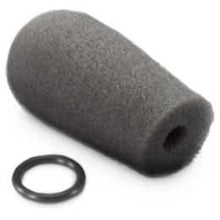
Substituição de para-brisas Bose Aviation X e A20 com microfone original
Protetor de espuma para microfone que corta o ruído do vento e da respiração na transmissão, uma substituição genuína que restaura a qualidade do áudio quando o original fica gasto ou sujo.
Preço normal $11.99Preço promocional $11.99 Preço normalPreço unitário por$20.00 -
 EsgotadoFornecedor:David Clark
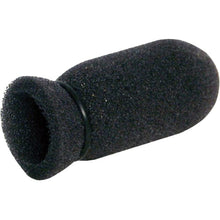
Pára-brisa David Clark M-7: Reduz o vento e o ruído ambiente da cabine 40062G-02
Espuma para microfone que amortece o vento e o ruído da cabine no microfone, uma peça de reposição genuína feita para encaixe exato e clareza de áudio confiável em comunicações de voo.
Preço normal $5.95Preço promocional $5.95 Preço normalPreço unitário por$4.90 -

Recém-saído do Hangar
As últimas novidades das principais marcas de aviação. -
 NovoFornecedor:David Clark
Protetor de Microfone Contra Vento David Clark M-1/DC 18434G-02
Slides securely over the amplified dynamic microphone common on classic headset models, keeping transmissions crisp and clear while shielding the mic element from wind.
Preço normal $5.95Preço promocional $5.95 Preço normalPreço unitário por -
 NovoFornecedor:Telex
Protetor de Vento de Microfone Telex Gray para Airman 7/8/8P/850 Series 800456019
Um para-brisas de espuma cinza de encaixe direto mantém as chamadas de rádio livres de ruídos de vento e respiração, mantendo o padrão profissional que os pilotos esperam de seus fones de ouvido.
Preço normal $4.95Preço promocional $4.95 Preço normalPreço unitário por$10.00


Frequently Asked Questions
O que é um para-vento de headset e para que serve?
Um para-vento de headset, também conhecido como protetor de microfone ou filtro anti-pop, é uma capa de espuma ou pele que se encaixa na ponta do seu microfone. Ele bloqueia o ruído do vento e da respiração de atingir o elemento do microfone, o que mantém suas transmissões de rádio claras, e protege o microfone da umidade e detritos para que dure mais.
Os para-ventos de headset realmente reduzem o ruído do vento nas transmissões de rádio?
Sim. Um para-vento quebra o ar em movimento e as plosivas da respiração que, de outra forma, atingiriam o microfone diretamente, para que sua modulação saia limpa em vez de distorcida. Protetores de espuma lidam com o fluxo de ar normal da cabine, enquanto capas de pele sobre espuma cortam ventos ainda mais fortes para voos com janelas ou portas abertas.
Como instalo um para-vento no microfone do meu headset de aviação?
A instalação é sem ferramentas. Deslize o protetor antigo do boom e, em seguida, empurre o novo para-vento sobre a ponta do microfone até que ele fique centralizado na frente do elemento. Deve encaixar-se confortavelmente sem amontoar. A troca completa leva segundos e não precisa de adesivo, fita ou ferramentas de qualquer tipo.
Os para-ventos de microfone de aviação são universais ou específicos para cada headset?
A maioria é específica para headset porque as pontas dos microfones diferem em tamanho e forma entre Bose, David Clark, Telex e outras marcas. Um protetor dimensionado para o microfone errado pode ficar solto ou abafar sua voz. Os para-ventos aqui são combinados com modelos de headset específicos, então escolha o listado para o seu microfone.
Com que frequência devo substituir o protetor de microfone do meu headset?
Substitua um para-vento quando estiver rasgado, comprimido, sujo ou não estiver mais centralizado no microfone, pois um protetor gasto deixa de bloquear o vento de forma eficaz. Muitos pilotos os trocam uma ou duas vezes por ano com uso regular. Ter um sobressalente em sua bolsa de voo significa que um protetor degradado nunca lhe custará uma chamada clara.
Um para-vento abafará minha voz ou reduzirá a clareza da transmissão?
Um para-vento corretamente ajustado não abafa sua voz. Ele é projetado para transmitir a fala enquanto filtra o ruído do vento e da respiração, de modo que as transmissões realmente soem mais limpas. O abafamento geralmente significa o protetor errado para o seu microfone ou uma capa gasta e compactada, ambos corrigidos com a colocação da substituição correta.
No questions match your search. Try another term or ask our team.
