




-
 NovoFornecedor:Garmin
Comunicador Via Satélite Compacto Garmin inReach Mini 3 Plus SOS com Mensagens de Voz e Foto
Um robusto comunicador via satélite de SOS com 50 horas de bateria e vedação IP67, adicionando mensagens de foto e voz para que os pilotos permaneçam em contato muito além da cobertura de celular.
Preço normal $499.00Preço promocional $499.00 Preço normalPreço unitário por -
 NovoFornecedor:Zoleo
Comunicador via Satélite ZOLEO (ZL1500) | Edição Limestone
Satellite SOS messenger with weather, IP68 waterproof housing and app texting, a flight bag-ready safety tool for GA pilots flying beyond cell coverage.
Preço normal $199.00Preço promocional $199.00 Preço normalPreço unitário por -

Recém-saído do Hangar
As últimas novidades das principais marcas de aviação. -
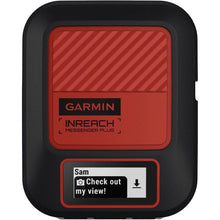 Fornecedor:Garmin
Garmin inReach Messenger Plus: Comunicador via satélite com SOS e rastreamento 010-02887-00
For off-grid flying, a satellite messenger with two-way texts and weather that links to a 24/7 emergency center and runs up to 600 hours in low-power mode.
Preço normal $499.99Preço promocional $499.99 Preço normalPreço unitário por


Frequently Asked Questions
Qual é a diferença entre um PLB e um comunicador via satélite?
Um PLB (Personal Locator Beacon, ou "Rádio Sinalizador de Localização Pessoal") é um dispositivo de socorro unidirecional que envia sua posição GPS para busca e resgate pela rede COSPAS-SARSAT de 406 MHz sem necessidade de assinatura. Um comunicador via satélite faz isso, além de enviar mensagens de texto bidirecionais, informações sobre o clima e rastreamento em um plano pago, portanto, ele lida tanto com emergências quanto com contato rotineiro.
Os PLBs (Localizadores Pessoais) exigem assinatura?
Não, um localizador pessoal de 406 MHz (PLB) verdadeiro não precisa de assinatura ou taxa mensal, pois transmite para a rede de satélites governamentais COSPAS-SARSAT gratuita. Os comunicadores via satélite são diferentes: eles exigem um plano de assinatura ativo para enviar mensagens, solicitar informações sobre o clima e usar o rastreamento em tempo real, embora sua função SOS ainda alcance um centro de resposta.
Você precisa registrar um PLB?
Sim. Nos Estados Unidos, você deve registrar um PLB de 406 MHz gratuitamente no NOAA, que atribui um número de identificação exclusivo vinculado às suas informações de contato e emergência. O registro ajuda os socorristas a responder mais rapidamente e verificar os alertas. Os comunicadores via satélite são registrados com o fabricante do dispositivo quando você ativa seu plano de serviço.
Um PLB funciona sem serviço de celular?
Sim. Tanto os PLBs quanto os comunicadores via satélite são construídos especificamente para funcionar onde não há cobertura de celular. Eles transmitem através de redes de satélite em vez de torres de celular, então funcionam em terrenos remotos, montanhas e águas abertas. Essa independência da infraestrutura terrestre é exatamente o motivo pelo qual os pilotos os carregam em voos em áreas remotas e sobre a água.
Quanto tempo dura a bateria de um PLB?
Um localizador pessoal de 406 MHz (PLB) é exigido para transmitir continuamente por um mínimo de 24 horas após a ativação, e sua bateria não recarregável normalmente tem uma vida útil de armazenamento de vários anos antes da substituição. Os comunicadores via satélite usam baterias recarregáveis com classificação em dias de uso normal, então carregue o seu antes de cada voo remoto.
Vale a pena um comunicador via satélite para pilotos?
Para pilotos que voam sobre terrenos ou águas remotas onde o sinal de celular não chega, sim. Um comunicador via satélite oferece alerta SOS, além de mensagens bidirecionais, informações sobre o clima e rastreamento para que a família e as operações de voo possam acompanhar seu progresso. Ele transforma um único botão de emergência em uma ferramenta diária de segurança e comunicação que você realmente usará.
No questions match your search. Try another term or ask our team.
