




Shop Our Top Brands
A pilot's headset is a critical piece of gear. We only stock the brands we'd trust in our own cockpit. Find the industry leaders you know, like Bose, David Clark, and Lightspeed, or explore our other top-rated brands.


-
 Vendor:PilotMall.com
Lightspeed Zulu 4 Premium ANR Aviation Headset
Regular price $1,099.00Sale price $1,099.00 Regular priceUnit price per -
 Vendor:Bose
Bose A30 ANR Aviation Headset Dual Plug, Battery Powered with Bluetooth 857641-3120
Regular price $1,299.00Sale price $1,299.00 Regular priceUnit price per -
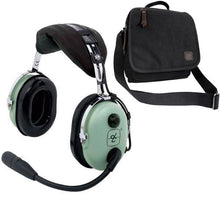 SaleVendor:David Clark
David Clark H10-13S Stereo Aviation Headset & Bag Combo 40422G-01
Regular price $399.95Sale price $399.95 Regular priceUnit price per$459.79 -
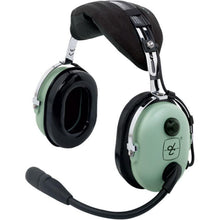 SaleVendor:David Clark
David Clark H10-13.4 Mono Aviation Headset 40411G-01
Regular price $369.95Sale price $369.95 Regular priceUnit price per$415.55 -
 Vendor:Bose
Bose A30 ANR Aviation Headset LEMO 6 Pin Aircraft Power with Bluetooth 857641-3140
Regular price $1,299.00Sale price $1,299.00 Regular priceUnit price per -
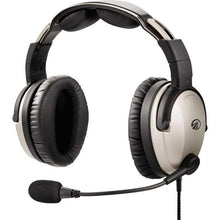 Vendor:Lightspeed
Lightspeed Zulu 3 Premium ANR Bluetooth Aviation Headset
Regular price $949.00Sale price $949.00 Regular priceUnit price per -
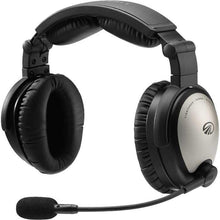 Vendor:Lightspeed
Lightspeed Sierra ANR Bluetooth Aviation Headset
Regular price $749.00Sale price $749.00 Regular priceUnit price per -
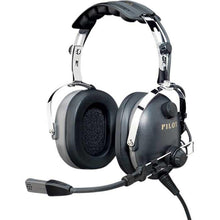 SaleVendor:Pilot USA
Pilot USA PA-1169T Passive Aviation Headset
Regular price $151.00Sale price $151.00 Regular priceUnit price per$161.00 -
 Vendor:Bose
Bose ProFlight Series 2 ANR Aviation Headset Dual Plug, Battery Powered with Bluetooth 789812-5020
Regular price $1,099.00Sale price $1,099.00 Regular priceUnit price per -
 Vendor:Bose
Bose A30 ANR Aviation Headset U174 Helicopter Battery Power with Bluetooth 857641-3130
Regular price $1,299.00Sale price $1,299.00 Regular priceUnit price per -
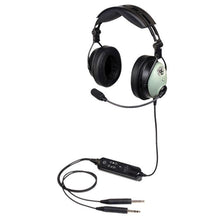 Vendor:David Clark
David Clark One-X Bluetooth ANR Aviation Headset 41307G-01
Regular price $1,020.00Sale price $1,020.00 Regular priceUnit price per$1,020.00 -
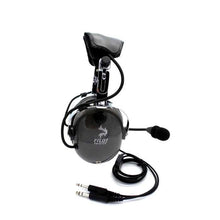 SaleVendor:Pilot USA
Pilot USA PA-1171T Passive Aviation Headset
Regular price $180.00Sale price $180.00 Regular priceUnit price per$190.00 -
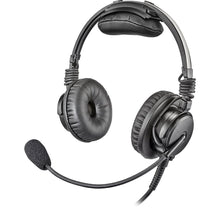 SaleVendor:Telex
Telex Airman 8+ Battery-Free ANR Aviation Headset
Regular price $595.00Sale price $595.00 Regular priceUnit price per$735.00 -
NewVendor:Lightspeed
Lightspeed Zulu 4 ANR Headset - Battery Powered (Dual GA Plugs)
Regular price $1,099.00Sale price $1,099.00 Regular priceUnit price per -
 Vendor:Bose
Bose ProFlight Series 2 ANR Aviation Headset 5 Pin XLR Flex Power with Bluetooth 789812-5070
Regular price $1,099.00Sale price $1,099.00 Regular priceUnit price per -
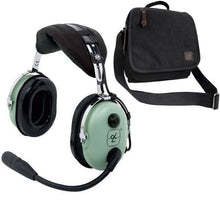 SaleVendor:David Clark
David Clark H10-13 Series Aviation Headset (Mono & Stereo)
Regular price From $369.95Sale price From $369.95 Regular priceUnit price per$415.55 -
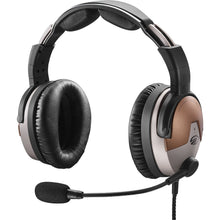 Vendor:Lightspeed
Lightspeed Delta Zulu Ultimate ANR Bluetooth Aviation Headset with Safety Features
Regular price $1,299.00Sale price $1,299.00 Regular priceUnit price per -
 NewVendor:Lightspeed
Lightspeed Zulu 4 ANR Headset - Helicopter (U-174 Plug)
Regular price $1,099.00Sale price $1,099.00 Regular priceUnit price per -
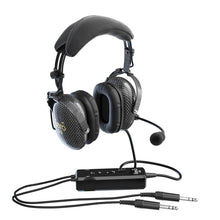 SaleVendor:Faro
Faro G3 ANR Carbon Fiber Aviation Headset - Lightweight Comfort RFAR303-CF
Regular price $679.99Sale price $679.99 Regular priceUnit price per$689.95 -
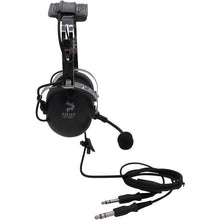 SaleVendor:Pilot USA
Pilot USA PA-1161 Passive Aviation Headset
Regular price $134.00Sale price $134.00 Regular priceUnit price per$144.00 -
SaleVendor:David Clark
David Clark H10-13.4 Mono Aviation Headset & Bag Combo 40411G-01
Regular price $389.95Sale price $389.95 Regular priceUnit price per$452.54 -
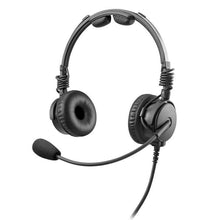 SaleVendor:Telex
Telex Airman 8 XLR Lightweight ANR Airbus Pro Pilot Headset
Regular price $509.99Sale price $509.99 Regular priceUnit price per$690.00 -
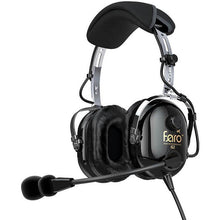 SaleVendor:Faro
Faro G2 ANR Aviation Headset: Ultimate Noise Cancelling Comfort RFAR300-BLK
Regular price $389.95Sale price $389.95 Regular priceUnit price per$419.99 -
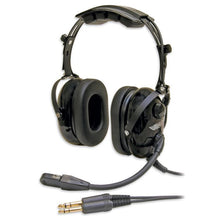 SaleVendor:ASA
ASA AirClassics HS-1A Passive Aviation Headset - Crystal-Clear Comms & Comfort
Regular price $149.99Sale price $149.99 Regular priceUnit price per$199.95


| Product: | Bose A30 ANR Aviation Headset Dual Plug, Battery Powered with Bluetooth 857641-3120 | Lightspeed Zulu 4 ANR Headset - Battery Powered (Dual GA Plugs) | Lightspeed Zulu 3 Premium ANR Bluetooth Aviation Headset |
|---|---|---|---|
| Product summary | Bose A30 ANR Aviation Headset Dual Plug, Battery Powered with Bluetooth 857641-3120
Regular price
$1,299.00
Sale price
$1,299.00
Regular price
Unit price
per
| Lightspeed Zulu 4 ANR Headset - Battery Powered (Dual GA Plugs)
Regular price
$1,099.00
Sale price
$1,099.00
Regular price
Unit price
per
| Lightspeed Zulu 3 Premium ANR Bluetooth Aviation Headset
Regular price
$949.00
Sale price
$949.00
Regular price
Unit price
per
|
| Available in |
Version:
|
Version:
| - |
| Headset Active Noise Reduction | |||
| Headset Auto Shutoff | |||
| Headset Aux Audio In | |||
| Headset Battery Life | |||
| Headset Battery Type | |||
| Headset Weight | |||
| Headset Bluetooth | |||
| Headset TSO | |||
| Headset Warranty | |||
| Price | Regular price
$1,299.00
Sale price
$1,299.00
Regular price
Unit price
per
| Regular price
$1,099.00
Sale price
$1,099.00
Regular price
Unit price
per
| Regular price
$949.00
Sale price
$949.00
Regular price
Unit price
per
|
| Buttons |


Bose A30 Aviation Headset with Bluetooth
All-Day Comfort & Ergonomic Design
Industry-Leading Noise Reduction
Precision Audio & Bluetooth Connectivity
Durability & Reliability
What should I look for when choosing an aviation headset?
What's the difference between passive and active noise reduction?
How much should I expect to spend on a good headset?
What is a noise reduction rating (NRR) and why does it matter?
Which headsets are best for long flights/comfort?
What plug types do I need for my airplane?
How do I care for and maintain my headset?
Aviation headsets: how pilots cut noise, protect hearing, and hear every call
An aviation headset combines hearing protection with a clear two-way link to the radio and intercom, so you can fly for hours without the fatigue of raw engine and wind noise and never miss a clearance. The first decision is how the headset kills noise: an active noise reduction (ANR) model electronically cancels low-frequency engine drone, while a passive model blocks sound with clamping force and sealed ear cups alone. Pilot Mall is an authorized dealer for Bose, David Clark, and Lightspeed, and we stock value brands such as ASA, Faro, Telex, and Pilot USA as well, so you can match the headset to how you fly and what you fly.
Compare popular aviation headsets at a glance
| Headset | Noise reduction | Best for | Power and features |
|---|---|---|---|
| Bose A30 | ANR (around-ear) | Best overall, piston and turbine GA | Battery, Bluetooth, three ANR modes |
| Lightspeed Delta Zulu | ANR (around-ear) | Pilots who want safety features | Battery, Bluetooth, CO alert, HearingEQ |
| Lightspeed Zulu 3 | ANR (around-ear) | Frequent flyers stepping up to premium | Battery, Bluetooth, durable build |
| David Clark H10-13.4 | Passive | Trainers and budget-minded buyers | No batteries, proven workhorse |
| ASA AirClassics HS-1A | Passive | Student pilots and rental aircraft | No batteries, value entry point |
| Bose ProFlight Series 2 | ANR (in-ear) | Jet and corporate crews in quieter cockpits | Battery, Bluetooth, ultralight |
Click any product for current pricing.
Types of aviation headsets
ANR (active noise reduction) headsets
An ANR headset uses a microphone and battery-powered circuitry to generate an inverse sound wave that cancels the low-frequency engine drone passive ear cups struggle to block. The result is a quieter cabin at lower volume, less fatigue on long legs, and headroom to add Bluetooth. The Bose A30 and Lightspeed Zulu 3 are leading examples for piston and turboprop pilots.
Passive headsets
A passive headset blocks noise mechanically, using clamping force and sealed, foam-filled ear cups with no electronics to power. There are no batteries to manage and nothing to fail, which makes passive models a dependable, lower-cost entry point. The David Clark H10-13.4 and ASA AirClassics HS-1A are popular passive choices.
In-ear and helicopter headsets
In-ear models like the Bose ProFlight Series 2 trade large ear cups for tiny earbuds, an ideal match for the quieter pressurized cockpits of jets and corporate turbines. Helicopter pilots need a U-174 plug, so a dedicated model such as the Pilot USA PA-1771TH ANR helicopter headset connects to the intercom without an adapter.
Top aviation headset brands at Pilot Mall
Bose
Bose set the benchmark for active noise reduction in the cockpit and keeps a focused lineup: the around-ear A30 for general aviation and the ultralight in-ear ProFlight Series 2 for quieter flight decks. Compare every model on our Bose aviation headsets page.
Lightspeed
Lightspeed pairs premium ANR with strong value, and the Delta Zulu adds genuinely useful safety features, including a built-in carbon monoxide alert and a HearingEQ profile you can tune to your own ears. The lighter Sierra rounds out the range. See the full Lightspeed headsets collection.
David Clark
David Clark headsets are known for rugged durability and serviceability, which is why the passive H10-13.4 has been a longtime flight school favorite. The lineup spans passive classics like the H10-30 to the Bluetooth ANR One-X. Browse the full David Clark lineup.
Value and specialty brands
Beyond the big three, the carbon-fiber Faro G3 ANR and the ultralight Telex Airman 8 deliver active noise reduction at an approachable level, while the ASA AirClassics HS-1A remains a dependable passive starter.
How to choose the right aviation headset
- Pick ANR or passive first. Choose an ANR headset for the quietest cabin and least fatigue on long flights, or a passive headset if you want a simpler, lower-cost set with no batteries.
- Match it to your mission and tier. Good: a passive model for occasional local flying. Better: a mid-range ANR for regular cross-countries. Best: a premium ANR like the Bose A30 if you fly often and want top comfort and quiet.
- Confirm your plug type. Most piston aircraft use dual GA (PJ) plugs, panel-powered aircraft use a LEMO 6-pin, some Airbus and corporate panels use a 5-pin XLR, and helicopters use a U-174. Check your aircraft's jacks before ordering.
- Decide whether you need Bluetooth. Bluetooth lets you take calls and stream EFB or GPS audio, ATIS, and alerts. It requires power, so only powered ANR models offer it. Passive headsets cannot.
- Weigh comfort and weight. Clamping force, gel versus foam ear seals, and a padded headband matter most on long days. In-ear models are the lightest option for quieter cockpits.
- Plan to maintain it. Fresh ear seals and mic muffs keep any headset sealing, sounding, and looking right. Find them in headset accessories.
Want a step-by-step walkthrough of ANR versus passive, connector types, and Bluetooth before you buy? Read our Aviation Headset Buyer's Guide, or call our crew of pilots for a recommendation matched to what you fly.
Why buy from Pilot Mall
- Aviation-only focus: we sell pilot gear and nothing else, so our team knows headsets, plug types, and panels.
- Trusted by pilots for more than 25 years for headsets and cockpit equipment.
- Authorized dealer for Bose, David Clark, and Lightspeed: genuine product covered by a full manufacturer's warranty (terms vary by brand).
- Free U.S. shipping over $100.
- Expert guidance from a team that flies, before and after your purchase.
Frequently Asked Questions
What is the difference between ANR and passive aviation headsets?
A passive headset blocks noise mechanically with clamping force and sealed ear cups. An ANR (active noise reduction) headset adds battery-powered circuitry that generates an inverse sound wave to cancel low-frequency engine drone, giving a noticeably quieter cabin at lower volume and less fatigue on long flights.
Do I need an ANR headset, or is passive good enough?
Passive is good enough for occasional local flying or a tight budget. If you fly regularly, fly long cross-countries, or fly louder piston aircraft, ANR is worth it for the quieter cabin, reduced fatigue, and clearer radio. Many pilots start passive and upgrade to ANR later.
What is the best aviation headset for a student pilot?
Many student pilots start with a dependable passive headset such as the ASA AirClassics HS-1A or David Clark H10-13.4 to keep early training costs down, then upgrade to an ANR model once they begin longer cross-country flying. Either path is common and well supported.
How do I know which plug type my aircraft uses?
Most piston aircraft use dual GA (PJ) plugs, a pair of standard quarter-inch and smaller plugs. Panel-powered aircraft use a single LEMO 6-pin connector, some Airbus and corporate panels use a 5-pin XLR, and helicopters use a U-174 plug. Check your aircraft's headset jacks before ordering.
Can I use one headset in different airplanes and helicopters?
A dual GA plug headset works across most piston airplanes. Helicopters use a different U-174 plug, so a fixed-wing headset will not fit without a model or plug change. Pick the connector that matches the aircraft you fly most, or choose a helicopter-specific model for rotorcraft.
Do aviation headsets need Bluetooth?
Bluetooth is optional but useful. It lets you take phone calls and stream audio from an EFB, GPS, or aural alerts directly into the headset. Because it draws power, only active ANR models can offer Bluetooth. Passive headsets have no electronics, so they cannot include it.
Need Help Deciding?
Use our expert buyer's guides to find the perfect headset with confidence.
-

Aviation Headset Buyer's Guide 2026: How to Choose, What to Look For, and How to Make It Last
Not sure which aviation headset to buy? This guide covers everything pilots need to know before spending a dollar —...15 min read -

Bose A30 Aviation Headset: What It Is, What It Does, and Is It Worth the Upgrade?
The Bose A30 is the most advanced general aviation headset Bose has ever built. This guide covers every feature, every...8 min read -

Best Aviation Headsets in 2026: ANR, Passive & Bluetooth Picks for Every Pilot
Not all aviation headsets are created equal. We reviewed and compared the top ANR and passive picks for 2026 across...13 min read


