




David Clark H10-13.4 Mono Aviation Headset & Bag Combo 40411G-01
23 dB student-standard passive noise reduction with a double-foam headpad for comfort, bundled with a padded carry bag for the flight school ramp and trainer fleet.
37212
Benefits
Benefits
Shipping & Delivery
Shipping & Delivery
Returns
Returns
The David Clark H10-13.4 Mono Aviation Headset is a premium communication device offering superior comfort, clarity, and durability for aviation professionals.
Unmatched Comfort and Noise Reduction
Experience exceptional comfort with the David Clark H10-13.4, featuring a double-foam headpad and undercut gel ear seals. These features ensure comfort during long flights, addressing a primary concern for pilots. The professional noise-cancelling microphone provides clear communication by eliminating unwanted background noise. With a noise reduction rating of 23 decibels, this headset protects hearing in high-noise cockpit environments.
Proven Performance and Lightweight Design
Renowned for its reliability, the H10-13.4 is a top choice among private pilots, flight schools, and commercial operations. Weighing just 16.5 ounces without cables, it offers comfort during extended flights without compromising durability. Whether you're a student pilot or a seasoned aviator, this headset ensures professional-grade performance.
Complete Package and Industry Trust
This aviation headset comes with a protective bag, safeguarding your investment during transport and storage. David Clark's legendary 5-year warranty reflects their confidence in craftsmanship. Since 1975, David Clark has set the industry standard with their iconic design and commitment to pilot safety and communication clarity.
Enjoy the unmatched comfort and clarity of the David Clark H10-13.4, backed by legendary reliability and a 5-year warranty, complete with a protective headset bag. Upgrade your flight experience today!
Headset Specifications
| Active Noise Reduction (ANR) | No |
|---|---|
| Bluetooth | No |
| TSO Certified | Yes |
| Weight | 16.5 Ounces |
| Battery Type | N/A |
| Battery Life | N/A |
| Warranty | 5 Years |
| Auto Shut-off | N/a |
| Aux Audio Input | No |
Frequently Asked Questions
Is the David Clark H10-13.4 a passive headset or does it have active noise reduction (ANR)?
The H10-13.4 is a passive headset. It uses physical noise attenuation rather than active noise reduction, delivering a noise reduction rating of 23 decibels to protect your hearing in loud cockpits. Because it is passive, it needs no batteries and never powers down mid-flight, which is one reason it stays popular for training and everyday general aviation flying.
Does the H10-13.4 have Bluetooth or an audio input for music or a phone?
No. This H10-13.4 is a focused communication headset without built-in Bluetooth and without an auxiliary audio input, so it does not stream music or phone audio on its own. Its job is clear two-way radio communication using the noise-canceling M-7A microphone. If you want wireless audio, look at a model designed with Bluetooth rather than this passive headset.
What is the difference between the H10-13.4 mono and the H10-13S stereo, and which do I need?
This combo is the mono H10-13.4, which sends the same audio to both ear cups and suits aircraft with a mono audio panel. The H10-13S stereo version adds stereo capability for panels wired for stereo. If you are unsure, mono works in most general aviation trainers. Match the headset to how your aircraft audio panel is configured.
Does the H10-13.4 come with a carry bag, and what else is included?
Yes. This is the Bag Combo, so it ships with a protective David Clark headset bag to safeguard the headset during transport and storage. The headset itself features a double-foam headpad, undercut gel ear seals, and the noise-canceling M-7A microphone. Buying the combo means you get the storage bag together with the headset rather than purchasing it separately.
How heavy is the H10-13.4 and is it comfortable for long flights or with glasses?
It weighs about 16.5 ounces without the cord assembly, making it one of David Clark's lighter passive headsets. The double-foam headpad and soft undercut gel ear seals spread pressure to reduce hot spots during extended flights, and the gel seals help many pilots wear it comfortably over eyeglass temples. Comfort over long sessions is a primary reason pilots choose this model.
Which microphone does the H10-13.4 use, and how does it reduce background noise?
It uses David Clark's noise-canceling M-7A microphone on a flexible boom. The noise-canceling design picks up your voice while rejecting much of the surrounding cockpit roar, helping your transmissions come through clearly to controllers and other crew. Position the microphone close to your lips for the best results, since proper placement is key to clear two-way radio communication.
What kind of plugs does the H10-13.4 come with, and will it fit my general aviation aircraft?
The mono H10-13.4 uses the twin general aviation plugs found in most fixed-wing piston aircraft, connecting to the separate headphone and microphone jacks in typical trainers and personal planes. Confirm your panel uses standard dual general aviation jacks before flying. If your aircraft has different jacks, you may need an adapter or a differently configured version.
Can I use the H10-13.4 in a helicopter?
This is the fixed-wing version with twin general aviation plugs, which do not match the single-plug jacks most helicopters use. Helicopters typically require a different connector, so this model is not a direct fit for rotorcraft. Pilots needing a helicopter headset should choose a version built with the appropriate single-plug connector instead of this dual-plug fixed-wing setup.
Is the David Clark H10-13.4 TSO certified?
Yes. The H10-13.4 is TSO certified, meeting the FAA technical standard for aviation headsets and microphones. That certification reflects the testing David Clark puts behind its communication gear. For pilots who want headset and microphone performance that meets a recognized aviation standard, this model carries that approval as part of its longstanding reputation in general aviation.
Are the ear seals and other soft parts on the H10-13.4 replaceable?
Yes. The H10-13.4 is designed so wear items like the gel ear seals, head pad, and microphone parts can be refreshed over time. Replacing these soft goods helps restore comfort and a good seal after years of use, which is a big reason these headsets stay in service so long. Replacement soft parts are generally available separately when yours wear out.
How long is the warranty and is the H10-13.4 a good choice for student pilots?
It is backed by David Clark's 5-year warranty, reflecting the brand's confidence in its build quality. The H10-13.4 is a longtime favorite at flight schools because it is durable, lightweight, and comfortable for long cross-country flights. For a student pilot wanting proven, rugged passive performance from a company that has set the industry standard since 1975, it is a dependable first headset.
-
 Vendor:Bose
Bose A30 ANR Aviation Headset Dual Plug, Battery Powered with Bluetooth 857641-3120
Piston-cockpit ANR with Bluetooth, dual GA plugs and three ANR modes, giving single and twin pilots flexible noise control and hands-free calls or music in flight.
Regular price $1,299.00Sale price $1,299.00 Regular priceUnit price per -
 Vendor:David Clark
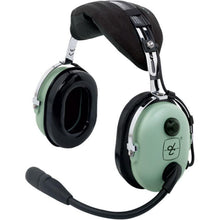
David Clark H10-13.4 Mono Aviation Headset 40411G-01
23 dB passive noise reduction in a rugged, rebuildable build, the proven flight-school first headset that survives years of trainer and club use.
Regular price $369.95Sale price $369.95 Regular priceUnit price per$415.55 -
 Vendor:Lightspeed
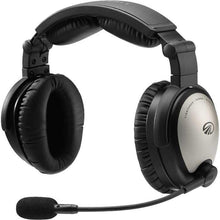
Lightspeed Sierra ANR Bluetooth Aviation Headset
ANR with Bluetooth for everyday GA flying, cutting music volume 80% the instant a radio call arrives so you never miss a clearance, on two AA batteries.
Regular price $749.00Sale price $749.00 Regular priceUnit price per -
 Vendor:David Clark
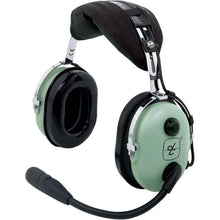
David Clark H10-13S Stereo Aviation Headset 40422G-01
23 dB passive stereo for music and intercom through an audio panel, in a lightweight 17 ounce build that stays comfortable through long training flights.
Regular price $379.95Sale price $379.95 Regular priceUnit price per$422.80 -
 Vendor:Bose
Bose A30 ANR Aviation Headset LEMO 6 Pin Aircraft Power with Bluetooth 857641-3140
Panel-powered ANR with Bluetooth via LEMO 6-pin, no batteries needed, so pilots get all-day quiet and wireless audio without the weight or hassle of battery packs.
Regular price $1,299.00Sale price $1,299.00 Regular priceUnit price per -
 NewVendor:Lightspeed
Lightspeed Zulu 4 ANR Headset - Battery Powered (Dual GA Plugs)
Bluetooth ANR built for the piston cockpit, with standard dual GA plugs that make it the easy default for renters, students, and pilots who fly a variety of aircraft.
Regular price $1,099.00Sale price $1,099.00 Regular priceUnit price per -
 Vendor:Bose
Bose A30 ANR Aviation Headset U174 Helicopter Battery Power with Bluetooth 857641-3130
Helicopter ANR with Bluetooth, a U-174 plug and three selectable ANR modes, letting rotor pilots dial in noise reduction and stay connected on every mission.
Regular price $1,299.00Sale price $1,299.00 Regular priceUnit price per -
 Vendor:David Clark
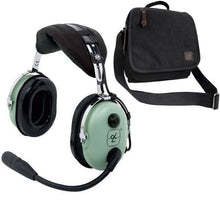
David Clark H10-13 Series Aviation Headset (Mono & Stereo)
23 dB of passive noise attenuation in a rugged workhorse build, available in mono or stereo, the long-standing comfort choice for flight schools and everyday GA flying.
Regular price From $369.95Sale price From $369.95 Regular priceUnit price per$415.55 -
 Vendor:Bose
Bose ProFlight Series 2 ANR Aviation Headset 5 Pin XLR Flex Power with Bluetooth 789812-5070
Airbus-deck in-ear ANR at 4.5 oz with Bluetooth and 5-pin XLR, giving airline crews quiet, lightweight comfort that stows easily between long duty days.
Regular price $1,099.00Sale price $1,099.00 Regular priceUnit price per -
 Vendor:Bose
Bose ProFlight Series 2 ANR Aviation Headset Dual Plug, Battery Powered with Bluetooth 789812-5020
Turbine-cockpit in-ear ANR at 4.5 oz with Bluetooth and dual GA plugs, built for jet and turboprop crews who want all-day comfort with minimal head-clamping bulk.
Regular price $1,099.00Sale price $1,099.00 Regular priceUnit price per


