




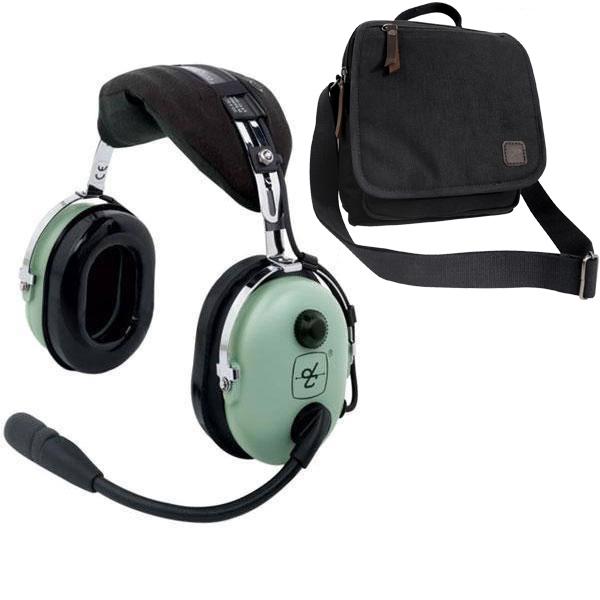
David Clark H10-13S Stereo Aviation Headset & Bag Combo 40422G-01
23 dB passive stereo noise reduction in a lightweight build for long flights, music-ready in the panel and bundled with a padded carry bag for everyday trips.
Same-day shipping when ordered by 3 PM ET, Mon to Fri.
30-day returns on this item. Return policy
Earn $7.99 in Captain's Club Dividend. How it works
37213
Benefits
Benefits
Shipping & Delivery
Shipping & Delivery
Returns
Returns
The David Clark H10-13S stereo aviation headset offers superior noise reduction and audio clarity, making it a top choice for professional pilots.
Unmatched Comfort and Performance: This headset combines a 23 dB Noise Reduction Rating with a lightweight design, ensuring comfort during long flights.
The H10-13S is the answer to the question, "What is the most comfortable aviation headset for long flights?" Its ultra-soft gel ear seals and double-foam head pad eliminate pressure points, enhancing comfort. The high-sensitivity M-7A microphone ensures clear transmissions, even in noisy environments. Stereo audio capability enhances sound quality, reducing pilot fatigue and improving situational awareness.
Durability and Versatility in Flight
Despite its lightweight design, the H10-13S is built to withstand rigorous daily flight operations. David Clark engineering ensures durability without compromising comfort. Pilots choose this model for its balance of noise reduction, audio clarity, and wearability. The included protective bag keeps your investment safe between flights, making it ideal for serious aviators seeking performance and value.
Experience unmatched comfort, superior stereo clarity, and powerful noise reduction with the legendary David Clark H10-13S headset & bag combo. Elevate your flight experience, order yours today!
Headset Specifications
| Active Noise Reduction (ANR) | No |
|---|---|
| Bluetooth | No |
| TSO Certified | Yes |
| Weight | 17 Ounces |
| Battery Type | N/A |
| Battery Life | N/A |
| Warranty | 5 Years |
| Auto Shut-off | N/a |
| Aux Audio Input | No |


Frequently Asked Questions
Is the David Clark H10-13S a passive headset or does it have active noise reduction (ANR)?
The H10-13S is a passive aviation headset. It relies on a 23 dB Noise Reduction Rating, gel-filled ear seals, and a double-foam head pad to attenuate cockpit noise rather than electronic active noise reduction. It has no ANR circuitry, no Bluetooth, and no auxiliary audio input, which keeps it simple, reliable, and free of batteries.
What is the Noise Reduction Rating of the H10-13S?
The H10-13S carries a 23 dB Noise Reduction Rating. It achieves that attenuation passively through gel-filled ear seals and a double-foam head pad rather than electronic circuitry. That rating helps tame piston engine and cockpit noise so radio communication stays clear, while the comfortable seals let you wear the headset through long lessons and cross-country flights.
Does the H10-13S have stereo audio and dual volume controls, and how does it compare to the mono version?
The H10-13S is the stereo model in the H10 family, so it offers stereo audio capability with dual independent volume controls that let you balance the level in each ear cup. The stereo benefit is most noticeable when you connect to a stereo source. For standard radio communication it carries the same 23 dB noise reduction as the mono version.
Does the H10-13S have Bluetooth, an auxiliary audio input, or require batteries?
No. The H10-13S has no Bluetooth, no auxiliary audio input, and no active noise reduction circuitry, so it needs no batteries and no panel power. It is a purely passive design, which keeps it lightweight, simple, and dependable. You plug it in and fly, with nothing to charge and no electronics that can fail in flight.
What kind of microphone does the H10-13S have?
The H10-13S uses David Clark's high-sensitivity M-7A microphone, designed to keep your transmissions clear even in loud piston cockpits. The microphone is paired with the headset's passive noise attenuation and comfortable gel-filled ear seals so you can communicate confidently on the radio and intercom throughout training flights and longer cross-country trips.
How much does the H10-13S weigh?
The H10-13S is one of David Clark's lightest passive headsets, weighing about 17 ounces. That low weight, combined with the gel-filled ear seals and the soft double-foam head pad, helps reduce pressure points and clamping fatigue so the headset stays comfortable through long lessons and cross-country flights. Light weight also makes it easy to pack between flights.
What does the H10-13S headset and bag combo include?
This is the David Clark H10-13S headset and bag combo, so it ships with the H10-13S stereo headset plus a protective bag to keep it safe between flights. The headset comes outfitted with its gel-filled ear seals, high-sensitivity M-7A microphone, and double-foam head pad, ready to use right out of the box.
What should I check for aircraft and radio compatibility?
Connector and radio compatibility can vary by aircraft and avionics, so always confirm the plug type your panel or handheld radio requires before your flight. If your setup uses a different connector than the headset provides, an appropriate adapter can be used. When in doubt, check with your installer or the radio manufacturer to verify a correct match.
Is the H10-13S a good choice for student pilots?
Yes. It is one of David Clark's most trusted passive headsets and a long-standing favorite for training, thanks to proven durability, clear communication through the high-sensitivity M-7A microphone, and all-day comfort. The gel-filled ear seals and lightweight design suit long lessons, and the dual volume controls make balancing audio in each ear easy.
Is the H10-13S TSO approved, and what warranty does it carry?
Yes, the H10-13S is TSO approved, meeting an FAA technical standard order for aviation headsets. It is also backed by David Clark's five-year warranty, reflecting the brand's reputation for building rugged, dependable headsets that hold up to daily flight operations. No batteries are required because it uses a passive design.
-
 Best sellerVendor:Bose
Bose A30 ANR Aviation Headset Dual Plug, Battery Powered with Bluetooth 857641-3120
Piston-cockpit ANR with Bluetooth, dual GA plugs and three ANR modes, giving single and twin pilots flexible noise control and hands-free calls or music in flight.
ANR · Bluetooth · 14.2 oz · 45 hr battery
Regular price $1,299.00Sale price $1,299.00 Regular priceUnit price per -
 Vendor:Lightspeed
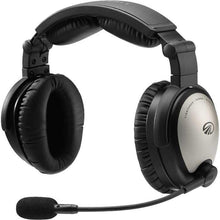
Lightspeed Sierra ANR Bluetooth Aviation Headset
ANR with Bluetooth for everyday GA flying, cutting music volume 80% the instant a radio call arrives so you never miss a clearance, on two AA batteries.
ANR · Bluetooth · 16 oz · 40 hr battery
Regular price $749.00Sale price $749.00 Regular priceUnit price per -
 Vendor:David Clark
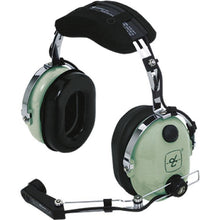
David Clark H10-30 Aviation Headset 24dB Noise Reduction 12508G-17
24 dB passive for loud piston and warbird cockpits, delivering legendary durability and dependable communication for pilots flying loud, high-vibration aircraft.
Passive · 20 oz
Regular price $319.95Sale price $319.95 Regular priceUnit price per$344.85 -
 Vendor:Lightspeed
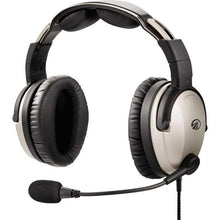
Lightspeed Zulu 3 Premium ANR Bluetooth Aviation Headset
Durable ANR with Bluetooth and a 7-year warranty for high-hour flying, engineered for premium noise reduction and all-day comfort on long cross-country legs.
ANR · Bluetooth · 14.6 oz · 40 hr battery
Regular price $949.00Sale price $949.00 Regular priceUnit price per -
 NewVendor:Lightspeed
Lightspeed Zulu 4 ANR Headset - Battery Powered (Dual GA Plugs)
Bluetooth ANR built for the piston cockpit, with standard dual GA plugs that make it the easy default for renters, students, and pilots who fly a variety of aircraft.
ANR · Bluetooth · 14.6 oz · 40 hr battery
Regular price $1,099.00Sale price $1,099.00 Regular priceUnit price per -
 NewVendor:Lightspeed
Lightspeed Zulu 4 ANR Headset - Panel Power (LEMO 6-Pin)
Bluetooth ANR that draws power directly through the LEMO 6-pin connector, so panel avionics keep it running with a lighter build and no more low battery worries.
ANR · Bluetooth · 14.6 oz · 40 hr battery
Regular price $1,099.00Sale price $1,099.00 Regular priceUnit price per -
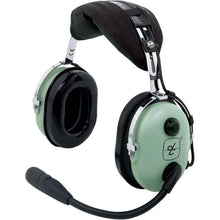 Vendor:David Clark
David Clark H10-13S Stereo Aviation Headset 40422G-01
23 dB passive stereo for music and intercom through an audio panel, in a lightweight 17 ounce build that stays comfortable through long training flights.
Passive · 17 oz
Regular price $379.95Sale price $379.95 Regular priceUnit price per$422.80 -
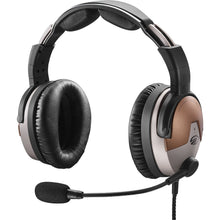 Vendor:Lightspeed
Lightspeed Delta Zulu Ultimate ANR Bluetooth Aviation Headset with Safety Features
Flagship ANR with a carbon monoxide alert and custom hearing EQ, the only ANR headset that adds instant audible CO warnings to protect you in flight.
ANR · Bluetooth · 14.9 oz · 30 hr battery
Regular price $1,299.00Sale price $1,299.00 Regular priceUnit price per -
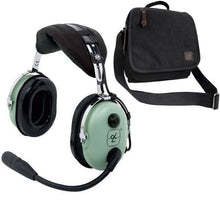 Vendor:David Clark
David Clark H10-13.4 Mono Aviation Headset & Bag Combo 40411G-01
23 dB student-standard passive noise reduction with a double-foam headpad for comfort, bundled with a padded carry bag for the flight school ramp and trainer fleet.
Passive · 16.5 oz
Regular price $389.95Sale price $389.95 Regular priceUnit price per$452.54 -
 Vendor:Bose
Bose A30 ANR Aviation Headset U174 Helicopter Battery Power with Bluetooth 857641-3130
Helicopter ANR with Bluetooth, a U-174 plug and three selectable ANR modes, letting rotor pilots dial in noise reduction and stay connected on every mission.
ANR · Bluetooth · 14.2 oz · 45 hr battery
Regular price $1,299.00Sale price $1,299.00 Regular priceUnit price per


