




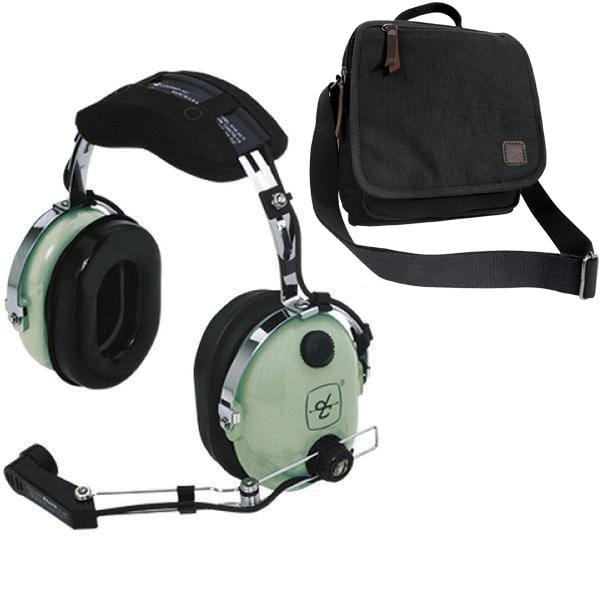
David Clark H10-30 Aviation Headset & Bag Combo: 24 dB Noise Reduction for Pilots 12508G-17
24 dB passive noise reduction for loud cockpits, the most widely used noise-attenuating headset in general aviation, bundled with a protective carry bag.
37217
Benefits
Benefits
Shipping & Delivery
Shipping & Delivery
Returns
Returns
The David Clark H10-30 aviation headset is a renowned passive headset offering exceptional comfort and clarity with a 24 dB noise reduction rating, making it one of the most widely used noise-attenuating headsets in the aviation industry today.
More H10-30 headsets are in active use than any other noise-cancelling pilot headset, proving its unmatched reliability and exceptional value in real-world cockpit environments.
Durability and Comfort for Long Flights
When student pilots ask, "What is the best headset for flight training?" experienced instructors consistently recommend this best value aviation headset. Its proven durability and comfort make it ideal for long training sessions. The custom-fitted gel ear seals and super soft head pad eliminate pressure points, reducing fatigue during extended flights. With a 24 dB noise reduction rating, it effectively blocks engine noise in high-noise training aircraft like Cessnas. The advanced electret microphone ensures crystal-clear communication with air traffic control, even in challenging cockpit conditions.
Professional-Grade Performance and Value
This comfortable pilot headset for long flights weighs just 20 ounces and features a durable molded cord assembly designed to withstand demanding cockpit environments. Whether you're a recreational flyer seeking reliable equipment or a commercial pilot requiring professional-grade performance, the H10-30 delivers consistent results. It's backed by David Clark's legendary 5-year warranty. The included carrying bag adds exceptional value to this Made in USA headset, which exceeds aviation industry standards while remaining accessible to budget-conscious pilots who refuse to compromise on safety and quality.
Fly with the industry's most trusted headset: the David Clark H10-30 offers 24dB noise reduction, renowned comfort, and clear audio, complete with a bag for exceptional value. Order yours today and hear the difference!
Headset Specifications
| Active Noise Reduction (ANR) | No |
|---|---|
| Bluetooth | No |
| TSO Certified | Yes |
| Weight | 20 Ounces |
| Battery Type | N/A |
| Battery Life | N/A |
| Warranty | 5 Years |
| Auto Shut-off | N/a |
| Aux Audio Input | No |
Frequently Asked Questions
Is the David Clark H10-30 a good headset for student pilots and flight training?
Yes. Instructors consistently recommend the H10-30 as a strong value choice for student pilots because it is durable, comfortable, and dependable through long training sessions. More H10-30 units are reportedly in active use than any other passive pilot headset, which speaks to its proven reliability for both new and experienced aviators.
How much noise does the David Clark H10-30 block?
The H10-30 carries a Noise Reduction Rating of 24 dB. It is a passive headset, lowering sound through sealed ear cups and cushioning rather than electronics. That rating helps block engine noise in high noise training aircraft such as Cessnas, making cockpit communication clearer and reducing fatigue on longer flights.
Is the H10-30 a passive headset, and does it use batteries?
The H10-30 is a passive noise attenuating headset. It does not use active noise reduction, Bluetooth, batteries, or an auxiliary audio input. All of its 24 dB noise reduction comes from sealed ear cups, gel ear seals, and clamping design, so there is nothing to charge and no electronics to fail in flight.
Which aircraft is the H10-30 designed for?
The H10-30 is built for general aviation flying and connects through standard panel audio. It is a popular choice in high noise training airplanes such as Cessnas, where its 24 dB passive attenuation helps cut engine noise. Pilots rely on it across many piston aircraft for clear communication during training and recreational flights.
What kind of microphone does the David Clark H10-30 have?
The H10-30 uses a noise resistant microphone mounted on a flexible boom. The boom lets you position the microphone close to your lips and holds that placement during flight. This design helps filter background cockpit sound so air traffic control and other crew members hear your transmissions clearly and consistently.
How much does the David Clark H10-30 weigh, and is it comfortable for long flights?
The headset weighs about 20 ounces. To stay comfortable during long training sessions and cross country flights, it uses custom fitted gel ear seals and a super soft head pad that help eliminate pressure points and reduce fatigue. Many pilots choose it specifically for its proven comfort over extended cockpit time.
Does the H10-30 use gel ear seals?
Yes. The H10-30 comes with custom fitted gel ear seals that mold gently around the ears to reduce pressure points and improve the noise blocking seal during long flights. Paired with the super soft head pad, the gel seals are a major reason pilots find this headset comfortable through extended time in the cockpit.
What warranty backs the H10-30, and where is it made?
The H10-30 is backed by David Clark's five year warranty. It is made in the USA and built with a durable molded cord assembly designed to withstand demanding cockpit environments. This combination of a long warranty and rugged construction helps protect your investment and keeps the headset dependable through years of regular flying.
Is the David Clark H10-30 FAA TSO approved?
Yes. The H10-30 is FAA TSO approved, meaning it meets recognized federal performance requirements for use as an aviation headset in the cockpit. That approval supports reliable, consistent communication during flight training and everyday flying, and it reflects the quality and durability David Clark builds into this widely used passive headset.
Does the H10-30 come with a carrying bag, and what is in the box?
Yes. This combo listing pairs the David Clark H10-30 headset with a carrying bag for added protection and value, so you can store and transport the headset safely between flights. The headset features custom fitted gel ear seals, a super soft head pad, a microphone for clear communication, and a durable molded cord assembly.
How is the H10-30 positioned compared with other David Clark headsets?
The H10-30 is David Clark's classic passive headset with a 24 dB Noise Reduction Rating. It is positioned as the dependable value choice that flight schools and budget minded pilots favor, delivering proven comfort and rugged durability at an accessible level. It remains one of the most widely used passive headsets in aviation.
-
 Vendor:Bose
Bose A30 ANR Aviation Headset Dual Plug, Battery Powered with Bluetooth 857641-3120
Piston-cockpit ANR with Bluetooth, dual GA plugs and three ANR modes, giving single and twin pilots flexible noise control and hands-free calls or music in flight.
Regular price $1,299.00Sale price $1,299.00 Regular priceUnit price per -
 Vendor:Lightspeed
Lightspeed Sierra ANR Bluetooth Aviation Headset
ANR with Bluetooth for everyday GA flying, cutting music volume 80% the instant a radio call arrives so you never miss a clearance, on two AA batteries.
Regular price $749.00Sale price $749.00 Regular priceUnit price per -
 Vendor:Bose
Bose A30 ANR Aviation Headset LEMO 6 Pin Aircraft Power with Bluetooth 857641-3140
Panel-powered ANR with Bluetooth via LEMO 6-pin, no batteries needed, so pilots get all-day quiet and wireless audio without the weight or hassle of battery packs.
Regular price $1,299.00Sale price $1,299.00 Regular priceUnit price per -
 NewVendor:Lightspeed
Lightspeed Zulu 4 ANR Headset - Battery Powered (Dual GA Plugs)
Bluetooth ANR built for the piston cockpit, with standard dual GA plugs that make it the easy default for renters, students, and pilots who fly a variety of aircraft.
Regular price $1,099.00Sale price $1,099.00 Regular priceUnit price per -
 Vendor:Bose
Bose ProFlight Series 2 ANR Aviation Headset 5 Pin XLR Flex Power with Bluetooth 789812-5070
Airbus-deck in-ear ANR at 4.5 oz with Bluetooth and 5-pin XLR, giving airline crews quiet, lightweight comfort that stows easily between long duty days.
Regular price $1,099.00Sale price $1,099.00 Regular priceUnit price per -
 Vendor:Bose
Bose A30 ANR Aviation Headset U174 Helicopter Battery Power with Bluetooth 857641-3130
Helicopter ANR with Bluetooth, a U-174 plug and three selectable ANR modes, letting rotor pilots dial in noise reduction and stay connected on every mission.
Regular price $1,299.00Sale price $1,299.00 Regular priceUnit price per -
 Vendor:David Clark
David Clark H10-13X ANR Aviation Headset & Bag Combo 40411G-06
Field-proven ANR with a 25-hour battery for full duty days, layering active cancellation over passive reduction for a quieter cockpit, bundled with a carry bag.
Regular price $849.95Sale price $849.95 Regular priceUnit price per$942.84 -
 Vendor:Bose
Bose ProFlight Series 2 ANR Aviation Headset Dual Plug, Battery Powered with Bluetooth 789812-5020
Turbine-cockpit in-ear ANR at 4.5 oz with Bluetooth and dual GA plugs, built for jet and turboprop crews who want all-day comfort with minimal head-clamping bulk.
Regular price $1,099.00Sale price $1,099.00 Regular priceUnit price per -
 NewVendor:Lightspeed
Lightspeed Zulu 4 ANR Headset - Panel Power (LEMO 6-Pin)
Bluetooth ANR that draws power directly through the LEMO 6-pin connector, so panel avionics keep it running with a lighter build and no more low battery worries.
Regular price $1,099.00Sale price $1,099.00 Regular priceUnit price per -
 Vendor:Bose
Bose A30 ANR Aviation Headset 5 Pin XLR Flex Power with Bluetooth 857641-3170
Airline-deck ANR with Bluetooth and 5-pin XLR panel power, built for flight crews who need dependable quiet and hands-free calls throughout a long duty day.
Regular price $1,299.00Sale price $1,299.00 Regular priceUnit price per


