




David Clark H10-13X ANR Aviation Headset & Bag Combo 40411G-06
Field-proven ANR with a 25-hour battery for full duty days, layering active cancellation over passive reduction for a quieter cockpit, bundled with a carry bag.
37215
Benefits
Benefits
Shipping & Delivery
Shipping & Delivery
Returns
Returns
The David Clark H10-13X ANR Headset & Bag Combo is a premium aviation headset designed for professional pilots, offering superior active noise reduction, clear cockpit communications, and exceptional comfort.
This headset combines 23 dB passive noise reduction with up to 22 dB of electronic noise cancellation, creating one of the quietest cockpit environments available today.
Unmatched Comfort for Long Flights
For pilots navigating demanding schedules, the H10-13X provides unparalleled comfort. David Clark's signature engineering includes ultra-soft gel ear seals and a cushioned headpad, eliminating pressure points during marathon flights. The precision-engineered M-7A noise-canceling microphone ensures crystal-clear ATC communications. With stereo capability, routine flights become enjoyable experiences with in-flight entertainment. Trusted by commercial airline pilots, general aviation enthusiasts, and corporate flight crews, this headset operates for up to 25 hours on a single 9V battery, featuring auto shut-off to preserve power during extended layovers.
Lightweight and Reliable
Weighing just 18 ounces without the cord assembly, this aviation headset proves that superior protection doesn't require sacrificing comfort. Whether upgrading from a passive headset or seeking the reliability that has made David Clark the choice of aviation professionals worldwide, the H10-13X delivers cockpit comfort and communication clarity, transforming every flight into a more pleasant, safer experience.
Experience superior noise reduction, exceptional comfort, and clear communications with the David Clark H10-13X ANR Headset & Bag Combo. Upgrade your flight experience now!
Headset Specifications
| Active Noise Reduction (ANR) | Yes |
|---|---|
| Bluetooth | No |
| TSO Certified | Yes |
| Weight | 18 Ounces |
| Battery Type | 9V (1) |
| Battery Life | 25 Hours |
| Warranty | 5 Years |
| Auto Shut-off | Yes |
| Aux Audio Input | No |
Frequently Asked Questions
How much noise reduction does the David Clark H10-13X provide?
The H10-13X pairs 23 dB of passive noise reduction with up to an additional 17 to 22 dB of electronic noise cancellation when the active noise reduction is switched on. That layered protection creates one of the quietest cockpit environments available and helps cut listening fatigue on long flights in louder piston aircraft.
What battery does the H10-13X use and how long does it last?
The H10-13X runs on a single 9V battery and delivers up to 25 hours of active noise reduction per battery. It also features an automatic shut-off that powers the electronics down to conserve the battery during long layovers or when the headset is left unused, so you are not wasting power between flights.
Can the H10-13X still be used if the battery dies or the ANR is off?
Yes. The H10-13X keeps working as a passive headset even with the active noise reduction switched off or the battery depleted. You still get its 23 dB of passive noise attenuation along with full two-way radio communication, so a dead battery never leaves you without a usable headset in the cockpit.
Does the H10-13X have Bluetooth or an auxiliary audio input?
No. The H10-13X does not include Bluetooth and does not have an auxiliary audio input jack. It is, however, stereo compatible, so it works with stereo intercoms and in-flight entertainment when your aircraft setup supports it. That keeps two-way radio communications and any cabin audio clear in the cockpit.
How much does the H10-13X weigh and how comfortable is it?
The H10-13X weighs about 18 ounces without the cord assembly, which is light for a full-feature active noise reduction headset. Comfort comes from David Clark's ultra-soft gel ear seals and a cushioned foam-filled headpad that spread clamping pressure, making it well suited to long flights and full training days in the cockpit.
Which microphone does the H10-13X use and how clear are communications?
The H10-13X uses David Clark's M-7A noise-canceling electret microphone on a flexible boom. It rejects cockpit background noise so your transmissions to ATC and your instructor stay crisp and clear. Paired with the active and passive noise reduction in the ear cups, it keeps two-way communication intelligible even in louder piston cockpits.
What type of plugs does the H10-13X use and what aircraft does it fit?
The H10-13X comes with two standard general aviation plugs, one for audio and one for the microphone. This twin-plug setup fits the dual jacks found in most piston general aviation aircraft, such as common Cessna and Piper trainers, so it works in nearly any typical fixed-wing cockpit wired with standard general aviation jacks.
How is the H10-13X different from the David Clark H10-13.4?
The H10-13X builds on the popular passive H10-13.4 by adding electronic noise cancellation. Both share the same M-7A microphone, gel ear seals, and 23 dB passive rating, but the H10-13X adds a 9V battery module that delivers up to 17 to 22 dB of extra attenuation when switched on, making it quieter in loud piston cockpits.
Is the David Clark H10-13X made in the USA?
Yes. The H10-13X is manufactured by David Clark in the United States, continuing the company's long history of building rugged aviation headsets domestically. That American manufacturing pairs with the 5-year warranty and the brand's reputation for durable construction and dependable customer support over the long service life of the headset.
Is the H10-13X TSO approved, and what warranty and accessories does it include?
Yes, the H10-13X is TSO approved for aviation use, and it is backed by David Clark's 5-year manufacturer warranty, reflecting the brand's long reputation for durability. This 40411G-06 combo also bundles a David Clark headset bag, so you can protect the headset in your flight bag between flights and during storage.
Are replacement ear seals and parts available for the H10-13X?
Yes. The H10-13X uses David Clark's standard comfort-gel ear seals, foam head pad, and mic accessories, and these wear parts are sold separately as replacements. Because the design has stayed consistent for years, you can refresh the ear seals or other soft parts down the road to keep the headset comfortable and serviceable.
-
 Vendor:Bose
Bose A30 ANR Aviation Headset Dual Plug, Battery Powered with Bluetooth 857641-3120
Piston-cockpit ANR with Bluetooth, dual GA plugs and three ANR modes, giving single and twin pilots flexible noise control and hands-free calls or music in flight.
Regular price $1,299.00Sale price $1,299.00 Regular priceUnit price per -
 Vendor:Telex
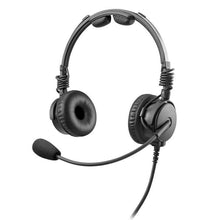
USED Telex Airman 8 XLR Lightweight ANR Airbus Pro Pilot Headset
Airbus-deck ANR at 4.4 oz wired for 5-pin XLR panel power, drawing active noise reduction from the aircraft to cut cockpit noise without swapping batteries.
Regular price $475.00Sale price $475.00 Regular priceUnit price per$739.00 -
 Vendor:Lightspeed
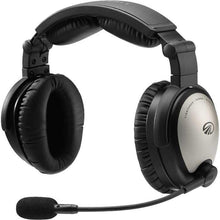
Lightspeed Sierra ANR Bluetooth Aviation Headset
ANR with Bluetooth for everyday GA flying, cutting music volume 80% the instant a radio call arrives so you never miss a clearance, on two AA batteries.
Regular price $749.00Sale price $749.00 Regular priceUnit price per -
 Vendor:Bose
Bose A30 ANR Aviation Headset LEMO 6 Pin Aircraft Power with Bluetooth 857641-3140
Panel-powered ANR with Bluetooth via LEMO 6-pin, no batteries needed, so pilots get all-day quiet and wireless audio without the weight or hassle of battery packs.
Regular price $1,299.00Sale price $1,299.00 Regular priceUnit price per -
 Vendor:Bose
Bose ProFlight Series 2 ANR Aviation Headset Dual Plug, Battery Powered with Bluetooth 789812-5020
Turbine-cockpit in-ear ANR at 4.5 oz with Bluetooth and dual GA plugs, built for jet and turboprop crews who want all-day comfort with minimal head-clamping bulk.
Regular price $1,099.00Sale price $1,099.00 Regular priceUnit price per -
 Vendor:Bose
Bose ProFlight Series 2 ANR Aviation Headset 5 Pin XLR Flex Power with Bluetooth 789812-5070
Airbus-deck in-ear ANR at 4.5 oz with Bluetooth and 5-pin XLR, giving airline crews quiet, lightweight comfort that stows easily between long duty days.
Regular price $1,099.00Sale price $1,099.00 Regular priceUnit price per -
 NewVendor:Lightspeed
Lightspeed Zulu 4 ANR Headset - Battery Powered (Dual GA Plugs)
Bluetooth ANR built for the piston cockpit, with standard dual GA plugs that make it the easy default for renters, students, and pilots who fly a variety of aircraft.
Regular price $1,099.00Sale price $1,099.00 Regular priceUnit price per -
Vendor:Lightspeed
Lightspeed Zulu 4 Premium ANR Aviation Headset
Bluetooth ANR with a 40-hour battery, refined from pilot feedback to deliver industry-leading comfort and durability for high-hour pilots logging long cockpit days.
Regular price $1,099.00Sale price $1,099.00 Regular priceUnit price per -
 Vendor:Bose
Bose A30 ANR Aviation Headset U174 Helicopter Battery Power with Bluetooth 857641-3130
Helicopter ANR with Bluetooth, a U-174 plug and three selectable ANR modes, letting rotor pilots dial in noise reduction and stay connected on every mission.
Regular price $1,299.00Sale price $1,299.00 Regular priceUnit price per -
 Vendor:Lightspeed
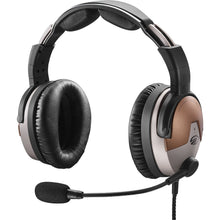
Lightspeed Delta Zulu Ultimate ANR Bluetooth Aviation Headset with Safety Features
Flagship ANR with a carbon monoxide alert and custom hearing EQ, the only ANR headset that adds instant audible CO warnings to protect you in flight.
Regular price $1,299.00Sale price $1,299.00 Regular priceUnit price per


