



Lightspeed Zulu 3 Review: Still Worth Buying?


Yes, the Lightspeed Zulu 3 is still worth buying. As of August 2026 it remains a current model in Lightspeed's lineup, positioned under the newer Zulu 4, and its combination of magnesium ear cups, a Kevlar core cable, and a 7-year warranty still stands out in the premium ANR class. This is a spec-based evaluation drawn from published Lightspeed specifications and years of selling and supporting the Zulu line at PilotMall.com.
Quick verdict: Buy the Zulu 3 if you fly without glasses or a hat most of the time and mainly use Bluetooth for music and calls. You get the same ANR circuitry, the same magnesium build, and the same 14.6 ounce weight as the Zulu 4. Step up to the Zulu 4 if you wear sunglasses or a headband-interrupting hat on every flight (its FrameFit ear seals are built for that), want dual Bluetooth, or take phone calls in the air often enough to care about its AINR mic circuitry.
Lightspeed Zulu 3: Click for Price · Lightspeed Zulu 4 (Dual GA): Click for Price
Find your next headset
Compare ANR and passive headsets from Lightspeed, Bose, and more, all in one place.
Shop Aviation Headsets →Build and comfort
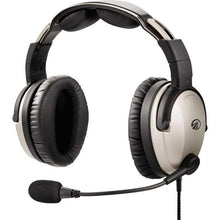
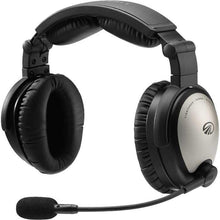
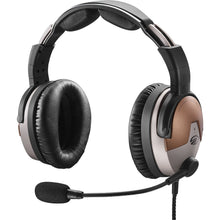
The Zulu 3's case for itself starts with materials. The ear cups are magnesium and the headband is stainless steel, where most headsets in the category lean on plastic. That matters twice over: magnesium keeps the cups stiff and light at the same time, and Lightspeed credits the dense cup shells with better passive blocking of high-frequency noise, the part of the spectrum ANR handles least well.
The cable is the other quiet differentiator. Zulu 3 cables are built around a Kevlar core, which Lightspeed describes as stronger, lighter, and more flexible than standard cables. Ask anyone who has watched a trainer headset die: the cable is usually what goes first. A cable engineered around the same fiber used in body armor is a direct answer to the most common failure point in the fleet.
Total weight is 14.6 ounces including ear seals and the mic boom. That puts it in the normal band for a full-size over-ear ANR headset, and the stainless headband spreads that weight rather than concentrating it at the crown. This is a headset designed for four-hour cross-countries, not just pattern work.
Plug options cover essentially every general aviation cockpit: dual GA plugs (PJ-055 and PJ-068), a panel-powered 6-pin LEMO version, and a U-174 helicopter version. Pick the connector that matches your aircraft and the rest of the headset is identical.
ANR and audio
Lightspeed's ANR in the Zulu 3 is tuned for broad, deep cancellation in the low-frequency band, exactly where piston engine and propeller noise lives. Pair that with the magnesium cups' high-frequency passive blocking and you get quieting across the spectrum rather than a headset that only mutes the engine drone.
The audio feature set has aged well. Full Bluetooth handles phone and music, and a 3.5 mm wired aux input covers devices without it. The feature that matters in flight is ComPriority: when the radio or intercom keys up, the headset automatically ducks your music or aux audio so you never miss a call from ATC over a podcast. Once you have flown with it, flying without it feels careless.
Power is refreshingly simple. Battery versions run on two AA batteries for roughly 40 hours per set, less with Bluetooth running. There is no proprietary battery pack to fail or charging routine to remember; a spare pair of AAs in the flight bag is your entire contingency plan. For renters and club flyers who cannot count on panel power, that is a real advantage over panel-only designs.
Warranty and support
Lightspeed backs the Zulu 3 with a 7-year warranty. In a category where headsets routinely outlive the airplanes their owners trained in, that is one of the longest commitments you will find, and it changes the math on buying one. Amortize a premium headset over seven covered years and the cost per flight hour gets small quickly.
The AA power supply and the Kevlar core cable both work in the warranty's favor: the two components that generate the most service tickets on other headsets (battery systems and cable breaks) are respectively generic and over-engineered here. A Zulu 3 bought today is a plausible companion through a private certificate, an instrument rating, and a decade of flying after that.
Zulu 3 vs Zulu 4: the honest comparison
The Zulu 4 arrived in July 2025 and slots between the Zulu 3 and the flagship Delta Zulu in Lightspeed's lineup. Here is the part that matters for a Zulu 3 buyer: the Zulu 4 shares the Zulu 3's build, its ANR circuitry, and its 14.6 ounce weight. The core quieting and comfort experience is the same headset.
What the Zulu 4 adds is targeted: FrameFit ear seals that hold their seal around sunglass temples and hat bands, dual Bluetooth for holding two connections, and AINR mic circuitry that cleans up your voice on phone calls. Those are genuine upgrades, not marketing, but they are situational. If none of them describes your flying, the Zulu 3 gives up nothing where it counts.
| Feature | Zulu 3 | Zulu 4 |
|---|---|---|
| Zulu 3 / Zulu 4 | Click for Price | Click for Price |
| Weight | 14.6 oz | 14.6 oz (same) |
| Build | Magnesium cups, stainless headband | Same build |
| ANR | Deep low-frequency ANR | Same ANR circuitry |
| Ear seals | Standard | FrameFit (seals over glasses and hats) |
| Bluetooth | Phone and music, plus 3.5 mm aux | Dual Bluetooth |
| Phone call audio | Standard mic path | AINR mic circuitry |
| Lineup position | Entry to the premium Zulu line | Between Zulu 3 and Delta Zulu |
For a feature-by-feature breakdown of the differences and whether existing owners should upgrade, see our full Lightspeed Zulu 4 vs Zulu 3 comparison.
Final verdict
The Zulu 3 in 2026 is that rare thing: last year's premium headset that lost none of its core capability when its successor arrived. Lightspeed kept it in the lineup rather than retiring it, which tells you how the company itself sees it. Owners agree; the Zulu 3 holds a 4.81 out of 5 rating across 21 reviews on our product page as of August 2026.
Buy it if you want flagship build quality, deep ANR, ComPriority, and a 7-year warranty, and you do not need glasses-friendly seals or airborne phone calls. Choose the Zulu 4 if you do. And if you are weighing the Zulu 3 against Lightspeed's Sierra instead, our Lightspeed Sierra vs Zulu 3 comparison walks that decision.
Lightspeed Zulu 3: Click for Price →
Frequently asked questions
Is the Lightspeed Zulu 3 still worth buying in 2026?
Yes. As of August 2026 the Zulu 3 remains a current model in Lightspeed's lineup, positioned under the Zulu 4. It shares the Zulu 4's magnesium build, ANR circuitry, and 14.6 ounce weight, and carries a 7-year warranty.
What is the difference between the Zulu 3 and the Zulu 4?
The Zulu 4 adds FrameFit ear seals that seal better around glasses and hats, dual Bluetooth, and AINR mic circuitry for clearer phone calls. The build, ANR circuitry, and 14.6 ounce weight are the same as the Zulu 3.
How long is the Lightspeed Zulu 3 warranty?
Lightspeed covers the Zulu 3 with a 7-year warranty, one of the longest coverage periods offered on a premium ANR aviation headset.
What batteries does the Zulu 3 use and how long do they last?
Battery versions of the Zulu 3 run on two AA batteries for roughly 40 hours per set, with shorter life when Bluetooth is running. A panel-powered 6-pin LEMO version needs no batteries at all.
What plug configurations does the Zulu 3 come in?
Three: dual GA plugs (PJ-055 and PJ-068) for most piston aircraft, a panel-powered 6-pin LEMO version, and a U-174 version for helicopters.
About the author
Neil Glazer is a commercial pilot, multi-engine and instrument rated, and the owner of PilotMall.com, which has served pilots for more than 25 years. He writes spec-driven gear reviews to help pilots buy once and buy right.