



Aircraft Fuel Testers: How to Sump Fuel and Which Tester to Buy


An aircraft fuel tester is a clear cup or tube you use to pull a small fuel sample from each of the airplane's drain points during preflight, then inspect that sample for water, sediment, and the correct fuel grade before you commit to flying. If you searched for a fuel tester and got a page full of automotive fuel pressure gauges and ethanol test kits, this is a different tool entirely. This guide covers the sampler every general aviation pilot carries, how to use it correctly, and which style to buy.
Pilot Mall stocks aircraft fuel testers from Aviation Specialties, ASA, and Daansen, plus FuelHawk fuel quantity gauges. Every product below links straight to its product page with a Click for Price link.
The quick answer: if you only buy one, buy the GATS Jar. Its built-in separator filters water and debris so you can pour the clean sample back into the tank instead of dumping it. A basic tube tester like the ASA dual-head or the Daansen multi-function does the same inspection job in a smaller package and makes a smart backup. A FuelHawk dropstick is a different tool: it measures how much usable fuel is in the tank, and it belongs in your bag alongside a tester, not instead of one.
Build your preflight fuel kit
The GATS Jar filtering fuel tester, compact tube samplers from ASA and Daansen, and FuelHawk fuel quantity dropsticks.
GATS Jar: Click for Price →Why pilots sump fuel on every preflight
Sumping is a three-part inspection, and every part has failed a pilot somewhere.
- Water: it reaches your tanks through condensation and contamination, and because water is denser than avgas it sinks to the lowest points in the fuel system. That is exactly where the drain valves sit, so a sample from each drain shows water as a distinct clear layer or rounded globule at the bottom of the cup.
- Sediment: dirt and debris settle out the same way water does. Specks at the bottom of a sample mean something upstream is shedding material, and repeated dirty samples deserve a mechanic's attention.
- Fuel grade: avgas grades are dyed specifically so pilots and ground crews can identify them at a glance, because running the wrong grade can damage an engine. 100LL is dyed blue. If the sample is missing that blue tint or shows a color you do not expect, stop and find out why before you fly.
One transition note: in September 2022 the FAA approved a supplemental type certificate covering GAMI G100UL unleaded avgas in all piston engine aircraft and engine combinations, and as of August 2026 that rollout is still in progress. Whatever ends up in the truck, grade verification stays on your checklist.
How to sump fuel correctly
- Hit every drain point your checklist calls out. Wing tank sumps, strainer and gascolator drains, and belly drains vary by type, so let the POH drive the count, not habit carried over from another airplane.
- Sample at the right times. Before the first flight of the day, after every refueling, and after the airplane has sat outside where condensation and rain can work on the tanks.
- Take a generous sample. Seat the tester's probe squarely in the drain and pull enough fuel to judge. A stingy half-inch sample can hide a thin layer of water.
- Inspect against a light background. Check the color first, then the bottom of the cup for a clear water layer or globule, then look for specks of sediment.
- If you find contamination, keep draining. Sample again until the fuel comes back clean and consistently blue. If it will not clear, do not fly. Get a mechanic involved and have the fuel source checked.
- Dispose of unfiltered samples properly. Never pour a raw sample from a plain tube tester back into the tank; you would be reintroducing whatever you just caught. A filtering tester changes that math: Aviation Specialties, maker of the GATS Jar, estimates that over 3 million gallons of avgas are discarded during preflight checks in the U.S. every year, which is the waste its pour-back design exists to stop.
Choosing an aircraft fuel tester
Basic tube testers
The classic sampler is a clear cylinder with a probe on top. The ASA Aircraft Fuel Tester uses a dual-head design to fit different drain styles and molds an octane color reference chart right onto the transparent cylinder, so you can compare the sample against the chart in your hand. Click for Price. The Daansen Multi-Function Aircraft Fuel Tester adds a built-in screwdriver tip for recessed drains. Click for Price. Both are small enough to live in a flight bag pocket, and simple enough that keeping a spare in the airplane is easy to justify.
GATS Jar style with filtering pour-back
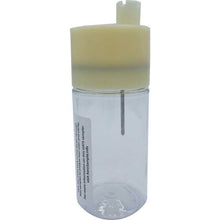
The Aviation Specialties GATS Jar is a 12 ounce transparent jar with an integral fuel and water separator. Contaminants stay trapped inside the jar while clean fuel pours back into the tank through the filtering top, so a good sample is not wasted fuel. It also includes a sturdy pin for pin-type quick drains, which makes it compatible with virtually any aircraft using that drain style. The larger jar makes water layers and sediment easier to see than a narrow tube does, and renters sharing a ramp full of different airplanes get one tool that handles all of them. Click for Price.
FuelHawk dropsticks: a different tool for fuel quantity
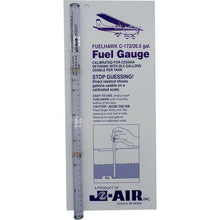
A FuelHawk is not a fuel tester. It is a calibrated clear dropstick that measures how much usable fuel is in the tank: insert it to the tank bottom, cap the top with your thumb to trap the fuel column, withdraw it, and read the level against the printed scale. It backs up panel gauges that are famously unreliable at partial fuel loads, but it does nothing to check for contamination. Model specific calibrations cover the Cessna 152 (12 gallon), Cessna 172 (19, 20, and 26 gallon tank variants), Cessna 182 (39 and 43.5 gallon), and Piper PA-28 (24 gallon), and universal versions come in 11, 16, and 26 inch lengths with a calibration chart. Click for Price.
| Tool | Style | What it checks | Best for |
|---|---|---|---|
| GATS Jar | 12 oz jar, filtering pour-back, quick drain pin | Water, sediment, grade; returns clean fuel to the tank | Owners and renters who sump often and hate wasting fuel |
| ASA Dual-Head Tester | Clear tube, dual head, octane chart on cylinder | Water, sediment, grade against a molded reference chart | Flight bag primary or backup sampler |
| Daansen Multi-Function | Clear tube with screwdriver tip | Water, sediment, grade; tip reaches recessed drains | Aircraft with recessed drain valves |
| FuelHawk Gauge | Calibrated clear dropstick | Usable fuel quantity only, not contamination | Verifying fuel load against unreliable panel gauges |
Care tips
- Keep it clear. You judge fuel color through the cup, so retire a tester once the plastic turns scratched, cloudy, or crazed.
- Keep the filter clean. On a GATS Jar, make sure the filtering top stays free of trapped debris so pour-back stays trustworthy.
- Stow it smart. A side pocket beats the bottom of a flight bag, where hard edges grind the plastic every flight.
- Protect the scale. A FuelHawk is only as good as its markings, so replace one whose calibration scale has worn illegible.
Frequently asked questions
Is a FuelHawk the same thing as a fuel tester?
No. A FuelHawk is a calibrated dropstick that measures how much usable fuel is in the tank by reading the trapped fuel column against a printed scale. It backs up your panel gauges but does nothing to check fuel quality. You still need a sampler cup or a filtering tester to check for water, sediment, and grade.
What color should 100LL avgas be?
100LL is dyed blue. Avgas grades are dyed so pilots and ground crews can identify them at a glance, because running the wrong grade can damage an engine. If a sample is missing that blue tint or shows a color you do not expect, treat it as a stop item and investigate before flying.
Can I pour a fuel sample back into the tank?
Only if it has been filtered. The GATS Jar holds water and contaminants back inside the jar while clean fuel pours out through the filtering top, so a good sample goes back in the tank instead of on the ground. With a plain tube tester, dispose of the sample properly rather than pouring it back in.
What does water look like in a fuel sample?
Water is denser than avgas and sinks, so it shows up as a distinct clear layer or rounded globule at the bottom of the cup. Hold the sample against a light background and check the bottom first. Keep draining until samples come back clean and consistently blue.
Does unleaded avgas change how I test fuel?
Not in procedure. In September 2022 the FAA approved a supplemental type certificate covering GAMI G100UL unleaded avgas in all piston engine aircraft and engine combinations, and as of August 2026 the rollout is still in progress. You still sample every drain and check for water, sediment, and the grade your engine is approved to burn.