




-
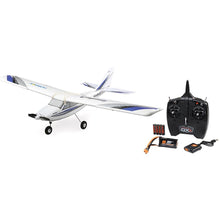 SaleVendor:HobbyZone
HobbyZone Apprentice S 2 1.2m RTF RC Airplane with SAFE Technology
Regular price $349.99Sale price $349.99 Regular priceUnit price per$399.99 -
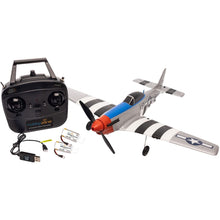 SaleVendor:HobbyZone
HobbyZone P-51D Mustang 450mm RTF Radio Control Airplane with SAFE: Experience Legendary WWII Flight with Ultimate Control and Safety
Regular price $99.99Sale price $99.99 Regular priceUnit price per$137.99 -

Fresh from The Hangar
The latest from top aviation brands. -
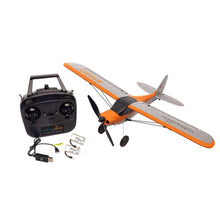 SaleVendor:HobbyZone
HobbyZone XCub 450mm RTF Radio Control Airplane - SAFE Technology for Beginner-Friendly, Crash-Free Adventures! Master Your RC Flight Skills
Regular price $99.99Sale price $99.99 Regular priceUnit price per$137.99 -
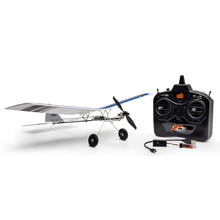 SaleVendor:E-Flite
E-Flite UMX Slow Ultra Stick RTF Radio Control Airplane: Experience Safe and Versatile Flight with AS3X & SAFE Select Technology
Regular price $169.99Sale price $169.99 Regular priceUnit price per$195.49 -
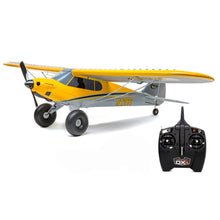 SaleVendor:HobbyZone
HobbyZone Carbon Cub RTF Radio Control Airplane S-2 1.3m Basic - Ultra-Stable Trainer
Regular price $329.99Sale price $329.99 Regular priceUnit price per$379.49 -
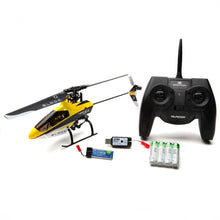 SaleVendor:E-Flite
Blade 120 S2 RTF Radio Control Helicopter with SAFE - Beginner-Friendly Single-Rotor Trainer
Regular price $169.99Sale price $169.99 Regular priceUnit price per$212.79 -
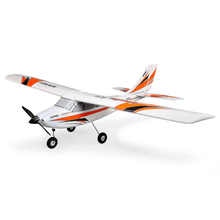 SaleVendor:E-Flite
E-flite Apprentice STS 1.5m RTF Radio Control Airplane Smart Trainer with SAFE - Enhanced Safety and Stability
Regular price $359.99Sale price $359.99 Regular priceUnit price per$425.49
Frequently Asked Questions
Is flying an RC plane hard for a beginner?
It is much easier than it used to be. Modern trainers with SAFE or AS3X stabilization keep the wings level on their own and help the plane recover when you get disoriented, so most beginners can take off, fly circuits, and land within their first few sessions on a calm-weather day.
What is the best beginner RC airplane?
The strongest first choices are high-wing foam trainers with electronic stabilization, such as the E-flite Apprentice STS 1.5m and the HobbyZone Apprentice S 2 1.2m. Both ship Ready-To-Fly, are easy to see in the air, and use SAFE technology that makes early flights forgiving and confidence-building.
What does RTF mean and is it better than ARF for a first plane?
RTF means Ready-To-Fly: the plane comes with the radio, battery, and charger, so you can fly almost immediately. ARF means Almost Ready-To-Fly and usually requires you to add a radio and electronics. For a first airplane, RTF is the simpler choice because everything is matched and included.
Should a beginner start with a 3-channel or 4-channel RC plane?
A 4-channel airplane with throttle, rudder, elevator, and ailerons teaches real flying control and is the better long-term choice for someone serious about learning. The stabilization on a modern trainer makes 4-channel approachable, so most new flyers can start there without first stepping through a 3-channel plane.
What is SAFE technology on an RC airplane?
SAFE stands for Sensor Assisted Flight Envelope. It uses onboard sensors to keep the aircraft level, limit how far it can bank or pitch, and in some modes return it to level flight at the push of a button. It dramatically lowers the chance of a crash while a beginner builds skill.
Can a beginner learn to fly an RC plane without an instructor?
Yes. A stabilized RTF trainer is designed to be learned solo, especially with the beginner modes engaged. That said, flying with an experienced pilot or at a local club shortens the learning curve, helps you read the wind, and is the fastest way to gain confidence for your first flights.
No questions match your search. Try another term or ask our team.
