




Blade 120 S2 RTF Radio Control Helicopter with SAFE - Beginner-Friendly Single-Rotor Trainer
Beginner-friendly single-rotor RC helicopter with fixed-pitch, flybarless flight characteristics, an all-in-one trainer that builds skills for future collective-pitch flying.
Same-day shipping when ordered by 3 PM ET, Mon to Fri.
Final sale. This item can't be returned. Return policy
Earn $3.39 in Captain's Club Dividend. How it works
42441
Benefits
Benefits
Shipping & Delivery
Shipping & Delivery
Returns
Returns
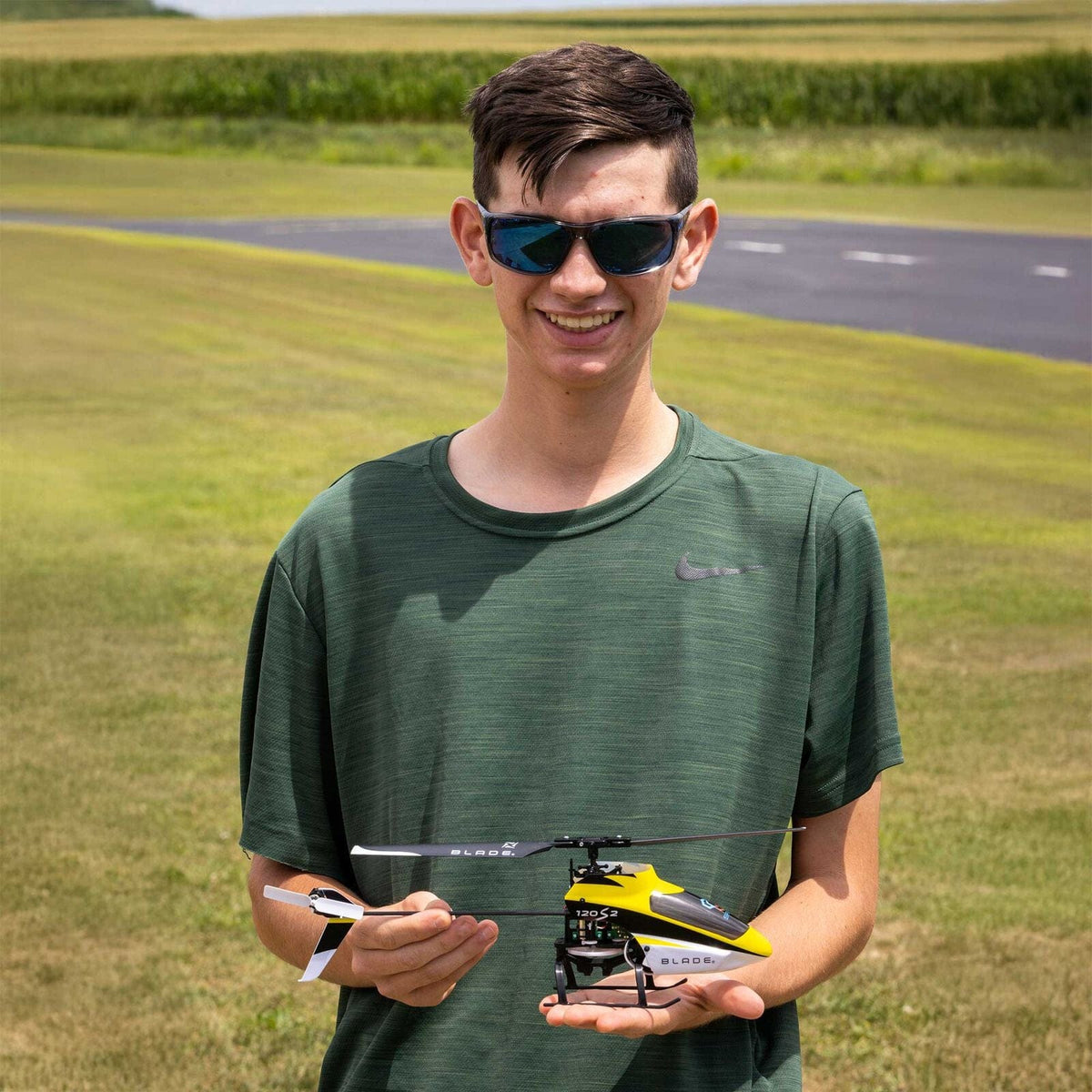
Take your first steps into single-rotor RC helicopter flying with the Blade 120 S2 RTF, an all-in-one, beginner-friendly micro trainer. Unlike a coaxial toy, the 120 S2 is a true fixed-pitch, flybarless, single-rotor helicopter, so the flying skills you build here carry straight over to larger collective-pitch helis. Built around Blade's proven SAFE (Sensor Assisted Flight Envelope) technology, it delivers steady stability, self-leveling, and one-button Panic Recovery that returns the helicopter to a level attitude when you need it most. Whether you are practicing indoors or flying outside in light wind, you will build confidence fast thanks to multiple flight modes and a rugged, ready-to-fly design.
Key Features
- True Single-Rotor, Fixed-Pitch Flybarless Design: A single main rotor with a direct-drive tail teaches real helicopter orientation and control, a genuine step up from coaxial models and multirotor drones.
- SAFE Technology with Multiple Flight Modes: Choose a fully stabilized, self-leveling mode with bank and pitch limits for your first hovers, then progress to less assisted modes for smoother turns, gentle maneuvers, and full control authority as your skills grow.
- One-Button Panic Recovery: If you become disoriented, a press of the Panic Recovery button commands the helicopter back toward a level attitude, provided it has enough height and clear space.
- Complete Ready-to-Fly Package: Arrives fully assembled with a multi-function Spektrum DSMX transmitter, an E-flite 1S 3.7V 500mAh LiPo flight battery, a USB LiPo charger, AA transmitter batteries, tools, and the instruction manual.
- Compact and Durable: A roughly 330mm (about 13 in) main rotor diameter and a sub-250-gram flying weight make it well suited to indoor practice, while a tough airframe stands up to training tumbles.
- Easy Charging and Quick Turnaround: Recharge the 1S LiPo pack with the included USB charger, and keep spare packs on hand to minimize downtime between flights.
Getting Started with Your Blade 120 S2
- Charge and Bind: Fully charge the 1S 3.7V 500mAh LiPo with the included USB charger. Power on the transmitter first, then connect the battery to the helicopter on level ground to link the model.
- Pre-Flight Checks: Set the helicopter on a level surface so the flight controller can zero itself, confirm the controls respond correctly, and start in the most stabilized flight mode.
- First Hover: With the fully stabilized mode engaged, raise the throttle slowly and let SAFE keep the model level while you practice gentle movements, then land.
- Mode Progression: As you gain confidence, switch to the less assisted modes for more agility and control, and use Panic Recovery any time you need to reset to level.
Equip new pilots with a true single-rotor trainer that grows with their skills. Add the Blade 120 S2 RTF Helicopter with SAFE to your PilotMall.com hangar today and master single-rotor helicopter flight the smart way.



Frequently Asked Questions
Is the Blade 120 S2 a single-rotor or coaxial helicopter?
It is a single-rotor helicopter, not a coaxial model. It uses one fixed-pitch, flybarless main rotor with a direct-drive tail rotor. That layout flies and is controlled like a full-size helicopter, so the skills you build transfer to larger collective-pitch helis. SAFE technology adds the stability that makes a single-rotor machine approachable for beginners.
What battery does the 120 S2 use and what is included for charging?
It is powered by an E-flite 1S 3.7V 500mAh LiPo flight battery, and a USB LiPo charger is included in the box. Always charge on a non-flammable surface, never leave the pack charging unattended, and let a warm battery cool before recharging it. Check your manual for the exact charge time.
Is the 120 S2 a good helicopter for a complete beginner?
Yes. It is built as a beginner single-rotor trainer using SAFE technology, which adds self-leveling, bank and pitch angle limits, and one-button Panic Recovery. New pilots can build confidence quickly in the most stabilized mode, then move to less assisted modes for more control and agility as their skills improve.
What flight modes does SAFE technology provide?
The 120 S2 offers multiple flight modes. The most stabilized mode self-levels the helicopter and limits bank and pitch angles for your first hovers. Less assisted modes remove those limits for smoother turns, gentle maneuvers, and full control authority. This lets the helicopter grow with you as you progress from your first hovers onward.
What is Panic Recovery and how does it help new pilots?
Panic Recovery is part of SAFE technology. If you become disoriented during a flight, pressing the Panic Recovery button commands the helicopter back toward a level attitude, provided it has enough height and clear space around it. It acts as a confidence builder while you learn orientation and basic control inputs.
What comes in the box with the RTF version?
The Ready-to-Fly package arrives fully assembled with everything needed to start flying. It includes the helicopter, a multi-function Spektrum DSMX transmitter, an E-flite 1S 3.7V 500mAh LiPo flight battery, a USB LiPo charger, AA transmitter batteries, basic tools, and the instruction manual. Charge the battery, bind the model, and you are ready for your first hover.
What is the difference between the RTF and BNF versions?
Ready-to-Fly includes the transmitter and everything required to fly right away. Bind-N-Fly is the aircraft only and requires you to supply your own compatible Spektrum DSMX transmitter. Choose Ready-to-Fly if you do not already own a compatible Spektrum radio, and choose Bind-N-Fly if you already have one.
How do I bind the helicopter to the transmitter?
The Ready-to-Fly version is bound at the factory. To rebind, power on the transmitter first, then connect a charged flight battery to the helicopter while it sits still on level ground, and the model links automatically. For a safe connection, always turn the transmitter on first and turn it off last.
How long does each flight last?
Plan on roughly five minutes of flight time per charge of the 1S 500mAh LiPo pack. Always land when the low-voltage warning appears to protect the battery. Because each flight is short, many pilots keep several charged packs on hand and swap them between flights to keep practicing while a depleted pack recharges.
How big is the 120 S2 and how much does it weigh?
It is a compact micro helicopter with a main rotor diameter of about 330mm, which is close to 13 inches. Its flying weight is under 250 grams. The small size and light weight make it well suited to indoor practice in a room with enough open space, while still being capable outdoors in light wind.
Can I fly the 120 S2 indoors and outdoors?
Yes to both. This compact single-rotor helicopter is well suited to indoor flying in a room with enough open space, and it can also handle outdoor flight when winds are light. SAFE stability helps you hold position in a gentle breeze. Always clear the area of people and obstacles before you fly.
What maintenance does the 120 S2 need, and are replacement parts available?
Periodically inspect the rotor blades, linkages, and gears for wear, tighten any loose screws, and replace worn parts as needed. No manual gyro calibration is required; power on while the model rests level and the flight controller zeros itself. Replacement parts, including main rotor blades, are available, so keeping spares on hand reduces downtime after a crash.
-
 Vendor:Snoopy
12" Flying Ace Snoopy Plush - The Ultimate Collectible for Peanuts Enthusiasts
Soft plush aviator character measuring about 8 by 7 by 12.5 inches, an ideal size for display or hugging and a charming gift for young collectors and fans.
Regular price $21.99Sale price $21.99 Regular priceUnit price per$24.59 -
 Vendor:Wow Toyz
Wow Toyz F-16 Thunderbird Cuddle Zoo Jet
Soft plush fighter jet toy with stitched detailing that captures the aircraft's iconic silhouette, a squeezable aviation-themed companion for young jet fans.
Regular price $24.99Sale price $24.99 Regular priceUnit price per$26.95 -
 Vendor:Cobi Blocks
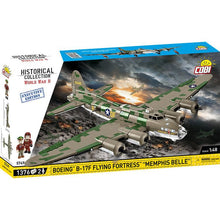
Cobi Blocks B-17F Memphis Belle Model Kit 1376pc Creative Building Block Set
A 1376 piece building block set recreating a legendary WWII heavy bomber with 100% printed markings, a detailed build for history buffs and hobbyists alike.
Regular price $119.99Sale price $119.99 Regular priceUnit price per$139.99 -
 Buy 1, Get 1 50% OffBOGO 50% OffVendor:High Flying Models
Lockheed Martin F-22 Raptor 1/100 Diecast Aircraft Model
A 1/100 scale diecast replica of America's advanced stealth fighter jet, a detailed display piece for military aircraft collectors and aviation enthusiasts alike.
Regular price $59.00Sale price $59.00 Regular priceUnit price per$79.00 -
 NewVendor:Roswell Air Races
Roswell Air Races "Elrod" Mascot Plush
Soft mascot plush themed to a regional air race event, a cuddly collectible keepsake for young fans and race-day visitors to bring the airshow spirit home.
Regular price $25.00Sale price $25.00 Regular priceUnit price per -
 Vendor:Toysmith
Toysmith F-18 Blue Angel Jet Pullback Diecast Airplane (1 Piece. Assorted Styles)
Diecast pullback jet styled after a Navy demonstration team, combining realistic detail with interactive pullback action for hands on playtime, one piece per purchase.
Regular price $12.99Sale price $12.99 Regular priceUnit price per$14.99 -
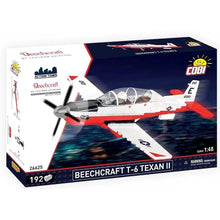 Vendor:Cobi Blocks
Cobi Blocks USN Beechcraft T-6 Texan II 192pc Creative Building Block Set
A 192-piece building block set that builds into an accurate replica of a naval training aircraft, a hands-on hobby pick for enthusiasts who enjoy detailed model construction.
Regular price $29.99Sale price $29.99 Regular priceUnit price per$34.99 -
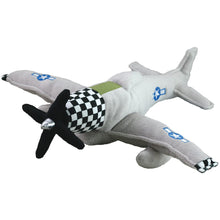 Vendor:Wow Toyz
Wow Toyz P-51 Mustang Cuddle Zoo Plush Plane
Plush WWII fighter plane recreated with historically accurate stitched details, a soft, huggable aviation companion for young aircraft fans.
Regular price $24.99Sale price $24.99 Regular priceUnit price per$26.95 -
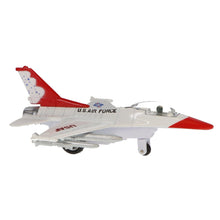 Vendor:Barry-Owen Co
F-16 Falcon 6" Pullback Diecast Airplane (1 Piece. Assorted Styles)
A 6-inch diecast fighter jet toy with realistic styling and interactive pullback action, a detailed and durable pick for young aviation fans who love hands-on play.
Regular price $12.99Sale price $12.99 Regular priceUnit price per$14.99 -
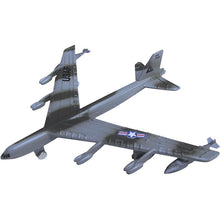 Vendor:Wow Toyz
Wow Toyz InAir B-52 Stratofortress Diecast Airplane
Compact 3.5 inch diecast model of a legendary strategic bomber, a detailed display piece for aviation collectors and military history enthusiasts of any age.
Regular price $9.99Sale price $9.99 Regular priceUnit price per


