




uAvionix AV-30-C Certified 3-Inch Digital Multi-Function Display (MFD)
TSO-certified 3-inch MFD combining attitude and navigation in one screen, replacing vacuum-driven gauges with over 14 selectable functions including AI and CDI/HSI.
Same-day shipping when ordered by 3 PM ET, Mon to Fri.
30-day returns on this item. Return policy
Earn $49.98 in Captain's Club Dividend. How it works
42833
Benefits
Benefits
Shipping & Delivery
Shipping & Delivery
Returns
Returns
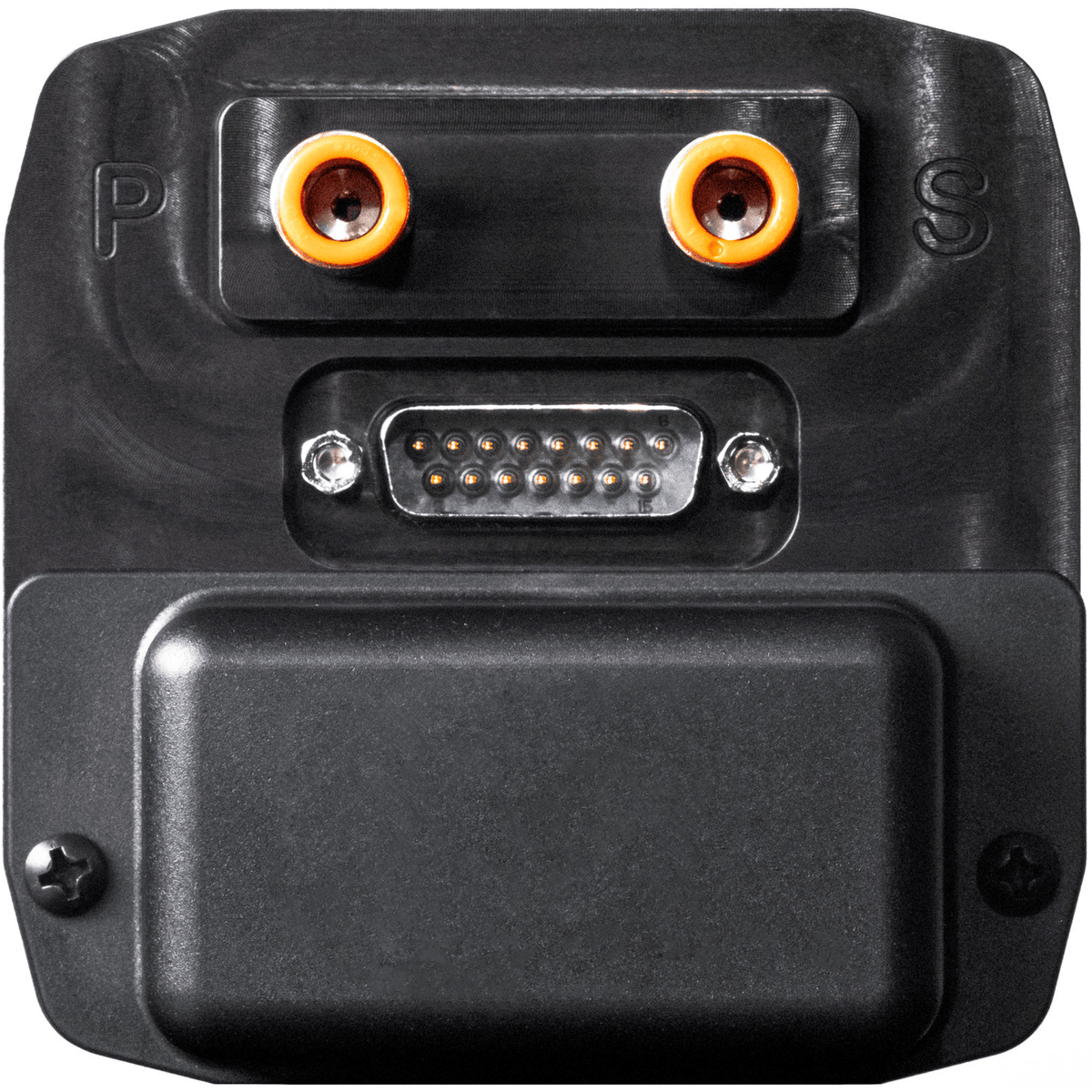
The uAvionix AV-30-C transforms your legacy panel into a modern digital cockpit without the need for major modifications. Designed to replace analog vacuum-driven instruments, this certified 3-inch display offers over 14 functions and customizable modes, including AI, DG, MFD, and CDI/HSI. By integrating seamlessly with your existing pitot-static system and GPS inputs, the AV-30-C reduces pilot workload by consolidating essential data like True Airspeed (TAS), Density Altitude, Bus Voltage, and G-loading into one sunlight-readable location.
Safety is at the forefront of the AV-30 design, featuring a probeless Angle of Attack system that calculates flight path and pitch to provide vital visual and aural warnings before a dangerous state is reached. For pilots seeking expanded utility, the unit is compatible with ADS-B solutions like tailBeaconX and can be paired with AV-HSI and AV-APA modules for IFR flying and legacy autopilot integration. With its fully customizable colors, fonts, and layouts, the AV-30-C provides the precision of modern avionics while preserving the clean, classic look of your aircraft's panel.



Frequently Asked Questions
What is the difference between the AV-30-C and the AV-30-E?
The AV-30-C is the certified version intended for type-certificated aircraft, installed under an FAA Supplemental Type Certificate and Approved Model List. The AV-30-E is the experimental version for amateur-built and light sport aircraft. The two share the same display hardware and core functions, so the main distinction is the certification path rather than the features.
What instruments does the AV-30-C replace?
The AV-30-C is designed to replace legacy vacuum-driven instruments such as the attitude indicator and the directional gyro. It installs in a standard 3-inch round cutout and consolidates attitude, slip, direction, altitude, vertical trend, and indicated airspeed into one digital display, helping reduce reliance on the aircraft vacuum system.
Can a single AV-30-C act as both the attitude indicator and the directional gyro?
A single AV-30-C displays one primary function at a time, such as attitude or directional gyro. Operators who want both as primary instruments typically install two units, one configured for each role. Check the current installation approvals and your shop's guidance for your specific aircraft before deciding how many units you need.
Is the AV-30-C approved for IFR flight?
The AV-30-C is certified under an FAA Supplemental Type Certificate as a primary attitude indicator and directional gyro replacement. When properly installed it can support the required gyroscopic instruments for instrument flight, and pairing it with the AV-HSI module adds course guidance. Confirm the approval details for your specific aircraft with your installer.
Does the AV-30-C connect to the pitot-static system?
Yes. The AV-30-C integrates with your existing pitot-static system so it can display indicated airspeed, altitude, vertical trend, and computed values like True Airspeed and density altitude. If your aircraft is operated under IFR, the pitot-static system generally needs to be checked and recertified after the unit is added. Your installer can advise on this.
How does the probeless Angle of Attack system work?
The AV-30-C calculates Angle of Attack from the aircraft's pitch and flight path along with G-loading, so no external probe or vane is required. As the aircraft approaches a dangerous angle, the unit provides visual and aural warnings to alert the pilot before reaching an unsafe state, supporting earlier awareness of an impending stall.
What flight data and display modes does the AV-30-C offer?
The AV-30-C offers over 14 functions and customizable modes, including attitude indicator, directional gyro, multi-function display, and CDI/HSI. It can show True Airspeed, density altitude, bus voltage, G-loading on a plus or minus 8 G meter, slip, vertical trend, and a GPS navigational overlay with HSI, 360 rose, and arc map views.
What ADS-B solutions and modules work with the AV-30-C?
The AV-30-C is compatible with ADS-B solutions such as the tailBeaconX for ADS-B Out. It can also pair with the AV-HSI module for added course guidance and integration with select digital autopilots, and the AV-APA module for legacy analog autopilot integration. Accessories are sold separately, so confirm the supported list with your installer.
Does the AV-30-C have a backup battery?
Yes. The AV-30-C includes an internal battery that provides a typical 2-hour operation window if aircraft power is lost, helping it continue to display attitude and other key data during an electrical failure. Actual runtime can vary with temperature and unit condition, so treat the 2-hour figure as a typical value rather than a guarantee.
Does the AV-30-C use a GPS input?
Yes. The AV-30-C accepts GPS data from a compatible panel-mount or portable source to drive its navigational overlay, including HSI, 360 rose, and arc map views. It acts as a display for that GPS data rather than a navigator itself, so the connected GPS source determines the navigation information that is available.
What aircraft is the AV-30-C approved for?
The AV-30-C is approved under an FAA Supplemental Type Certificate with an Approved Model List that covers many common type-certificated aircraft. Because the list is specific, verify that your exact aircraft make and model appears on the current Approved Model List before purchasing. Your installer can confirm eligibility for your airplane and the applicable installation paperwork.
Can I install the AV-30-C myself?
No. As a certified instrument, the AV-30-C must be installed by a qualified avionics technician, and the installation is documented with the appropriate FAA paperwork. The unit fits a standard 3-inch round instrument hole, but wiring, pitot-static connections, and the final signoff should be handled by a licensed shop for your specific aircraft.
-
 NewVendor:Garmin
Garmin D2 Mach 2 Pro Aviator Smartwatch - Carbon Gray DLC Titanium with Chestnut Leather Band
Top-tier aviator smartwatch with aviation database and moving-map nav, built with a 51mm titanium bezel and leather band for cockpit and everyday wear.
Regular price $1,549.99Sale price $1,549.99 Regular priceUnit price per$1,549.99 -
 Vendor:Appareo
Appareo Stratus 4 Portable ADS-B Receiver with Color Touch Screen and Replaceable Battery
For EFB apps: portable ADS-B with weather, traffic and WAAS GPS, featuring a full-color touch screen and the only user-replaceable battery in its category.
Regular price $849.00Sale price $849.00 Regular priceUnit price per -
 NewVendor:Garmin
Garmin D2 Air X15 Aviator Smartwatch: Slate with Black Silicone Band
A 1.4 inch AMOLED touchscreen puts critical flight data on your wrist, with direct-to airport navigation and a durable silicone band built for daily wear in the cockpit.
Regular price $649.99Sale price $649.99 Regular priceUnit price per$649.99 -
 NewVendor:Garmin
Garmin D2 Mach 2 Aviator Smartwatch: Carbon Gray DLC Titanium with Vented Titanium Bracelet (51 mm)
A rugged 51 mm DLC titanium case and sapphire lens protect a bright AMOLED display loaded with aviation databases and moving maps for pilots who accept zero compromise.
Regular price $1,499.99Sale price $1,499.99 Regular priceUnit price per$1,499.99 -
 Vendor:Garmin
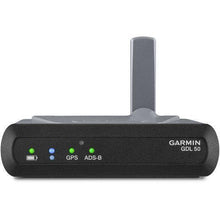
Garmin GDL 50 Portable ADS-B Datalink Receiver 010-01561-00
Portable ADS-B receiver with free FIS-B weather and an 8-hour battery, adding a built-in GPS and backup attitude data to boost situational awareness in the cockpit.
Regular price $850.00Sale price $850.00 Regular priceUnit price per$900.00 -
 SaleVendor:Garmin
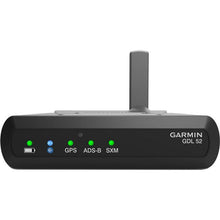
Garmin GDL 52 Portable SiriusXM AHRS ADS-B Receiver: All-in-One Aviation Receiver
Portable ADS-B receiver with SiriusXM weather and built-in AHRS, turning any EFB into a complete cockpit information display for traffic, terrain, and backup attitude.
Regular price $1,360.00Sale price $1,360.00 Regular priceUnit price per$1,425.00 -
 NewVendor:uAvionix
uAvionix skySensor TSO-Certified ADS-B In Wingtip Sensor UAX-90098-01
ADS-B In wingtip sensor streaming traffic and weather to your EFB, a TSO-certified unit on the right wingtip that pairs with skyBeacon for full awareness.
Regular price $750.00Sale price $750.00 Regular priceUnit price per -
 NewVendor:Zoleo
ZOLEO Satellite Communicator (ZL1500) | Limestone Edition
Satellite SOS messenger with weather, IP68 waterproof housing and app texting, a flight bag-ready safety tool for GA pilots flying beyond cell coverage.
Regular price $199.00Sale price $199.00 Regular priceUnit price per -
 Vendor:Garmin
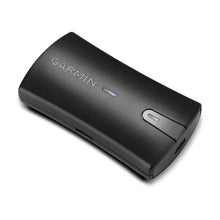
Garmin GLO 2 Aviation Bundle: Portable Bluetooth GPS & GLONASS Receiver 010-02184-00
Portable Bluetooth GPS position source for EFBs with a 13-hour battery, updating position 10 times per second for smooth, reliable moving-map tracking on any tablet.
Regular price $140.00Sale price $140.00 Regular priceUnit price per -
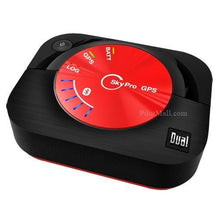 Vendor:Dual Electronics Corporation
Dual Electronics SkyPro XGPS160: Multi-Device Aviation GPS Receiver
Portable Bluetooth GPS feeding tablet position, 10-hour battery, pairing with up to five Bluetooth devices at once for modern multi-tablet cockpit setups.
Regular price $169.99Sale price $169.99 Regular priceUnit price per


