




Smith & Wesson Night Guard Dual-Beam Flashlight (Red & White LED)
A 310-lumen white beam lights up leading edges, cowlings, and landing gear on a dark ramp, while the red beam preserves night vision for reading charts in the cockpit.
Same-day shipping when ordered by 3 PM ET, Mon to Fri.
30-day returns on this item. Return policy
Earn $0.37 in Captain's Club Dividend. How it works
40750
Benefits
Benefits
Shipping & Delivery
Shipping & Delivery
Returns
Returns
The Only Flashlight You Need for Night Ops.
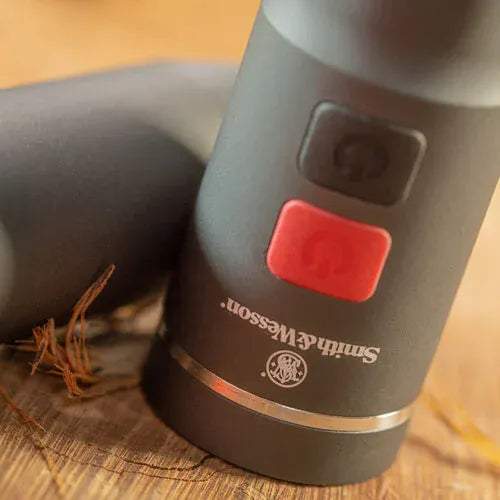
A reliable flashlight is one of the few "go/no-go" items in a pilot's flight bag, especially when the sun goes down. The Smith & Wesson Night Guard Dual-Beam Flashlight is designed to handle the specific needs of aviation without weighing you down. For the pre-flight inspection on a dark ramp, you have a powerful 310-lumen white beam that easily illuminates leading edges, engine cowlings, and landing gear.
Once you climb inside the cockpit, a simple switch lets you transition to a red beam. This allows you to read charts, check checklists, or organize your kneeboard without ruining the night vision you spent thirty minutes acquiring. At under five inches long, it fits perfectly in a shirt pocket or headset bag, and the aerospace-grade aluminum construction ensures it survives the bumps and drops of hangar life. It is a compact powerhouse that solves the "two flashlight" problem for pilots.



Frequently Asked Questions
How bright is the Smith & Wesson Night Guard Dual-Beam Flashlight?
The white LED produces 310 lumens of bright light. That is enough output to clearly illuminate leading edges, engine cowlings, landing gear, tail surfaces, and control linkages during a preflight inspection on a dark ramp. The separate red LED is intentionally dimmer for cockpit work, where preserving your night vision matters more than raw brightness.
How do you switch between the red and white beams?
This flashlight uses independent buttons, one dedicated to the white light for inspection and one to the red light for cockpit operations. Because each color has its own button, you go straight to the beam you want instead of cycling through a single switch. That lets you grab red light without accidentally flashing bright white and ruining your dark adaptation.
Why do pilots use the red light, and what does it actually do?
The red LED lets you read charts, run checklists, and organize your kneeboard without destroying the night vision you spent time acquiring. Your eyes are far less sensitive to red wavelengths, so a red beam keeps your pupils adapted to darkness. It also avoids blinding passengers in the cabin. Use red for any task inside a dark cockpit.
When should I use white light versus red light?
Use the 310-lumen white beam outside the aircraft for the preflight walkaround, where you need maximum visibility to inspect surfaces and linkages. Switch to the red beam once you climb inside the cockpit for reading charts, checklists, and instruments. Bright white light in a dark cockpit can take many minutes of night vision to recover, which is why the red mode exists.
How long does it run on a set of batteries?
It is rated for about a 2.25-hour runtime on a single set of batteries. That suits its intended role as a preflight and cockpit task light rather than an all-night spotlight. For longer trips or night cross-country flying, it is smart to carry fresh spare batteries as backup so you are never caught with a dead light.
How big is it, and will it fit in a flight bag or shirt pocket?
The flashlight measures under five inches in length, so it slips easily into a shirt pocket, a headset bag, or a flight bag pocket without adding bulk or weight. That compact size is part of what makes it practical to keep within reach for both the walkaround and in-cockpit use, rather than something you leave behind.
How durable is it, and what is it made of?
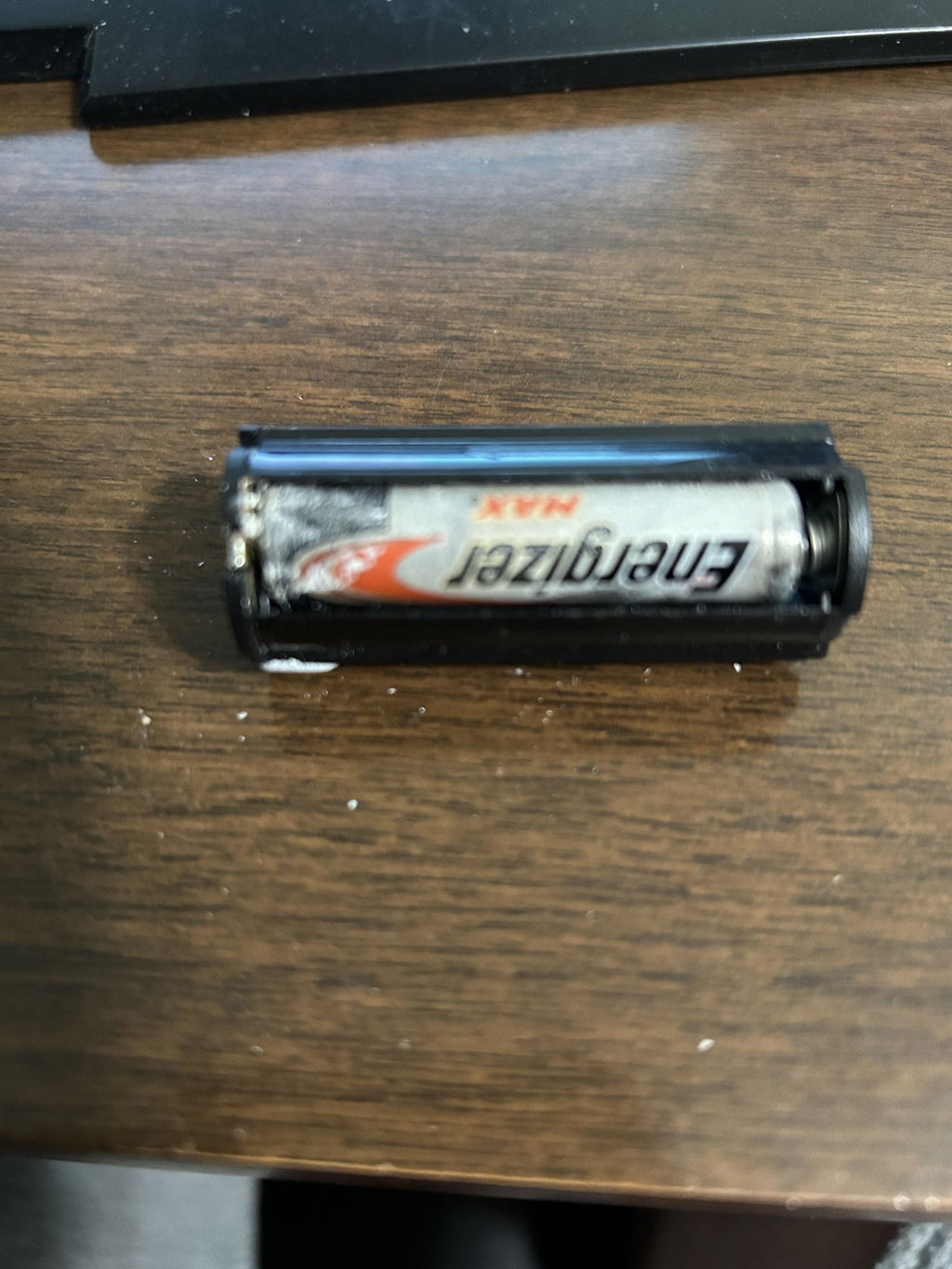
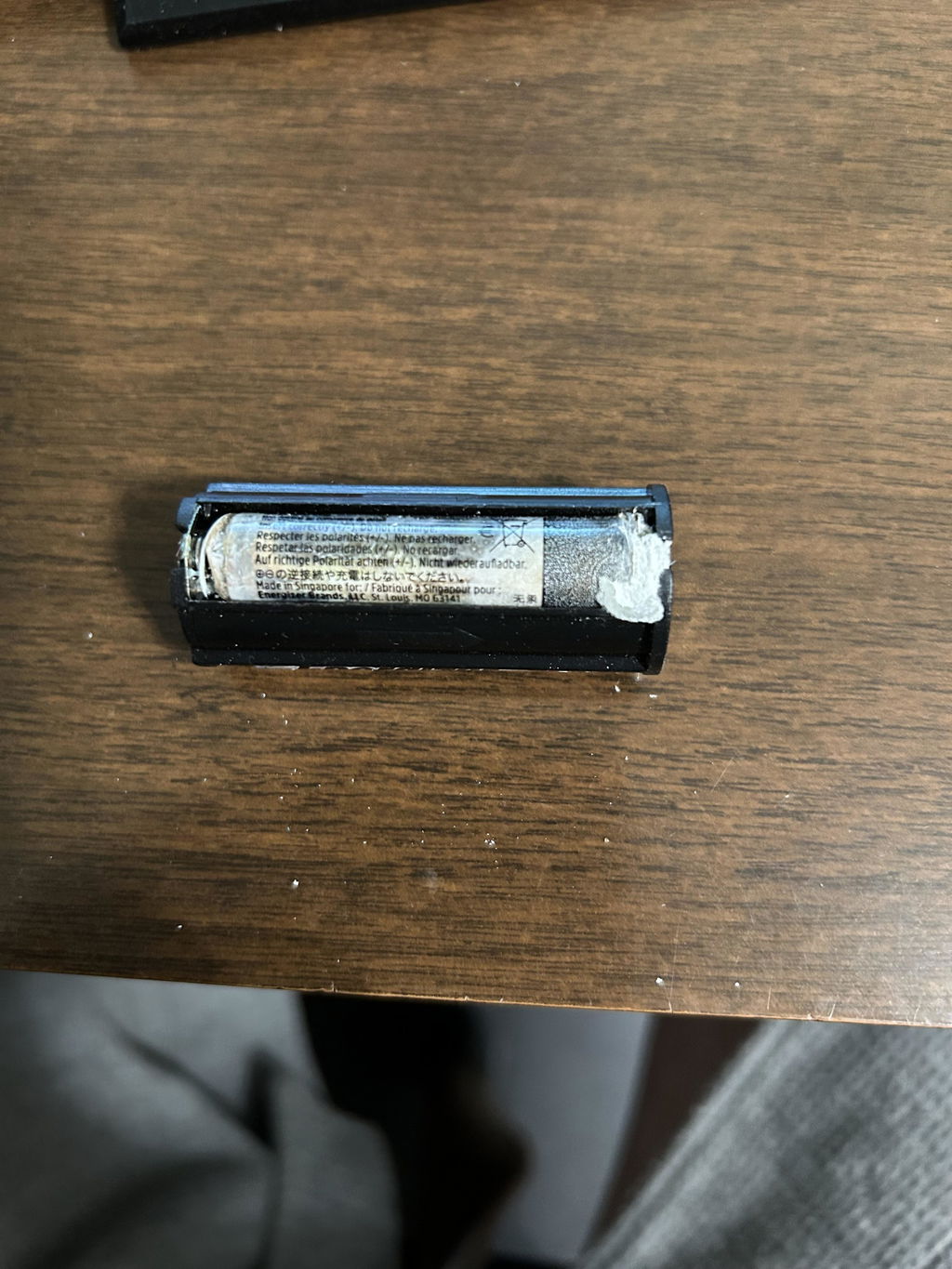
It is machined from aerospace-grade aluminum, the same kind of tough, lightweight material that makes it impact-resistant and able to handle the bumps and drops of hangar and ramp life. The body is built to survive being knocked around in a flight bag. For best results, keep the battery compartment clean and dry so the contacts stay in good shape.
Why is a dual-beam flashlight better than carrying two separate lights?
A dedicated white light for inspections and a separate red light for the cockpit normally means carrying two flashlights. This single tool puts both in one compact body with independent buttons, so it solves the two-flashlight problem. You get powerful white light for the walkaround and night-vision-friendly red light inside, without digging for a second light or swapping filters.
How do I confirm I am buying the correct model?
The manufacturer part number is 1117279, the 310-lumen white plus red dual-beam version sized under five inches for the preflight and cockpit role pilots actually need. Smith & Wesson offers several flashlights with similar names, so always match the manufacturer part number when comparing listings to be sure you get this exact light.
Is this flashlight a good gift for a pilot or student pilot?
Yes. A reliable flashlight is one of the few go or no-go items in a pilot's flight bag, which makes this a genuinely useful gift for student pilots, private pilots, and aviation enthusiasts. It is compact, dual-purpose, and built to last, so it earns a permanent spot in a flight bag. Click for Price to check current availability.
-
 Best sellerVendor:Coast
Coast PX20 Professional Dual-Color Aviation Pilot Flashlight
Dual-color white and red LED light for preflight and night ops, with a powerful 315-lumen white beam and a gentle red mode that preserves in-cockpit night vision.
Regular price $24.99Sale price $24.99 Regular priceUnit price per$27.99 -
 Vendor:Greatland Laser, LLC
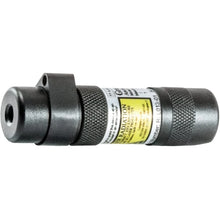
Greatland Laser Aviation Rescue Light with Superior Visibility
Handheld rescue laser that stays visible for miles, survival-ready at just 3 ounces with a 20-plus mile nighttime range for a pilot's emergency signaling kit.
Regular price $119.99Sale price $119.99 Regular priceUnit price per$142.99 -
 Vendor:Panther Vision
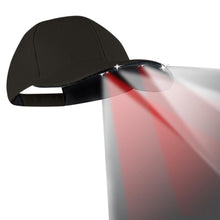
Powercap Navigator LED Hat for Night Flying Red and White LEDs
LED hat with red and white beams for hands-free night flying, using a 6-LED setup with independent switches so preflight walkarounds stay truly hands-free.
Regular price $24.99Sale price $24.99 Regular priceUnit price per -
 Vendor:ASA
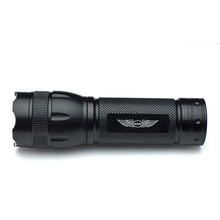
ASA AirClassics Flightlight - Compact 3-in-1 LED Flashlight for Pilots
Compact 3-in-1 LED flashlight on AAA power for everyday preflight, cycling from a bright 180-lumen white beam to red or green modes that protect your night vision.
Regular price $21.99Sale price $21.99 Regular priceUnit price per$24.95 -
 Vendor:Flight Outfitters
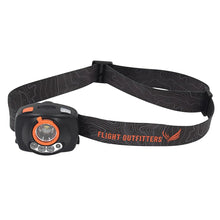
Flight Outfitters Horizon Headlamp: Pilot Night Vision Gear
Pilot headlamp with red and white beams for hands-free night flying, an 80 lumen LED for thorough preflight checks plus four red LEDs that protect night vision.
Regular price $29.95Sale price $29.95 Regular priceUnit price per -
 Vendor:FliteLite
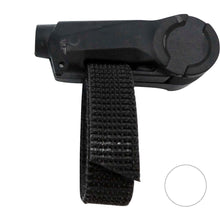
FliteLite Pro NVIS White Pilot Finger Light | Military Grade Night Vision
Military-grade NVIS-white finger light for hands-free chart reading, with a recessed, drop-resistant LED that cuts glare for clean night map and panel visibility.
Regular price $29.99Sale price $29.99 Regular priceUnit price per$34.95 -
 Vendor:Flight Outfitters
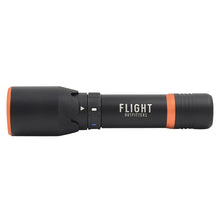
Flight Outfitters Charter Ops Multi-Color Aviation Flashlight
Rechargeable multi-color flashlight for preflight and cockpit use, a compact 6.25 inch, 0.5 pound light with a 3-hour runtime that stows easily in any flight bag.
Regular price $59.95Sale price $59.95 Regular priceUnit price per -
 Vendor:Surefire
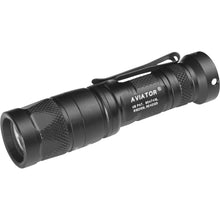
Surefire Aviator Professional Dual-Output Pilot Flashlight: 250 Lumens
250-lumen light with color LEDs that protect your night vision, with a lockable selector switch for instant access during preflight checks or night approaches.
Regular price $314.00Sale price $314.00 Regular priceUnit price per$349.00 -
 NewVendor:Dex
DEX FingerLight Protective EVA Storage Case
Protective case that keeps your finger light safe in the bag, a 1.4 oz molded EVA shell with a cut foam interior and an aluminum alloy carabiner for clipping onto any kit.
Regular price $9.99Sale price $9.99 Regular priceUnit price per -
 Vendor:Coast
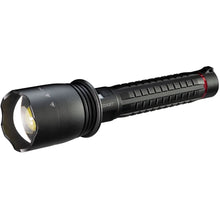
Coast XP80R High Lumen Rechargeable Pilot Flashlight
High-output rechargeable spotlight for ramp and hangar inspections, throwing 15,000 lumens for confident night operations and thorough preflight checks.
Regular price $139.99Sale price $139.99 Regular priceUnit price per$142.99

