




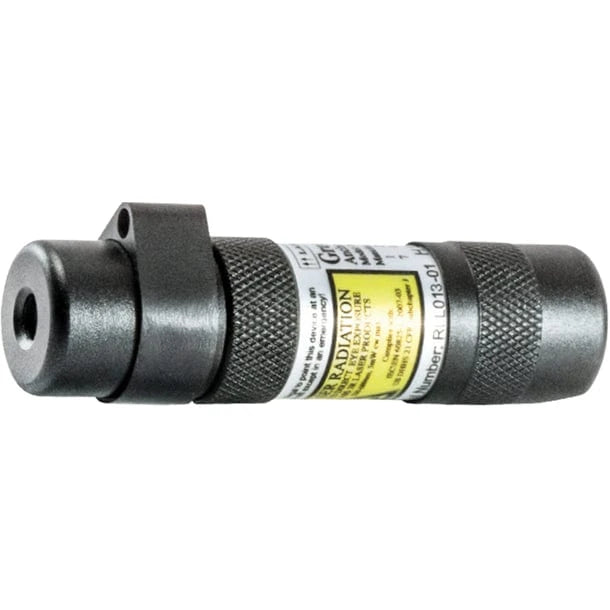


Greatland Laser Aviation Rescue Light with Superior Visibility
Handheld rescue laser that stays visible for miles, survival-ready at just 3 ounces with a 20-plus mile nighttime range for a pilot's emergency signaling kit.
18848
Benefits
Benefits
Shipping & Delivery
Shipping & Delivery
Returns
Returns
The Greatland Laser Aviation Rescue Light is the pinnacle of aviation emergency laser signal technology, offering pilots unmatched visibility in life-or-death situations.
This pilot emergency signaling device boasts a 20+ mile nighttime visibility range and a 3-mile reach during daylight, surpassing standard aviation flashlights.
Engineered for Aviation Emergencies
In critical moments, such as unexpected fog or emergency landings, the Greatland Laser Aviation Rescue Light stands out. Its high-visibility red beam is specifically designed for aviation emergencies, not adapted from general-purpose lighting. Professional pilots, private aircraft owners, and search and rescue personnel trust this aviation safety equipment for its quick twist-on operation. Weighing just 3 ounces, it fits seamlessly into any pilot survival kit without adding bulk. Its waterproof construction ensures reliability in adverse weather or water landings.
Long-Lasting and Reliable
With a 40-hour battery life from a single lithium battery, this aircraft distress signal light is ready for long flights or backcountry adventures. Unlike competitors, Greatland Laser's aviation-specific technology offers both reliability and portability. This track record makes it the trusted choice for commercial pilots needing equipment that meets rigorous safety standards and adventure pilots facing challenging conditions.
Rely on the Greatland Laser Aviation Rescue Light for superior visibility: 20+ miles through fog, lightweight, waterproof, and aviation-engineered for your safety. Order yours today!
Frequently Asked Questions
How far away can the Greatland Aviation Rescue Light be seen?
Under optimal conditions the red laser is visible up to 20 miles away at night and about 3 miles in daylight. That long range lets searching aircraft, boats, or ground rescuers spot your signal from well beyond the reach of a standard flashlight, helping you be located faster in an emergency.
What color is the rescue laser beam and why red?
It projects a bright red beam. Red stands out sharply against sky and terrain and is widely recognized as an emergency signal color, which helps rescuers identify your light as a deliberate distress signal rather than ordinary ground lighting while they are scanning a search area at distance.
What battery does it use and how long does it last?
It runs on a single replaceable 3-volt CR123 lithium battery that delivers up to 40 hours of continuous operation. That far outlasts a pyrotechnic flare, which burns for only seconds, so you can keep signaling across an extended search window without running out of power during a long night.
How much does it weigh and how portable is it?
It weighs just 3 ounces, so it adds almost no bulk to a flight bag, ditch kit, or pilot survival kit. The compact, lightweight design fits easily in a pocket and stays within reach for fast, reliable access during an emergency when every second matters.
Is it waterproof?
Yes. The rugged waterproof construction keeps the device working after rain, immersion, or a water landing. That durability makes it a dependable choice for over-water flights, float operations, and any mission where wet conditions are likely to be encountered while you wait for rescue.
Why can't I see the beam myself when I shine it into the distance?
Laser light is highly directional, so unlike a flashlight cone you usually will not see a visible streak unless the beam crosses your own line of sight or strikes fog, dust, or a reflective surface. This is normal. Aim toward your target and sweep slowly so the light reaches the person you want to signal.
Is it eye safe, and can it blind a pilot?
The device spreads its light rather than holding a concentrated point on a target, and the manufacturer describes it as eye safe at normal signaling distances. It delivers only a brief flash as it crosses someone's vision and is not intended to impair a pilot, unlike a high-power laser pointer.
Is it legal to signal an aircraft with this rescue laser?
Laser emergency signaling devices are designed specifically to send a distress signal to rescuers, unlike ordinary laser pointers. This product is built for that emergency signaling purpose. Use it only in a genuine emergency to summon help and follow current regulations, since rules on aiming any laser at aircraft are strict.
Can I bring it on a flight in carry-on or checked baggage?
It uses a CR123 lithium battery, which travelers may generally pack installed in the unit in either carry-on or checked baggage, while spare lithium batteries must travel in carry-on only. Always confirm current TSA guidance before you fly, since the screening officer makes the final call at the checkpoint.
How does it compare to a traditional flare?
Unlike pyrotechnic flares, this rescue light is non-flammable with no fire hazard, so it has no special storage concern and is safe to carry in a flight bag. It is reusable and can signal for up to 40 hours on one battery, while a flare burns only briefly, making the laser a longer-lasting, safer option.
Does this replace a PLB, EPIRB, or ELT?
No. It is a visual line-of-sight signaling device, not a satellite distress beacon. It complements a PLB, EPIRB, or ELT by helping nearby rescuers pinpoint your exact location once they are already searching the area. Many pilots carry both: the beacon to alert responders and the laser to guide them in.
Who makes it and what is the part number?
It is made by Greatland Laser, LLC, and the manufacturer part number is RLL013-01. Referencing this number helps confirm you are buying the aviation Rescue Laser Light model with the 20-plus mile nighttime range and 40-hour CR123 runtime, rather than another signaling product in the Greatland line. Click for Price on this page.
-
 Vendor:Coast
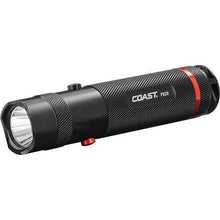
Coast PX20 Professional Dual-Color Aviation Pilot Flashlight
Dual-color white and red LED light for preflight and night ops, with a powerful 315-lumen white beam and a gentle red mode that preserves in-cockpit night vision.
Regular price $24.99Sale price $24.99 Regular priceUnit price per$27.99 -
 Vendor:ASA
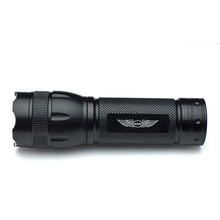
ASA AirClassics Flightlight - Compact 3-in-1 LED Flashlight for Pilots
Compact 3-in-1 LED flashlight on AAA power for everyday preflight, cycling from a bright 180-lumen white beam to red or green modes that protect your night vision.
Regular price $21.99Sale price $21.99 Regular priceUnit price per$24.95 -
 Vendor:Panther Vision
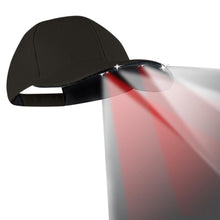
Powercap Navigator LED Hat for Night Flying Red and White LEDs
LED hat with red and white beams for hands-free night flying, using a 6-LED setup with independent switches so preflight walkarounds stay truly hands-free.
Regular price $24.99Sale price $24.99 Regular priceUnit price per -
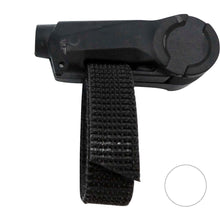 Vendor:FliteLite
FliteLite Pro NVIS White Pilot Finger Light | Military Grade Night Vision
Military-grade NVIS-white finger light for hands-free chart reading, with a recessed, drop-resistant LED that cuts glare for clean night map and panel visibility.
Regular price $29.99Sale price $29.99 Regular priceUnit price per$34.95 -
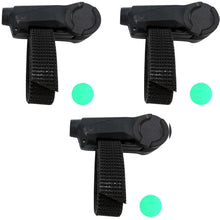 Vendor:FliteLite
FliteLite Pro NVIS Green Pilot Finger Light Military-Grade 3 Pack
Three NVIS-green finger lights, enough for the whole flight deck, each with a battery-saving 10-minute auto-off so they are ready the next time you need them.
Regular price $79.99Sale price $79.99 Regular priceUnit price per$87.38 -
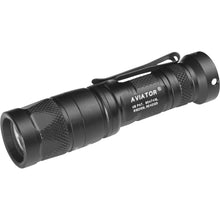 Vendor:Surefire
Surefire Aviator Professional Dual-Output Pilot Flashlight: 250 Lumens
250-lumen light with color LEDs that protect your night vision, with a lockable selector switch for instant access during preflight checks or night approaches.
Regular price $314.00Sale price $314.00 Regular priceUnit price per$349.00 -
 NewVendor:Dex
DEX FingerLight + Protective EVA Case Combo
Finger-worn light plus a protective case for hands-free tasks, a bundle for aviators, crew chiefs, and maintenance pros needing reliable light on dark ramps.
Regular price $49.99Sale price $49.99 Regular priceUnit price per -
 NewVendor:Dex
DEX FingerLight - The Light That Follows Your Finger
Rechargeable finger light that follows your finger, hands-free, throwing a beam up to 36 feet yet soft for close work, rated IPX7 waterproof for the flight line.
Regular price $44.99Sale price $44.99 Regular priceUnit price per$54.95 -
 NewVendor:Greatland Laser, LLC
Greatland Laser Rescue Laser Flare Magnum - Red Signaling Light RLFAA024-01
Runs up to 72 hours on standard AA batteries, keeping you visible to search and rescue teams through the night and following days from any flight bag or survival kit.
Regular price $129.99Sale price $129.99 Regular priceUnit price per -
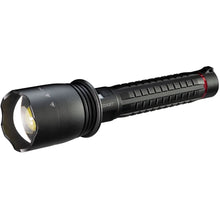 Vendor:Coast
Coast XP80R High Lumen Rechargeable Pilot Flashlight
High-output rechargeable spotlight for ramp and hangar inspections, throwing 15,000 lumens for confident night operations and thorough preflight checks.
Regular price $139.99Sale price $139.99 Regular priceUnit price per$142.99


