




CamGuard Aviation Oil Additive for Ultimate Engine Protection
Oil additive that fights corrosion and wear between flights, an FAA-accepted 11-component formula built to maximize engine life and cut long-term maintenance costs.
23069
Benefits
Benefits
Shipping & Delivery
Shipping & Delivery
Returns
Returns
CamGuard Oil Additive is an advanced aircraft engine oil additive designed to enhance piston engine performance by reducing wear, corrosion, deposits, and seal degradation.
Unmatched Engine Protection with CamGuard's exclusive 11-component formula, offering comprehensive protection that standard oils cannot match.
CamGuard is the best oil additive for piston engines, consistently extending time between overhauls and reducing maintenance costs. Whether managing a vintage warbird, a flight training fleet, or charter aircraft, CamGuard addresses unique challenges. Its multifunctional components prevent engine corrosion during storage, reduce wear during start-up, and maintain seal flexibility to prevent leaks.
Proven Benefits for All Users
Flight schools report reduced unscheduled maintenance, while antique aircraft enthusiasts rely on CamGuard's corrosion inhibitor to preserve engines. Compatible with mineral, semi-synthetic, and fully synthetic oils, it integrates seamlessly into maintenance protocols without affecting warranties. From Cessna trainers to rare radial engines, CamGuard delivers protection that lowers operating costs and enhances safety.
Maximize engine life and minimize costs with CamGuard's FAA-accepted, 11-component formula, delivering ultimate protection against wear, corrosion, and deposits, especially for engines that sit idle. Protect your engine with CamGuard today!
Frequently Asked Questions
What does CamGuard do inside a piston aircraft engine?
CamGuard uses an eleven component formula that targets the main causes of engine wear. It reduces metal to metal contact at startup, inhibits corrosion on internal surfaces, helps prevent varnish and carbon deposits, and conditions seals to keep them flexible and reduce leaks. The goal is longer engine life and lower maintenance costs.
What types of aircraft engines can use CamGuard?
CamGuard is made for piston aircraft engines, including popular Lycoming and Continental powerplants found in trainers, charter aircraft, and personal planes. It is also used in vintage warbirds and radial engines. It is intended only for piston engines and integrates into standard oil maintenance for both fleets and individual aircraft owners.
Is CamGuard compatible with synthetic and mineral aviation oils?
Yes. CamGuard is designed to work with mineral, semi synthetic, and fully synthetic aviation piston engine oils. It is added to your existing oil rather than replacing it, so you can keep using your preferred brand and viscosity while gaining its wear, corrosion, and seal protection benefits.
How much CamGuard do I add per quart of oil?
Follow the dosing printed on the bottle label, which specifies how much CamGuard to add per quart of oil. Add it at every oil change, and add the same proportion with each quart of makeup oil you put in between changes, so the protective ratio stays consistent throughout your engine.
How many quarts does one bottle of CamGuard treat?
Coverage depends on the bottle size you buy and the dosing printed on the label. A single standard bottle treats a typical small piston aircraft sump for one oil change. Owners with larger sumps or multiple aircraft often choose a larger size for better value per quart of oil treated.
Does CamGuard protect engines that sit idle or are flown infrequently?
Yes. Protecting idle engines is a core purpose of CamGuard. Its corrosion inhibitors guard internal metal surfaces during storage and between flights, which is when rust and pitting tend to form. This makes it popular for vintage aircraft, seasonal flyers, and any engine that does not fly every week.
Is CamGuard FAA approved or accepted?
CamGuard is described as an FAA accepted oil additive formulated for piston aircraft engine oils. It is not sold as a separate engine modification approval. Because it is an accepted additive used with approved aviation oils, it fits into normal engine operation without conflicting with standard maintenance requirements for most piston aircraft.
Will using CamGuard affect my engine warranty?
CamGuard is an accepted additive intended for use with approved aviation oils and integrates into normal maintenance protocols without affecting engine warranties when used as directed. If you have a specific warranty concern, confirm with your engine maker or your maintenance shop before your next scheduled oil change.
How often should I add CamGuard?
Add CamGuard at every oil change, and top it off with any makeup oil you add between changes. Each fresh fill of oil needs its own dose because the additive leaves with the old oil when you drain it. Keeping the dosing consistent maintains protection throughout the life of the engine.
How is CamGuard different from general purpose oil additives?
CamGuard is an additive built specifically for piston aircraft engines, with its formula aimed at corrosion, wear, and deposit protection. General purpose products such as Marvel Mystery Oil are not formulated or accepted as aviation engine additives in the same way. CamGuard targets the specific failure modes of aircraft piston engines.
What is the shelf life of CamGuard, and how should I store it?
Check the date printed on the bottle for the labeled shelf life. After that date you can visually inspect the contents, and if there is no separation or solid material present the product is generally still usable. Store it sealed at room temperature and away from extreme heat or freezing for best results.
-
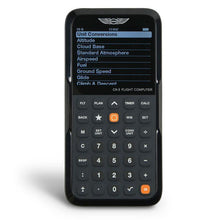 Vendor:ASA
ASA CX-3 Flight Computer: Ultimate Electronic E6-B Calculator
Electronic E6B that runs flight and fuel math, approved for the ACS and the only electronic E6B certified for both FAA and Canadian knowledge exams.
Regular price $127.99Sale price $127.99 Regular priceUnit price per$149.95 -
 NewVendor:Runway Selector
Aviation Runway Selector and Crosswind Component Tool
Slide tool that picks the best runway and reads crosswind component in seconds, a compact aid that cuts cockpit workload during preflight planning.
Regular price $19.95Sale price $19.95 Regular priceUnit price per -
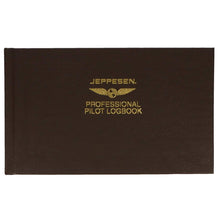 Vendor:Jeppesen Sanderson
Jeppesen Professional Pilot Logbook Durable 10-Year Flight Record
Professional pilot logbook with a durable 10-year flight record, printed on 256 pages of green ledger paper that reduces eye strain during long logging sessions.
Regular price $34.95Sale price $34.95 Regular priceUnit price per -
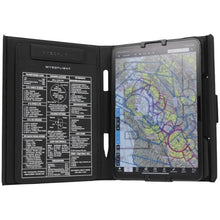 Vendor:MyGoFlight
MyGoFlight Skyfolio Rotating Kneeboard for Pilots (Fits tablets 9"-11")
Rotating kneeboard for a 9 to 11-inch tablet, portrait or landscape, with 360-degree rotation and spring-loaded clips that grip iPads and similar EFBs securely.
Regular price $199.00Sale price $199.00 Regular priceUnit price per$219.00 -
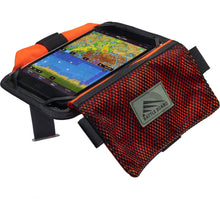 Vendor:Battleboard
Battleboard Kneeboard - Tech Edition (V2) - iPad and Tablets
Rugged tablet kneeboard that keeps a tablet rock-steady on your leg, with G-hooks laser-cut from recycled 81mm mortar ammo cans for military-grade durability.
Regular price From $79.99Sale price From $79.99 Regular priceUnit price per$89.95 -
 Vendor:Aero Phoenix
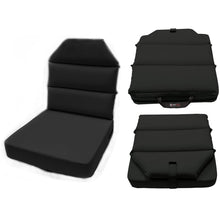
Fire-Resistant Pilot Seat Cushion Set for Enhanced Comfort & Visibility
Fire-resistant seat and back cushion set for comfort and sight lines, with a tufted 14.5x14.5 inch back cushion adding lumbar support on long cross-country legs.
Regular price From $129.99Sale price From $129.99 Regular priceUnit price per$149.99 -
 Vendor:Checkmate Aviation
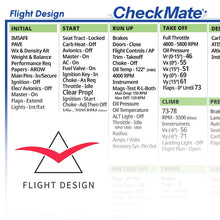
Flight Design CTLS Checkmate+ Standard Size Comprehensive Pilot Checklist (Modernized and Updated)
Fold-out checklist for a fixed-gear single with a standard panel, sized at 6.5 by 9 inches to fit your flight bag or side pocket without cluttering the panel.
Regular price $35.00Sale price $35.00 Regular priceUnit price per -
 Vendor:The Claw
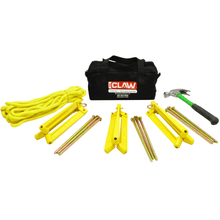
The Claw High-Strength Aircraft Tie Down Anchors
High-strength tie-down anchors that hold a parked aircraft in wind, each anchor rated for 1,200 lbs of holding power for reliable overnight and storm tie-downs.
Regular price $134.99Sale price $134.99 Regular priceUnit price per$169.99 -
 Vendor:Sensorcom
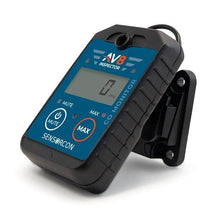
Sensorcon AV8 Inspector - Portable Carbon Monoxide Monitor for Aviation
Portable CO monitor that warns of carbon monoxide in the cockpit, giving pilots early detection to help prevent CO-related accidents and health risks in flight.
Regular price $164.00Sale price $164.00 Regular priceUnit price per -
 Vendor:MJ Modica Products Co
BLOCKALLS IFR View Limiting Device: The Evolution of Instrument Training
View-limiting device that blocks outside cues for instrument training, now 30% lighter with a barely-there feel that eliminates fatigue and pressure points of older designs.
Regular price $22.49Sale price $22.49 Regular priceUnit price per$26.95


