




PilotMall.com Sound Silencer Passive Aviation Headset with Phone Interface
23364
Benefits
Benefits
Shipping & Delivery
Shipping & Delivery
Returns
Returns

Discover the Best Passive Aviation Headset for long flights without breaking the bank: the PilotMall.com Sound Silencer Passive Aviation Headset.
This lightweight headset offers professional-grade features at a fraction of the cost, making it ideal for both student pilots and seasoned aviators.
Engineered by pilots, this headset provides 25 dB noise reduction for reliable aircraft noise protection. The integrated cell phone interface and auxiliary audio connections allow direct connection to your favorite devices, ensuring seamless cockpit communications. Dual volume controls and mono/stereo capability pair with the professional-grade noise-cancelling microphone for crystal-clear audio clarity throughout all flight phases.
Comfort and Connectivity for Pilots
Comfort is paramount with soft leatherette ear seals and a pillow-top head pad, making long flights enjoyable. Weighing just 15 ounces, it offers a crucial advantage in comfort, impacting flight safety and concentration. The 3-year warranty provides peace of mind, while the affordable price makes professional aviation ear protection accessible to all pilots.
Fly quieter and communicate clearer with the lightweight, pilot-designed PilotMall.com Sound Silencer passive headset. Experience professional-grade comfort, seamless phone connectivity, and unbeatable value, upgrade your cockpit today!
Headset Specifications
| Active Noise Reduction (ANR) | No |
|---|---|
| Bluetooth | No |
| TSO Certified | No |
| Weight | 15 Ounces |
| Battery Type | N/A |
| Battery Life | N/A |
| Warranty | 3 Years |
| Auto Shut-off | N/a |
| Aux Audio Input | Yes |
Frequently Asked Questions
What is the difference between this passive headset and an ANR headset?
This is a passive headset, meaning it blocks engine noise mechanically through dense ear cups, tight seals, and cushioned padding rather than electronics. It delivers 25 dB of noise reduction and needs no batteries or power. Active noise reduction headsets add electronic cancellation on top, but cost more and rely on batteries. This model focuses on dependable protection and value.
Is 25 dB of noise reduction enough for a piston trainer like a Cessna 172?
Yes, for most general aviation aircraft this noise reduction is sufficient. Cockpit noise in a typical piston single often runs around 85 to 95 dB, and 25 dB of passive attenuation brings exposure down toward safer levels while keeping radio calls clear. The Sound Silencer pairs that protection with a noise-cancelling microphone so communications stay crisp through all phases of flight.
Is this a good headset for a student pilot?
Yes. It was engineered by pilots to offer professional-grade features at an affordable price, making it a popular first headset for student pilots and a solid backup for seasoned aviators. It provides 25 dB of hearing protection, clear communications, and a lightweight, comfortable fit, so you can focus on flying without battery worries during early training.
How does the phone interface work?
The headset includes an integrated cell or sat phone interface plus a separate auxiliary audio input. These let you connect compatible devices directly through the headset, so you can take a call, get a clearance on the ground, or listen to audio without removing it. Dual volume controls let you balance device audio with cockpit communications.
How do I connect a phone or music player to the headset?
Use the headset's dedicated cell or sat phone interface for calls and the auxiliary audio input for music or tablet audio, connecting your device with the appropriate cable. The dual volume controls then let you set a comfortable level for each ear. Always manage device audio responsibly so it never interferes with critical radio communications in flight.
Will this headset work in a standard general aviation aircraft?
This is a general aviation headset designed for typical piston and light aircraft cockpits. Most GA aircraft use twin plug intercom jacks, where the larger plug carries headphone audio and the smaller plug carries the microphone. Before flying an unfamiliar aircraft or a helicopter, confirm your jack type, since some aircraft use different connectors.
What is mono and stereo capability and why does it matter?
This headset offers mono and stereo capability, so it can work with both mono and stereo intercom and audio panels. Mono sends the same audio to both ears, while stereo can separate sound between them in compatible systems. The dual volume controls let you fine-tune each side, helping you hear radio calls and connected device audio clearly and comfortably.
Does the headset require batteries?
No. Because it is a passive headset, it uses no electronics for noise reduction and needs no batteries to operate. The 25 dB of attenuation comes from soft leatherette ear seals, a cushioned head pad, and snug ear cups. That means one less thing to charge or replace, and dependable protection on every flight without an automatic shutoff or power source.
How much does it weigh and is it comfortable for long flights?
The Sound Silencer weighs just 15 ounces, which is light for a passive headset and helps reduce fatigue on extended flights. Comfort features include soft leatherette ear seals and a pillow-top head pad designed for all-day wear. Lower weight and good padding ease clamping pressure, which can support better concentration and comfort during longer time in the cockpit.
What warranty does this headset come with?
The PilotMall.com Sound Silencer passive headset is backed by a 3-year warranty.
What kind of microphone does it use?
It uses a professional-grade noise-cancelling microphone designed to reject cockpit background noise and deliver clear transmissions. Combined with the 25 dB passive attenuation and dual volume controls, the microphone helps keep your radio communications crisp throughout taxi, takeoff, cruise, and landing, which is especially valuable for student pilots learning to communicate clearly with air traffic control.
How do I care for and clean the headset and ear seals?
Wipe the leatherette ear seals and head pad gently with a soft, lightly dampened cloth and let them air dry, avoiding harsh solvents. Store the headset in a cool, dry place away from direct sun. Ear seals are wear items on any headset and should be inspected regularly and replaced when they harden or no longer seal well, which helps maintain the full 25 dB of noise reduction.
-
 SaleVendor:PilotMall.com
Lightspeed Zulu 4 Premium ANR Aviation Headset
Regular price $999.00Sale price $999.00 Regular priceUnit price per$1,099.00 -
 🎧 Free Bose EarbudsVendor:Bose
Bose A30 ANR Aviation Headset Dual Plug, Battery Powered with Bluetooth 857641-3120
Regular price $1,299.00Sale price $1,299.00 Regular priceUnit price per -
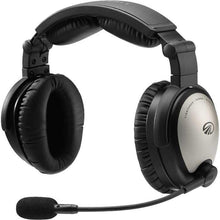 Vendor:Lightspeed
Lightspeed Sierra ANR Bluetooth Aviation Headset
Regular price $749.00Sale price $749.00 Regular priceUnit price per -
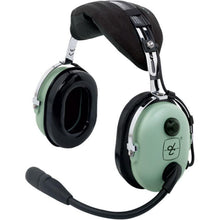 SaleVendor:David Clark
David Clark H10-13.4 Mono Aviation Headset 40411G-01
Regular price $369.95Sale price $369.95 Regular priceUnit price per$415.55 -
 🎧 Free Bose EarbudsVendor:Bose
Bose A30 ANR Aviation Headset LEMO 6 Pin Aircraft Power with Bluetooth 857641-3140
Regular price $1,299.00Sale price $1,299.00 Regular priceUnit price per -
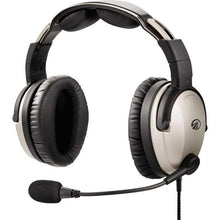 Vendor:Lightspeed
Lightspeed Zulu 3 Premium ANR Bluetooth Aviation Headset
Regular price $949.00Sale price $949.00 Regular priceUnit price per -
 🎧 Free Bose EarbudsVendor:Bose
Bose A30 ANR Aviation Headset U174 Helicopter Battery Power with Bluetooth 857641-3130
Regular price $1,299.00Sale price $1,299.00 Regular priceUnit price per -
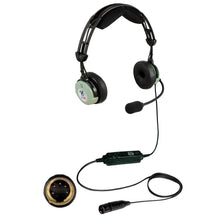 Vendor:David Clark
David Clark JET‑X ANR 5‑Pin XLR Aviation Headset: 4.5 oz Ultra‑Light ENC 43107G‑02
Regular price $685.00Sale price $685.00 Regular priceUnit price per$685.00 -
 🎧 Free Bose EarbudsVendor:Bose
Bose ProFlight Series 2 ANR Aviation Headset Dual Plug, Battery Powered with Bluetooth 789812-5020
Regular price $1,099.00Sale price $1,099.00 Regular priceUnit price per -
 SaleVendor:David Clark
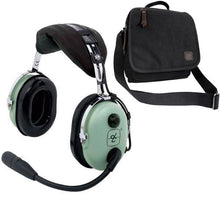
David Clark H10-13S Stereo Aviation Headset & Bag Combo 40422G-01
Regular price $399.95Sale price $399.95 Regular priceUnit price per$459.79


-
 FREE U.S. Shipping (on $100+)Save on outbound delivery!
 -
 4.8/5 StarsReviewed by 26,000+ Fellow Pilots
 -
 Expert Pilot SupportGear Tested by Real Pilots
 -
SHIPS TODAY (Order by 3 PM ET)Get It Faster!

- Choosing a selection results in a full page refresh.
- Opens in a new window.