




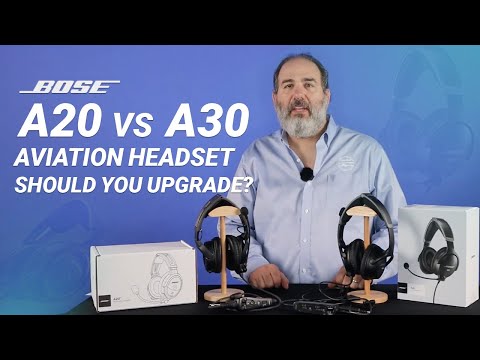
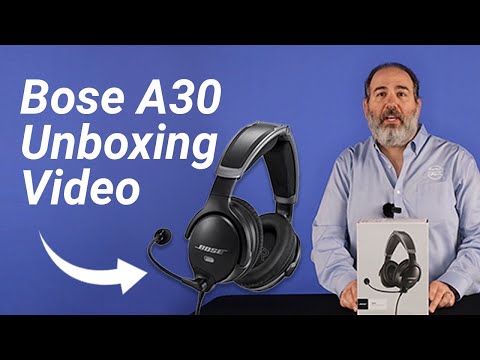
Bose A30 ANR Aviation Headset Dual Plug, Battery Powered with Bluetooth 857641-3120
41020
Benefits
Benefits
Shipping & Delivery
Shipping & Delivery
Returns
Returns
The Bose A30 Aviation Headset in Dual Plug, Battery Powered with Bluetooth configuration is a premium choice for general aviation pilots, offering advanced active noise reduction and Bluetooth connectivity.
This dual plug noise cancelling headset provides 20% less clamping force than previous models, ensuring unmatched comfort for long flights.
Comfort and Customization for Pilots
Comfort is crucial for flight safety and performance. The Bose A30 meets this need with an ergonomic magnesium-alloy headband and plush ear cushions. Weighing only 14.2 ounces, this general aviation pilot headset can be worn for hours without fatigue. Its customizable noise reduction adapts to your aircraft, whether a piston-engine Cessna or a turbine aircraft. The three selectable ANR modes balance noise cancellation and situational awareness. The integrated Bluetooth system prioritizes audio, allowing seamless management of music, calls, and alerts without compromising ATC communications.
Adaptability and Communication Clarity
Flight instructors value the side-swappable microphone boom, which suits both left and right seat operations. The aviation Bluetooth headset features a tap-to-talk function for quick conversations and a 45-hour battery life on two AA batteries. How does the Bose A30 compare in communication clarity? Its active equalization technology and noise-canceling microphone ensure clear ATC transmissions, even in noisy cockpits. This FAA-certified headset meets TSO standards and offers wireless flexibility for modern pilots, from streaming weather updates to taking business calls.
Fly longer and communicate clearer with the Bose A30's superior comfort, customizable active noise reduction, and advanced Bluetooth. Experience the difference – shop now!
Headset Specs:
- Headset ANR: yes
- Headset TSO: yes
- Headset Bluetooth: yes
- Headset Weight: 14.2 Ounces
- Headset Battery Type: AA (2)
- Headset Battery Life: 45 Hours
- Headset Warranty: 5 Years
- Headset Auto Shutoff: yes
- Headset Audio Input: yes
Frequently Asked Questions
What is the difference between the Bose A30 and the A20?
The A30 is the successor to the A20 and keeps Bose active noise reduction and Bluetooth. Compared to the A20 it adds three selectable ANR modes for situational awareness, reduces clamping force by about 20 percent for more comfort, adds a tap-to-talk control, uses a side-swappable microphone boom, and weighs just 14.2 ounces.
Is the Bose A30 FAA certified, comfortable, and what warranty does it include?
Yes. The A30 is FAA TSO certified and carries EASA E/TSO-C139a approval. At 14.2 ounces with a magnesium-alloy headband and about 20 percent less clamping force than the A20, it stays comfortable for hours. This headset includes a 5-year warranty, and the side-swappable microphone boom moves between the left and right seat without tools.
What plug does this Bose A30 use, and what aircraft does it fit?
This is the dual-plug, battery-powered configuration, model 857641-3120. It uses the standard twin general aviation plugs found on most fixed-wing piston and turbine aircraft, from trainers to cabin-class airplanes. Separate helicopter, panel-powered, and other connector versions are sold by Bose as their own models for aircraft that need them.
How long does the Bose A30 battery last, and what batteries does it use?
This battery-powered model runs on two AA batteries and delivers up to 45 hours of operation. Using Bluetooth audio continuously draws more power, so expect fewer hours when streaming. An auto shut-off feature helps conserve power, and keeping a spare set of AA batteries in your flight bag means you are never caught without active noise reduction.
What are the three ANR modes on the Bose A30?
The A30 offers three user-selectable active noise reduction settings so you can match cancellation to your environment. Higher settings maximize quiet in loud piston cockpits, while lower settings preserve more situational awareness that many pilots prefer in quieter cabins or during training. You can switch modes anytime in flight without removing the headset.
What does the Bluetooth on this Bose A30 do?
The integrated Bluetooth lets you wirelessly pair a phone or tablet to stream music, take phone calls, and hear app alerts such as weather or traffic. Audio prioritization keeps these sources from masking radio traffic, so ATC and intercom communications always come through clearly. This dual-plug model, 857641-3120, is the Bluetooth-equipped version.
How does the tap-to-talk control work on the A30?
The A30 includes a tap-to-talk feature that lets you quickly hear someone next to you or a brief outside conversation without removing the headset. A simple tap temporarily reduces audio so you can have a short exchange, then returns to normal. It is handy for instructors, crew coordination, and ramp conversations during flight.
What kind of microphone does the Bose A30 use?
The A30 uses a noise-canceling microphone tuned to reject cockpit background noise so your transmissions stay clear, paired with active equalization for natural-sounding audio. It works with standard general aviation intercoms and audio panels. The microphone boom is side-swappable, letting you move it to the left or right side for either seat without tools.
Can I connect other audio devices to the Bose A30?
Yes. Beyond Bluetooth, the A30 includes an auxiliary audio input so you can connect a wired device when you prefer a cable connection. Its audio prioritization manages music, calls, and alerts alongside radio communications so they never mask ATC or intercom traffic, keeping important transmissions clear throughout the flight.
Can the A30 be converted to other aircraft connectors?
This dual-plug battery model ships with the twin general aviation plugs and is configured for that connection. If your aircraft needs a different connector, Bose offers separate configurations such as helicopter, panel-powered, and XLR versions, each sold as its own separate model.
Is the Bose A30 suitable for open-cockpit aircraft?
The A30 is designed for enclosed general aviation, turbine, and similar cockpits where its active noise reduction performs best. It is not intended for open-cockpit aircraft, where direct wind can overwhelm the microphone and noise reduction. For enclosed piston and turbine airplanes it delivers the quiet, clear performance pilots expect.

-
 Vendor:PilotMall.com
Lightspeed Zulu 4 Premium ANR Aviation Headset
Regular price $1,099.00Sale price $1,099.00 Regular priceUnit price per -
 SaleVendor:David Clark
David Clark H10-13S Stereo Aviation Headset & Bag Combo 40422G-01
Regular price $399.95Sale price $399.95 Regular priceUnit price per$459.79 -
 SaleVendor:David Clark
David Clark H10-13.4 Mono Aviation Headset 40411G-01
Regular price $369.95Sale price $369.95 Regular priceUnit price per$415.55 -
 Vendor:Bose
Bose A30 ANR Aviation Headset LEMO 6 Pin Aircraft Power with Bluetooth 857641-3140
Regular price $1,299.00Sale price $1,299.00 Regular priceUnit price per -
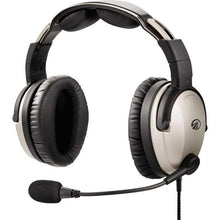 Vendor:Lightspeed
Lightspeed Zulu 3 Premium ANR Bluetooth Aviation Headset
Regular price $949.00Sale price $949.00 Regular priceUnit price per -
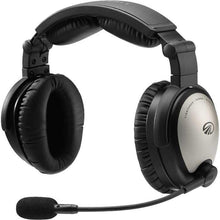 Vendor:Lightspeed
Lightspeed Sierra ANR Bluetooth Aviation Headset
Regular price $749.00Sale price $749.00 Regular priceUnit price per -
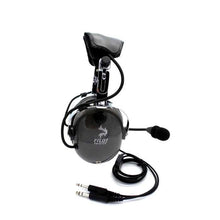 SaleVendor:Pilot USA
Pilot USA PA-1171T Passive Aviation Headset
Regular price $180.00Sale price $180.00 Regular priceUnit price per$190.00 -
 Vendor:Bose
Bose ProFlight Series 2 ANR Aviation Headset Dual Plug, Battery Powered with Bluetooth 789812-5020
Regular price $1,099.00Sale price $1,099.00 Regular priceUnit price per -
 Vendor:Bose
Bose A30 ANR Aviation Headset U174 Helicopter Battery Power with Bluetooth 857641-3130
Regular price $1,299.00Sale price $1,299.00 Regular priceUnit price per -
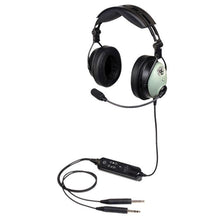 Vendor:David Clark
David Clark One-X Bluetooth ANR Aviation Headset 41307G-01
Regular price $1,020.00Sale price $1,020.00 Regular priceUnit price per$1,020.00


-
 FREE U.S. Shipping (on $100+)Save on outbound delivery!
 -
 4.8/5 StarsReviewed by 26,000+ Fellow Pilots
 -
 Expert Pilot SupportGear Tested by Real Pilots
 -
SHIPS TODAY (Order by 3 PM ET)Get It Faster!
- Choosing a selection results in a full page refresh.
- Opens in a new window.