




-
 SaleVendor:David Clark
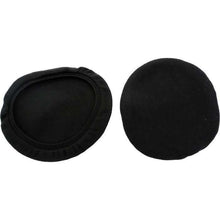
David Clark Comfort Covers: Washable Moisture-Absorbing Ear Seals 22658G-01
Regular price $10.95Sale price $10.95 Regular priceUnit price per$11.10 -
 SaleVendor:Pilot USA
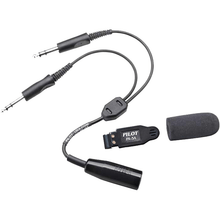
Pilot USA H10-76 Military to Civilian Conversion Kit
Regular price $89.99Sale price $89.99 Regular priceUnit price per$114.00 -
Fresh from The Hangar
The latest from top aviation brands. -
 SaleVendor:Pilot USA
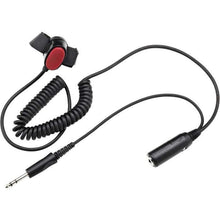
Pilot USA Universal Aviation Push to Talk Switch
Regular price $27.99Sale price $27.99 Regular priceUnit price per$32.00 -
 SaleNewVendor:PilotMall.com
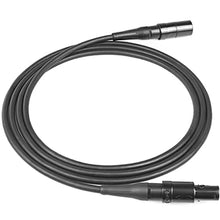
LEMO 6-Pin Headset Extension Cord
Regular price $44.99Sale price $44.99 Regular priceUnit price per$59.99 -
 SaleVendor:Bose
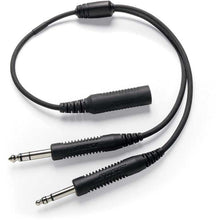
Bose 6-Pin to Dual GA Plug Adapter 327080-0010
Regular price $139.99Sale price $139.99 Regular priceUnit price per$149.99 -
 SaleVendor:Bose
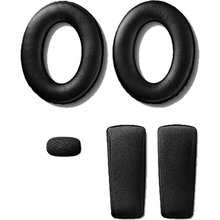
Bose A30 Aviation Headset Service Kit
Regular price $49.95Sale price $49.95 Regular priceUnit price per$59.95 -
 SaleNewVendor:Telex
Telex Clothing Clip for Airman 7, 8, 7P, and 8P Headsets AIRMAN7-0904
Regular price $8.49Sale price $8.49 Regular priceUnit price per$9.00 -
 SaleNewVendor:PilotMall.com
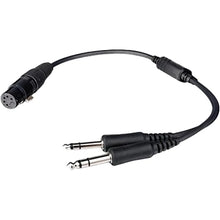
Airbus to GA Headset Adapter
Regular price $44.99Sale price $44.99 Regular priceUnit price per$59.99 -
 SaleNewVendor:PilotMall.com
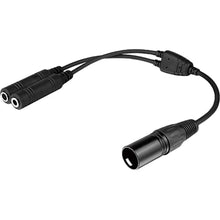
GA to Airbus Headset Adapter
Regular price $44.99Sale price $44.99 Regular priceUnit price per$59.99 -
 SaleNewVendor:PilotMall.com
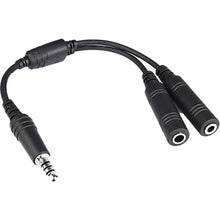
GA to Helicopter Headset Adapter
Regular price $44.99Sale price $44.99 Regular priceUnit price per$59.99 -
 SaleNewVendor:PilotMall.com
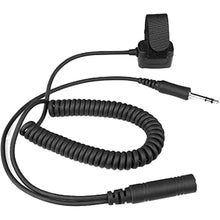
Portable In-Line Push to Talk Switch
Regular price $44.99Sale price $44.99 Regular priceUnit price per$59.99 -
 SaleNewVendor:PilotMall.com
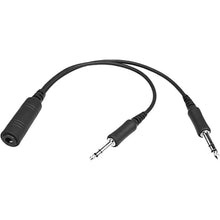
Helicopter to GA Headset Adapter
Regular price $44.99Sale price $44.99 Regular priceUnit price per$59.99 -
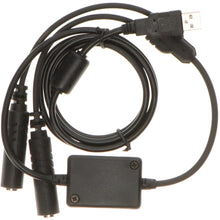 Vendor:Pilot USA
Pilot USA GA Aviation Headset to PC USB Adapter (Enhanced Audio Edition)
Regular price $129.99Sale price $129.99 Regular priceUnit price per$109.00 -
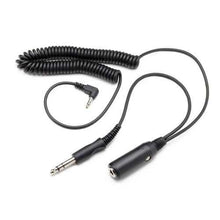 SaleVendor:Pilot USA
Pilot USA GA Aviation Headset Audio Adapter for Crystal-Clear Cockpit Recordings
Regular price $45.99Sale price $45.99 Regular priceUnit price per$53.00 -
 SaleVendor:Telex
Telex Gray Microphone Windscreen for Airman 7/8/8P/850 Series 800456019
Regular price $11.99Sale price $11.99 Regular priceUnit price per$12.90 -
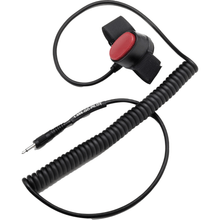 SaleVendor:Pilot USA
Pilot USA Aviation Headset Push to Talk for Yaesu Aviation Headsets
Regular price $27.99Sale price $27.99 Regular priceUnit price per$32.00 -
 SaleNewVendor:David Clark
David Clark Leatherette Ear Seals for DC ONE-X and XP Series 15976P-07
Regular price $48.99Sale price $48.99 Regular priceUnit price per$51.80 -
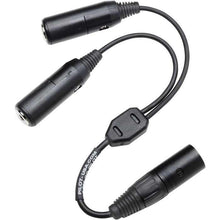 SaleVendor:Pilot USA
Pilot USA GA to Airbus XLR-5 Aviation Headset Adapter
Regular price $59.99Sale price $59.99 Regular priceUnit price per$69.00 -
 SaleNewVendor:Telex
Telex Disposable Hygiene Ear Cushion Covers for Airman 8+ (10 Pack) AIRMAN8P-0910
Regular price $34.49Sale price $34.49 Regular priceUnit price per$35.30 -
 SaleNewVendor:PilotMall.com
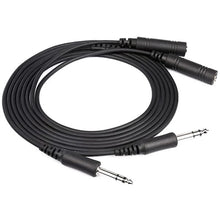
GA Headset Extension Cord
Regular price $44.99Sale price $44.99 Regular priceUnit price per$59.99 -
 NewVendor:David Clark
David Clark Dura-Stitched Leatherette Ear Seals for DC PRO Series 15976P-03
Regular price $33.99Sale price $33.99 Regular priceUnit price per$34.05 -
 SaleVendor:Pilot USA
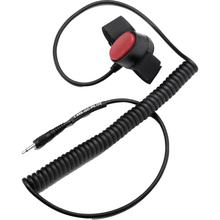
Pilot USA Aviation Headset PTT Switch for ICOM Radios
Regular price $27.99Sale price $27.99 Regular priceUnit price per$32.00 -
 SaleVendor:Pilot USA
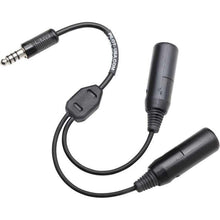
Pilot USA GA to Helicopter Aviation Headset Converter Adapter
Regular price $49.99Sale price $49.99 Regular priceUnit price per$61.00 -
 NewVendor:PilotMall.com
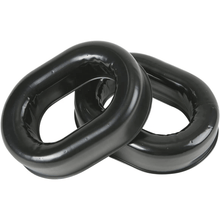
David Clark Replacement Gel Ear Seals (Aftermarket)
Regular price $14.99Sale price $14.99 Regular priceUnit price per


Aviation headset accessories: refresh, adapt, and connect the headset you own
A good aviation headset is a long-term investment, and the right accessory keeps it comfortable, quiet, and compatible for years rather than forcing you to buy a whole new set. The catalog covers four jobs: refresh parts that revive a tired headset, adapters that move one headset between aircraft types, push-to-talk switches that add transmit control, and audio adapters that connect your headset to recorders, music, and a PC flight simulator. Pilot Mall stocks genuine David Clark and Bose parts as well as quality aftermarket ear seals, so you can match the fix to your headset and your budget. Start with our aviation headsets collection if you are shopping for a complete set instead.
Compare popular headset accessories at a glance
| Accessory | Type | Best for | Genuine or aftermarket |
|---|---|---|---|
| David Clark Comfort Covers 22658G-01 | Washable ear-seal covers | Absorbing moisture and adding clamping comfort | Genuine David Clark |
| David Clark Replacement Gel Ear Seals | Gel ear seals | Restoring seal and comfort on David Clark headsets | Aftermarket |
| Bose A30 Replacement Ear Seals | Ear seals | Renewing seal and noise reduction on a Bose A30 | Aftermarket |
| Bose A30 Aviation Headset Service Kit | Refresh kit | Renewing seals and parts in one box | Genuine Bose |
| David Clark M-7 Wind Screen 40062G-02 | Microphone windscreen | Cutting wind and breath pops on the boom mic | Genuine David Clark |
| GA to Airbus Headset Adapter | Cross-aircraft adapter | Using a twin-plug GA headset in Airbus and ATR panels | Adapter |
| Pilot USA Universal PTT Switch | Push-to-talk switch | Adding transmit control to older panels | Pilot USA |
| Pilot USA GA Headset to PC USB Adapter | Flight-sim adapter | Connecting a GA headset to a desktop flight simulator | Pilot USA |
Click any product for current pricing.
Refresh parts that revive a worn headset
Ear seals: foam vs gel
Ear seals are the soft cushions that ring each ear cup, and they do most of the work of sealing out engine noise and holding the headset comfortably against your head. Foam seals are light and inexpensive and recover their shape well, while gel seals spread clamping pressure for a softer fit and a slightly better seal on longer flights. When the foam flattens or the covering cracks, both noise reduction and comfort drop. Replacing seals is the single most effective way to bring an aging headset back to life. Pilot Mall stocks model-matched seals including aftermarket gel ear seals for David Clark, aftermarket replacement ear seals for the Bose A30, and Lightspeed performance replacement ear seals that fit the Zulu, Sierra, Tango, and PFX.
Microphone windscreens and mic muffs
A microphone windscreen, also called a mic muff, slips over the boom microphone to soften the burst of air from wind, vents, and your own breath so the people you transmit to hear words instead of pops and rumble. It is a quick, inexpensive upgrade that noticeably cleans up your transmissions. We carry the genuine David Clark M-7 wind screen and the genuine Bose X, A20, and A30 mic windscreen, plus more options in the aviation headset windscreens collection.
Head pads, comfort covers, and service kits
The headband cushion and ear-seal covers carry the headset's weight on long days, and they wear out from sweat and use. Genuine David Clark moisture-absorbing comfort covers restore clamping comfort and keep seals clean, while a David Clark deluxe headpad assembly renews the headband. To refresh several soft goods at once, a genuine Bose A30 service kit renews seals and parts in a single box. Keep everything clean and sanitary with the covers and supplies in our headset hygiene and comfort kits.
Adapters to fly one headset across aircraft types
General aviation, helicopter, Airbus, and LEMO panel power
Aviation headset plugs are not universal, so an adapter lets a single headset move between cockpit types instead of buying a second set. A GA to Airbus adapter connects a standard twin-plug headset to the 5-pin XLR jack found in Airbus and ATR aircraft, a GA to helicopter adapter converts twin GA plugs to the single U-174 plug used in most rotorcraft intercoms, and a Bose 6-pin to dual GA plug adapter lets a panel-powered LEMO headset run in a battery-or-aircraft GA panel. If you fly a Bose-equipped panel and need the reverse, the LEMO Bose to GA adapter covers it. Not sure which plug you have? Our guide to aviation headset plug types walks through GA, U174, LEMO, and XLR connectors, and you can browse the full range in headset adapters and aircraft intercoms.
Push-to-talk switches
A push-to-talk (PTT) switch gives you a dedicated transmit button when an aircraft has no yoke-mounted switch or when you want a backup you can mount where it suits you. The Pilot USA universal aviation push-to-talk switch inline-mounts on a standard GA headset and is an easy add for rentals and older panels. See the full range in our push-to-talk switches collection.
Audio, recording, and flight-sim adapters
The same headset that works in the air can record your flights and power your sim practice with the right adapter. A Pilot USA GA headset to PC USB adapter plugs a GA headset into a desktop flight simulator for realistic comms training, and a GoPro audio recorder adapter captures cockpit intercom audio on your action camera. These adapters let one headset do double duty on the ground.
How to choose the right headset accessory
- Match the part to your headset: ear seals, windscreens, and refresh kits are model-specific, so confirm the part fits your exact headset, such as a David Clark H10 series, a Bose A30, or a Lightspeed Zulu, Sierra, Tango, or PFX.
- Fix comfort and noise first: if the headset has gone flat or loud, new ear seals and a fresh headpad usually restore both before you consider replacing the set.
- Identify your plug before buying an adapter: check whether your aircraft uses twin GA plugs, a U-174 helicopter plug, a LEMO 6-pin panel jack, or a 5-pin XLR, then choose the matching adapter. The aviation headset plug guide makes this quick.
- Genuine or aftermarket: genuine David Clark and Bose parts guarantee an exact fit and finish, while quality aftermarket seals are a budget-friendly way to revive a headset you already love.
- Think about ground use: a PTT switch, a recording adapter, or a flight-sim adapter extends what your headset can do beyond the cockpit.
Shopping for a complete set instead of parts? Compare top picks in our best aviation headsets guide and browse all ANR headsets and aviation headsets.
Why buy from Pilot Mall
- Aviation only: we sell pilot gear and nothing else, so our team knows headsets, plug types, and panels.
- Trusted for more than 25 years by student, recreational, and professional pilots.
- Genuine and authorized parts: we are an authorized David Clark dealer and carry genuine Bose service parts, alongside quality aftermarket options when you want a budget-friendly fix.
- Free U.S. shipping over $100.
- Expert guidance from a team that flies, available before and after your purchase.
Frequently Asked Questions
How often should you replace aviation headset ear seals?
Replace ear seals when the foam flattens, the covering cracks, or the seal feels loose, since that is when comfort and noise reduction fall off. As general guidance, manufacturers suggest renewing seals roughly every 12 to 18 months with regular use, and Bose recommends about every 6 months or 350 hours for its headsets.
What is the difference between foam and gel ear seals?
Foam ear seals are light, inexpensive, and recover their shape quickly, making them a simple, economical refresh. Gel seals contain a soft filler that spreads clamping pressure more evenly, which many pilots find more comfortable on long flights and slightly better at sealing out noise. Both fit the same ear cups when matched to your headset model.
Can replacing ear seals restore noise reduction and comfort on an old headset?
Yes. Flat, hardened, or cracked ear seals are one of the most common reasons an older headset feels louder and less comfortable. Fresh, model-matched seals re-establish the seal against your head, which restores passive noise blocking and clamping comfort, often making a tired headset feel close to new for a fraction of a replacement set.
Do windscreens reduce noise on an aviation headset?
A microphone windscreen, or mic muff, does not quiet what you hear, but it does reduce the wind, vent, and breath noise picked up by the boom microphone. That means the controllers and pilots you transmit to hear clearer speech with fewer pops and rumble. It is an inexpensive upgrade that improves transmitted audio quality.
Are aviation headset plugs universal, or do they vary by aircraft?
They vary by aircraft, which is exactly why adapters exist. A GA, helicopter, Airbus, or LEMO adapter lets one headset move between connector types instead of buying a separate set per aircraft, so the real decision is matching the right adapter to the jacks you fly. For the full connector breakdown, see our aviation headset plug guide.
Can I connect an aviation headset to a PC flight simulator?
Yes. A USB flight-simulator adapter converts a standard GA headset's twin plugs into a single USB connection your computer recognizes as a microphone and headphones. That lets you practice realistic radio communication in desktop flight-sim software using the same headset you fly with, which is great for procedure and phraseology practice on the ground.
