




The Pre-Flight Briefing - Pilot Shop Blog

Best Crew Cooler Bags for Flight Attendants & Pilots
Discover the best airline crew cooler bags for 2025 with our expert guide to the newest insulated flight bags for pilots and flight attendants. Compare top-rated models like the American Outdoors Aviation Travel Cooler, Aerocoast Pro EFB + Cooler series, and Travelpro FlightCrew5 Crew Coolers. Find tips on choosing TSA-friendly crew bags, answers to frequently asked questions, and see which features flight crews value most in their travel coolers. Meal-prep smarter and travel healthier this year with the perfect airline crew cooler bag.

EAA AirVenture Oshkosh 2026: Your Ultimate Packing & Planning Guide
EAA AirVenture Oshkosh is calling! Our comprehensive guide helps you plan every detail, from securing tickets and camping spots to understanding the NOTAM for flying in. Discover what's new, what to pack, and get answers to all your Oshkosh questions for an unforgettable aviation celebration.

25 Must-Read Aviation Blogs for Pilots and Enthusiasts
Ready to dive deeper into the world of flight? Our updated list of 25 must-read aviation blogs for 2025 is your go-to resource. Whether you're a seasoned pilot, an aspiring aviator, or simply an avgeek, you'll find fresh insights on everything from airline developments and career advice to flight sim breakthroughs and drone innovations. Click to explore!

Piper PA-46 M350 (Malibu Mirage): The Ultimate Single-Engine Pressurized Comfort
What do you do if you want to fly your private plane in the flight levels in comfort without wearing an oxygen mask or dealing with air tubing in the cabin? Do you need to make the move and master the learning curve of twin engines or is there a solid single engine pressurized option?

Pilot Math Skills: What Kind of Math Do Pilots Use (and Why It’s Not Scary)
Prospective pilots often wonder if strong math skills are essential for flying. Good news, you don't need to be a math genius! Pilots primarily use basic arithmetic, geometry, and simple trigonometry, supported by handy flight computers and apps. This guide explains exactly which math pilots use, provides real-world examples, and reassures aspiring aviators that pilot math is both manageable and practical.

David Clark JET-X Headset Lineup Review: Ultra-Lightweight Headsets for Commercial Jet Pilots
Explore the new David Clark JET‑X headset lineup, four ultra‑lightweight, TSO‑certified models designed for commercial and corporate jet pilots. Discover best‑in‑class active noise cancellation, innovative comfort features like Outlast® cooling pads and plush ear seals, plus how the JET‑X stacks up against Telex alternatives. Read on for an in‑depth review, specs comparison, and comprehensive FAQ!

Best Aviation Documentaries to Watch: Must-See Aircraft Films & Series

The Ultimate Student Pilot Supplies Checklist: Everything You Need to Buy for Flight Training
Starting flight training is exciting but overwhelming. This comprehensive buyer’s checklist walks student pilots through essential gear, headsets, kneeboards, flight bags, and more, to help you stay organized, safe, and prepared. Equip yourself properly and make every flight lesson smoother and more enjoyable.

The 11 Best Flight Schools in the USA
Ready to earn your wings? Our comprehensive 2025 guide breaks down the 11 best flight schools in the USA, covering costs, programs, airline partnerships, and how to choose the perfect fit for your pilot career journey.

Bose A30 vs. Lightspeed Zulu 3: Which Premium ANR Headset Should You Buy?
Choosing a premium ANR aviation headset in 2025? The Bose A30 and Lightspeed Zulu 3 are top contenders. The A30 boasts the latest tech, adaptable noise cancellation, and renowned Bose comfort, while the Zulu 3 offers exceptional value, rugged durability, and a class-leading 7-year warranty. Our in-depth comparison weighs noise reduction, comfort, build quality, features, and price to help you decide which headset is the best investment for your cockpit. Find out whether the cutting-edge A30 or the proven, value-packed Zulu 3 is the right choice for your flying needs.

How to Choose the Right Flight Bag: A Pilot's Guide to Size, Style & Features
Choosing the right flight bag is crucial for pilots of all levels, from students to airline captains. This comprehensive guide walks you through everything you need to consider, including size, style, key features like organizational compartments and durability, and how to match your bag to your specific flying needs. Whether you're a student pilot hauling textbooks, a private pilot embarking on cross-country adventures, or a professional pilot navigating airport terminals, discover the perfect flight bag to keep your gear organized and accessible. Explore popular brands like ASA, Flight Outfitters, MyGoFlight, BrightLine, Aerocoast, Travelpro, and Jeppesen to find the ideal companion for your aviation journey. Click here to read the full guide and find the flight bag that's right for you!

Comprehensive Guide to Travelpro Gear for Professional Pilots and Airline Crews
Today, Pilot Mall would like to give a very special shout-out to one of the most innovative masterminds to ever emerge from the pilot ranks. The man who forever saved the backs and hips of airline pilots all over the world.

Turtle Beach VelocityOne vs. Thrustmaster Boeing Yoke: Best All-In-One Sim Control System for PC & Xbox?
Choosing between the Turtle Beach VelocityOne and Thrustmaster TCA Boeing yoke for your PC/Xbox flight sim? Our comparison dives into the core differences: VelocityOne offers versatile, all-in-one control for varied aircraft, while the TCA Boeing delivers unparalleled realism specifically for Boeing airliners with its unique pendular yoke. We weigh features, feel, and value to help you decide which system best matches your virtual flying style and budget. Find your perfect flight controls today!

David Clark H10-13.4 vs. Faro G2: Best Passive Pilot Headset Comparison for Value & Durability
David Clark H10-13.4 vs. Faro G2: Headset Showdown! Is the David Clark's legendary durability worth the price, or does the Faro G2's lightweight comfort and value take the win? Read our full comparison to find the best passive pilot headset for your flying style and budget

Garmin GDL 50 vs GDL 52: Portable ADS-B Receivers Compared
Choosing between Garmin's popular portable ADS-B receivers? Our in-depth comparison breaks down the key differences between the GDL 50 (ADS-B weather/traffic) and the GDL 52 (ADS-B + SiriusXM weather/audio). Discover which unit best fits your flying needs, budget, and desired features, from subscription-free ADS-B essentials to the comprehensive coverage and entertainment of SiriusXM. Read the full comparison to make the right choice for your cockpit.

The Coolest Gadgets for Pilots (2026): Cockpit Tech Worth Buying
Best Sellers
The most popular gear for pilots and aviation lovers.
-
 Best sellerVendor:Bose
Bose A30 ANR Aviation Headset Dual Plug, Battery Powered with Bluetooth 857641-3120
Piston-cockpit ANR with Bluetooth, dual GA plugs and three ANR modes, giving single and twin pilots flexible noise control and hands-free calls or music in flight.
ANR · Bluetooth · 14.2 oz · 45 hr battery
Regular price $1,299.00Sale price $1,299.00 Regular priceUnit price per -
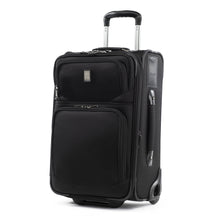 Best sellerVendor:Travelpro
Travelpro FlightCrew5 22" Expandable Rollaboard: Durable Luggage for Aviation Professionals
Expandable 22-inch carry-on rollaboard, the everyday crew workhorse that expands for extra packing room on longer trips without giving up carry-on compliance.
Regular price $209.00Sale price $209.00 Regular priceUnit price per$330.00 -
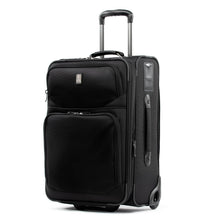 Best sellerVendor:Travelpro
Travelpro FlightCrew5 24" Expandable Rollaboard: Durable Luggage for Aviation Professionals
Roomy 24-inch checked-size rollaboard for longer multi-day trips, designed by a 747 captain to hold up to the demands of professional flight crew schedules.
Regular price $219.00Sale price $219.00 Regular priceUnit price per$350.00 -
 Vendor:Appareo
Appareo Stratus 4 Portable ADS-B Receiver with Color Touch Screen and Replaceable Battery
For EFB apps: portable ADS-B with weather, traffic and WAAS GPS, featuring a full-color touch screen and the only user-replaceable battery in its category.
Regular price $849.00Sale price $849.00 Regular priceUnit price per -
 NewVendor:Garmin
Garmin D2 Mach 2 Pro Aviator Smartwatch - Carbon Gray DLC Titanium with Chestnut Leather Band
Top-tier aviator smartwatch with aviation database and moving-map nav, built with a 51mm titanium bezel and leather band for cockpit and everyday wear.
Regular price $1,549.99Sale price $1,549.99 Regular priceUnit price per$1,549.99 -
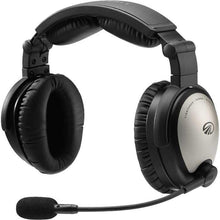 Vendor:Lightspeed
Lightspeed Sierra ANR Bluetooth Aviation Headset
ANR with Bluetooth for everyday GA flying, cutting music volume 80% the instant a radio call arrives so you never miss a clearance, on two AA batteries.
ANR · Bluetooth · 16 oz · 40 hr battery
Regular price $749.00Sale price $749.00 Regular priceUnit price per


