




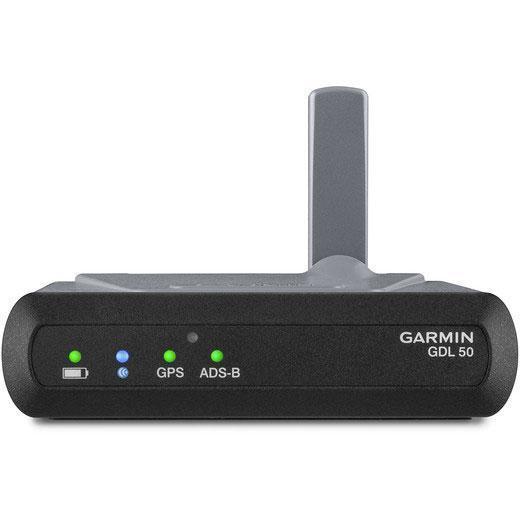
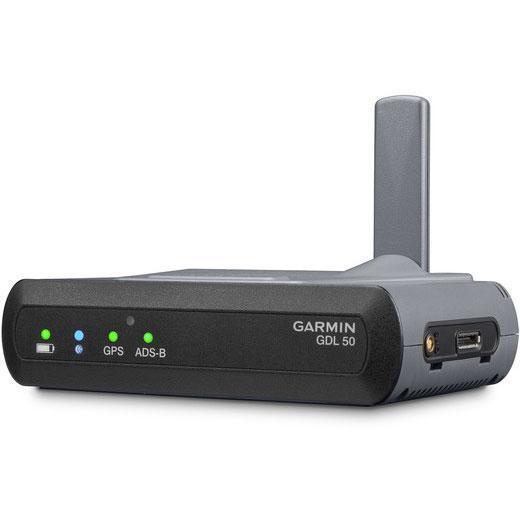
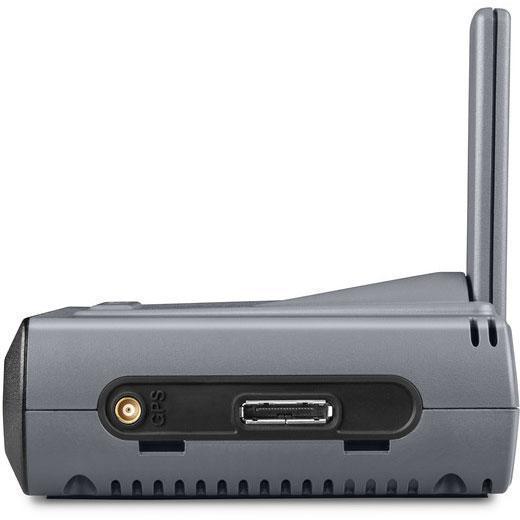
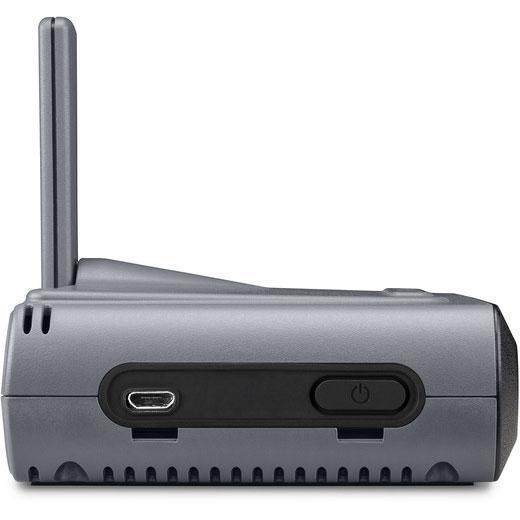
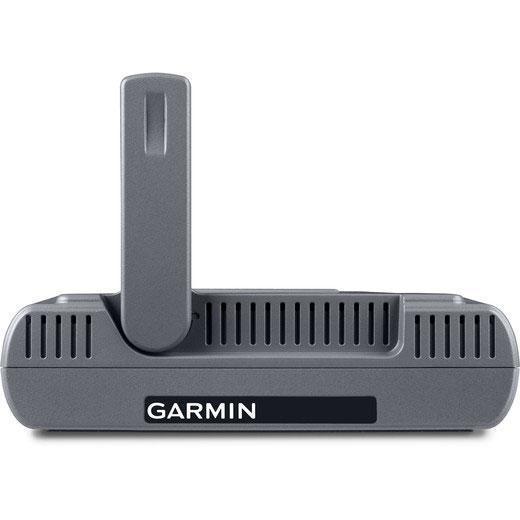
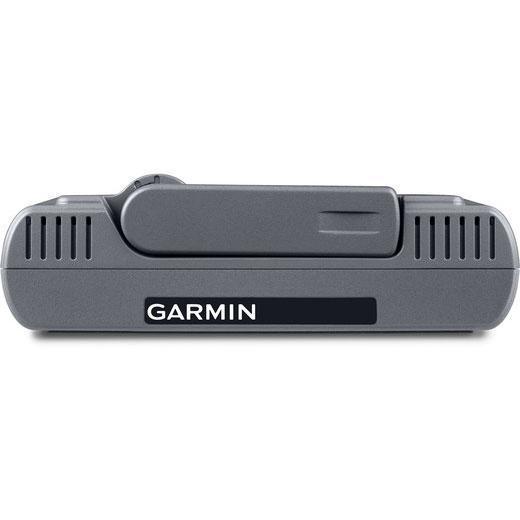
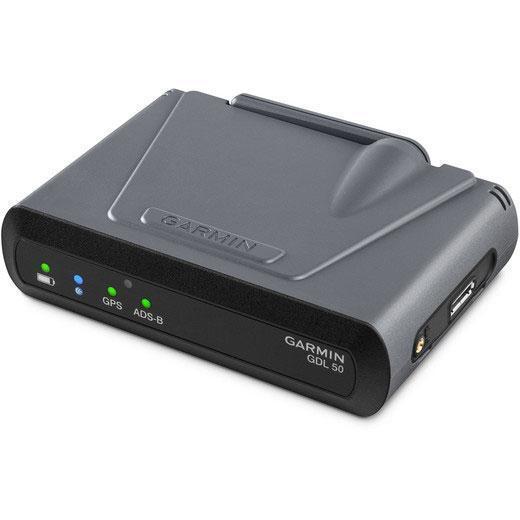
Garmin GDL 50 Portable ADS-B Datalink Receiver 010-01561-00
37477
Benefits
Benefits
Shipping & Delivery
Shipping & Delivery
Returns
Returns

The Garmin GDL 50 is a portable aviation datalink receiver designed to enhance situational awareness in the cockpit.
This advanced ADS-B receiver offers a comprehensive view of traffic by utilizing both major ADS-B frequencies for a complete traffic picture, a crucial advantage in today's skies.
Imagine flying with crystal-clear, subscription-free FIS-B weather updates, including NEXRAD imagery and METARs, alongside a complete picture of ADS-B traffic, all streamed wirelessly to your preferred display. For private pilots wondering, "What is the best portable ADS-B receiver for private pilots?" or those comparing the Garmin GDL 50 vs. competitors, this unit stands out by simplifying FIS-B weather access and delivering critical flight information. This wireless datalink for pilots transforms your cockpit, providing vital data from one of the leading aviation datalink systems without ongoing fees, making it an indispensable tool for enhanced flight safety and a great example of portable GPS for aviation.
Beyond weather and traffic, the GDL 50 integrates a high-quality GPS receiver for precise position data and provides crucial backup attitude information for safer navigation, enabling a Synthetic Vision display on compatible devices. You might ask, "How does ADS-B dual-link technology work to my benefit?" It ensures you see more surrounding aircraft by receiving on both 978 UAT and 1090 ES frequencies. This vital information, including advanced traffic displays like TargetTrend™ and TerminalTraffic™, streams seamlessly via Garmin Connext® to two devices simultaneously, including compatible Garmin aviation portables (such as aera® 660, aera 760, and G3X Touch™ displays) and mobile devices running popular applications like the Garmin Pilot™, ForeFlight Mobile, or FltPlan Go apps. With up to 8 hours of battery life, this portable aviation datalink is a reliable companion for any flight, meeting safety standards for general aviation operators and air taxi services alike.
Elevate your flight safety and situational awareness with the Garmin GDL 50, providing subscription-free weather, traffic, GPS, and attitude data wirelessly to your cockpit. Order yours now for a safer, more informed flight experience!
Frequently Asked Questions
Does the Garmin GDL 50 require a subscription for weather and traffic?
No. The GDL 50 receives subscription-free FIS-B weather and ADS-B traffic available across the United States, with no ongoing fees. You get NEXRAD imagery, METARs, and a complete traffic picture streamed wirelessly to your display. This makes it a straightforward way to add datalink weather and traffic awareness to your cockpit.
Does the GDL 50 provide ADS-B Out or meet the FAA ADS-B Out mandate?
No. The GDL 50 is a receive-only ADS-B In product. It displays traffic and weather broadcast by other aircraft and ground stations but does not transmit your aircraft position, so it does not by itself satisfy the FAA ADS-B Out mandate. Meeting that mandate requires a certified ADS-B Out solution installed in your aircraft.
What apps and devices work with the Garmin GDL 50?
The GDL 50 streams data wirelessly through Garmin Connext to compatible Garmin aviation portables such as the aera 660, aera 760, and G3X Touch displays, plus mobile devices running the Garmin Pilot, ForeFlight Mobile, or FltPlan Go apps. This lets most pilots use the tablet or portable they already fly with.
What ADS-B frequencies does the GDL 50 receive?
The GDL 50 uses dual-link technology, receiving on both the 978 UAT and 1090 ES frequencies used for ADS-B. Receiving both bands gives you a more comprehensive view of surrounding ADS-B equipped traffic, rather than seeing only the aircraft transmitting on a single frequency. This is a core benefit of its dual-link design.
How long does the Garmin GDL 50 battery last?
The GDL 50 offers up to 8 hours of battery life on its internal rechargeable battery, making it a dependable companion for long flights. For longer days, you can also operate it from aircraft power, so battery time does not have to limit a full day of flying.
Does the GDL 50 include GPS and backup attitude information?
Yes. The GDL 50 integrates a high-quality GPS receiver for precise position data and provides backup attitude information, which can enable a Synthetic Vision display on compatible devices. Combined with traffic and weather, this adds situational awareness and a useful backup reference in the cockpit on supported displays.
What is the difference between the Garmin GDL 50 and the GDL 52?
The GDL 50 receives subscription-free ADS-B weather and traffic plus GPS and backup attitude. The GDL 52 adds a SiriusXM satellite receiver for subscription-based weather and audio on top of those same ADS-B features. If you want ADS-B datalink without satellite radio, the GDL 50 covers it. Choose the GDL 52 only if you also want SiriusXM weather and music.
Can the Garmin GDL 50 be used outside the United States?
You can use the GDL 50 internationally for ADS-B traffic on the 1090 ES frequency, but FIS-B datalink weather is a United States ground-based service and is not broadcast elsewhere. Outside the United States you keep GPS, backup attitude, and traffic where 1090 ES coverage exists, but you will not receive the free NEXRAD and text weather products available domestically.
What comes in the box with the Garmin GDL 50?
The GDL 50 ships as a complete portable kit. It includes the receiver, a mounting bracket with suction cup, a non-slip glareshield mat, a vehicle power cable for aircraft outlets, and product documentation. With these items you can set the unit on the glareshield, secure it, and start receiving traffic and weather without buying extra accessories first.
How many devices can the Garmin GDL 50 connect to at once?
The GDL 50 can stream wirelessly to two display devices at the same time, such as a tablet and a Garmin portable, so a pilot and copilot can each view traffic and weather. Compatible Garmin portables also support hardwired connections, letting you build a setup that keeps data flowing to more than one screen during flight.
Does the Garmin GDL 50 need an external antenna?
For most installations no external antenna is required. The portable GDL 50 is designed to sit on the glareshield near the windscreen, where it receives ADS-B, GPS, and attitude data through its internal antennas. Aircraft with heated or metallized windshields can block reception, so those airframes may need the receiver positioned carefully or a remote-mount solution instead.
-
 SaleNewVendor:Garmin
Garmin D2 Mach 2 Pro Aviator Smartwatch - Carbon Gray DLC Titanium with Chestnut Leather Band
Regular price $1,399.99Sale price $1,399.99 Regular priceUnit price per$1,549.99 -
 Vendor:Dual Electronics Corporation
Dual Electronics SkyPro XGPS160: Multi-Device Aviation GPS Receiver
Regular price $169.99Sale price $169.99 Regular priceUnit price per -
 SaleNewVendor:Garmin
Garmin D2 Mach 2 Aviator Smartwatch: Carbon Gray DLC Titanium with Vented Titanium Bracelet (51 mm)
Regular price $1,349.99Sale price $1,349.99 Regular priceUnit price per$1,499.99 -
 SaleVendor:Garmin
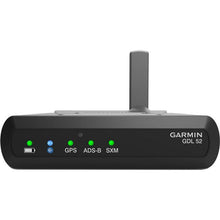
Garmin GDL 52 Portable SiriusXM AHRS ADS-B Receiver: All-in-One Aviation Receiver
Regular price $1,360.00Sale price $1,360.00 Regular priceUnit price per$1,425.00 -
 SaleNewVendor:Garmin
Garmin D2 Mach 2 Aviator Smartwatch: Titanium with Oxford Brown Leather Band (47 mm)
Regular price $1,199.99Sale price $1,199.99 Regular priceUnit price per$1,349.99 -
 NewVendor:Garmin
Garmin D2 Air X15 Aviator Smartwatch: Slate with Black Silicone Band
Regular price $649.99Sale price $649.99 Regular priceUnit price per$649.99 -
 NewVendor:uAvionix
uAvionix skyBeacon ADS-B Out Wingtip LED Nav Light with WAAS GPS UAX-90032-01
Regular price $2,199.00Sale price $2,199.00 Regular priceUnit price per -
 NewVendor:uAvionix
uAvionix AV-30-C Certified 3-Inch Digital Multi-Function Display (MFD)
Regular price $2,499.00Sale price $2,499.00 Regular priceUnit price per -
 NewVendor:uAvionix
uAvionix AV-30-E Experimental 3-Inch Digital Multi-Function Display UAX-90051-01
Regular price $1,849.00Sale price $1,849.00 Regular priceUnit price per -
 NewVendor:Garmin
Garmin inReach Mini 3 Plus Compact SOS Satellite Communicator with Photo & Voice Messaging
Regular price $499.00Sale price $499.00 Regular priceUnit price per


-
 FREE U.S. Shipping (on $100+)Save on outbound delivery!
 -
 4.8/5 StarsReviewed by 26,000+ Fellow Pilots
 -
 Expert Pilot SupportGear Tested by Real Pilots
 -
SHIPS TODAY (Order by 3 PM ET)Get It Faster!
- Choosing a selection results in a full page refresh.
- Opens in a new window.