




-
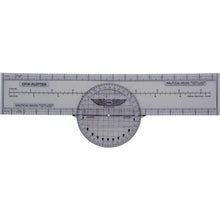 SaleVendor:ASA
ASA Rotating Plotter Precision VFR Flight Navigation
Regular price $13.49Sale price $13.49 Regular priceUnit price per$14.95 -
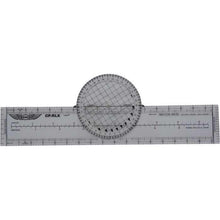 SaleVendor:ASA
ASA Ultimate Rotating Plotter for Precise VFR Navigation
Regular price $14.99Sale price $14.99 Regular priceUnit price per$16.95 -

Fresh from The Hangar
The latest from top aviation brands. -
 NewVendor:Runway Selector
Aviation Runway Selector and Crosswind Component Tool
Regular price $19.95Sale price $19.95 Regular priceUnit price per

| Plotter | Brand | Best for |
|---|---|---|
| ASA Rotating Plotter | ASA | Everyday VFR course and distance with a rotating azimuth |
| ASA Ultimate Rotating Plotter | ASA | Precise, fine-line VFR navigation |
| Aviation Runway Selector and Crosswind Component Tool | Runway Selector | Choosing runways and reading crosswind components |
Why Buy From Pilot Mall
- Pilot-owned shop: our team flies, so we stock tools that hold up in real flight planning.
- Trusted ASA gear: quality plotters from a name student pilots and instructors rely on.
- Free U.S. shipping over $100: add a kneeboard, flight computer, or chart supplies and ship together.
- Knowledgeable support: real help choosing the right plotter for your training or flying.
Frequently Asked Questions
What is an aviation plotter used for?
An aviation plotter is a transparent tool that combines a protractor and distance scales so you can measure true course and distance straight off a sectional or WAC chart. Pilots use it during VFR flight planning to draw a route, find the true course between waypoints, and total the leg distances for a cross-country flight.
How do you use an aviation plotter?
Draw your course line between two points on the chart, then place the plotter so its center hole sits on the line and its straight edge follows your route. Line the rotating azimuth or reference line up with a meridian of longitude to read true course, then use the matching sectional or WAC scale along the edge to measure the distance for each leg.
What is the difference between a fixed and a rotating plotter?
A fixed plotter has a stationary protractor, so you read true course by aligning a printed reference with a meridian. A rotating plotter adds a turning azimuth that you set to the line of longitude, which speeds up true-course readings and cuts down on alignment mistakes. Both ASA plotters in this collection use the rotating design.
Which plotter is best for student pilots?
Most flight students do well with a rotating plotter that has both sectional and WAC distance scales. The ASA Rotating Plotter covers standard VFR planning tasks and is easy to learn on, while the ASA Ultimate Rotating Plotter offers finer scale markings for pilots who want extra precision as they build experience.
Do I still need a plotter if I use an aviation app?
Yes. Many flight schools and checkride standards still expect you to plan a cross-country by hand, and a plotter is the core tool for measuring true course and distance on paper charts. It is also a reliable backup if your tablet or electronic flight bag battery fails in flight.
What else do I need for VFR flight planning?
Along with a plotter, most pilots carry an E6B flight computer for wind, time, and fuel math, plus a current sectional chart. A kneeboard keeps your plan and pen organized in the cockpit, and a good flight bag carries it all to the aircraft.
