



How to Choose and Fill Out a Pilot Logbook


A pilot logbook is three things at once: a legal record of your experience, a career document you will show employers, and a personal history of every hour you have spent in the air. Choosing the right one matters. A logbook that runs out of space before your next certificate, or that lacks the columns your training requires, is more than an inconvenience. This guide explains the types of logbooks, how to pick the right format for the flying ahead of you, and how to fill one out correctly from your first entry.
Pilot Mall carries FAA-compliant pilot logbooks, professional flight crew logbooks, and aircraft and maintenance records from ASA and Jeppesen, the two publishers most flight schools and professional crews rely on. Browse them all in the pilot logbooks collection.
Find your logbook
FAA-compliant pilot, flight crew, and aircraft logbooks from ASA and Jeppesen.
Shop Pilot Logbooks →Types of pilot logbooks
Standard pilot logbooks
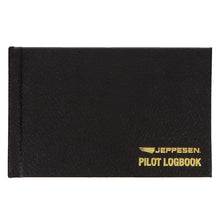
Standard logbooks use a compact column set sized for student, recreational, and private flying, and they slip easily into a flight bag next to your kneeboard. The ASA Standard Pilot Logbook includes every column primary training requires and comes in several covers, including navy and an expanded 206-page burgundy edition. For a sturdier book, the ASA hardcover SP-57 adds a hardbound spine that holds up in a bag.
Professional and flight crew logbooks
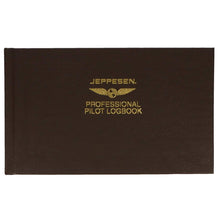
Professional logbooks add expanded columns for multi-engine, turbine, SIC, instrument, and other categories, and they hold far more entries per page, so a career fits in fewer volumes. For a career-track pilot, our pick is Jeppesen. The Jeppesen Professional Pilot Logbook is a durable ten-year flight record and the Jeppesen Premium Hardbound Logbook holds 520 entries, both built with the expanded columns and capacity a professional career demands. The ASA Flight Crew Logbook is a capable alternative if you prefer the ASA layout.
Aircraft and maintenance logbooks
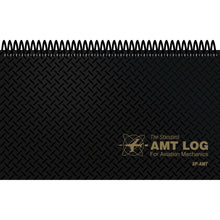
Pilot time and aircraft records are two different jobs. Aircraft owners keep separate airframe, engine, and propeller records, and the ASA Aircraft Flight Log keeps maintenance and flight tracking in one place. Maintenance technicians documenting the supervised experience required for A&P certification use the spiral-bound ASA AMT Logbook.
European (EASA) logbooks
Pilots flying under European rules need a logbook laid out for EASA and JAR-style records rather than the U.S. column set. The Jeppesen Premium European Pilot Logbook is a ten-year edition built for that format. U.S. pilots should choose an FAA-style standard or professional logbook instead.
How to choose the right pilot logbook
- Match it to the flying you plan to do. Buy for the certificates and ratings ahead of you, not just the hours you have logged so far, so you are not opening a new volume mid-training.
- Standard or professional columns. Student and recreational pilots are well served by a standard log, while career-track and airline pilots want the expanded multi-engine, turbine, SIC, and instrument columns of a professional logbook. If a professional career is the goal, a Jeppesen professional logbook is worth buying up front, since one ten-year record can carry you well past your ratings without starting a new volume.
- Capacity and size. Decide how many entries you want before starting a new book, and whether a compact softcover or a hardbound ten-year record suits your habits better.
- Pilot record or aircraft record. Personal flight time and aircraft airframe, engine, and prop records are different logs, so owners and mechanics need a dedicated aircraft log or AMT logbook in addition to a pilot logbook.
- Paper as a backup to digital. Many pilots keep a paper logbook as a legal backup to an electronic flight bag log. If you fly with an EFB, round out your setup with iPad and tablet accessories.
How to fill out a pilot logbook
Log entries should be made in permanent ink so the record cannot be altered, so keep a reliable aviation pen in your bag. For each flight, record:
- Date of the flight.
- Aircraft make, model, and registration (tail number).
- Route: departure and arrival points, and stops along the way.
- Total flight time, then break it out into the categories your logbook provides: day and night, cross-country, dual received or given, pilot in command (PIC) or second in command (SIC), and actual or simulated instrument time.
- Landings: day and night landings, which matter for currency.
- Remarks and endorsements: note the nature of the flight, maneuvers practiced, and any instructor endorsements, which your CFI signs directly in the logbook.
Total each column at the bottom of the page and carry the totals forward. Keep the logbook current, because you must be able to show the experience and currency behind every certificate and rating you hold.
ASA vs Jeppesen
ASA (Aviation Supplies and Academics) publishes the logbooks most flight schools hand to new students, spanning the compact Standard Pilot Logbook, the professional Flight Crew Logbook, the Aircraft Flight Log for owners, and the AMT Logbook for mechanics. They are a dependable, affordable starting point for primary training.
Jeppesen is the name career pilots trust for long-term flight records. Its Professional Pilot Logbook and Premium Hardbound Logbook are built to survive a decade of daily use, with the expanded columns and large entry capacity an airline or corporate career demands, plus a European edition for EASA pilots. If you expect to keep flying toward a career, we recommend starting with a Jeppesen professional logbook so you buy once and a single ten-year record carries you well past your ratings, rather than filling a stack of thinner books. For the professional logbook specifically, Jeppesen is our pick.
Frequently asked questions
What logbook does a student pilot need?
A standard pilot logbook, such as the ASA Standard Pilot Logbook, has every column primary training requires and fits easily in a flight bag. Buy for the ratings ahead of you so you do not fill it before training ends.
How do I fill out a pilot logbook?
In permanent ink, record the date, aircraft make/model and tail number, route, total time broken into categories (day/night, cross-country, PIC/SIC, dual, instrument), landings, and remarks or endorsements. Total each column and carry it forward.
ASA or Jeppesen logbook?
ASA logbooks are the affordable standard most flight schools hand to new students. For anyone on a career track, our pick is Jeppesen: a professional Jeppesen logbook has the expanded columns and ten-year capacity a career needs, and buying one up front means you never outgrow it. Choose ASA for a budget start, and Jeppesen if you are serious about the long haul.
Do I need a separate aircraft logbook?
Yes. Personal flight time and aircraft records are different logs. Owners keep separate airframe, engine, and propeller records, and the ASA Aircraft Flight Log tracks maintenance and flights in one place.
Should I keep a paper logbook if I use a digital one?
Many pilots do. A paper logbook is a reliable legal backup to an electronic flight bag log, and it never depends on a device or battery.