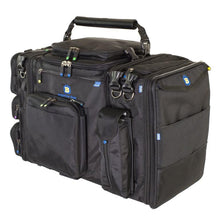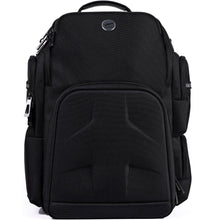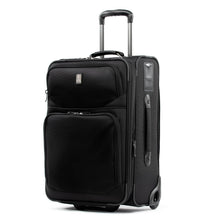




The Best Flight Bags And What To Pack Inside
Flying is exciting, but being prepared makes all the difference. A pilot’s flight bag is like their toolbox, packed with everything they need to have a successful trip.
If you’ve ever wondered what goes into a pilot’s bag or how to pick the best one, let’s explore it in a simple and fun way.


Your flight bag touches every flight you make. It decides whether your fuel tester is in your hand in five seconds or buried under a jacket, whether your headset survives the back seat, and whether you walk to the airplane organized or rummaging. After years of selling flight bags to students, CFIs, and airline crews, I have a clear picture of which bags hold up and which ones come back.
This guide covers how to choose a flight bag, exactly what to pack inside it, and the 10 best flight bags for pilots in 2026, with real specs for each one.
Key Takeaways
- A flight bag has one job: every piece of gear gets a fixed place you can reach from the seat, so your hands find it without your eyes.
- Match the bag to your mission. Students need customizable dividers, CFIs need two headset bays, and airline crews need checked-size rollaboards built for daily abuse.
- Ballistic nylon and 600D polyester outlast everything else on the ramp. Check the zippers and the base before anything else.
- Pack in four layers: flight tools, comfort items, safety gear, and personal documents. Light but deliberate wins every time.
- The Flight Outfitters Lift 2.0 is our best all-around pick, with the BrightLine FLEX system taking it for pilots whose loadout changes by mission.

What Is a Flight Bag?
A flight bag is a carry bag built specifically around aviation gear: padded compartments for headsets, sleeves for charts and kneeboards, slots sized for fuel testers and handheld transceivers, and quick-access pockets you can work one-handed from the left seat.
Pilots have carried flight bags for generations. The old ones were leather satchels that looked great and protected nothing. Modern bags trade the look for purpose-built materials, padding where your expensive gear lives, and layouts designed by people who actually fly.
Why carry one instead of a regular backpack? Organization under workload. When you need the flashlight at night or the fuel tester on a cold ramp, a fixed place for every item means no digging, no delay, and no gear grinding against gear in one big cavity.
How to Choose a Flight Bag
Four factors separate a bag that lasts a decade from one that fails at the zipper in a year. Weigh them against how you actually fly, not how you hope to fly.
Durability and materials
Strong synthetics win on the ramp. Ballistic nylon and 600D polyester resist abrasion, fuel drips, and weather, and they weigh less than leather or heavy canvas. Inspect the failure points first: zippers, handle stitching, and the base of the bag, which takes the most abuse on concrete.
Organization and layout
Count the dedicated spots, not the total pockets. You want a padded headset bay, a tablet sleeve you can reach in flight, a fuel tester slot, and at least one quick-access pocket for a flashlight. Movable dividers matter if your kit is still evolving, which it is for every student pilot.
Comfort and carry options
You will carry this bag farther than you think: across ramps, through FBOs, and through airline terminals if you fly for a living. Padded straps, comfort-grip handles, and a rear pass-through sleeve that slides over a rollaboard handle all earn their keep fast.
Size and bag type
Pick the type before the model. Compact duffels suit minimalist VFR flying and tight cockpits. Shoulder bags and large organizers fit training loads and CFI gear. Backpacks work for commuters and flight school. Modular systems flex between missions. Rollaboards are for crews living out of the bag on multi-day trips. Buy for the flying you do most weeks, then size up only if you routinely carry instructor materials or overnight gear.

What to Pack in a Flight Bag
Packing the bag matters as much as picking it. Build your load in four layers and put every item back in the same pocket after each flight:
- Flight tools. Headset, EFB tablet or paper charts, kneeboard, fuel tester, and a flashlight with a red lens for night work. These are the items you reach for under workload, so they get the quickest-access spots.
- Comfort items. Water, snacks, and sunglasses. On a three-hour cross-country in summer, these stop being optional.
- Safety gear. Spare batteries, a small first aid kit, and a multi-tool. Cheap insurance that weighs almost nothing.
- Personal documents. Certificate, medical, ID, wallet, and logbook, all in one zippered pocket so a ramp check never turns into a search.
The goal is light but deliberate. If an item has not left the bag in ten flights and it is not safety gear, it goes back on the shelf.

Flight Bag Comparison Table
| Flight Bag | Type | Best For | Standout Feature |
|---|---|---|---|
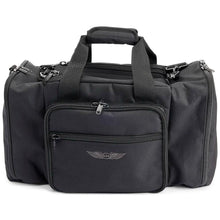
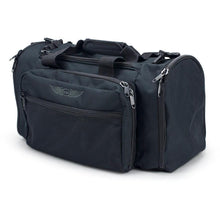
| Flight Outfitters Lift 2.0 | Compact duffel | Best overall for GA pilots | Rescue Orange interior, fleece-lined headset pocket |
| Flight Outfitters Lift Mini 2.0 | Mini duffel | Minimalists and tight cockpits | Fits under the seat at 11 x 6.5 x 8.75 in |
| ASA AirClassics Flight Bag Gen 3 | Shoulder bag | Student pilots | Fully customizable divider interior |
| Jeppesen Student Pilot Bag | Shoulder bag | Budget-minded students | Seven exterior pockets for training gear |
| ASA AirClassics Flight Bag Pro | Large organizer | CFIs and gear-heavy pilots | Two padded headset compartments |
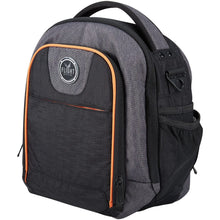
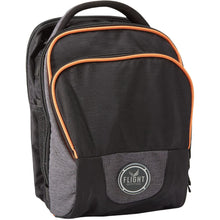
| Flight Outfitters Aviator Backpack | Backpack | Commuting and flight school | Nine-pocket front organization panel |
| BrightLine B18 Hangar | Modular | Pilots who repack per mission | Eight configurations from three center sections |
| Flight Outfitters Flight Deck Pro | Slim cockpit organizer | Airline pilots | 30 pockets in a slim, airline-compliant profile |
| MyGoFlight PLC Pro | Backpack hybrid | Professional pilots | Ballistic nylon, 16 in laptop bay, three carry modes |
| Travelpro FlightCrew5 24 in Rollaboard | Rollaboard (checked size) | Airline crews on multi-day trips | 2 in expansion, three-year commercial warranty |
The 10 Best Flight Bags for Pilots
Every bag below is in stock at PilotMall and earns its spot for a specific kind of flying. Specs come straight from the manufacturers.

Flight Outfitters Lift 2.0 Flight Bag
- Type Compact duffel
- Construction Reinforced sidewalls, steel-reinforced carry handles
- Headset storage Fleece-lined dedicated pocket
- Rescue Orange interior makes small gear easy to spot in a dim cockpit or at night
- Dedicated iPad pocket positioned for quick in-flight access
- Purpose-cut sleeves for a water bottle, fuel tester, and handheld transceiver
- Quick-access chart pockets plus a mesh pocket for flashlights and small accessories
- The smartest pocket layout in its class, and tough enough for daily training use
- Single headset bay, so CFIs carrying two sets should look at the ASA Pro or BrightLine B18 below
Perfect for: the private pilot who wants one organized, durable bag that handles everything from pattern work to weekend cross-countries.
Click for Price →
Flight Outfitters Lift Mini 2.0
- Type Mini duffel
- Dimensions 11 x 6.5 x 8.75 in
- Headset storage Padded main compartment
- Small enough to fit under the seat or on the cabin floor of a two-seat trainer
- Tablet pocket with a pass-through cable slot so your EFB charges in the bag
- Organized pockets for charging cables, flashlight, fuel tester, and keys
- Forces the light-but-deliberate packing discipline most of us need
- Headset plus tablet plus essentials and it is full, so this is a second bag for many pilots rather than the only bag
Perfect for: minimalist VFR flying, tandem and two-seat cockpits, or the pilot who keeps a stripped-down kit ready to go.
Click for Price →
ASA AirClassics Flight Bag Gen 3
- Type Shoulder bag
- Construction Heavy-duty water-repellent 600D polyester, reinforced straps and zippers
- Headset storage Dual end pockets fit a headset or tablet
- Main compartment dividers reposition as your training kit changes
- Front pocket keeps flashlights and fuel testers one zip away
- Rear sleeve slides over a rollaboard handle for commuting students
- Comfort-grip connectable handles plus a detachable non-slip shoulder strap
- The customizable interior grows with you from first lesson through checkride
- Outgrown quickly if you move into instructing with two headsets and teaching materials
Perfect for: the student pilot who wants one bag that organizes a changing training load without buying twice.
Click for Price →
Jeppesen Student Pilot Bag
- Type Shoulder bag
- Construction Heavy-duty polyester with water-resistant coating, reinforced base
- Layout Seven exterior pockets, three main compartments
- Dedicated exterior pockets for an E6B, plotter, and other training tools
- Main compartment sized for logbooks and training manuals
- Removable shoulder strap and compact footprint for small cockpits
- Honest training-bag value from the company whose charts taught most of us
- Built for training loads, not for hauling two headsets and a laptop through a flying career
Perfect for: the brand-new student who needs organized, durable storage without a big outlay before the checkride.
Click for Price →
ASA AirClassics Flight Bag Pro
- Type Large organizer
- Construction Rugged 600D padded, water-repellent polyester with protective feet
- Main compartment 20 in wide x 11 in tall x 12 in deep with Velcro dividers
- Two padded headset compartments, the feature CFIs ask for first
- Zippered side pocket with a tablet sleeve for an iPad or E6B
- Removable chart wallet and internal sleeves for kneeboards and logbooks
- Roller-bag attachment point, ID tab, and detachable non-slip shoulder strap
- Swallows an instructor's full kit and protects all of it
- At 20 inches wide it is a big bag, and a fully loaded one is heavy on the shoulder across a long ramp
Perfect for: CFIs and gear-heavy pilots who carry two headsets and need every item protected and findable.
Click for Price →
Flight Outfitters Aviator Backpack
- Type Backpack
- Construction Reinforced, weather-resistant materials
- Laptop storage Padded sleeve for a laptop or EFB tablet
- Nine-pocket front panel keeps small essentials exactly where you left them
- Headset hook inside the main compartment keeps your headset off the bottom
- Two mesh side pockets for water bottles or a handheld radio
- Concealed pocket under the shoulder straps for wallet and sunglasses
- Luggage handle sleeve for riding on top of a rollaboard
- Hands-free carry with real aviation organization, not a repurposed school bag
- Backpack format means digging from the top for items at the bottom of the main compartment
Perfect for: flight school commuters and pilots who bike, walk, or airline to the airport with gear plus a laptop.
Click for Price →
BrightLine B18 Hangar
- Type Modular (FLEX system)
- Dimensions 13.5 x 10.5 x 19 in fully built
- Capacity Two headsets, a 13 in laptop, and bulky gear across three center sections
- Eight configurations: build it up for a multi-day IFR load or strip it down for a local hop
- 5 in center section holds two headsets or GPS units with an adjustable divider shelf and sunglasses pocket
- 2 in center section gives storage for a laptop up to 13 in, a kneeboard, and documents
- 11 in center section adds dual divider shelves and an 8 in top pocket for bulky equipment
- Nine front compartments plus four attachable side pockets for radios, water bottles, and pens
- The most adaptable storage in this guide, growing and shrinking with your mission
- Fully built it is a big 19 in package, and the modular pieces cost more than any fixed bag
Perfect for: CFIs and working pilots whose loadout changes by mission, from dual-headset instruction days to full IFR cross-countries.
Click for Price →
Flight Outfitters Flight Deck Pro
- Type Slim cockpit organizer
- Dimensions 21 x 5.5 x 15 in
- Headset storage Dual main compartments with dedicated headset storage
- 30 pockets, the highest pocket count of any bag in this guide
- Slim profile fits beside the seat in most airline cockpits without stealing legroom
- Quick-access vertical pockets for sunglasses, documents, and electronics
- Adjustable center divider adapts the main compartment between domestic and international loads
- Suitcase handle attachment plus padded handles and shoulder straps for long terminal walks
- Sleek all-black design that keeps an airline-compliant look
- A fixed place for every item, in a shape designed around the flight deck
- At 5.5 in wide it is an organizer, not an overnight bag, so layover gear rides in your rollaboard
Perfect for: airline and corporate pilots who want every item in its own pocket and a clean, professional look beside the seat.
Click for Price →
MyGoFlight Flight Bag PLC Pro
- Type Backpack hybrid
- Dimensions 19 x 13.5 x 9 in, 3 lb 6 oz
- Construction Water-resistant ballistic nylon, premium YKK zippers, rigid self-standing frame
- Padded laptop compartment fits devices up to 16 in
- Main section holds two headsets plus overnight essentials or a light jacket
- Three carry modes: stowable backpack straps, padded shoulder strap, leather top handle
- Hidden pockets secure your certificate and medical, mesh pockets keep gear visible
- Expandable side pockets for water bottles or a handheld transceiver
- Airline-grade build quality that stands upright on its own in a crew room or cockpit
- At 19 in tall it is near the carry-on limit for some regional aircraft bins, so check your fleet
Perfect for: professional pilots who want one premium bag that moves from cockpit to crew lounge to hotel without compromise.
Click for Price →
Travelpro FlightCrew5 24 in Expandable Rollaboard
- Type Rollaboard, checked size
- Dimensions 24 x 16 x 9.5 in body (25.5 x 16.5 x 10 in with wheels), 10.8 lb
- Construction Ballistic nylon with DuraGuard coating, sealed ball-bearing wheels
- Designed by a 747 captain for crews flying 10 to 20 days a month
- 2 in expansion swallows uniforms, manuals, and layover gear
- Quick-access front pockets for passport, ID badges, and flight documents
- Dedicated laptop compartment and impact-protected telescoping handle
- Three-year commercial warranty rated for professional crew use
- The proven standard for crew luggage, built to survive jet bridges and cargo holds for years
- This is a large checked bag, not a carry-on. Verify the with-wheels dimensions against your airline before buying
Perfect for: airline pilots and flight attendants on multi-day trips who need expandable, warranty-backed crew luggage.
Click for Price →Frequently Asked Questions
- What is the difference between a flight bag and a regular backpack?
- A flight bag is built around aviation gear: padded headset compartments, chart and kneeboard sleeves, fuel tester slots, and quick-access pockets sized for transceivers and EFB tablets. A regular backpack can carry the same items, but everything ends up in one undifferentiated cavity, which means digging for a flashlight at night or letting a headset bounce against a fuel tester. Purpose-built bags also use heavier fabrics and reinforced stitching because ramp use is rougher on gear than a commute. If you fly more than a few times a month, the dedicated layout pays for itself in preflight time alone.
- What size flight bag does a student pilot need?
- A mid-size bag with a 12 to 16 inch main compartment handles primary training comfortably. You need room for a headset, kneeboard, logbook, the POH or training manuals, an E6B or electronic equivalent, a fuel tester, and a flashlight, but not much more. Oversized bags invite overpacking, and a heavy bag gets left in the car, which defeats the purpose. Pick a bag with movable dividers so the interior can change as your kit changes during training, then size up only when you add instructor materials or overnight gear.
- What is the best material for a flight bag?
- Ballistic nylon and 600D polyester are the two materials worth paying for. Both shrug off ramp abrasion, fuel drips, and weather far better than the leather satchels pilots carried a generation ago, and they weigh less. Look for water-repellent coatings, reinforced stitching at the handles, and metal or YKK-style zippers, since zippers are almost always the first failure point on a cheap bag. Canvas remains a solid middle ground if you prefer the classic look, but check that the base is reinforced, because the bottom of the bag takes the most abuse on concrete and asphalt.
- What should every pilot pack in a flight bag?
- Four layers cover it: flight tools, comfort, safety, and documents. Flight tools means your headset, EFB tablet or charts, kneeboard, fuel tester, and flashlight with a red lens for night work. Comfort means water, snacks, and sunglasses. Safety means spare batteries, a small first aid kit, and a multi-tool. Documents means certificate, medical, ID, and logbook. Pack light but pack deliberately, and put every item back in the same pocket after each flight so your hands can find gear without your eyes during a busy moment in the cockpit.
- Can I use a flight bag as an airline carry-on or travel bag?
- Most dedicated flight bags fit airline carry-on and under-seat limits without trouble, and many pilots use the same bag for short personal trips. The exception is crew-style rollaboards: a 24 inch crew bag is checked luggage on nearly every airline, so verify exterior dimensions, including wheels, against your carrier's limits before you buy one bag to do both jobs. If you commute to a flying job, look for a luggage handle pass-through sleeve on the back of the bag, which lets it ride on top of a rollaboard through the terminal instead of hanging off your shoulder.
- Are modular flight bags worth it?
- Yes, if your gear load changes from flight to flight. A modular system like the BrightLine FLEX lets you run a slim two-headset setup for a local VFR hop, then zip in extra sections for an IFR cross-country with a laptop, kneeboard, and overnight kit. You pay more up front than for a fixed bag, and you are committing to one manufacturer's ecosystem of caps, center sections, and pockets. Pilots with a stable, predictable loadout get little benefit, so buy modular for flexibility you will actually use, not for the novelty.
- How do I protect my headset in a flight bag?
- Use a bag with a dedicated padded headset compartment and keep the headset in it, not floating in the main cavity. The ear seals and microphone boom are the vulnerable points: gel seals deform under pressure and a bent boom changes your mic position permanently. Fleece-lined pockets prevent scratched ear cups, and a clip or hook keeps cables from tangling around harder gear like fuel testers. If your bag lacks a padded bay, wrap the headset in its original pouch before packing it, and never stack books or a tablet on top of the ear cups.
About the author: Neil S. Glazer is a commercial pilot with multi-engine and instrument ratings and the founder of PilotMall.com. He has spent decades flying general aviation aircraft and helping pilots choose gear that holds up in the real world, from first solo to the airlines.