




Fone de ouvido para aviação David Clark H10-30 Redução de ruído de 24dB 12508G-17
24 dB passivo para cockpits barulhentos de aeronaves a pistão e de caça, oferecendo durabilidade lendária e comunicação confiável para pilotos que voam em aeronaves barulhentas e de alta vibração.
341
Benefícios
Benefícios
Envio e Entrega
Envio e Entrega
Devoluções
Devoluções

Os pilotos em busca de um fone de ouvido de aviação sólido e confortável a um preço estelar o encontraram com o fone de ouvido H10-30 de David Clark. Este fone de ouvido mono passivo apresenta uma almofada de cabeça supermacia e vedações de ouvido em gel extremamente confortáveis que fizeram de David Clark um dos principais fabricantes de fones de ouvido para aviação do mercado. Este modelo também possui um microfone com cancelamento de ruído de eletreto M-7/DC para clareza incomparável de comunicações, bem como um conjunto de cabo moldado durável que atenderá facilmente às demandas do cockpit. Com uma classificação de redução de ruído (NRR) de 24 dB, este fone de ouvido de “melhor valor” pesa apenas 20 onças. (sem montagem do cabo) e apresenta a lendária garantia de 5 anos de David Clark. Um item incrivelmente bem fabricado pelos melhores do ramo.
Headset Specifications
| Active Noise Reduction (ANR) | Não |
|---|---|
| Bluetooth | Não |
| TSO Certified | Sim |
| Weight | 20 onças |
| Battery Type | N / D |
| Battery Life | N / D |
| Warranty | 5 anos |
| Auto Shut-off | N / d |
| Aux Audio Input | Não |
Frequently Asked Questions
O David Clark H10-30 é um fone de ouvido com cancelamento de ruído (ANR)?
Não. O H10-30 é um fone de ouvido de aviação passivo, portanto, ele reduz o ruído mecanicamente por meio de suas conchas auriculares, protetores auriculares de gel e almofada de cabeça, em vez de usar eletrônicos de redução de ruído ativa. Ele possui uma classificação de redução de ruído de 24 dB. Por ser passivo, não há bateria para gerenciar nem circuitos ativos, o que mantém a operação da cabine simples e confiável.
O H10-30 é um bom fone de ouvido para alunos-pilotos e escolas de voo?
Sim. O H10-30 é uma excelente escolha de valor para alunos-pilotos e um fone de ouvido que muitas escolas de voo usam. Sua redução de ruído de 24 dB, protetores auriculares de gel confortáveis e almofada de cabeça supermacia tornam as longas aulas de treinamento mais fáceis, enquanto a lendária durabilidade do David Clark suporta o uso diário na escola sem a complexidade da redução de ruído ativa.
O que torna o H10-30 confortável para voos longos?
O H10-30 é projetado para conforto durante voos longos. Possui protetores auriculares de gel e uma almofada de cabeça supermacia que ajudam a reduzir a pressão e a fadiga em viagens prolongadas. Com aproximadamente 20 onças, é relativamente leve para um fone de ouvido passivo, o que alivia a tensão no pescoço durante horas de uso na cabine.
Quanto pesa o David Clark H10-30?
O H10-30 pesa cerca de 20 onças, o que é relativamente leve para um fone de ouvido de aviação passivo. Esse peso modesto ajuda a reduzir a fadiga do pescoço e da cabeça durante longas sessões de treinamento e voos. Combinado com os protetores auriculares de gel e a almofada de cabeça supermacia, o design equilibrado mantém o fone de ouvido confortável durante horas de uso regular na cabine.
Qual microfone o H10-30 usa e o áudio é claro?
O H10-30 usa o microfone com cancelamento de ruído M-7/DC da David Clark em um braço posicional. O design com cancelamento de ruído ajuda a filtrar o ruído da cabine e do motor para que suas transmissões cheguem claramente a outros tripulantes e controladores. Combinado com a redução de ruído passiva de 24 dB do fone de ouvido, ele suporta comunicação nítida e inteligível mesmo em aeronaves de treinamento mais ruidosas.
O David Clark H10-30 possui aprovação FAA TSO?
Sim. O H10-30 possui aprovação TSO, atendendo aos padrões de aviação reconhecidos para o desempenho de fones de ouvido. A aprovação TSO reflete testes contra requisitos técnicos estabelecidos, o que faz parte do motivo pelo qual este fone de ouvido passivo é confiável em escolas de voo e aviação geral. Como sempre, verifique se qualquer equipamento atende aos requisitos de sua aeronave e operação específicas antes de voar.
Que tipo de plugues o H10-30 usa e ele se encaixará na minha aeronave?
O H10-30 é um fone de ouvido de aviação geral construído para se conectar a tomadas de painel de aeronaves padrão. As configurações de plugues podem diferir entre instalações de asa fixa e helicóptero, então confirme quais conectores seu painel usa antes de voar. Se sua aeronave usar uma configuração diferente, um adaptador apropriado pode permitir a conexão, mas sempre verifique a compatibilidade para sua instalação específica primeiro.
Posso conectar um telefone ou reprodutor de música ao H10-30?
Não. O H10-30 é um fone de ouvido de aviação geral passivo que se conecta a tomadas de painel de aeronaves padrão e não inclui entrada de áudio auxiliar embutida ou Bluetooth. Para ouvir música ou áudio do telefone em voo, você precisaria de uma fonte de áudio de painel separada ou de um adaptador externo. Sempre confirme se sua aeronave usa tomadas padrão de aviação geral antes de voar.
Qual a garantia do David Clark H10-30 e qual cobertura se aplica?
O H10-30 é respaldado pela garantia de cinco anos da David Clark, refletindo sua reputação de durabilidade e um conjunto de cabos robusto construído para suportar o uso exigente na cabine. Essa longa cobertura e construção robusta são uma grande parte do motivo pelo qual ele é considerado um valor confiável e duradouro por escolas de voo e pilotos para anos de treinamento regular e voos de aviação geral.
Qual a diferença entre o H10-30 e o H10-13.4?
Ambos são fones de ouvido passivos David Clark com microfones com cancelamento de ruído comparáveis e redução de ruído passiva de estilo 24 dB semelhante. O H10-30 é o modelo mais focado no valor e pesa cerca de 20 onças, tornando-o uma escolha popular e econômica para escolas de voo e novos pilotos. Compare o peso atual e os detalhes dos recursos em cada página do produto para escolher o melhor ajuste.
Posso substituir os protetores auriculares, a almofada de cabeça ou outras peças de desgaste do H10-30?
Geralmente sim. Os fones de ouvido David Clark usam um design reparável, então itens de desgaste comuns, como protetores auriculares de gel, a almofada de cabeça e as capas de microfone, podem ser geralmente renovados em vez de substituir o fone de ouvido inteiro. A capacidade de renovar essas peças ajuda a estender a vida útil do fone de ouvido, o que faz parte do motivo pelo qual ele é preferido para uso diário intenso em frotas de treinamento.
-
 Fornecedor:Bose
Fone de ouvido Bose A30 ANR Aviation com plugue duplo, alimentado por bateria e Bluetooth 857641-3120
ANR Piston-Cockpit com Bluetooth, dois plugs GA e três modos ANR, oferecendo a pilotos de aeronaves mono e bimotor controle de ruído flexível e chamadas sem as mãos ou música em voo.
Preço normal $1,299.00Preço promocional $1,299.00 Preço normalPreço unitário por -
 Fornecedor:David Clark
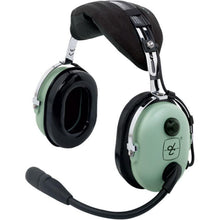
Fone de ouvido de aviação mono David Clark H10-13.4 40411G-01
23 dB de redução de ruído passiva em uma construção robusta e remontável, o primeiro headset comprovado para escolas de pilotagem que sobrevive a anos de uso em treinadores e clubes.
Preço normal $369.95Preço promocional $369.95 Preço normalPreço unitário por$415.55 -
 Fornecedor:Lightspeed
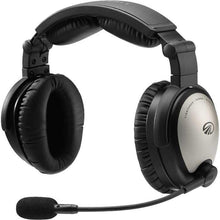
Fone de ouvido Bluetooth para aviação Lightspeed Sierra ANR
ANR com Bluetooth para voos diários de aviação geral, cortando o volume da música em 80% no instante em que uma chamada de rádio chega para você nunca perder uma autorização, em duas pilhas AA.
Preço normal $749.00Preço promocional $749.00 Preço normalPreço unitário por -
 Fornecedor:Bose
Fone de ouvido Bose A30 ANR para aviação LEMO, 6 pinos, alimentação para aeronaves com Bluetooth 857641-3140
Panel-powered ANR with Bluetooth via LEMO 6-pin, no batteries needed, so pilots get all-day quiet and wireless audio without the weight or hassle of battery packs.
Preço normal $1,299.00Preço promocional $1,299.00 Preço normalPreço unitário por -
 NovoFornecedor:Lightspeed
Headset ANR Lightspeed Zulu 4 - Alimentado por Bateria (Plugs Duplos GA)
Bluetooth ANR built for the piston cockpit, with standard dual GA plugs that make it the easy default for renters, students, and pilots who fly a variety of aircraft.
Preço normal $1,099.00Preço promocional $1,099.00 Preço normalPreço unitário por -
 Fornecedor:Bose
Fone de ouvido Bose A30 ANR Aviation U174 com bateria para helicóptero e Bluetooth 857641-3130
ANR para helicóptero com Bluetooth, um plugue U-174 e três modos ANR selecionáveis, permitindo que pilotos de helicóptero ajustem a redução de ruído e mantenham-se conectados em todas as missões.
Preço normal $1,299.00Preço promocional $1,299.00 Preço normalPreço unitário por -
 Fornecedor:Bose
Fone de ouvido Bose ProFlight Series 2 ANR para aviação, 5 pinos XLR Flex Power com Bluetooth 789812-5070
Airbus-deck in-ear ANR at 4.5 oz with Bluetooth and 5-pin XLR, giving airline crews quiet, lightweight comfort that stows easily between long duty days.
Preço normal $1,099.00Preço promocional $1,099.00 Preço normalPreço unitário por -
 Fornecedor:Bose
Fone de ouvido para aviação Bose ProFlight Series 2 ANR com plugue duplo, alimentado por bateria e Bluetooth 789812-5020
Turbine-cockpit in-ear ANR at 4.5 oz with Bluetooth and dual GA plugs, built for jet and turboprop crews who want all-day comfort with minimal head-clamping bulk.
Preço normal $1,099.00Preço promocional $1,099.00 Preço normalPreço unitário por -
 Fornecedor:David Clark
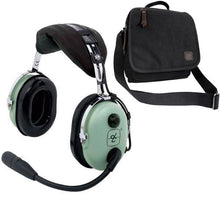
David Clark H10-13S Fone de Ouvido Estéreo para Aviação e Bolsa Combo 40422G-01
Redução passiva de ruído estéreo de 23 dB em uma estrutura leve para voos longos, pronta para música no painel e incluída com uma bolsa de transporte acolchoada para viagens diárias.
Preço normal $399.95Preço promocional $399.95 Preço normalPreço unitário por$459.79 -
 Fornecedor:David Clark
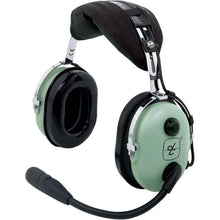
Fone de ouvido de aviação estéreo David Clark H10-13S 40422G-01
Estéreo passivo de 23 dB para música e intercomunicação através de um painel de áudio, em uma construção leve de 482 gramas que se mantém confortável durante voos de treinamento longos.
Preço normal $379.95Preço promocional $379.95 Preço normalPreço unitário por$422.80


