




ASA Official FAA Aircraft Maintenance Handbook 43.13-1B/2B
39820
Benefits
Benefits
Shipping & Delivery
Shipping & Delivery
Returns
Returns
The ASA AC 43.13-1B/2B is the definitive aircraft maintenance manual, serving as the official FAA reference for aviation professionals.
This 834-page handbook is the only reference used by FAA inspectors, providing unmatched legal protection with government-approved standards for aircraft repair.
Comprehensive Coverage for Aviation Maintenance
When facing critical repairs on general aviation aircraft, knowing what reference book aircraft mechanics need is crucial. This comprehensive guide combines Parts 1B and 2B into a single authoritative source. It covers everything from routine inspections to complex structural alterations. Unlike third-party interpretations, each procedure here is an official FAA-approved repair method, recognized and accepted by inspectors. Whether you're an A&P mechanic, a student, or a seasoned technician, this handbook offers the definitive answers you need for FAA compliance.
Ensure Compliance and Avoid Costly Reinspections
Following government-mandated standards is essential to pass inspections and avoid costly reinspections. This official FAA advisory circular provides step-by-step guidance on documenting aircraft repairs properly. It ensures your maintenance records meet federal requirements, protecting you from liability claims. From sheet metal repairs to electrical modifications, every technique is vetted and approved by the regulatory body that will judge your work.
Master FAA-approved aircraft maintenance and ensure legal protection with the official ASA AC 43.13-1B/2B. Get your comprehensive, government-standard reference guide now!
Book Specifics:
- Book ISBN: 978-1-64425-524-7
Frequently Asked Questions
What is the ASA AC 43.13-1B/2B handbook?
It is the official FAA reference covering acceptable methods, techniques, and practices for aircraft inspection, repair, and alteration. Published by ASA, this 834-page volume combines FAA Advisory Circulars 43.13-1B and 43.13-2B into one book. It is the reference relied on by FAA inspectors and a government-standard source for documenting aircraft maintenance work properly.
Is AC 43.13-1B still current and accepted by the FAA?
Yes. AC 43.13-1B with Change 1 remains an active FAA advisory circular and continues to be recognized as acceptable methods, techniques, and practices for aircraft inspection and repair. It superseded the older 43.13-1A. This ASA volume reprints that official guidance so technicians can reference current, government-accepted standards. Always verify the latest revision before relying on it for a task.
What is the difference between Part 1B and Part 2B?
AC 43.13-1B sets out acceptable methods, techniques, and practices for the inspection and repair of civil aircraft. AC 43.13-2B covers acceptable methods for aircraft alterations. This ASA edition binds both parts into a single book, so inspection, repair, and alteration guidance live together in one convenient reference instead of two separate documents.
Who is this handbook written for?
It is written for A and P mechanics, aviation maintenance students, and seasoned technicians. Whether you are training, studying for FAA knowledge exams, or performing maintenance in the field, it aims to give you definitive answers for FAA compliance and properly documented work, from sheet metal repairs through electrical modifications on general aviation aircraft.
Is this handbook required reading for mechanics, or just a reference?
It is a reference rather than a regulation. AC 43.13 is advisory, providing methods acceptable to the FAA when manufacturer instructions are not available. Many A and P mechanics, repair stations, and maintenance students keep it on the bench because it offers a trusted baseline of accepted practices. It is an essential resource for documented, compliant work on general aviation aircraft.
What topics does this handbook cover?
It spans a broad range of maintenance subjects, including wood, fabric, plastic, and metal structures, welding and brazing, nondestructive inspection, corrosion control, aircraft hardware, control cables, engines and fuel systems, propellers, weight and balance, and electrical and avionics work. The 2B portion adds acceptable methods for aircraft alterations, giving mechanics one combined reference for inspection, repair, and modification questions.
When do you use AC 43.13 versus manufacturer maintenance instructions?
Manufacturer instructions and FAA-approved data take priority when they exist for the specific aircraft and task. AC 43.13 provides a baseline of acceptable methods generally relied on when the manufacturer has not published applicable guidance. It serves as a fallback of accepted practices rather than a substitute for current, type-specific maintenance instructions. Always confirm applicability before relying on it.
Can this be used as approved data on FAA Form 337?
AC 43.13 is acceptable data, and its repair or alteration information may serve as approved data when it applies to the product, is directly applicable, and is not contrary to the manufacturer data. Used that way, the chapter, page, and paragraph are cited in the appropriate block of FAA Form 337. Always confirm applicability and the current FAA guidance.
What aircraft does the guidance apply to?
The methods and practices apply to non-pressurized areas of civil aircraft with a gross weight of 12,500 pounds or less. It serves as a baseline of acceptable methods, generally relied on when the manufacturer has not published specific instructions for the inspection, repair, or alteration being performed on the aircraft.
What edition and format is this, and what is the ISBN?
This is the printed ASA edition of the official FAA AC 43.13-1B and 43.13-2B, an 834-page volume that binds both advisory circulars into one book rather than two separate booklets. It is carried under ISBN 978-1-64425-524-7 and published by ASA. Confirm the current format and revision details on the product page before ordering.
-
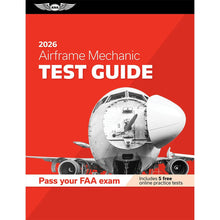 SaleVendor:ASA
ASA 2026 AMT Airframe Test Prep Book with Free Practice Tests
Regular price $17.99Sale price $17.99 Regular priceUnit price per$19.95 -
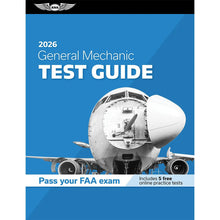 SaleVendor:ASA
ASA 2026 General Test Guide: Pass Your FAA Exam
Regular price $17.99Sale price $17.99 Regular priceUnit price per$19.95 -
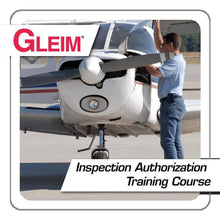 SaleVendor:Gleim
Gleim Online FAA IA Inspection Authorization Training Course
Regular price $89.99Sale price $89.99 Regular priceUnit price per$99.95 -
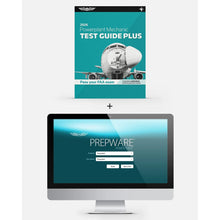 SaleVendor:ASA
ASA 2026 AMT Powerplant Exam Prep Bundle (Book, Download, Online)
Regular price $43.99Sale price $43.99 Regular priceUnit price per$49.95 -
 SaleVendor:ASA
ASA 2026 AMT Airframe Test Guide with Unlimited Practice Bundle (Book, Download, Online)
Regular price $43.99Sale price $43.99 Regular priceUnit price per$49.95 -
 SaleVendor:Gleim
Gleim Online Aviation Maintenance Technician - Airframe: Pass Your FAA Exam
Regular price $79.99Sale price $79.99 Regular priceUnit price per$89.95 -
 SaleVendor:ASA
ASA 2026 AMT Powerplant Test Guide for AMT Success Book
Regular price $17.99Sale price $17.99 Regular priceUnit price per$19.95 -
 SaleVendor:Gleim
Gleim Online Aviation Maintenance Technician - Powerplant: Pass Your FAA Exam
Regular price $79.99Sale price $79.99 Regular priceUnit price per$89.95 -
 SaleVendor:Gleim
Gleim Online Aviation Maintenance Technician - General: Pass Your FAA Exam
Regular price $79.99Sale price $79.99 Regular priceUnit price per$89.95

-
 FREE U.S. Shipping (on $100+)Save on outbound delivery!
 -
 4.8/5 StarsReviewed by 26,000+ Fellow Pilots
 -
 Expert Pilot SupportGear Tested by Real Pilots
 -
SHIPS TODAY (Order by 3 PM ET)Get It Faster!
- Choosing a selection results in a full page refresh.
- Opens in a new window.