




Active vs Passive Noise Reduction: Which Is Best for Pilots? - Pilot Mall
Shopping for pilot headsets in 2025? Understanding Active Noise Reduction (ANR) versus Passive Noise Reduction (PNR) is key. This guide dives deep into how each technology works, the pros and cons for pilots, whether ANR is worth the investment, and what to look for in a headset. Plus, we reveal our top picks for the best ANR aviation headsets in 2025, including the latest from Bose, Lightspeed, and David Clark, to help you fly safer and more comfortably.


Quick answer: For most pilots, an active noise reduction (ANR) headset is the best choice. ANR uses electronics to cancel the low-frequency engine and prop drone that causes fatigue in piston general aviation aircraft, so you hear ATC clearly and land less tired. Passive noise reduction (PNR) headsets block sound with physical insulation alone; they are simpler, more affordable, and a smart pick for tight budgets, occasional flying, or as a backup or passenger set.
Shopping for pilot headsets can get confusing fast, especially if you are new to aviation or you have not headset-shopped in a few years. Between plug types, on-ear vs. over-ear designs, Bluetooth, app features, and active noise reduction (ANR) vs passive noise reduction (PNR), it is easy to feel stuck.
This updated guide breaks down ANR vs PNR headsets in plain language, explains how the technology works in real cockpits, and gives you a current list of the best aviation headsets, including newer arrivals like the Lightspeed Zulu 4 and jet-focused options like the David Clark JET-X.

What's New (Quick Update)
- Lightspeed Zulu 4 is here (new FrameFit ear seals for glasses, Dual Bluetooth, updated audio features).
- Jet-style "rest-on-ear" headsets are trending for pro cockpits: the David Clark JET-X (ANR) and David Clark DC Jet (Passive) are built for modern jet environments.
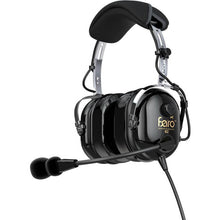
- Lightweight materials are surging: the Faro G3 ANR Carbon Fiber is a standout for pilots who want comfort and connectivity without jumping straight to flagship pricing.
Table of Contents
- What is the Difference Between ANR and PNR?
- What is Passive Noise Reduction (PNR)?
- What is Active Noise Reduction (ANR)?
- How Does ANR Work in a Cockpit?
- What is Hybrid Noise Cancellation?
- Over-Ear vs Rest-On-Ear: Match Your Headset to Your Aircraft
- Is Active Noise Reduction Worth It for Pilots?
- What to Look for in a Modern Aviation Headset
- Best Aviation Headsets (ANR and PNR Picks)
- Frequently Asked Questions
What is the Difference Between ANR and PNR?

Pilot headsets reduce cockpit noise in two main ways:
- Passive Noise Reduction (PNR) uses physical insulation and a tight ear seal to block sound.
- Active Noise Reduction (ANR) uses electronics to cancel noise, especially the low-frequency "engine drone" that causes fatigue.
You will also see equivalent terms like ANC (active noise cancellation) and PNC (passive noise cancellation). Regardless of the label, the main question is this: Do you want a headset that primarily blocks noise physically, or one that cancels it electronically?
What is Passive Noise Reduction (PNR)?
PNR headsets reduce noise by creating a physical barrier around your ears. Thick ear cups, a tight seal, and insulation add up to less noise getting in. PNR tends to block higher-frequency sound best (wind rush, cockpit hiss, some airflow noise).
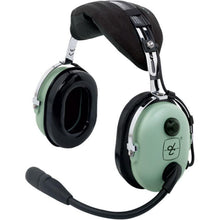
Because passive headsets do not need batteries, they are simple, durable, and usually less expensive. That is why classic training headsets like the iconic green David Clark models are still popular with student pilots.
PNR downside: there is a limit to how much physical insulation can do against constant, low-frequency noise (engine and prop rumble). That is where ANR shines.
What is Active Noise Reduction (ANR)?
ANR headsets electronically cancel noise. Instead of only blocking sound, ANR headsets "listen" to cockpit noise and generate an opposite sound wave ("anti-noise") to neutralize it.
ANR is most effective at low-frequency, steady noise, the exact kind most pilots deal with in piston GA aircraft: engine rumble, prop droning, and persistent cabin noise.
ANR requires power (usually AA batteries, aircraft power, or both). If power dies, most ANR headsets revert to passive mode.
How Does ANR Work in a Cockpit?
ANR headsets use microphones (typically in the ear cups) to pick up ambient noise. The headset's circuitry instantly creates an inverse waveform and plays it through the speakers. When the waves meet, they cancel each other out, dramatically lowering what your ear perceives.
In practical terms, ANR reduces the "fatiguing roar" so you can:
- hear ATC and intercom more clearly
- run radio volume lower (less listening fatigue)
- arrive less exhausted after longer flights
Limitations: ANR works best on steady noise. Sudden, irregular sounds (a click, a door slam) are harder to cancel, though they are usually less fatiguing than constant low-frequency noise.
What is Hybrid Noise Cancellation?
Hybrid noise cancellation combines two approaches:
- Feedforward ANR (microphone outside the ear cup) detects noise before it reaches your ear.
- Feedback ANR (microphone inside the ear cup) detects residual noise near your ear for more precise cancellation.
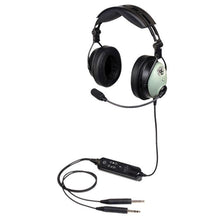
Using both can improve cancellation across a broader band of frequencies. A well-known hybrid example in aviation is the David Clark One-X, which blends feedforward and feedback for strong overall performance.
Over-Ear vs Rest-On-Ear: Match Your Headset to Your Aircraft
Today, headset shopping is not just ANR vs PNR; it is also about physical style and cockpit environment.
- Over-ear headsets (common in GA piston aircraft) surround the ear and usually provide strong passive sealing plus great ANR performance in loud cabins.
- Rest-on-ear headsets (increasingly popular for airline and business jet pilots) are ultra-light and comfortable for long duty days but typically are not intended for very loud piston cockpits.
Rule of thumb: If you fly louder piston GA aircraft frequently, an over-ear ANR headset is usually the safest bet. If you primarily fly jets or quieter cockpits, a rest-on-ear design can be a comfort game-changer.
Is Active Noise Reduction Worth It for Pilots?
For most pilots, yes. ANR offers real benefits that show up on every flight:
- Less fatigue: reducing the engine drone makes flights feel easier, especially on longer legs.
- Clearer comms: you can hear more detail at lower volumes.
- Better comfort over time: many modern ANR headsets are lighter and clamp less than older designs.
If you are a brand-new student pilot on a budget, a quality PNR headset can absolutely work. But if you are flying regularly, or you are already feeling fatigue after training flights, ANR is one of the most noticeable upgrades you can make.
Pro tip: If you start with PNR, keep it as a backup or passenger headset after you upgrade.
What to Look for in a Modern Aviation Headset
Headsets have evolved quickly. Here are the decision points that matter most today:
- Noise reduction for your aircraft type: Loud piston GA and rotorcraft generally favor over-ear ANR. Quieter turbine cockpits can work well with ultra-light rest-on-ear models.
- Comfort for real flight durations: long cross-countries? Look for lighter weight, lower clamping force, plush seals, and heat management.
- Glasses and hat-friendly sealing: newer seal designs (like Lightspeed's FrameFit ear seals) are built to maintain seal comfort even with eyewear and headwear.
- Bluetooth (and Dual Bluetooth): pilots increasingly run an EFB plus phone at the same time. Dual Bluetooth lets you connect both without re-pairing hassles.
- Outgoing audio clarity: if you record cockpit audio, take calls, or use Bluetooth communications, look for headsets designed to reduce background noise in your outgoing audio.
- Power options: AA batteries are common, but panel power (LEMO or 6-pin) and USB-C power options are becoming more relevant depending on aircraft.
- Plug type: Dual GA plugs, U-174 helicopter, 6-pin LEMO, XLR. Match your aircraft (or use adapters if you fly multiple types).
- Warranty and support: when you are investing in premium audio, warranty and customer support matter.
A Note on Noise-Reduction "dB" Claims
Not all noise reduction numbers are measured the same way across brands, and marketing claims can be difficult to compare apples-to-apples. Use specs as a rough guide, but prioritize fit, seal quality, comfort, and how well you can hear communications at lower volume.
Best Aviation Headsets (ANR and PNR Picks)
Below are our current recommendations for the best aviation headsets for pilots. The "best headset" depends on how and what you fly, so start with the comparison table, then read the use-case notes underneath.
| Headset | ANR or PNR | Over-ear or Rest-on-ear | Bluetooth | Plug type |
|---|---|---|---|---|
| Bose A30 | ANR | Over-ear | Yes | Dual GA |
| Lightspeed Zulu 4 | ANR | Over-ear | Yes (Dual) | Dual GA |
| Lightspeed Zulu 3 | ANR | Over-ear | Yes | Dual GA |
| David Clark One-X | ANR (hybrid) | Over-ear | Yes | Dual GA |
| Faro G3 Carbon Fiber | ANR | Over-ear | Yes | Dual GA |
| Lightspeed Sierra | ANR | Over-ear | Yes | Dual GA |
| PilotMall Next Gen Sound Silencer | ANR | Over-ear | Yes | Dual GA |
| David Clark JET-X | ANR | Rest-on-ear | No | Dual GA |
| Bose ProFlight Series 2 | ANR | In-ear | Yes | Dual GA |
| David Clark H10-13.4 | PNR | Over-ear | No | Dual GA (mono) |
| David Clark DC Jet | PNR | Rest-on-ear | No | Dual GA |
Click any headset for its current price. You can also browse the full aviation headsets collection.
Best Premium Over-Ear ANR Headsets (GA piston, louder cabins)
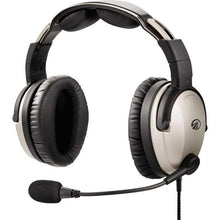
For flagship over-ear ANR in loud piston cabins, the Bose A30 is still a top-tier "buy once" choice, with refined ANR, selectable modes, and a light, comfortable build for long legs. The Lightspeed Zulu 4 is the newest premium contender, adding FrameFit ear seals for glasses wearers and Dual Bluetooth so you can run an EFB and phone at once. The Lightspeed Zulu 3 remains an excellent premium headset, especially at a strong value against the newer flagships. The David Clark One-X pairs hybrid noise cancellation with David Clark durability for pilots who want tech and toughness together.
Best Mid-Price and Value ANR Headsets (strong performance without flagship pricing)
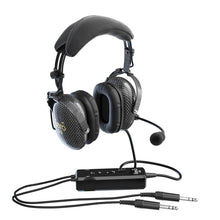
The Faro G3 ANR Carbon Fiber is a trending lightweight pick: a carbon-fiber build with Bluetooth for pilots prone to headset fatigue who do not want to spend flagship money. The Lightspeed Sierra is a proven "upgrade from training gear" ANR headset with Bluetooth, and the PilotMall.com Next Gen Sound Silencer delivers ANR plus Bluetooth at the lowest price in this group. If none of those three is the right fit, browse the headsets collection for the rest of the range.
Best Ultra-Light Headsets for Jet and Corporate Pilots (modern jet cockpit comfort)
The David Clark JET-X is a 4.5 oz rest-on-ear ANR headset purpose-built for quieter, pressurized jet cockpits, with Outlast thermal management and USB-C or AA power. The Bose ProFlight Series 2 is an ultra-light in-ear design with selectable ANR and Bluetooth, a favorite in turbine environments. Important: jet-style headsets are intended for quieter cockpits. If you fly loud piston GA frequently, an over-ear ANR headset is a better match.
Best Passive (PNR) Headsets (budget-friendly, reliable, training staples)
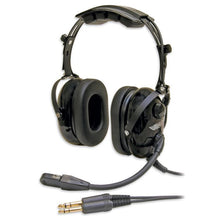
The David Clark H10-13.4 is still the go-to passive headset for training and budget-conscious pilots: reliable, durable, and a true aviation classic. For a jet-style passive alternative, the David Clark DC Jet delivers the ultra-light, rest-on-ear feel with no electronics to fail, a compelling option where comfort matters most and a passive setup is preferred or required.
A few more passive options are worth knowing if the H10-13.4 is not the right fit. The David Clark H10-30 carries the highest passive noise reduction rating in David Clark's lineup (24 dB) for pilots who want maximum passive protection. On the tightest budgets, the Pilot USA PA-1161 has been an entry-price first-headset and backup-pair favorite for more than 20 years. For a women's-specific fit, the Pilot USA PA-1181T adds gel ear seals, a lighter build, and a built-in push-to-talk switch.
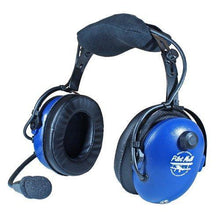
Depending on your priorities, several other passive headsets are worth a look. Pilots who want stereo audio can choose the David Clark H10-13S, a stereo version of the H10-13.4 with a stereo/mono switch. The rest-on-ear David Clark DC PRO-2 is an ultra-light passive option (around 8 oz) for pilots who prefer a supra-aural fit, while the David Clark H10-60 adds an adjustable headband-pressure system to fine-tune clamping force. On tighter budgets, the Faro G2 pairs one of the higher passive noise reduction ratings in this group with gel ear seals at an entry-level price, the ASA AirClassics HS-1A is a lifetime-warranty value pick, and the Pilot USA PA-1169T and PA-1171T round out the lightweight budget field. Pilot Mall's own Sound Silencer passive headset delivers a similar feature set at a budget price.
Whether you are upgrading from a training headset, buying your first ANR, or optimizing for professional comfort, the "best" headset is the one that matches your aircraft, your flying frequency, and your comfort needs.
Frequently Asked Questions
- Is ANR or PNR better for student pilots?
- Either can work. Many student pilots start with a durable PNR headset (like the David Clark H10-13.4) and upgrade later. If you are flying frequently, training in a louder aircraft, or getting fatigued after lessons, ANR can be a major comfort and focus upgrade.
- Are there good aviation headsets on a modest budget?
- Yes. For PNR, the David Clark H10-13.4 is a long-time favorite. For value-focused ANR, options like the PilotMall Next Gen Sound Silencer can offer strong features without flagship pricing.
- What is the best premium aviation headset for GA pilots?
- If you want top-tier over-ear ANR for GA piston cabins, flagship options like the Bose A30 and Lightspeed Zulu 4 are leading choices. The best pick comes down to fit, comfort preferences, and which feature set matches how you fly (Bluetooth needs, glasses comfort, and so on).
- What is the biggest aviation headset upgrade trend right now?
- Two big trends: (1) premium headsets focusing on modern connectivity like Dual Bluetooth and improved audio clarity, and (2) ultra-light jet-style headsets designed for maximum comfort in professional cockpits.
- Are jet-style "rest-on-ear" headsets good for piston aircraft?
- Sometimes, but it depends on cockpit noise level. Rest-on-ear headsets are designed for comfort in quieter turbine cockpits. If you fly loud piston GA frequently, an over-ear ANR headset typically provides better sealing and a more suitable noise reduction experience.
- How long do ANR headset batteries last?
- Battery life varies by model. Many popular ANR headsets run on AA batteries and often last dozens of hours. Some headsets support panel power (such as 6-pin LEMO) depending on configuration and aircraft.
- Is active noise reduction safe for your hearing?
- ANR reduces what reaches your eardrum rather than adding to it, so the technology itself is not a hearing risk. The practical benefit is indirect: with less engine drone inside the cups you can run radio and intercom volume lower, and volume is where most cockpit hearing damage comes from. ANR is not a substitute for a good seal, though. If the ear seals are worn, or glasses arms break the seal, the passive half of the protection drops and the electronics cannot put all of it back.
- Does ANR help in a quiet cockpit?
- Less than you would expect. ANR works on steady low-frequency noise, so its advantage scales with how much engine and prop rumble there is to cancel. In a quieter turbine or pressurized cabin the gain is smaller, which is why ultra-light rest-on-ear and in-ear designs are popular there: comfort across a long duty day matters more than raw cancellation. Put the same headset in a loud piston aircraft and the ANR is doing far more work.
- Should I keep my old headset after upgrading?
- Yes. Your previous headset becomes a perfect passenger set or a backup. It is one of the easiest ways to improve passenger experience, too.
- How does an aviation headset's Noise Reduction Rating (NRR) work?
- NRR is a manufacturer-published figure measured in decibels, and a higher NRR means a quieter headset. Because the decibel scale is logarithmic, you cannot simply add a headset's passive and active reduction numbers together. A headset with 22 dB of passive protection and 24 dB of active protection nets roughly 26 dB overall, not 46. That same math means small differences matter: a 10 dB gap between two headsets is about twice as much noise reduction, so even a 2 dB difference is noticeable. Treat NRR as a useful guide, but still prioritize seal quality, fit, and how clearly you can hear communications at lower volume.
- How should a pilot headset fit, and does the ear-pad material matter?
- A properly fitting headset rests snugly across the top of your head without slipping forward or backward, and the ear cups should completely encase your ears rather than press on them. Watch the clamping force: too tight feels like a vice on long flights, while too loose breaks the seal and lets noise in. Padding material matters too. Many pilots find gel ear seals the most comfortable, while memory foam offers a softer feel, and both help maintain the seal that is critical if you wear glasses or sunglasses. Because fit is subjective, it helps to borrow a friend's or instructor's headset for a flight before you buy.
- How do I care for and maintain a passive aviation headset?
- Passive headsets are low-maintenance, but a little care keeps them comfortable and quiet. Wipe down the ear cushions regularly, store the headset in a protective case when it is not in use, and periodically check the ear seals and headband padding for wear. Replacing worn seals restores both comfort and the tight seal that passive noise reduction depends on.
- What is the average lifespan of a passive aviation headset?
- With proper care, most passive headsets last five to ten years or more. Because they have no electronics to fail, the parts that wear out are usually the ear seals, head pad, and cabling, and those are typically replaceable, which is a big part of why passive headsets are so durable and cost-effective over the long run.
- Are there passive aviation headsets designed for helicopter pilots?
- Yes. Many passive headsets are offered in a helicopter version with a single U-174 plug and tuning suited to rotary-wing noise. If you fly helicopters, confirm the headset is the helicopter (U-174) configuration rather than the twin-plug general aviation version, or use the correct adapter.
- Are stereo versions of passive aviation headsets available?
- Yes. Several passive headsets come in stereo, including the David Clark H10-13S, which adds a stereo/mono switch so you can enjoy stereo audio from music or intercom systems that support it and switch back to mono when needed.
Want to learn more about aviation headsets?
- 11 Best Aviation Headsets to Kill the Noise
- The Best Aviation Headsets for a New Student Pilot: High End or Economy?
- What is the Bose A30 Headset? Why should you consider an upgrade?
About the author
Neil Glazer is a commercial pilot (multi-engine and instrument rated) and the founder of Pilot Mall. He has spent years helping pilots choose the right gear for how and what they fly. Have a question or think we missed something? Let us know in the comments below.





2 comments
While I love ANR technology, the one drawback that I have found is you can’t hear what the airplane is doing, especially the engine. Many times, you will hear what the engine is doing before you can see it on a gauge (if you get an indication at all). I prefer passive noise reduction because it allows me to monitor all aspects of flying the airplane from engine noise, open doors and windows, cargo doors slapping in the slipstream, etc. while still allowing me to monitor the radios and other auditory indicators. For me, passive headsets help me with the safety of flight.
OK, here’s the “deal” with ANR; while the noise *cancellation” is usually excellent, the noise *protection” to the ear continues to be “suspect.” An ANR set does not claim to be protective against physical damage. Therefore, if this is a concern, it has been suggested to use ear plugs while using an ANR set to mitigate the possible long term physical damage to the ear.
One more thing: there are some sounds a pilot should be hearing, like sounds an engine makes if it is about to fail.
ANR presents a problem not unlike polarized glasses when looking at some instruments on the panel – they black out when viewed at certain angles.