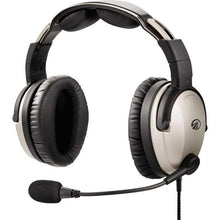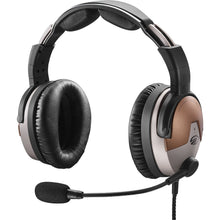




Bose A30 vs. Lightspeed Zulu 3 (2025 Review): Which Premium ANR Headset Should You Buy?
Choosing a premium ANR aviation headset in 2025? The Bose A30 and Lightspeed Zulu 3 are top contenders. The A30 boasts the latest tech, adaptable noise cancellation, and renowned Bose comfort, while the Zulu 3 offers exceptional value, rugged durability, and a class-leading 7-year warranty. Our in-depth comparison weighs noise reduction, comfort, build quality, features, and price to help you decide which headset is the best investment for your cockpit. Find out whether the cutting-edge A30 or the proven, value-packed Zulu 3 is the right choice for your flying needs.
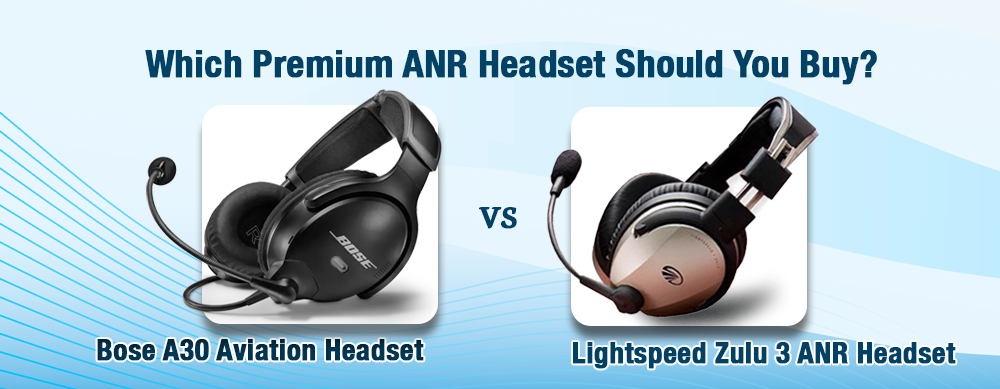


The Bose A30 and the Lightspeed Zulu 3 are still the two headsets most pilots cross-shop when they finally commit to a premium ANR headset. Both deliver top-tier active noise reduction, Bluetooth connectivity, and the kind of all-day comfort that makes a four-hour leg feel routine. Both earned their reputations in real cockpits, not in marketing copy.
The 2026 picture has one important change: Lightspeed's Zulu 4 is now shipping, and it sits squarely between these two in the lineup. The Zulu 3 remains in production and remains the value play, so this is no longer a two-horse race. This updated comparison walks through how the A30 and Zulu 3 stack up on every factor that matters, where the Zulu 4 changes the math, and which headset each kind of pilot should actually buy.
If you want the full market view beyond these two brands, our ANR Aviation Headset Comparison and Buyer's Guide covers every tier.
Key Takeaways
- Raw noise cancellation is effectively a tie. The Bose A30 wins on adjustability with three selectable ANR modes; the Lightspeed Zulu 3 wins on durability, warranty, and value.
- The Lightspeed Zulu 4 is now shipping. It adds FrameFit ear seals for glasses wearers and upstream voice isolation, while the Zulu 3 stays in the lineup as the proven, lower-cost option.
- Pilots who wear glasses or sunglasses should start with Lightspeed. The Zulu 3's large ear seals and the Zulu 4's eyewear-specific FrameFit seals hold their ANR seal around temple frames better than most competitors.
- Warranty is a real differentiator: Lightspeed covers its headsets for 7 years, Bose for 5.
- There is no wrong answer at this tier. Buy the A30 for adaptive tech across multiple aircraft, the Zulu 3 for bang-for-buck toughness, and the Zulu 4 if you want the newest Lightspeed features.
What Changed in 2026: Where the Zulu 4 Fits
When we first wrote this comparison, the matchup was simple: Bose's newest flagship against Lightspeed's long-serving champion. Two product cycles later, the landscape looks different.
On the Bose side, the legendary A20 is discontinued, and the A30 has fully taken over as the company's flagship around-ear headset. Launched in 2023, it swept multiple industry awards in 2024, including Flying Magazine's Editor's Choice, and any early firmware quirks were ironed out long ago. It is a mature, proven product now.
On the Lightspeed side, the big news is the Zulu 4, which began shipping at the start of 2026. It is the direct successor to the Zulu 3, built around the upgrade pilots have been asking for: FrameFit ear seals with tapered foam that molds around eyeglass frames. It also isolates your voice on outgoing transmissions, cutting background noise by up to 90 percent on calls and radio work.
Critically, the Zulu 3 has not gone anywhere. Lightspeed keeps it in the lineup at a lower cost tier, which makes it the value pick of the premium class. And the Delta Zulu still sits at the top of Lightspeed's range as the safety-tech flagship with built-in carbon monoxide detection. All four headsets are covered below.
How to Choose Between the A30 and the Zulu Line
Spec sheets at this tier all look impressive. These are the six factors that actually separate the contenders, in roughly the order most pilots should weigh them.
Noise cancellation: does multi-mode ANR matter?
Both headsets are at the top of the class in quieting a cockpit. The Bose A30 uses digital ANR with three selectable modes: High for noisy pistons, Medium, and Low for quiet jets where full isolation feels unnatural. It also has a tap control that lets you double-tap an earcup to temporarily reduce ANR and hear a passenger without removing the headset. Pilots who fly the A30 universally praise its noise cancellation, and one called it "a game-changer… providing unmatched clarity and reducing fatigue on long flights".
The Zulu 3 takes a different approach: one very good ANR profile that Lightspeed refined across three generations. Its electronics and porting attack low-frequency engine rumble while the magnesium earcups block high-frequency wind noise. Some users report the Zulu 3 is "spooky quiet" and can "outdo the Bose in noise cancellation as well as comfort". In side-by-side flying, some pilots give Bose a slight edge on low-frequency droning; others honestly cannot tell the difference. Call raw performance a tie. The A30's selectable modes only become a deciding factor if you regularly switch between very different aircraft types.
Comfort and fit: try before you buy if you can
The A30 made big strides over the A20, with 20 percent less clamping force, plush padding, and a 14.2 ounce weight. Most pilots find it immediately comfortable, though some used to the firmer grip of older Bose models say it feels almost too light on the ears at first, like it could slip off. It generally stays put.
The Zulu 3 is renowned for long-haul comfort. Its ear seals are large and form-fitting, with more surface area to distribute pressure, and side pressure is about 15 percent lower than the previous Zulu. Pilots who wear glasses consistently favor the Zulu because the seal accommodates temple frames without breaking, and many wear it for flights of six hours or more without hotspots. The Zulu 4 doubles down on this strength: its FrameFit seals use tapered foam specifically designed to mold around eyewear, keeping the noise seal intact without driving the frames into your temples. Fit is personal, so try them on if you can. Smaller heads often prefer the Bose; larger heads and glasses wearers usually prefer Lightspeed.
Build quality and durability
Here the design philosophies genuinely differ. Bose prioritizes low weight, which means a lot of high-grade polycarbonate. It is durable in normal use, and Bose headsets have a strong track record of lasting a decade or more. The Lightspeed Zulu line is built from stainless steel and magnesium with Kevlar-reinforced cables, and it feels tank-like in the hand. There are virtually no weak points; even the battery box feels solid.
For a flight instructor flying daily, a shared club headset, or anyone whose gear lives a hard life in a stuffed flight bag, the metal build has a real edge. If you treat your equipment kindly, both will last many years.
Audio, Bluetooth, and extras
Both brands support Bluetooth for calls, music, and EFB audio alerts, with automatic prioritization so ATC always cuts through: Bose handles it with its audio prioritization scheme, Lightspeed with ComPriority. Bose's Active EQ gives communications and music a clean, rich character, and the A30 adds the tap-to-talk feature plus an audio output jack for recording. Lightspeed counters with the Dual Aperture Disc microphone, Front Row Center music processing, and the free FlightLink app, which records cockpit audio to a phone or tablet, a genuinely useful debrief tool for students and instructors. All of these headsets, the A30 and Zulu 3 included, can hold connections to more than one Bluetooth device, so ForeFlight alerts from an iPad and audio from a phone can run without constant re-pairing. Unless one specific feature solves a problem you actually have, treat this category as parity.
Power and battery life
Battery life is comparable: roughly 45 hours on the A30 and roughly 40 hours on the Zulu 3 from two AA alkalines, dropping to about 25 to 30 hours on the Bose and 20 to 25 on the Lightspeed with continuous Bluetooth streaming, per user reports. Both have auto shutoff, so a headset left on after engine shutdown will not be dead in the morning. Neither standard version uses a built-in rechargeable battery, and most pilots prefer it that way: spare AAs in the flight bag beat hunting for a charger on a cross-country. If you never want to think about batteries at all, both the A30 and Zulu 4 come in LEMO 6-pin panel-powered versions.
Warranty, support, and long-term value
Lightspeed backs the Zulu line with a 7-year warranty, the best in the industry. Bose covers the A30 for 5 years, which is the standard among premium headsets. Both companies have excellent service reputations: Bose typically swaps or repairs units quickly through its service network, while Lightspeed is known for a personal touch, including anecdotes all over pilot forums of repairs expedited ahead of checkrides. On pure value, the Zulu 3 is hard to beat: it sells at a meaningfully lower tier than the A30 and Zulu 4 while delivering most of their performance, and the difference buys flight hours. As one review put it, "Lightspeed takes the task of quality seriously".
Bose A30 vs Lightspeed Zulu at a Glance
| Model | ANR | Bluetooth | Power | Warranty | Best For |
|---|---|---|---|---|---|
| Bose A30 | Digital, three selectable modes | Yes, multi-device, with audio prioritization and tap-to-talk | 2 AA, about 45 hours (LEMO panel version available) | 5 years | Pilots flying multiple aircraft types who want adjustable ANR |
| Lightspeed Zulu 3 | Single-mode broadband ANR | Yes, multi-device, with ComPriority and FlightLink recording | 2 AA, about 40 hours | 7 years | Value-focused pilots, CFIs, and glasses wearers who want proven toughness |
| Lightspeed Zulu 4 | Updated ANR with upstream voice isolation | Yes, multi-device | 2 AA (LEMO and U-174 versions available) | 7 years | Eyewear wearers and tech-forward pilots who want the newest Lightspeed |
| Lightspeed Delta Zulu | ANR plus HearingEQity personalized audio | Yes, with Lightspeed App integration | Swappable rechargeable lithium-ion or AA packs | 7 years | Safety-focused pilots who want built-in CO detection |
Reviews: Bose A30, Zulu 3, Zulu 4, and Delta Zulu

1. Bose A30 ANR Aviation Headset with Bluetooth
Bose's flagship over-ear, and the only headset in the category with selectable ANR modes.
- Weight 14.2 oz
- ANR three modes (High, Medium, Low)
- Power 2 AA, 45+ hours
- Warranty 5 years
- Certification FAA TSO-C139a
The A30 is the headset for pilots who refuse to compromise on tech or comfort. Its digital ANR adapts to whatever you fly, from a noisy piston single on High to a quiet jet on Low, and the clamping force is 20 percent lighter than the A20 it replaced. Audio clarity is classic Bose: Active EQ for incoming audio and a noise-canceling, side-swappable mic so your transmissions stay crisp from either seat.
- Three selectable ANR modes tailor cancellation to the aircraft, a first in the category
- Tap control: double-tap an earcup for talk-through without removing the headset
- Bluetooth with smart audio prioritization, so ATC automatically mutes your music
- Magnesium-alloy headband, no exposed wires, and auto shutoff to protect the batteries
- Also available in LEMO panel-powered, U-174 helicopter, and 5-pin XLR configurations
- best-in-class adaptive quiet
- immediately comfortable
- light on the head
- award-winning pedigree
- shorter warranty than Lightspeed
- mostly polycarbonate construction
- it sits at the top of the price tier
Perfect for: professional pilots and anyone logging serious hours across different aircraft types who wants the most adaptable ANR on the market.
Click for Price →
2. Lightspeed Zulu 3 Premium ANR Bluetooth Aviation Headset
The proven workhorse: all-metal build, plush fit, and the longest warranty in the business.
- Weight about 14.6 oz with ear seals and mic boom
- ANR broadband single-mode
- Power 2 AA, about 40 hours
- Warranty 7 years
The Zulu 3 has been a gold standard in GA cockpits for nearly a decade, and now that the Zulu 4 has launched it has become the smart-money pick of the premium class. Stainless steel and magnesium construction with Kevlar-core cables means it survives flight training environments that destroy lesser headsets, and its large, form-fitting ear seals are a favorite of glasses wearers. The ANR is superb across the band: many owners report they can barely hear the engine at cruise.
- Stainless steel and magnesium frame with Kevlar-reinforced cables built for the long haul
- Large ear seals with about 15 percent less side pressure than the prior Zulu, ideal with eyewear
- ComPriority automatically lowers music during intercom and radio transmissions
- Free FlightLink app records cockpit audio to a phone or tablet for training debriefs
- Dual Aperture Disc noise-canceling mic with user-adjustable gain
- tank-like durability
- exceptional comfort for long flights and glasses
- 7-year warranty
- strongest value at this tier
- one ANR mode rather than three
Perfect for: students, CFIs, and value-minded owners who want premium quiet and comfort in a headset that shrugs off daily abuse.
Click for Price →
3. Lightspeed Zulu 4 ANR Headset
The Zulu 3's successor, rebuilt around eyewear comfort and cleaner outgoing audio.
- ANR updated, with enhanced upstream voice isolation
- Bluetooth yes, multi-device
- Power 2 AA (dual GA version)
- Warranty 7 years
New for 2026, the Zulu 4 takes the most-loved headset in Lightspeed's history and fixes the one complaint that mattered: headsets pressing eyeglass frames into your temples, breaking the seal and starting a headache by Hobbs hour 1.5. The FrameFit ear seals use tapered foam that molds around your frames so you keep full ANR performance with zero pressure points. It also cleans up the other side of the conversation, reducing background noise on your outgoing audio by up to 90 percent, so ATC and your clearance delivery phone calls hear you, not your engine.
- FrameFit tapered-foam ear seals designed specifically for sunglasses and prescription eyewear
- Enhanced upstream audio isolates your voice from engine noise on radio and phone calls
- Also available in LEMO 6-pin panel-powered and U-174 helicopter versions
- best eyewear comfort in the class
- the most modern connectivity of any Lightspeed
- 7-year warranty
- brand new, so the decade-long track record that made the Zulu 3 famous is still being written
- the Zulu 3 costs less
Perfect for: glasses-wearing pilots and renters who fly with a tablet EFB and want the newest Lightspeed without stepping up to the Delta Zulu.
Click for Price →
4. Lightspeed Delta Zulu Ultimate ANR Headset
The safety-tech wildcard: the only ANR headset with built-in carbon monoxide detection.
- ANR advanced, with HearingEQity personalized audio
- CO detection built in, with audible alerts
- Power swappable rechargeable lithium-ion or AA packs
- Warranty 7 years
If the A30 vs Zulu 3 debate keeps circling back to safety features, the Delta Zulu deserves a look. Its built-in CO sensor gives instant audible warnings, the kind of alert that has genuinely saved pilots from creeping exhaust leaks, and HearingEQity tailors the audio response to your personal hearing profile, a meaningful upgrade for pilots with any hearing loss. Build quality matches the Zulu pedigree: stainless steel, Kevlar-reinforced cables, magnesium earcups.
- Built-in carbon monoxide detection with audible warnings and in-app monitoring
- HearingEQity creates a personalized hearing profile for each ear
- Lightspeed App integration for CO history, audio recording, and settings
- Flexible power: rechargeable lithium-ion pack or standard AA battery pack
- unique life-safety features
- personalized audio
- rechargeable option
- 7-year warranty
- priced in the same top tier as the A30
- the extra tech is overkill if you just want quiet and comfort
Perfect for: owners of older piston aircraft and safety-first pilots who want CO protection built into the headset they already wear.
Click for Price →Frequently Asked Questions
- Is the Bose A30 quieter than the Lightspeed Zulu 3?
- By a small margin in High mode, but most pilots cannot reliably tell the two apart in a piston cockpit. The Bose A30 has the edge in adaptability because its three ANR modes let you tune cancellation to the aircraft, while the Zulu 3 runs one excellent broadband profile. Some pilots even report the Lightspeed feels quieter against low engine rumble. Treat raw noise reduction as a tie and decide on fit, durability, and warranty instead.
- Which headset is better for pilots who wear glasses?
- Lightspeed has the advantage for eyewear. The Zulu 3's large ear seals have long been a favorite of glasses wearers because the wider contact area keeps the seal intact around temple arms. The new Zulu 4 goes further with FrameFit ear seals, tapered foam designed to mold around frames so the cancellation stays at full strength without hotspots. The Bose A30 is still comfortable with glasses thanks to its low clamping force, but if eyewear comfort is your top priority, start with Lightspeed.
- Should I buy the Lightspeed Zulu 3 or the Zulu 4?
- Buy the Zulu 4 if you want the newest comfort and audio features, and the Zulu 3 if you want proven performance at a lower cost. The Zulu 4 adds FrameFit ear seals for eyewear and upstream voice isolation that cuts background noise on outgoing transmissions by up to 90 percent. The Zulu 3 stays in the lineup, carries the same 7-year warranty, and its all-metal build has been proven over nearly a decade of hard use.
- How long do the batteries last in these headsets?
- About 40 to 45 hours on a pair of AA alkalines with Bluetooth off. Bose rates the A30 at a minimum of 45 hours, and Lightspeed Zulu owners typically report around 40. Continuous Bluetooth streaming drops the A30 to roughly 25 to 30 hours and the Zulu to about 20 to 25, based on user reports. Both brands include auto shutoff, so a headset left on after shutdown will not drain overnight. Neither standard version uses a built-in rechargeable cell, which most pilots prefer: spare AAs in the flight bag beat hunting for a charger mid-trip.
- Which headset holds up better to flight training use?
- The Lightspeed Zulu line is the more rugged choice for high-utilization flying. Stainless steel and magnesium construction with Kevlar-reinforced cables shrugs off the daily abuse of a shared trainer or an instructor's bag, and the 7-year warranty backs that up. The Bose A30 is well made but uses more engineering-grade plastic to save weight, which is durable in normal use yet less reassuring when gear gets dropped, stepped on, or crammed into a packed flight bag several times a day.
- Do these headsets support Bluetooth music and EFB alerts?
- Yes, every headset in this guide pairs with a phone or tablet for music, calls, and EFB audio alerts, and all of them automatically prioritize ATC and intercom audio over entertainment. Bose handles this with audio prioritization on the A30's control module, while Lightspeed uses ComPriority to duck music during transmissions. These headsets can also hold connections to more than one Bluetooth device, so traffic alerts from an iPad and audio from a phone can run at the same time without re-pairing anything.
- What is the warranty difference between Bose and Lightspeed?
- Lightspeed offers 7 years of coverage and Bose offers 5. Both programs have strong service reputations. Bose typically swaps or repairs defective units quickly through its large service network. Lightspeed, a smaller company focused entirely on aviation, is known for a personal touch, and pilot forums regularly mention repairs expedited ahead of checkrides. Two extra years of coverage on a headset you may own for fifteen years is a real, if not decisive, advantage for Lightspeed.
- Can I get these headsets for helicopters or panel-powered aircraft?
- Yes. The Bose A30 and Lightspeed Zulu 4 are both sold in U-174 helicopter plug versions, and both are also available with LEMO 6-pin panel power so you never touch a battery. Order the plug configuration that matches your aircraft, because adapter stacks add weight, cost, and failure points. If you rent or fly several aircraft with different jacks, the dual GA plug battery-powered versions remain the most flexible choice.
About the author
Neil S. Glazer is a commercial pilot with multi-engine and instrument ratings and the founder of PilotMall.com. He has spent more than two decades helping pilots choose gear that holds up in real cockpits, and he has fitted thousands of pilots with headsets across every brand and budget.