




-
 SaleNewVendor:Boost Oxygen
Boost Oxygen Rapid Response 12-Liter Canister (98% Pure Oxygen)
Regular price $27.99Sale price $27.99 Regular priceUnit price per$34.95 -
 SaleVendor:Aerox
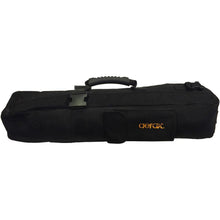
Aerox Seat Back Aviation Oxygen Cylinder Holder for Pilots
Regular price $50.00Sale price $50.00 Regular priceUnit price per$89.00

Portable aviation oxygen, kept simple
When a general aviation airplane climbs, the air thins faster than your body notices. Long before you feel impaired, your night vision dims and your judgment slips, which is why both regulation and good practice put oxygen in the cockpit well before the legal floor. The two products in this collection cover the most common entry point: an accessible canned oxygen source you can reach for, and a holder that keeps a cylinder secured behind the seat. Together they are a light supplemental-oxygen starter set, not a full built-in or pulse-demand system.
What is in this collection
The Boost Oxygen Rapid Response 12-Liter Canister is the handheld canister option described above: a lightweight, grab-and-go supplemental source. It is built for quick, short-duration use, the kind of thing you reach for on a single high cruise leg or to refresh before descent, rather than for sustained, hours-long flight above the regulatory thresholds. Treat it as honest, accessible backup, not a substitute for a certified flight-crew oxygen system on operations that demand one.
The Aerox Seat Back Aviation Oxygen Cylinder Holder is cockpit mounting hardware, not an oxygen supply. It straps an oxygen cylinder to the back of a seat so the bottle stays secured and within reach during flight instead of rolling loose in the cabin. If you already fly with a portable aviation oxygen bottle, it solves the storage problem cleanly.
How to choose
Start with how high and how long you fly. If you make occasional trips just over 10,000 feet and want a simple, accessible supplemental source on board, the Boost Oxygen canister is the easy place to begin. If you already own a cylinder and the problem is keeping it secure, add the Aerox holder. If you regularly fly long legs at or above the 12,500 to 14,000 foot range, plan around a dedicated, properly sized aviation oxygen system rather than a short-duration canister, and confirm your setup meets 14 CFR 91.211 for your flights. When you are not sure, our team can talk you through it before you buy.
Why buy from Pilot Mall
- Aviation only: we sell pilot gear and nothing else, so our team understands cockpit oxygen and high-altitude flying.
- Honest guidance: we tell you what a product is and is not, so you fly with the right equipment for your altitude and duration.
- Trusted for 25-plus years: thousands of pilots rely on Pilot Mall for safety equipment and cockpit gear.
- Free U.S. shipping over $100: qualifying orders ship free within the United States.
- Complete your safety kit: add a carbon monoxide detector and a personal locator beacon in a single order.
Frequently Asked Questions
At what altitude do pilots need supplemental oxygen?
Under 14 CFR 91.211, the required flight crew must use oxygen for any time above 12,500 feet MSL lasting more than 30 minutes, at all times above 14,000 feet MSL, and every occupant must be provided oxygen above 15,000 feet MSL. The FAA also recommends oxygen above 10,000 feet by day.
What type of oxygen system is best for general aviation?
It depends on how high and how long you fly. Pilots making occasional, short high-altitude trips often start with a portable canister for accessible supplemental support, while those flying long legs near or above 12,500 feet plan around a dedicated, properly sized aviation oxygen system that meets 14 CFR 91.211 for their operations.
Is canned oxygen like Boost Oxygen safe to use in the cockpit?
The handheld canister option is handy to keep on board for quick, short-duration supplemental use. Treat it as accessible backup, not a certified flight-crew system for sustained operations above the regulatory thresholds, and always follow the product instructions and your aircraft's guidance around oxygen.
Can you use medical or welding oxygen for aviation?
No. Aviation oxygen is dried to remove moisture that could freeze in lines and equipment at altitude, and it is the only grade intended for cockpit use. Medical oxygen can carry moisture, and welding oxygen is not certified for breathing, so neither is an appropriate or safe substitute for aviation-grade supplemental oxygen.
How does hypoxia affect pilots at altitude?
Hypoxia is oxygen starvation that creeps in quietly. As altitude rises, symptoms can include impaired judgment, slowed reaction time, tingling, euphoria, and dimmed night vision, often without the pilot noticing the decline. Because it degrades the very judgment needed to recognize it, using supplemental oxygen early is the reliable defense.
Do passengers need supplemental oxygen too?
Under 14 CFR 91.211, every occupant of the aircraft must be provided supplemental oxygen at cabin pressure altitudes above 15,000 feet MSL, not just the flight crew. Below that, only the required flight crew is regulated, but it is wise to offer passengers oxygen whenever you are using it, since they are exposed to the same thin air.
