



Aviation Headset Plug Types Explained: GA, U174, LEMO, XLR & More
At PilotMall.com we understand that at first, plugs can seem a bit overwhelming. If you are just getting started in aviation, considering a career/plane change, looking for an adapter or simply curious… We have the information for you!


Understanding the different types of aviation headset plugs is essential for any pilot. The plug your headset uses determines whether it will work with your aircraft's audio panel, whether you need batteries for ANR and Bluetooth, and which adapter to grab when you switch aircraft. In this guide we break down the four connectors you will actually encounter: GA dual plugs, the U174 helicopter plug, the LEMO 6-pin panel power plug, and the Airbus 5-pin XLR. Then we map every plug-to-jack mismatch to the exact adapter that fixes it, so you never have to buy a second headset just because you changed seats.
Key Takeaways
- The GA dual plug (PJ-055 audio + PJ-068 mic) is the standard in fixed-wing general aviation; it carries audio only, so ANR and Bluetooth run on batteries.
- Helicopters use the single U174 plug, newer panel-power aircraft use the 6-pin LEMO, and Airbus flight decks use the 5-pin XLR. Only LEMO and XLR jacks can power your headset from the aircraft.
- You do not need a new headset when you change aircraft. A simple adapter cable converts any plug type to any jack, usually for less than a tank of avgas.
- Panel power (LEMO) means battery-free ANR and Bluetooth, and an avionics shop can retrofit a 6-pin jack to most GA panels.
- Most popular headsets, including the Bose A30, are sold in multiple plug versions, so match the plug to the aircraft you fly most before you buy.
Quick Comparison of Aviation Headset Plug Types
Here is a quick overview of the major aviation headset plugs, their typical uses, pin configurations, and how they provide power to your headset's features:
| Plug Type | Also Known As | Typical Aircraft Use | Pins/Connectors | ANR/Bluetooth Power |
|---|---|---|---|---|
| GA Dual Plug | Twin plug, PJ-055/PJ-068 | General aviation (Cessna, Piper, Beechcraft, etc.) | 2 (separate mic and audio) | Batteries required (no power via plugs) |
| U174 Helicopter Plug | U-174/U, NATO plug | Helicopters (rotorcraft) | 1 (multi-conductor plug) | Batteries required (no power via plug) |
| LEMO Panel Power 6-Pin | Panel plug, Redel, 6-pin LEMO | Newer GA and upgraded panels (Cirrus, Mooney, etc.) | 6 pins | Aircraft powered, no batteries needed |
| XLR Airbus 5-Pin | Airbus plug, 5-pin XLR | Commercial airliners (Airbus, some ATR) | 5 pins | Aircraft powered, no batteries needed |
General Aviation (GA) Dual Plug

The GA dual plug is the most common aviation headset connector in civilian flying. It is also known as the twin plug or dual plug connector. This setup actually uses two separate standard plugs: a quarter-inch (6.35 mm) plug for the headphone audio (often labeled PJ-055) and a smaller 0.206-inch (5.25 mm) plug for the microphone (often labeled PJ-068). You will find GA dual plug jacks in almost all general aviation fixed-wing aircraft. Cessna, Piper, Beechcraft, Cirrus, and Mooney airplanes typically use this twin-plug system as the default for headsets.
Despite being nearly universal in GA cockpits, GA plugs do not provide electrical power to the headset. One plug carries the headphone audio and the other carries the mic audio, but neither supplies power for extras like active noise reduction or Bluetooth. This means if your headset has ANR (Active Noise Reduction) or Bluetooth features, you will need batteries in the headset's control module to power those systems. Most battery-powered ANR headsets take two AA batteries in a control box attached to the cable. In summary, the GA dual plug is reliable and widely used, but plan to bring spare batteries if you want to use noise canceling or Bluetooth on a long flight.
Tip: GA dual plugs are sometimes called "PJ plugs" based on their U.S. military part numbers (PJ-055 and PJ-068). If you see a headset advertised with PJ plugs, it is referring to the standard GA dual plug connectors.
U174 Helicopter Plug

The U-174/U plug (commonly just called "U174") is the standard single-plug connector used in civilian helicopters and many military aircraft. You might hear it called the "helicopter plug" or "NATO plug," since it is used in NATO military headsets as well. This connector is a single chunky plug that carries both the headphone and microphone connections through multiple conductors in one unit. At first glance, the U174 looks similar to one of the GA plugs, but on closer inspection it is shorter and thicker than a GA plug and has a different pin configuration internally.
Helicopters like the Robinson R22/R44, Bell 206, and others use the U174 jack for the crew headsets. The U174 uses one plug instead of two, so it is convenient for helicopter pilots to plug in quickly with one connection. However, just like GA plugs, the U174 plug does not provide power for ANR or Bluetooth headset features. If you have a noise-canceling helicopter headset (or you use a GA ANR headset with a U174 adapter), you will still rely on batteries in the headset's control box to run those active features.
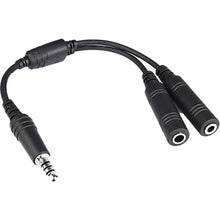
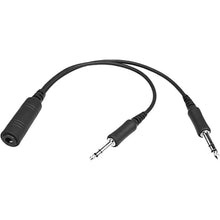
One important note: the U174 is not directly compatible with GA dual plug jacks, and vice versa, without an adapter. You can convert a GA headset for helicopter use with a simple adapter cable, so you do not need to buy a whole new headset when switching between airplane and helicopter. The adapter finder table below shows exactly which cable you need.
LEMO Panel Power Plug (6-Pin)

The 6-pin panel power plug is a newer style connector that allows your headset to draw power from the aircraft's electrical system. This plug is commonly called a LEMO plug (for the manufacturer, LEMO, who produces the Redel 6-pin connector) or simply an "aircraft panel power" plug. It is a round connector with six small pins arranged inside. You will typically find 6-pin LEMO jacks in newer high-end general aviation aircraft or as retrofitted options. Many Cirrus SR20/22 and Mooney models offer a panel-powered headset jack alongside or in place of the standard GA jacks. If your plane does not have one, an avionics shop can install a kit to add a 6-pin connector to your panel for pilot and copilot headsets.
The big advantage of a panel power plug is that it supplies power to your headset for all functions. With a LEMO 6-pin headset, you do not need batteries for ANR or Bluetooth; the headset is powered by the aircraft's electrical system. The single 6-pin connection carries audio, mic, and power. This results in a cleaner installation with no battery box dangling from the cable and no batteries to worry about dying mid-flight. Bose, for example, offers the A30 in a panel-power version: plug it into a LEMO jack, turn on the avionics master, and the headset powers up automatically using aircraft power.
Panel power plugs may also be referred to as Redel or Bose plugs (since Bose headsets popularized them) or just "6-pin" connectors. If you are an avid pilot who flies with an ANR headset frequently, a panel power upgrade means never carrying spare batteries again. Just keep in mind that if you have a panel-power headset, you will need an adapter to use it in a plane that only has GA dual plugs (covered in the adapter finder below).
XLR (Airbus) 5-Pin Plug

The XLR 5-pin plug is a type of headset connector mainly found in commercial airliners, especially Airbus aircraft. It is often called the Airbus plug for that reason. Physically, the Airbus XLR plug is another panel-mounted round connector that looks very much like the LEMO plug, except it has five pins inside instead of six. Airline pilots who fly Airbus, ATR, or some business jets will be familiar with the 5-pin XLR headset jack. This connector provides the audio and microphone connections like other plugs, and it can also supply power from the aircraft to certain headsets.
In an Airbus or other aircraft equipped with XLR jacks, a compatible 5-pin headset can be powered by the aircraft so that ANR and other features run without batteries. Some Bose and David Clark headsets offer "Airbus versions" that use aircraft power via the XLR connector. However, not all 5-pin installations provide full power for every headset model; some airline headsets still use batteries for ANR if the panel does not supply power. Generally though, the presence of an XLR jack means the aircraft intercom can power electret microphones and often the ANR electronics as well, similar to a panel power LEMO setup.
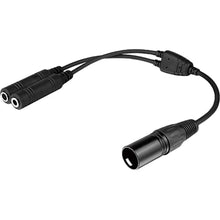
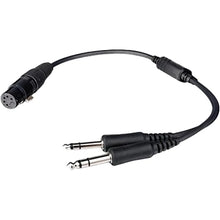
For general aviation pilots, you will not encounter the XLR 5-pin plug unless you step into the airline or corporate jet world. We mention it here for completeness, and because adapters exist to use XLR headsets in GA aircraft and vice versa. If you want to take your own GA ANR headset to the flight deck, an adapter converts the dual plugs into a single 5-pin XLR; going the other way, an XLR headset can be adapted to twin GA plugs, though you lose panel power and will need batteries.
Do ANR Headsets Need Batteries or Panel Power?
One common point of confusion is whether your headset needs batteries. The answer depends on the plug type:
- GA dual plug or U174: Yes. If your headset has Active Noise Reduction or Bluetooth and uses a GA or U174 connection, it requires batteries in the headset's control module. Neither the GA twin plugs nor the single U174 provides electrical power to the headset. Always install fresh batteries (typically 2 x AA) and carry spares for long flights. A low-battery light or tone on your headset will warn you when it is time to change them.
- LEMO 6-pin or Airbus XLR: No, in most cases. These panel-powered connectors supply power from the aircraft to run your headset's ANR, Bluetooth, and amplifier features. Plug a panel-power headset into an appropriate 6-pin or 5-pin jack and it draws power directly from the plane. If you use that same panel-power headset in a plane that lacks the jack, you will need an adapter to convert the 6-pin to dual plugs. The headset then runs on batteries in its own battery compartment (every Bose A30 has one, for example), so ANR and Bluetooth keep working away from the panel jack.
In short, ANR and Bluetooth require a power source. You either get it from batteries in the headset or from the aircraft via a powered plug. Passive headsets without active electronics need no power at all. If you are tired of changing batteries, moving to a panel power (LEMO) setup in your plane and headset can be a game changer.
Adapter Finder: Which Adapter Do You Need?
You do not need to own multiple headsets for different aircraft. Find your headset's plug in the left column, the jack in the aircraft you are stepping into, and the table gives you the exact adapter that bridges the two. Every adapter below is a straight-through cable that lives happily in a flight bag side pocket.
| Your Headset Plug | Aircraft Jack | Adapter You Need | Power Note |
|---|---|---|---|
| GA dual plug | U174 (helicopter) | GA to Helicopter Headset Adapter | Headset still uses its own batteries for ANR/Bluetooth |
| U174 (helicopter) | GA dual jacks | Helicopter to GA Headset Adapter | Headset still uses its own batteries for ANR/Bluetooth |
| GA dual plug | LEMO 6-pin panel | GA Headset to 6-Pin LEMO Adapter | Fits the panel jack; your GA headset keeps using batteries |
| LEMO 6-pin | GA dual jacks | LEMO (Bose) to GA Headset Adapter | Panel power is lost; ANR needs an alternate power source |
| GA dual plug | Airbus XLR-5 | GA to Airbus Headset Adapter | Headset still uses its own batteries for ANR/Bluetooth |
| Airbus XLR-5 | GA dual jacks | Airbus to GA Headset Adapter | Panel power is lost; ANR needs batteries |
A few useful variations on the same theme. Bose builds an OEM version of the LEMO-to-GA conversion, the Bose 6-Pin to Dual GA Plug Adapter, sized for A20 and A30 panel-power headsets. Pilot USA also makes proven alternatives for the two most common conversions: the Pilot USA GA to Helicopter Adapter and the Pilot USA GA to Airbus XLR-5 Adapter. There are also adapters that go between U174 helicopter plugs and LEMO panel power plugs for those niche cases, such as using a heli headset in a plane with a LEMO jack, or a panel-power headset in a helicopter.
If your plug already matches the jack but the cable will not reach, extension cords solve that without any conversion: GA Headset Extension Cord, Helicopter Headset Extension Cord, and LEMO 6-Pin Headset Extension Cord. You can browse the full range in our Headset Adapters and Intercoms collection.
Popular Headsets and Their Plug Types
Choosing the right headset also involves picking one with the appropriate plug. PilotMall.com carries a wide range of aviation headsets. Below is a list of popular models and brands and their plug types:
- ASA AirClassics HS-1A Headset: comes with the standard GA dual plug.
- Bose A30 Aviation Headset: available in GA dual plug, 6-pin LEMO panel power, U174 helicopter, and XLR-5 versions.
- David Clark Headsets: mostly GA dual plug configurations, with U174 helicopter versions available in certain models.
- Faro Aviation Headsets: primarily GA dual plug models.
- Lightspeed Headsets: offered in GA dual plug, panel power (LEMO), and U-174 helicopter versions for select models like the Zulu 4.
- PilotMall.com Headsets: our own line of value-focused headsets, all using the GA dual plug standard.
- Pilot USA Headsets: available in GA dual plug and U174 versions depending on the model.
- Telex Headsets: offered in both GA dual plug and XLR 5-pin (Airbus) versions.
Still picking a model rather than a plug? Our two headset guides do the comparison work for you: the Aviation Headset Buyer's Guide covers how to choose an ANR model, and the Passive Aviation Headset Buyers Guide covers budget-friendly passive sets. Pick the headset there, then come back to this page to match the plug.
Gear Up: Plug Adapters Worth Owning
These are the picks we hand to pilots most often when a plug does not match a panel. All links go to live product pages with current availability.

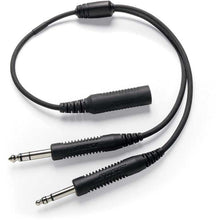
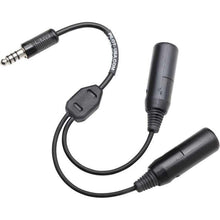
GA to Helicopter Headset Adapter: One Headset for Airplanes and Helicopters
- Converts standard GA dual plugs to the single U-174/U helicopter plug
- Straight-through wiring, no signal loss, no batteries in the adapter itself
- Small enough to live permanently in your headset bag
Perfect for: fixed-wing pilots adding a helicopter rating who want to keep flying their existing headset.
Click for Price →
Bose 6-Pin to Dual GA Plug Adapter: Take Your Panel-Power Bose Anywhere
- Genuine Bose part 327080-0010 for A20 and A30 LEMO headsets
- Converts the 6-pin panel connector to standard dual GA plugs
- Away from panel power, the headset runs on AA batteries in its own battery compartment (every A30 has one)
- Lets one premium headset cover both your LEMO-equipped aircraft and rentals
Perfect for: Bose LEMO headset owners who also fly aircraft with standard GA dual jacks.
Click for Price →
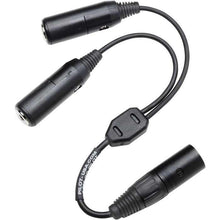
GA to Airbus Headset Adapter: Bring Your Own Headset to the Flight Deck
- Converts GA dual plugs to the single 5-pin XLR Airbus connector
- Lets airline pilots fly with the ANR headset they already trust
- Compact molded cable built for daily line flying
Perfect for: new Airbus first officers who want their GA headset in the airline cockpit.
Click for Price →
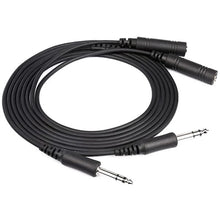
GA Headset Extension Cord: Reach the Back Seats Without Adapters
- Extends standard dual-plug GA headset cables for larger cockpits and rear seats
- Same plug in, same jack out, zero conversion needed
- Handy for CFIs running headsets to rear-seat observers or passengers
Perfect for: pilots whose headset cable comes up short in a six-seat cabin or club aircraft.
Click for Price →
Bose A30 Aviation Headset: One Flagship, Four Plug Options
- Top-tier ANR with Bluetooth audio and three selectable noise cancellation modes
- Sold in GA dual plug, LEMO panel power, U174 helicopter, and XLR-5 versions
- Dual plug version runs on AA batteries; LEMO version runs on aircraft power
Perfect for: pilots buying one premium headset who want a factory version for whatever they fly next.
Click for Price →
Lightspeed Zulu 4 Panel Power (LEMO 6-Pin): Battery-Free ANR for Modern Panels
- Flagship Lightspeed ANR powered entirely by the aircraft through the LEMO jack
- No battery box on the cable, no spares in the flight bag
- Ideal match for Cirrus and other LEMO-equipped glass cockpits
Perfect for: owners of LEMO-equipped aircraft who never want to think about headset batteries again.
Click for Price →Frequently Asked Questions
- What is the most common aviation headset plug?
- The GA dual plug, also called the twin plug or PJ plug setup, is by far the most common connector in civilian aviation. It pairs a quarter-inch PJ-055 plug for headphone audio with a smaller 0.206-inch PJ-068 plug for the microphone. Nearly every fixed-wing general aviation aircraft, including Cessna, Piper, Beechcraft, and most Cirrus models, ships with GA dual jacks, so if you fly rental or training aircraft, this is almost certainly the plug you need.
- Can I use my GA twin-plug headset in a helicopter?
- Not directly, but a simple GA-to-U174 adapter cable solves it. Helicopter audio panels use a single U-174/U jack, so the adapter merges your two GA plugs into the one helicopter plug. Audio and mic signals pass straight through with no loss, and your headset behaves exactly as it does in an airplane. Remember that the U174 jack supplies no power, so an ANR headset still runs on its own batteries. Keep the adapter in your flight bag and one headset covers both aircraft types.
- What is the benefit of a LEMO 6-pin panel power plug?
- The main benefit is that the aircraft powers your headset, so you never need batteries for ANR or Bluetooth. A single 6-pin connection carries headphone audio, microphone audio, and power, which eliminates the battery box on the cable and the risk of batteries dying mid-flight. Installations look cleaner, cables weigh less, and the headset switches on automatically with the avionics master in most setups. Many newer aircraft such as Cirrus models include LEMO jacks from the factory.
- How do I know which plug my aircraft uses?
- Look at the jacks near each seat. Two side-by-side sockets of different sizes are GA dual plugs. A single round socket with six tiny pin holes is a LEMO panel power jack, while a similar round socket with five pins is an Airbus XLR. Helicopters use a single, thicker U-174/U socket. Your aircraft's POH or avionics documentation will also list the installed jack type, and a quick photo of the panel is enough for our team to identify it if you are unsure.
- Do I need batteries for my ANR headset, or will the aircraft power it?
- It depends on the jack. Plugged into GA dual jacks or a U174 helicopter jack, your headset gets no power from the aircraft, so ANR and Bluetooth run on batteries in the control module, typically two AA cells. Plugged into a LEMO 6-pin or compatible Airbus XLR jack, the aircraft supplies power and no batteries are needed. Passive headsets with no electronics need no power at all. Whatever you fly, carry spare batteries on long flights if your headset uses them.
- Can I upgrade my airplane to have a panel power (LEMO) jack?
- Yes. Panel power installation kits add a 6-pin LEMO jack for the pilot and copilot positions, and any avionics shop can perform the work as a minor modification. The kit wires the jack to the aircraft electrical system so a compatible headset draws ship's power for ANR and Bluetooth. If you fly often with an ANR headset, the upgrade pays off quickly: no battery boxes on the cables, no spares to stock, and a tidier cockpit.
- Are headset adapters a reliable solution?
- Yes, quality adapters are essentially straight-through wiring in a molded connector, so there is nothing to fail under normal use and no electronics to introduce noise or signal loss. The adapters we carry are tested, and pilots routinely fly with them daily as a permanent part of their setup. Two practical tips: support the adapter's weight so it does not strain the aircraft jack, and buy from a known aviation brand rather than an audio-store lookalike, since pin wiring standards differ.
- Can I use one headset for all types of aircraft?
- In most cases, yes. The flexible route is a GA dual plug ANR headset plus the adapters you need, such as GA-to-U174 for helicopter work or GA-to-XLR for airline flying. The adapters cost far less than a second headset. Alternatively, some manufacturers sell the same model in multiple plug configurations; the Bose A30 comes in dual plug, LEMO, U174, and XLR-5 versions, and certain models allow complete cable swaps. Pick the plug that matches the aircraft you fly most, then adapt for the rest.
About the author: Neil S. Glazer is a commercial pilot with multi-engine and instrument ratings and the founder of PilotMall.com. He has spent more than two decades helping pilots match headsets, adapters, and avionics to the aircraft they actually fly.