




10 Items Every Pilot Needs to Carry In Their Survival Kit
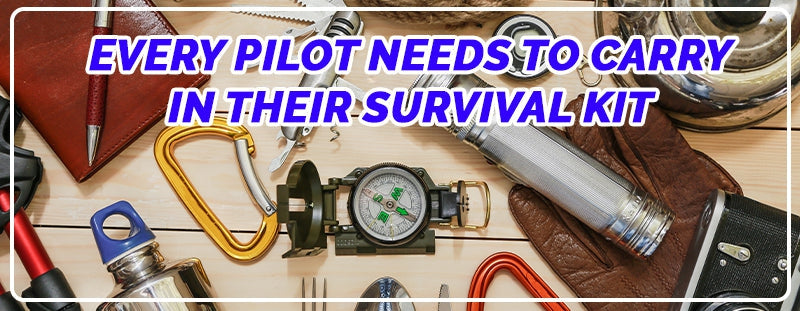


Every pilot hopes the survival kit in the back of the flight bag stays sealed for an entire career. The pilots who walk away from an off-airport landing are usually the ones who packed it like they would need it tomorrow. This guide keeps the field-tested framework that has helped readers build a real kit for years, then shows you exactly what to carry today and where to find each piece. Use it as a shoppable checklist: work down the list, fill the gaps, and close out with a ready-to-fly bundle.
If you only have a few minutes, jump straight to the pilot supplies you are missing. If you have a coffee in hand, read on for the why behind each item.
Key Takeaways
- Exposure, not starvation, kills most people in the backcountry, so shelter, fire, and signaling outrank fishing kits and snare wire in every pilot survival kit.
- The 10 Cs of Survival (cutting tool, combustion, cover, container, cordage, cotton bandana, compass, candlelight, canvas needle, cargo tape) cover the items hardest to improvise in the field.
- A downed pilot's goal is to be found in hours, not to walk out over weeks, which makes a 406 MHz beacon or satellite communicator the single highest-value upgrade.
- A handheld rescue laser outperforms a pyrotechnic flare: brighter at range, roughly 40 hours on one battery, and safe to carry in the cockpit.
- Two pilot-specific extras round out the kit: pocket-sized supplemental oxygen for higher unpressurized flights and a first aid kit with a real trauma component.
How to Choose a Pilot Survival Kit
What Should You Pack First? The Rule of 3s
Before you buy a single item, get the priorities straight. The Rule of 3s is the fastest way to triage a survival situation:
- You can survive roughly 3 seconds without the right attitude.
- About 3 minutes without air.
- About 3 hours without shelter in harsh conditions.
- About 3 days without water.
- About 3 weeks without food.
Exposure, not starvation, is what kills most people in the backcountry. That is why shelter, fire, and signaling beat fishing kits and snare wire every time. Your gear list should follow the same order of urgency, and so does the checklist below.
What Are the 10 Cs of Survival?
Survival instructor Dave Canterbury popularized the "10 Cs of Survival," a memory aid for the categories that are hardest to improvise in the field. We have kept his framework because it works, then mapped each category to gear a pilot can actually stow in a flight bag and replace when it wears out. Think of the first five as non-negotiable and the second five as the upgrades that make a long night survivable.
The First 5 Cs (Pack These First)
1. Cutting tool. A fixed-blade knife is the workhorse of any kit. It processes wood, prepares food, builds shelter, and helps start a fire. Look for a full-tang blade with a 90-degree spine, which lets you throw a shower of sparks off a ferrocerium rod. A folding multi-tool earns its place too, giving you pliers, a saw, and screwdrivers for field repairs on the aircraft or the kit itself. Browse current options in aviation tools, knives, and multi-tools.
2. Combustion device. Fire delivers warmth, dry clothing, cooked food, water purification, morale, and a signal all at once. A ferrocerium rod works wet, works cold, and throws thousands of strikes, which is why it belongs in every kit alongside a lighter. Remember the survival mantra: two is one and one is none. Carry redundant ignition sources and keep one on your body, not just in the bag.
3. Cover. Cover is your portable shelter and your first line of defense against exposure. A lightweight tarp, an emergency bivy, or a heavy-duty space blanket blocks wind and rain, reflects body heat, and doubles as a high-visibility signal panel. Since exposure is the leading cause of wilderness deaths, this is the item most pilots underestimate. A reflective blanket also pairs well with your signaling gear when a search aircraft is overhead.
4. Container. A single-wall 32-ounce stainless steel container lets you boil and purify water directly over a flame, then doubles as a warm water bottle inside your sleeping layer at night. Plastic bottles cannot go on the fire, so a metal container is the version that actually keeps you alive. Add water purification tablets as a no-fuel backup.
5. Cordage. Genuine mil-spec 550 paracord holds 550 pounds and hides seven inner strands you can pull out for fishing line, sewing thread, or snare material. Cordage is nearly impossible to make well in the field, so carry more than you think you need. Shelter ridgelines, gear lashing, and splint ties all run on cord.
The Second 5 Cs (Highly Recommended Upgrades)
6. Cotton bandana. A simple 3-foot by 3-foot cotton bandana is one of the most versatile items you can carry. It pre-filters sediment from water, becomes an arm sling or pressure bandage, serves as a pot holder, and can be charred into char cloth for effortless fire-starting. It weighs almost nothing and earns its spot.
7. Compass. A quality baseplate compass with a sighting mirror gives you reliable navigation when the electronics die, and the mirror becomes a daytime signaling device that can flash a search aircraft from miles away. Keep it as a backup to your panel and your portable GPS, not a replacement, and store it away from metal and magnets. For the electronic side of navigation, see the current aviation GPS and ADS-B receivers.
8. Candlelight (illumination). "Candlelight" is shorthand for hands-free light. A rechargeable headlamp keeps both hands working while you build shelter, treat an injury, or signal after dark, and a red or green night mode protects your vision. See the full range of pilot flashlights and headlamps; our headlamp pick is reviewed below.
9. Canvas needle. A few heavy sail or canvas needles handle gear repair, clothing fixes, splinter removal, improvised fishhooks, and, in a true emergency, wound closure. Pair them with your cordage and dental floss for a complete repair kit that fits in a film canister.
10. Cargo tape. Duct tape or a premium tape like Gorilla Tape patches a tent, seals a blister, splints a finger, and fixes a hundred problems you cannot predict. Wrap several feet around a pencil or a lighter so it travels flat and weighs next to nothing.
Why Is Signaling the Top Pilot Upgrade?
Here is where aviation survival diverges from backpacking. A downed pilot does not need to walk out over three weeks. The goal is to be found in hours, which makes electronic signaling and communication the single highest-value upgrade you can make to the classic 10 Cs.
Do You Need a PLB or a Satellite Communicator?
Cospas-Sarsat, the international search-and-rescue satellite network, only listens on 406 MHz. The old 121.5 MHz beacons have not been monitored from space since 2009, so any modern beacon you carry should be a 406 MHz Personal Locator Beacon (PLB) or a two-way satellite communicator. A PLB sends one job-critical message: my exact position, come get me. A satellite communicator does that and adds two-way texting, live tracking your family can watch, and an interactive SOS handled by a 24/7 monitoring center.
For most general aviation pilots flying over remote terrain or water, a compact satellite communicator is the sweet spot. Compare communicators against PLBs and other devices in aviation radios and handheld GPS, and register whichever 406 MHz device you choose with NOAA so your beacon ID is tied to your contact information.
Why Choose a Rescue Laser Over a Pyrotechnic Flare?
Satellites get rescuers to your area. A visual signal puts them on top of you. A handheld rescue laser is far brighter and far longer-lasting than a traditional pyrotechnic flare, and it cannot start a brush fire. Browse the full lineup of rescue lights for safety and survival, and still pack your signal mirror and a whistle as no-battery backups.
Why Carry Supplemental Oxygen and Trauma-Ready First Aid?
Two pilot-specific items round out the kit. First, supplemental oxygen. Hypoxia is insidious because it impairs the judgment you need to recognize it, and a pocket-sized canister is an easy hedge for higher cabin altitudes and unpressurized flights. Second, a proper first aid kit with a trauma component. A combat tourniquet, a pressure dressing, and the training to use them address the injuries that an off-airport landing can cause. Build out the rest of your kit from pilot supplies for every phase of flight.
Pilot Survival Gear Comparison
| Model | Key Spec | Best For |
|---|---|---|
| Garmin inReach Mini 3 Plus | Global Iridium SOS with two-way texting | Cross-country and remote-terrain flying |
| Greatland Laser Aviation Rescue Light | Visible 3 miles by day, 20+ miles at night | Primary visual signal for most GA pilots |
| Greatland Rescue Laser Flare Magnum | Higher-output red laser signal | Open water and long-range signaling |
| Flight Outfitters Horizon Headlamp | Dual-color LEDs with night-vision mode | Hands-free light in the cockpit and the field |
| Boost Oxygen Rapid Response | 12-liter canister of 98% pure oxygen | Hypoxia hedge on higher unpressurized flights |
The 5 Pilot Survival Upgrades Worth Buying

Garmin inReach Mini 3 Plus: Two-Way Rescue in Your Pocket
- Network Global Iridium satellite coverage
- SOS Interactive, handled by a 24/7 monitoring center
- Messaging Two-way text plus photo and voice messaging
- Fires off an interactive SOS so rescuers can confirm they are coming
- Sends and receives text messages anywhere on the globe
- Live tracking your family can watch from home
- Small enough to clip inside a flight bag or to a shoulder strap
- Two-way communication beats a one-shot distress signal: you know help is inbound
- Rides on the Iridium network, so coverage does not quit over mountains or water
- Requires an active satellite subscription; a lapsed plan turns it into dead weight
- If you want a buy-once, no-subscription device, a 406 MHz PLB is the better fit
I clip mine to the outside of my flight bag rather than burying it inside. A beacon you cannot reach from your seat after a hard stop is a paperweight.
Perfect for any pilot flying cross-country over remote terrain or water who wants rescuers, family, and ATC-grade peace of mind on one carabiner.
Click for Price →
Greatland Laser Aviation Rescue Light: The Flare That Never Burns Out
- Range Visible up to 3 miles in daylight, more than 20 miles at night
- Weight About 3 ounces
- Runtime Roughly 40 hours on a single battery, waterproof
- Far brighter and far longer-lasting than a traditional pyrotechnic flare
- Cannot start a brush fire, so it is safe to carry and safe to use anywhere
- Waterproof housing built for survival conditions
- Light enough to live permanently in a flight bag pocket
- Roughly 40 hours of signaling versus seconds for a single-use flare
- Safe in the cockpit; no pyrotechnics on board
- It is a signaling tool, not a flashlight; it will not light your camp or your walk-around
Perfect for the pilot who wants a primary visual signal that works on hour one and is still working on hour forty.
Click for Price →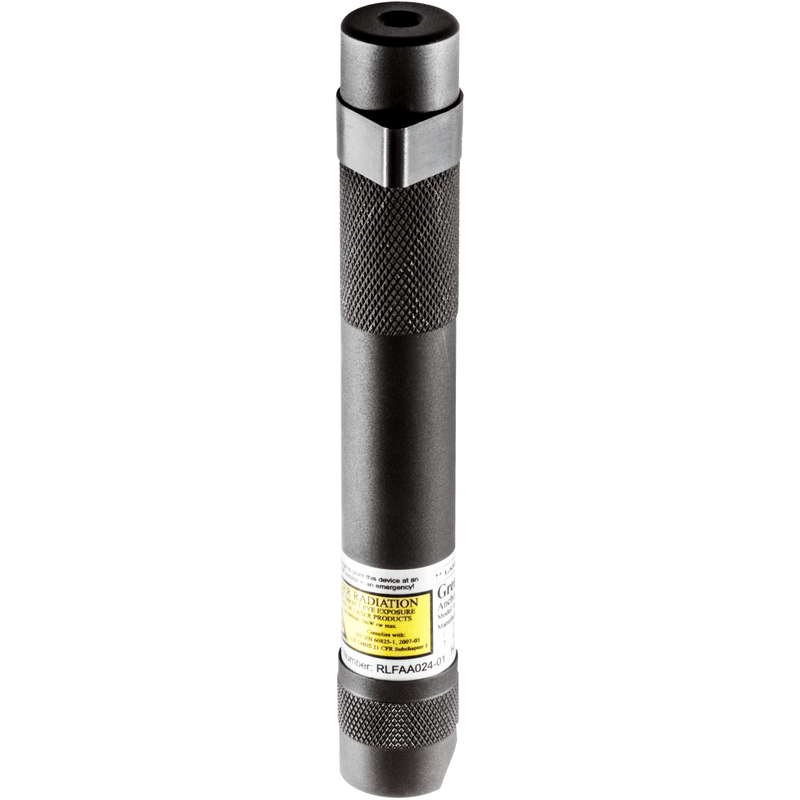
Greatland Laser Rescue Laser Flare Magnum: Maximum Reach for Open Water
- Output Higher-power red laser than the standard Rescue Laser Light
- Best use Open water and long-range signaling
- Pushes a brighter red signal for open water and long-range use
- Same fan-beam signaling concept as the standard Greatland laser, with more reach
- Battery-powered signaling that outlasts any pyrotechnic alternative
- The extra output matters most exactly where rescue takes longest: offshore and remote terrain
- Overkill for most land-based VFR flying; if you stay over the interstate, the standard Rescue Laser Light covers you for less
Perfect for pilots who regularly cross open water or true wilderness, where the search radius is wide and the signal needs to carry.
Click for Price →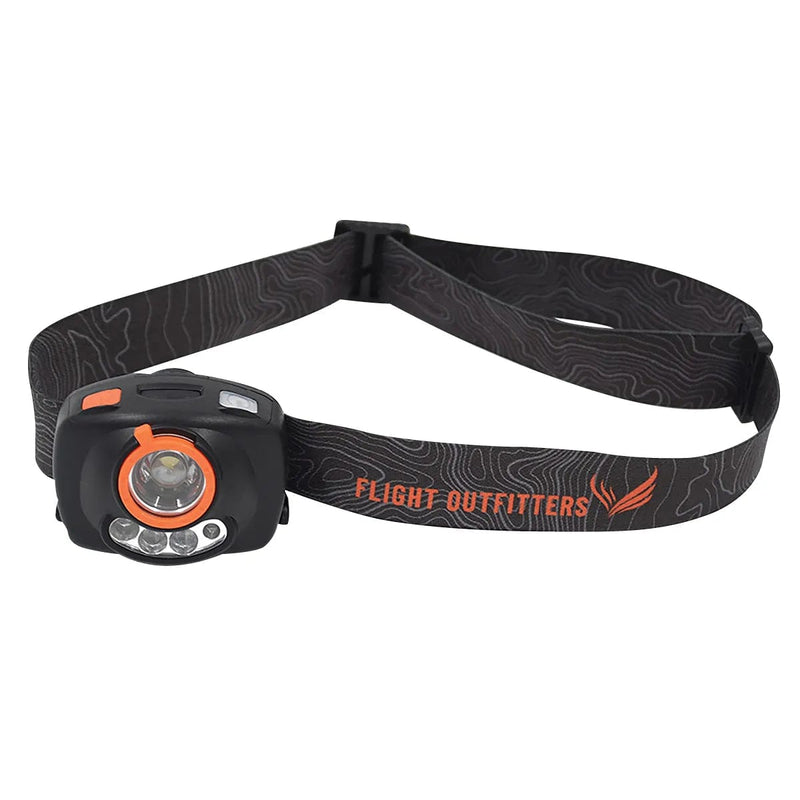
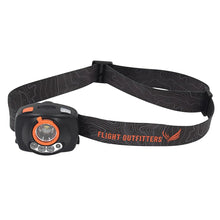
Flight Outfitters Horizon Headlamp: Hands-Free Light That Protects Your Night Vision
- LEDs Dual-color, with a night-vision-friendly mode
- Fit Comfortable for long wear
- Designed for Cockpit use and field work after dark
- Keeps both hands working while you build shelter, treat an injury, or signal after dark
- Dual-color LEDs preserve your night vision when you switch off white light
- Comfortable fit for long wear, whether that is a night preflight or a long night out
- Doubles as everyday cockpit gear, so it never sits unused in the kit
- The one survival item you will actually use every month, which means you will know its battery state
- If your kit already has a quality dual-color headlamp you fly with, you do not need a second one; spend the money on signaling instead
Mine lives in the side pocket of my flight bag and gets used on nearly every night preflight. The colored night mode is the difference between checking a chart and wrecking your night vision to do it.
Perfect for the pilot who wants one light that earns its keep on every night flight and then becomes survival gear the day it matters.
Click for Price →
Boost Oxygen Rapid Response: A Pocket-Sized Hedge Against Hypoxia
- Capacity 12-liter canister
- Purity 98% pure oxygen
- Size Pocket-sized, flight-bag friendly
- An easy hedge for higher cabin altitudes and unpressurized flights
- Simple mask-and-trigger delivery, no setup or plumbing
- Light enough that there is no weight-and-balance excuse to leave it behind
- Addresses the threat that degrades your judgment before you notice it
- It is a supplement for short-term use, not a replacement for a certified onboard oxygen system when regulations require one
- If you routinely fly in the flight levels or above 12,500 feet for extended periods, budget for a proper portable oxygen system instead
Perfect for pilots who occasionally cruise higher than they should without a bottle and want sharp decision-making to be the cheapest item in the kit.
Click for Price →Build Your Kit: A Ready-to-Fly Bundle
You do not have to assemble all of this piece by piece. A practical pilot survival kit comes together in three layers:
- Find me: a 406 MHz satellite communicator or PLB plus a rescue laser and signal mirror.
- Keep me alive: cover, fire, water container, cordage, a headlamp, and a trauma-ready first aid kit.
- Pilot extras: supplemental oxygen and a multi-tool for in-field repairs.
Start with the layer you are weakest on. Most pilots already own a knife and a flashlight but have never registered a beacon or packed a rescue laser. Shop pilot supplies to build your survival kit and bring every layer up to standard before your next cross-country.
Keep Learning: Related Survival Guides
Your survival kit is one part of a larger preparedness picture. These guides go deeper on the gear that lives next to it in the flight bag:
Frequently Asked Questions
- What are the 10 items every pilot should carry in a survival kit?
- Built on the 10 Cs of Survival, the core items are a cutting tool, a combustion device, cover (shelter), a metal container, cordage, a cotton bandana, a compass, hands-free light, a canvas needle, and cargo tape. For pilots, add three high-value upgrades: a 406 MHz personal locator beacon or satellite communicator, a rescue laser for visual signaling, and supplemental oxygen.
- Do I need a PLB or a satellite communicator in my pilot survival kit?
- At least one 406 MHz device is strongly recommended for any flight over remote terrain or water. A PLB sends a single distress signal with your location. A satellite communicator like the Garmin inReach Mini 3 Plus adds two-way texting, live tracking, and an interactive SOS, which is why many general aviation pilots prefer it. Whichever you choose, register the beacon with NOAA so rescuers know who they are looking for.
- Why a rescue laser instead of a traditional flare?
- A handheld rescue laser is brighter at long range, runs for dozens of hours on one battery, will not start a fire, and is safe to carry in the cockpit. A unit like the Greatland Laser Aviation Rescue Light is visible for miles and weighs about 3 ounces, making it a far more practical primary signaling device than a single-use pyrotechnic flare. Keep a signal mirror as a no-battery backup.
- Why carry supplemental oxygen as a pilot?
- Hypoxia degrades judgment before you notice it, especially on higher unpressurized flights. A compact canister of 98% pure oxygen, such as Boost Oxygen Rapid Response, is an inexpensive way to address mild oxygen needs and keep your decision-making sharp. It is a supplement for short-term use, not a replacement for a certified onboard oxygen system when regulations require one.
- How often should I check and restock my pilot survival kit?
- Inspect your kit at least twice a year and after any flight where you opened it. Batteries self-discharge, purification tablets and oxygen canisters expire, tape dries out, and lighters leak. A simple habit is to tie the check to the spring and fall time changes: test every light and laser, confirm your beacon registration and satellite subscription are current, and replace anything expired or missing. A kit you have not opened in two years is a kit you do not actually have.
- Where should a survival kit be stored in the aircraft?
- Carry the kit where you can reach it after a hard stop, not buried under baggage. The items that get you found, meaning your beacon or satellite communicator and a visual signal, belong on your body or clipped within arm's reach of your seat. The rest of the kit can ride in a small bag behind the seats, secured so it does not become a projectile. If you have to egress in a hurry, anything you cannot grab in five seconds may stay with the wreck.
- Does the FAA require pilots to carry survival equipment?
- For most Part 91 flights in the contiguous United States, the FAA does not require a survival kit, but that is a floor, not a recommendation. Alaska requires survival gear by state law, Canada requires survival equipment on most flights over land under CARs 602.61, and overwater operations can trigger flotation gear requirements. Even where nothing is mandated, an off-airport landing in remote terrain is a survival situation no matter what the regulations say, so equip for the terrain you actually cross.
About the author: Neil S. Glazer is a commercial pilot with multi-engine and instrument ratings and the founder of PilotMall.com. He has spent decades flying, testing, and selling the gear pilots carry, and he writes every guide the way he briefs a checkride: direct, practical, and with the safety case first.




2 comments
I’m wondering if this recommendation is missing the one thing that renders most of the list moot: a PLB as a backup to your ELT.
Bag of dryer lint to use as a fire starter
Signaling mirror
Snack bars
Rain ponchos
Collapsable water bags
Plastic grocery bags
Bug repellant (deet)
Sunscreen
Small fishing kit with lures, line, bobbers and hooks