




-
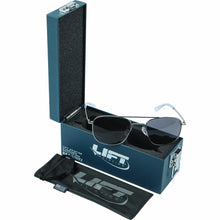 SaleVendor:Lift Aviation
Lift Aviation Titanium Aviator Sunglasses for Pilots
Regular price $189.00Sale price $189.00 Regular priceUnit price per$199.00 -
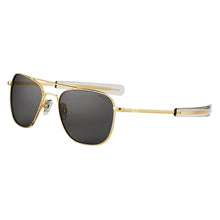 SaleVendor:Randolph Engineering
Randolph Aviator 23K Gold E.P. Bayonet Clear Non-Polarized American Gray Glass Military Sunglasses
Regular price $289.00Sale price $289.00 Regular priceUnit price per$299.00 -
Fresh from The Hangar
The latest from top aviation brands. -
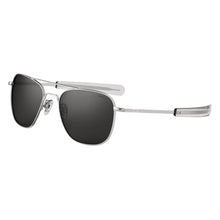 SaleVendor:Randolph Engineering
Randolph Aviator Matte Chrome & Non-Polarized American Gray Lens Military Sunglasses
Regular price $269.00Sale price $269.00 Regular priceUnit price per$279.00 -
 SaleVendor:Randolph Engineering
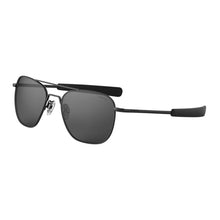
Randolph Aviator Matte Black & Non-Polarized American Gray Glass Lens Military Sunglasses
Regular price $269.00Sale price $269.00 Regular priceUnit price per$279.00 -
 SaleVendor:Randolph Engineering
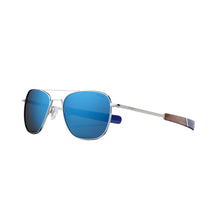
Randolph Aviator Gunmetal & Atlantic Blue Non-Polarized Lens Sunglasses
Regular price $289.00Sale price $289.00 Regular priceUnit price per$299.00 -
 SaleVendor:Randolph Engineering
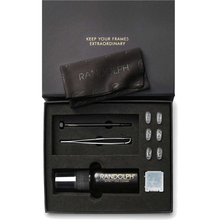
Randolph Engineering Military-Grade Aviator Care Kit for Sunglasses
Regular price $38.00Sale price $38.00 Regular priceUnit price per$40.00
Pilot sunglasses built for the cockpit, not the beach
Glare and ultraviolet light hit harder at altitude than they do on the ground, and the wrong lens can wash out a chart or black out a glass display at the worst possible moment. The pilot sunglasses in this collection are chosen for flying first: full UV protection, non-polarized lenses that keep LCD and glass cockpit instruments readable, and thin temples that slide under a headset without breaking the ear seal. Below is how to match a pair to the way you fly.
Compare popular pilot sunglasses
| Model | Frame | Lens | Best for |
|---|---|---|---|
| Lift Aviation Titanium Aviator | Featherweight titanium | Non-polarized, UV | All-day comfort on long cross-countries |
| Randolph Aviator Matte Chrome | Matte chrome bayonet | American Gray glass, non-polarized | True color for charts and terrain |
| Randolph Aviator Matte Black | Matte onyx bayonet | American Gray glass, non-polarized | Low-profile look under a headset |
| Randolph Aviator Gunmetal | Gunmetal bayonet | Atlantic Blue, non-polarized | Haze and shifting light |
Top pilot sunglasses brands
Randolph Engineering
Randolph Aviator sunglasses are built to a military specification with bayonet temples that tuck cleanly under headset ear seals. Every Randolph model in this collection is non-polarized with full UV protection, so digital instruments and glass cockpit displays stay readable. They are offered in neutral American Gray glass for true color rendition and in Atlantic Blue for hazy, high-glare conditions, including matte chrome, matte black, and 23K gold military special editions.
Lift Aviation
The Lift Aviation titanium aviator is the featherweight choice for pilots who keep their shades on for hours. The titanium frame stays comfortable through a long flight, and the non-polarized lenses preserve cockpit display clarity while cutting glare off the windscreen and cloud tops.
How to choose the right pilot sunglasses
- Go non-polarized. Polarized lenses can black out LCD instruments and glass cockpit displays. Every frame here is non-polarized with full UV protection.
- Pick a lens color for your flying. Neutral gray keeps colors true for charts and terrain, while a blue lens handles haze and shifting light.
- Check headset comfort. Thin bayonet or titanium temples slide under ear seals without breaking the seal, which matters on long flights with your aviation headset.
- Protect the investment. A dedicated care kit keeps glass lenses clean and flight-bag ready between trips.
Why buy from Pilot Mall
- Aviation-only focus: every pair is selected for cockpit use, not fashion.
- Trusted by pilots for more than 25 years.
- Free U.S. shipping on orders over $100.
- Expert guidance from a team that flies, so you get the right lens for your mission.
Frequently Asked Questions
Are pilot sunglasses different from regular sunglasses?
Yes. Pilot sunglasses are built for cockpit use with non-polarized lenses that keep digital and glass cockpit displays readable, full UV protection for high-altitude light, and thin temples that fit under a headset, whereas everyday sunglasses are designed mainly for fashion and ground-level glare.
Why should pilots avoid polarized sunglasses?
Pilots should avoid polarized lenses because they can black out or distort LCD instruments and glass cockpit displays, and they can mask glare reflections off other aircraft that help with traffic awareness, which is why non-polarized lenses are recommended for flying.
Do these sunglasses provide full UV protection?
Yes. Every pair of pilot sunglasses in this collection provides full ultraviolet protection, which matters because UV intensity climbs sharply at altitude.
What lens color is best for flying?
Neutral gray is the best all-around lens color for flying because it keeps colors true for reading charts and terrain, while a blue or contrast lens can help in hazy and shifting light conditions.
Why are Randolph Aviator sunglasses popular with pilots?
Randolph Aviator sunglasses are popular with pilots because they are built to a military specification with non-polarized lenses for instrument clarity, bayonet temples that fit comfortably under a headset, and durable glass lenses that hold up to years of cockpit use.
Finish the kit with pilot apparel, an aviator pilot watch, and the rest of our pilot supplies.
