




-
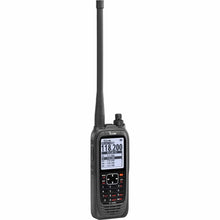 Proveedor:Icom
Transceptor Icom IC-A25C-S Sport Com Only: Radio de aviación portátil
Runs on AA batteries so it's always ready when you need it, delivering a 6-watt IP57-rated output for extended range and clear transmissions as your backup radio.
Precio habitual $369.00Precio de oferta $369.00 Precio habitualPrecio unitario por$580.00 -
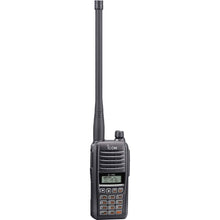 Proveedor:Icom
Transceptor Icom IC-A16B Com Only: Radio de aviación portátil con Bluetooth
Radio de respaldo con Bluetooth, sellado IP67 y una batería de 17 horas, que proporciona comunicación manos libres nítida incluso en los entornos de rampa más ruidosos.
Precio habitual $399.95Precio de oferta $399.95 Precio habitualPrecio unitario por$658.90 -

Recién salido del hangar
Lo último de las mejores marcas de aviación. -
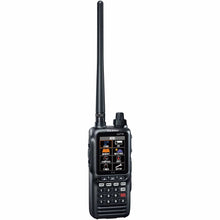 Proveedor:Yaesu
Yaesu FTA-850AA - Transceptor portátil de banda aérea de 6 W (versión con batería AA)
Radio portátil AA con Bluetooth, GPS y guía de planeo, un transceptor de 6 vatios diseñado para pilotos que desean una fuente de alimentación de respaldo confiable lejos del panel.
Precio habitual $369.99Precio de oferta $369.99 Precio habitualPrecio unitario por$550.00 -
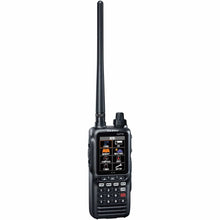 Proveedor:Yaesu
Transceptor de navegación/comunicación Yaesu FTA-850L: radio de aviación portátil con Bluetooth y GPS
Flagship nav/com handheld with Bluetooth, GPS and a color moving map, the only handheld pairing wireless connectivity with a full color display for backup navigation.
Precio habitual $539.99Precio de oferta $539.99 Precio habitualPrecio unitario por$840.00 -
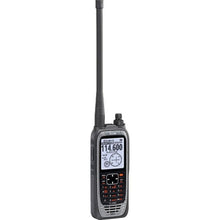 Proveedor:Icom
Transceptor de navegación/comunicación Icom IC-A25N: radio de aviación portátil con Bluetooth
Equipo de mano nav/com preparado para IFR con guía VOR, Bluetooth y GPS, con 6 vatios de potencia de transmisión para una comunicación clara a largo alcance.
Precio habitual $599.95Precio de oferta $599.95 Precio habitualPrecio unitario por$1,049.40 -
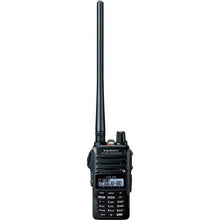 Proveedor:Yaesu
Transceptor Yaesu FTA-250L Com Only: Radio de aviación portátil
Entrada de respaldo para uso portátil, con clasificación IPX5, la opción ligera y económica con 700 mW de salida para que nunca se pierda una llamada crítica en vuelo.
Precio habitual $259.99Precio de oferta $259.99 Precio habitualPrecio unitario por$380.00 -
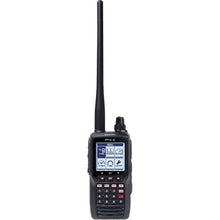 Proveedor:Yaesu
Transceptor Yaesu FTA-550AA Nav/Com: Radio de aviación portátil con pilas AA
Handheld de navegación/comunicación con pilas AA, guía VOR e ILS, clasificación IPX5 y una gran pantalla de matriz de puntos de 1,7 por 1,7 pulgadas legible con cualquier iluminación de cabina.
Precio habitual $259.99Precio de oferta $259.99 Precio habitualPrecio unitario por$380.00 -
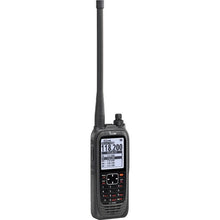 Proveedor:Icom
Transceptor Icom IC-A25C solo comunicación: radio de aviación portátil
Backup com radio, 6-watt and IP57 waterproof, 2350 mAh battery, ready in the flight bag for lost-com backup or as a dependable handheld for ramp and ground work.
Precio habitual $549.95Precio de oferta $549.95 Precio habitualPrecio unitario por$988.90 -
 Proveedor:Yaesu
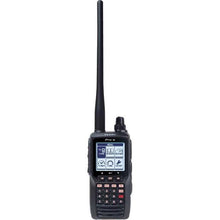
Transceptor de navegación/comunicación Yaesu FTA-550L: radio de aviación portátil
Navegador/comunicador de mano con guía VOR e ILS, más alertas meteorológicas de la NOAA, con una brillante pantalla de 1.7 por 1.7 pulgadas y carcasa resistente al agua para la cabina.
Precio habitual $379.99Precio de oferta $379.99 Precio habitualPrecio unitario por$580.00 -
 AgotadoProveedor:Icom
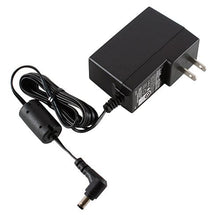
Adaptador de CA Icom BC-123SA - Enchufe de EE. UU. 100 - 240 VCA, 12 VCC a 1 A
Adaptador de pared de CA para cargar baterías de radios portátiles compatibles, compatible con 12 modelos diferentes de cargadores rápidos, por lo que un adaptador cubre todo su equipo de radio.
Precio habitual $29.95Precio de oferta $29.95 Precio habitualPrecio unitario por$49.95 -
 AgotadoProveedor:Yaesu
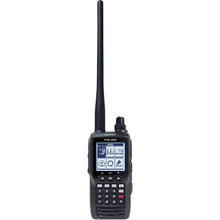
Transceptor Yaesu FTA-450L Com Only: Radio de aviación portátil
Respaldo con radio portátil, 5 vatios e IPX5, con alertas meteorológicas de la NOAA y 200 canales de memoria para almacenar cada frecuencia en la que vuele.
Precio habitual $309.99Precio de oferta $309.99 Precio habitualPrecio unitario por$460.00
Frequently Asked Questions
¿Necesito una licencia para usar una radio de aviación de mano?
Para vuelos domésticos dentro de los Estados Unidos, no se requiere una estación individual o licencia de operador para usar una radio de aviación de mano. La FCC lo autoriza por regla general. Si opera internacionalmente, generalmente necesita una licencia de estación de radio de aeronave de la FCC y un permiso de operador de radiotelefonista restringido.
¿Cuál es la diferencia entre una radio de mano solo COM y una NAV/COM?
Una radio de mano solo COM transmite y recibe voz únicamente en la banda de comunicación de aviación. Una radio de mano NAV/COM hace lo mismo, pero añade un receptor de navegación que puede captar señales VOR y de localizador, lo que le proporciona una guía de rumbo básica como respaldo si su equipo de navegación del panel falla en vuelo.
¿Se puede usar una radio de aviación portátil como radio COM principal?
Sí. Muchos pilotos de aeronaves deportivas ligeras, experimentales y ultraligeras utilizan una radio portátil como su radio de comunicación principal, y también es un respaldo reconocido para aeronaves equipadas con panel. El alcance es más corto que el de una radio de panel con antena externa, por lo que funciona mejor a una distancia razonable de la estación.
¿Debo elegir baterías AA o una batería recargable?
Ambos tienen sus ventajas. Una batería recargable de iones de litio ofrece comodidad y uso repetido para pilotos que vuelan a menudo. Una bandeja de pilas AA permite cambiar las pilas en cualquier lugar, lo que es valioso para emergencias y para quienes vuelan con poca frecuencia. Varios modelos de Yaesu incluyen ambas opciones para una máxima flexibilidad.
¿Puede una radio de aviación portátil recibir transmisiones ATIS y meteorológicas?
Sí. Dado que ATIS, AWOS y ASOS transmiten en frecuencias de comunicación de aviación estándar, cualquier radio de aviación portátil puede monitorearlas. Muchos modelos también ofrecen recepción meteorológica NOAA y monitoreo de doble escucha para que pueda escuchar una frecuencia meteorológica o ATIS mientras sigue vigilando su canal de comunicación activo.
¿Las radios de aviación portátiles transmiten en la frecuencia de emergencia de 121.5 MHz?
Sí. Las radios de aviación portátiles cubren la banda completa de comunicación, que incluye los 121.5 MHz, la frecuencia de emergencia internacional de VHF. Eso convierte a una radio portátil en una valiosa herramienta de seguridad, permitiéndole pedir ayuda incluso si su aeronave pierde energía eléctrica o su radio montada en el panel deja de funcionar en vuelo.
No questions match your search. Try another term or ask our team.
