




-
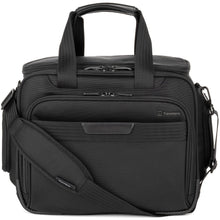 Proveedor:Travelpro
Bolsa de vuelo Travelpro Pilot: la mejor protección para pilotos
Everyday GA flight bag with headset and laptop protection, a top-loading bucket design for quick access to tablets and documents, fitting laptops up to 16 inches.
Precio habitual $165.00Precio de oferta $165.00 Precio habitualPrecio unitario por -
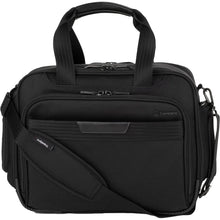 Proveedor:Travelpro
Maletín de piloto Travelpro - El bolso de compañía definitivo para pilotos profesionales
Slim pilot brief with headset and laptop storage for daily commuting, a standing profile built for cockpit floor storage that also holds manuals, logbooks, and eyewear.
Precio habitual $159.00Precio de oferta $159.00 Precio habitualPrecio unitario por$170.00 -

Recién salido del hangar
Lo último de las mejores marcas de aviación. -
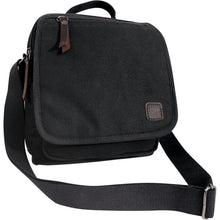 Proveedor:Rothco
Bolsa para auriculares de piloto de lona de grado militar para uso diario y auriculares
Bolsa de lona de grado militar para auriculares y artículos esenciales de uso diario, con un tamaño de 22,2 x 12,7 x 27,9 cm para una organización profesional de la cabina sin equipo de gran tamaño.
Precio habitual $33.99Precio de oferta $33.99 Precio habitualPrecio unitario por$36.99 -
 NuevoProveedor:StrongBags
Bolsa refrigeradora StrongBags Pro Flight Crew "Canadian Ice"
Leakproof rugged crew cooler that stays cold through long duty days, with a replaceable liner and premium YKK zippers built to last a flying career.
Precio habitual $219.99Precio de oferta $219.99 Precio habitualPrecio unitario por -
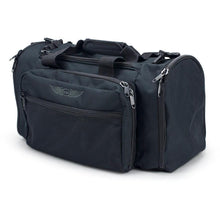 Proveedor:ASA
ASA AirClassics Flight Bag Pro - Organizador de equipo de piloto resistente y repelente al agua
Water-repellent flight bag organizer for the serious GA pilot, built from rugged 600D padded polyester with dedicated, customizable compartments for gear.
Precio habitual $99.99Precio de oferta $99.99 Precio habitualPrecio unitario por$129.95 -
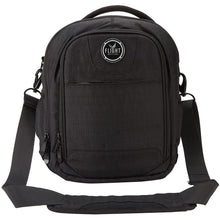 Proveedor:Flight Outfitters
Bolsa de vuelo para pilotos Flight Outfitters Lift Pro 2.0
Rugged GA flight bag with headset storage and quick-access pockets, featuring a fleece-lined headset pocket with battery holders in a low-profile 15 inch design.
Precio habitual $99.95Precio de oferta $99.95 Precio habitualPrecio unitario por -
 NuevoProveedor:Travelpro
Kit de reemplazo de ruedas Travelpro FlightCrew5
Kit de ruedas de repuesto que devuelve el rodaje suave a su equipaje, un paquete de mantenimiento esencial para la tripulación que necesita que su maleta con ruedas se deslice de nuevo.
Precio habitual $20.00Precio de oferta $20.00 Precio habitualPrecio unitario por -
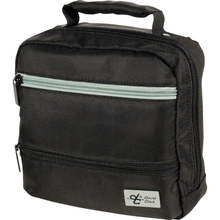 Proveedor:David Clark
Bolsa para auriculares David Clark: Protección de nailon balístico 40688G-08
Funda de nailon balístico que protege los auriculares en tu bolsa de vuelo, con un tamaño de 10-3/4 x 9-1/2 x 3-3/4 pulgadas para servir también como una bolsa de vuelo compacta por sí misma.
Precio habitual $26.95Precio de oferta $26.95 Precio habitualPrecio unitario por$25.20 -
 Proveedor:Jeppesen Sanderson
Bolsa de piloto para estudiantes de Jeppesen: un artículo esencial y duradero para el entrenamiento de vuelo
Student pilot bag sized for charts, headset and training gear, with dedicated exterior pockets that keep your E6B, plotter, and other essentials within reach.
Precio habitual $39.99Precio de oferta $39.99 Precio habitualPrecio unitario por -
 NuevoProveedor:StrongBags
StrongBags Summit Flight Crew Commander - Bolsa de vuelo todo en uno
All-in-one crew bag with a laptop bay, cooler, and headset storage, sized for a 16-inch laptop and 4 to 5 days of meals while still fitting neatly beside your seat on an A320.
Precio habitual $219.99Precio de oferta $219.99 Precio habitualPrecio unitario por -
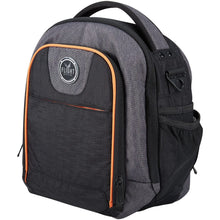 Proveedor:Flight Outfitters
Flight Outfitters Lift 2.0: La bolsa de vuelo definitiva para pilotos
Roomy duffel-style flight bag with headset storage for the GA cockpit, built with steel-reinforced carry handles and organized compartments that keep gear protected.
Precio habitual $99.95Precio de oferta $99.95 Precio habitualPrecio unitario por -
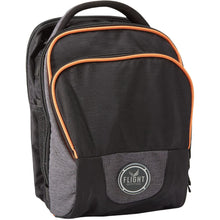 Proveedor:Flight Outfitters
Flight Outfitters Lift Mini 2.0 Compacto, duradero y perfectamente organizado
Compact flight bag for the GA pilot who carries only essentials, an 11 x 6.5 x 8.75 inch footprint that keeps headset, charts and gear organized and within reach.
Precio habitual $69.95Precio de oferta $69.95 Precio habitualPrecio unitario por -
 NuevoProveedor:StrongBags
Maleta con ruedas StrongBags Vortex Voyager 22 para tripulación de vuelo
Rugged 22-inch crew roller in waterproof 2120-denier Cordura fabric, with a pleated front cover that adds packing volume for airline crews working the longest rotations.
Precio habitual $379.99Precio de oferta $379.99 Precio habitualPrecio unitario por -
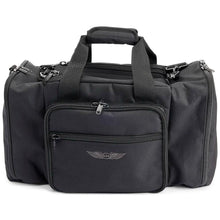 Proveedor:ASA
ASA AirClassics Flight Bag Gen 3 - Bolsa duradera y personalizable para pilotos estudiantes
Customizable flight bag built for the training student pilot, sewn from rugged 600D water-repellent polyester with reinforced straps to survive daily training use.
Precio habitual $79.99Precio de oferta $79.99 Precio habitualPrecio unitario por$89.95 -
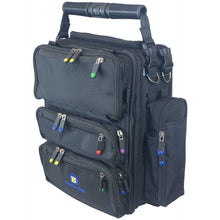 Proveedor:BrightLine Bags
Bolsa de vuelo B4 Swift de BrightLine Bags: organizador modular para pilotos
Bolsa de vuelo modular delgada para pilotos minimalistas, cabe un portátil de 13 pulgadas e intercambia módulos dedicados de almacenamiento de auriculares a medida que crece tu equipo.
Precio habitual $249.00Precio de oferta $249.00 Precio habitualPrecio unitario por$249.00 -
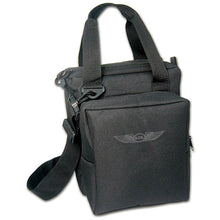 Proveedor:ASA
Bolsa de piloto ASA: organizador duradero de equipo de vuelo
Bolsa de vuelo económica con compartimento para auriculares para el piloto en formación, fabricada en poliéster 600D resistente e impermeable, que aguanta el desgaste diario de la escuela de vuelo.
Precio habitual $48.99Precio de oferta $48.99 Precio habitualPrecio unitario por$59.95 -
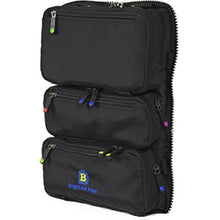 Proveedor:BrightLine Bags
BrightLine Bags Pocket Cap Front: Organizador modular de equipo de piloto
Front pocket cap that adds quick-access storage to a modular bag, compatible with FLEX System center sections for the utility of a full front bag without the bulk.
Precio habitual $70.00Precio de oferta $70.00 Precio habitualPrecio unitario por$70.00 -
 NuevoProveedor:StrongBags
Bolsa de piloto StrongBags Stratos AdaptX
Adaptable pilot gear bag that reconfigures for any mission, at just 2.4 lbs with 4.5-inch tool slots for a fuel tester and flashlight in the cockpit.
Precio habitual $149.99Precio de oferta $149.99 Precio habitualPrecio unitario por -
 NuevoProveedor:StrongBags
Mochila para portátil ejecutivo StrongBags Protego 18
Executive tech backpack for commuting pilots, fits an 18-inch laptop and built with premium materials for daily airport runs without losing a refined look.
Precio habitual $229.99Precio de oferta $229.99 Precio habitualPrecio unitario por -
 NuevoProveedor:StrongBags
Bolso StrongBags Wingman Aviator Essentials con nevera térmica
Bolso esencial de aviador que incluye un forro térmico extraíble, con un peso de solo 1,7 kg vacío, bolsillos laterales y un organizador frontal para objetos pequeños.
Precio habitual $189.99Precio de oferta $189.99 Precio habitualPrecio unitario por -
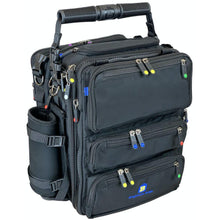 AgotadoProveedor:BrightLine Bags
BrightLine Bags B7 Flight Bag - Organizador modular de equipo para pilotos
Modular flight bag with removable sections for the GA cockpit, letting pilots reconfigure the FLEX system for headsets, kneeboards, and charts as gear needs change.
Precio habitual $305.00Precio de oferta $305.00 Precio habitualPrecio unitario por$305.00 -
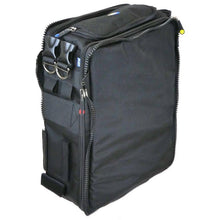 AgotadoProveedor:BrightLine Bags
Bolsas BrightLine Sección central cinco (5") Sección expandible de 5 pulgadas
Sección central de 5 pulgadas que añade profundidad a una bolsa de vuelo modular, un compartimento acolchado diseñado para un portátil de 13 pulgadas junto con un kneeboard, cartas y auriculares.
Precio habitual $74.00Precio de oferta $74.00 Precio habitualPrecio unitario por$74.00 -
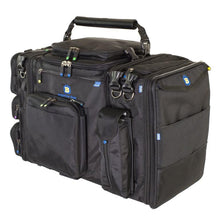 AgotadoProveedor:BrightLine Bags
Bolsa de vuelo B18 Hangar de BrightLine Bags: organizador modular de vuelo para pilotos
Tall modular flight bag with maximum capacity for gear-heavy pilots, built with customizable, expandable compartments to secure headsets and gear for aviation pros.
Precio habitual $471.00Precio de oferta $471.00 Precio habitualPrecio unitario por$471.00


Frequently Asked Questions
¿Qué es una bolsa de vuelo de piloto y qué lleva?
Una bolsa de vuelo de piloto es un organizador de lados blandos que lleva todo lo que llevas al avión. Los contenidos típicos incluyen auriculares, un iPad o EFB, cartas de papel, un libro de registro, una rodillera, un probador de combustible, una linterna, baterías de repuesto, gafas de sol y un auricular de respaldo, todo guardado en bolsillos acolchados dedicados para que nada se aplaste o se pierda.
¿Qué tamaño de bolsa de vuelo necesito como piloto?
El tamaño depende de cómo vuele. Un piloto de viajes de un día o de alquiler se beneficia de una bolsa compacta o de tamaño mediano para auriculares, tableta y elementos básicos, mientras que un estudiante que lleva libros y un piloto en activo que lleva más equipo querrán bolsas más grandes o modulares. Elija la bolsa más pequeña que contenga su carga real sin obligarlo a sobrecargarla.
¿Las bolsas de vuelo tienen un compartimento dedicado para auriculares?
La mayoría de las bolsas de vuelo de piloto modernas incluyen un compartimento acolchado para auriculares que protege las orejeras, el micrófono y el cable del resto de su equipo. Si lleva dos auriculares o desea protección adicional para un conjunto ANR premium, agregue una bolsa de auriculares independiente como los modelos David Clark o Rothco para mantener cada uno seguro.
¿Cuál es la diferencia entre una bolsa de vuelo clásica y una bolsa de vuelo con ruedas?
Una bolsa de vuelo clásica es de lados blandos y se lleva con una correa para el hombro o un asa, lo que es adecuado para rampas de aviación general, césped y grava donde las ruedas pequeñas tienen dificultades. Una bolsa de vuelo con ruedas añade un asa telescópica y ruedas para tripulaciones de aerolíneas y corporaciones que se mueven por terminales y pasarelas de embarque, donde rodar el peso es mejor que cargarlo.
¿Cuál es la mejor bolsa de vuelo para un estudiante piloto?
Una buena bolsa de vuelo para estudiantes contiene materiales de capacitación, un auricular, una rodillera y un libro de registro sin gastar de más. La bolsa para estudiantes piloto Jeppesen y la ASA AirClassics Gen 3 personalizable son opciones populares de capacitación porque son duraderas, bien organizadas y del tamaño adecuado para la pila de libros y equipos que los estudiantes de primaria llevan a cada lección.
¿Qué material es mejor para una bolsa de vuelo de piloto?
Para mayor durabilidad, el nailon balístico y el poliéster reforzado e impermeable son las mejores opciones porque resisten la abrasión y la humedad en las rampas y en los hangares. El cuero tiene un aspecto elegante y envejece bien, pero cuesta más y añade peso. La mayoría de los pilotos priorizan una carcasa sintética resistente con esquinas reforzadas y un acabado resistente a la intemperie por encima de la apariencia.
No questions match your search. Try another term or ask our team.
