




-
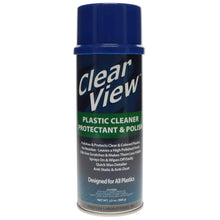 Proveedor:Aviation Laboratories
Eliminador y pulidor de rayones y arañazos de plexiglás para aeronaves Clear View de Aviation Laboratories
Plexiglass scratch remover and polish for clear windshields, a 13 oz can that restores canopy clarity and helps owners avoid costly windshield replacement.
Precio habitual $13.99Precio de oferta $13.99 Precio habitualPrecio unitario por$19.95 -
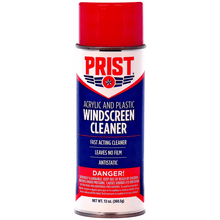 Proveedor:Prist
Limpiador de parabrisas de acrílico y plástico Prist para aeronaves - 13 oz PGC13
Limpiador de parabrisas acrílico que elimina la suciedad sin empañar el plástico, una botella de 384 ml ideal para el mantenimiento regular de ventanas y cúpulas sensibles de aeronaves.
Precio habitual $14.99Precio de oferta $14.99 Precio habitualPrecio unitario por$19.99 -

Recién salido del hangar
Lo último de las mejores marcas de aviación. -
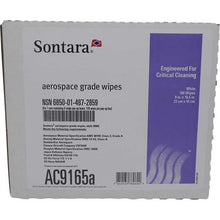 Proveedor:Dupont
Toallitas de limpieza ultraduraderas para aviación DuPont Sontara
Toallitas sin pelusa ultraduraderas que limpian aeronaves sin rayar, de 9 x 16,5 pulgadas con 100 por caja para una limpieza rápida y sin marcas en cada lavado.
Precio habitual $25.99Precio de oferta $25.99 Precio habitualPrecio unitario por$29.95 -
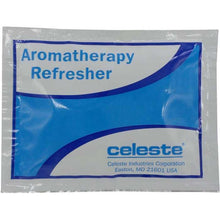 Proveedor:Celeste
Toallitas refrescantes de aromaterapia Celeste: Toallitas higiénicas para el vuelo - Aroma a limón
Toallitas de higiene a bordo con un ligero aroma a limón para la cabina, una toallita a base de alcohol que neutraliza los olores de la aviación mientras desinfecta manos y superficies.
Precio habitual A partir de $0.59Precio de oferta A partir de $0.59 Precio habitualPrecio unitario por$0.49 -
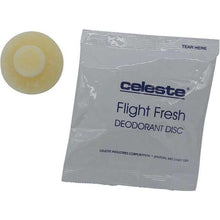 AgotadoProveedor:Celeste
Disco desodorante Celeste Flight Fresh: Elimina el mal olor de la cabina, aroma a brisa fresca
Cockpit deodorant disc that clears stale cabin odor, fresh scent, holding cabin air quality for up to 30 days so the cockpit stays pleasant flight after flight.
Precio habitual $4.99Precio de oferta $4.99 Precio habitualPrecio unitario por$5.95
Frequently Asked Questions
¿Con qué frecuencia se debe lavar una aeronave?
Lave lo suficiente para eliminar insectos, restos de escape y suciedad a medida que aparezcan, y realice un lavado a fondo cada uno a tres meses para la mayoría de las aeronaves de aviación general. Aumente la frecuencia si vuela a menudo, opera cerca de aire salino costero o si la aeronave se mantiene en un hangar al aire libre, ya que la sal y la suciedad aceleran la corrosión y el desgaste de la pintura.
¿Qué puedo usar para limpiar las ventanas de los aviones?
Utilice un limpiador fabricado para acrílicos y Plexiglas, como el limpiador de parabrisas Prist, con un paño de microfibra limpio. Limpie suavemente con pasadas rectas en lugar de círculos. Para empañamiento o arañazos finos, siga con un pulidor de plástico dedicado como Aviation Laboratories Clear View para restaurar la claridad sin dañar la superficie.
¿Se puede usar Windex o un limpiador de cristales doméstico en las ventanas de los aviones?
No. La mayoría de los limpiacristales domésticos contienen amoníaco, que nubla y agrieta las ventanas de acrílico y Plexiglas con el tiempo. Las ventanas de los aviones no son de cristal, así que utilice únicamente un limpiador de aviación seguro para acrílicos y un paño de microfibra. Evite Rain-X, las almohadillas abrasivas y las toallas de papel, ya que dejan arañazos finos que dispersan la luz.
¿Cómo se eliminan los arañazos de las ventanas de plexiglás o acrílico de los aviones?
Los arañazos superficiales leves y el empañamiento se pueden pulir con un pulidor de plástico y un removedor de arañazos como Aviation Laboratories Clear View, aplicado con un paño de microfibra limpio con pasadas suaves. Los arañazos profundos que se enganchan con la uña pueden requerir un reacabado profesional o el reemplazo de la ventana, ya que el lijado agresivo puede distorsionar la óptica.
¿Es seguro un lavado sin agua para la pintura de aeronaves?
Sí, cuando se utiliza un producto formulado para aviación como Wash Wax ALL y una toalla de microfibra limpia. Los lavados sin agua encapsulan la suciedad para que se desprenda en lugar de incrustarse en la pintura. Trabaje sobre una superficie fría, use una cara de toalla fresca con frecuencia, y el lavado dejará una capa de cera que protege contra los rayos UV y la suciedad.
¿Se puede usar una hidrolavadora para limpiar un avión?
No. Una hidrolavadora puede forzar el paso de agua y productos químicos a través de los sellos hacia cojinetes, bisagras, antenas, tomas estáticas y holguras de las superficies de control, lo que puede provocar corrosión y daños. En su lugar, utilice un lavado sin agua o un enjuague a baja presión con jabón seguro para aeronaves y un guante o mopa suave, y seque con toallas sin pelusa.
No questions match your search. Try another term or ask our team.
