



The Pros and Cons of Renting Versus Owning an Aircraft


The decision to rent or own an aircraft is a complex one that requires a thorough understanding of the pros and cons of each option.
This blog post will provide a comprehensive comparison of the benefits and drawbacks of renting and owning an aircraft, with a focus on the key factors that should be considered when making this decision.

Pros and Cons of Renting a Plane
Pros
- Flexibility: Renting an aircraft allows you to choose the right aircraft for each trip, without the long-term commitment of ownership.
- Cost savings: Renting avoids upfront costs of buying and maintaining an aircraft, as well as saving on storage, insurance and pilot training costs.
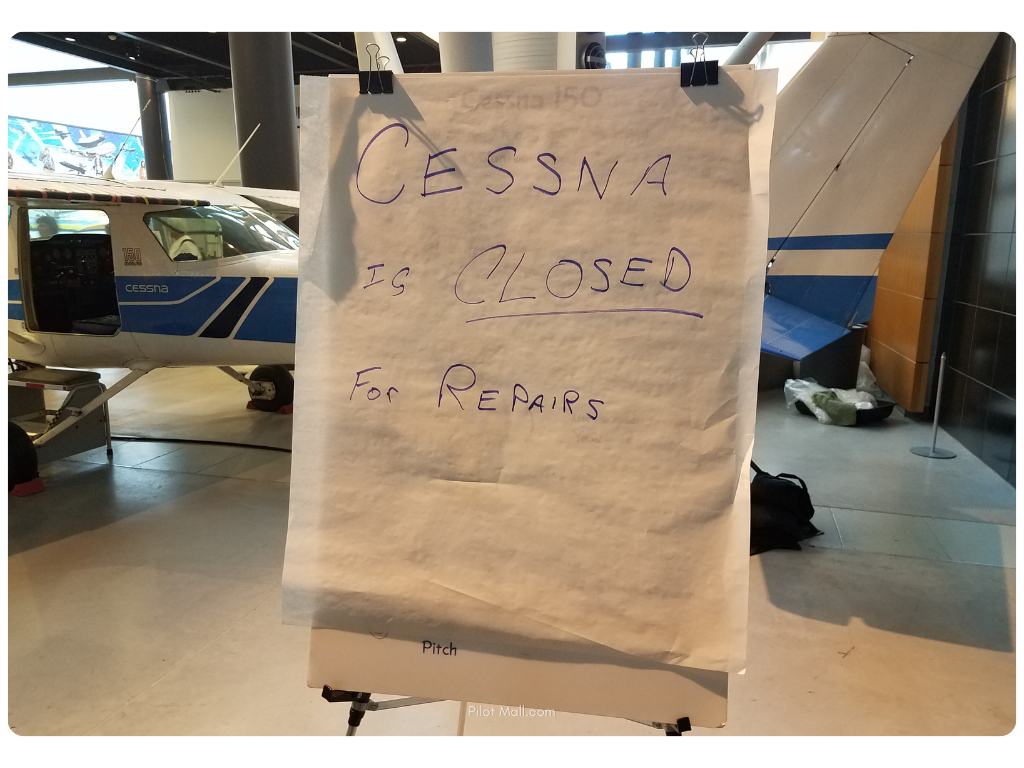
- Lack of maintenance responsibilities: The maintenance of the aircraft is the responsibility of the rental company or flight school, allowing the renter to avoid the time, cost and stress of dealing with aircraft maintenance.
- Reduced risk: Renting eliminates the risk of the aircraft becoming obsolete or losing value over time, as the rental company bears these risks.
Cons
- Recurring costs: Renting an aircraft incurs ongoing costs, which can add up over time.
- Lack of customization: Renting an aircraft typically means using an aircraft that is not tailored to the renter's specific needs, as customization is not an option.
- Availability: Availability of the desired aircraft may be limited, and the renter may have to compromise on the type of aircraft they would like to use.
- Dependence on rental company: The renter is dependent on the rental company to provide the aircraft and maintain it, which can be problematic if the rental company is unreliable.

Pros and Cons of Buying Your Own Plane
Pros
- Customization: Owners have the option to customize their aircraft to meet their specific needs (avionics, interior, paint).
- Cost savings in the long run: Although owning an aircraft has high upfront costs, owning an aircraft can be cost-effective in the long run if the aircraft is used frequently (typically over 100 hours per year).
- Increased availability: Owning an aircraft ensures that the aircraft is always available for use, without having to rely on the availability of rental aircraft.
- Potential for rental income: Owning an aircraft can generate rental income via leaseback programs when the aircraft is not being used, which can offset the cost of ownership.
Cons
- Upfront costs: Owning an aircraft requires a significant upfront investment, including the cost of the aircraft, maintenance, insurance, and storage.
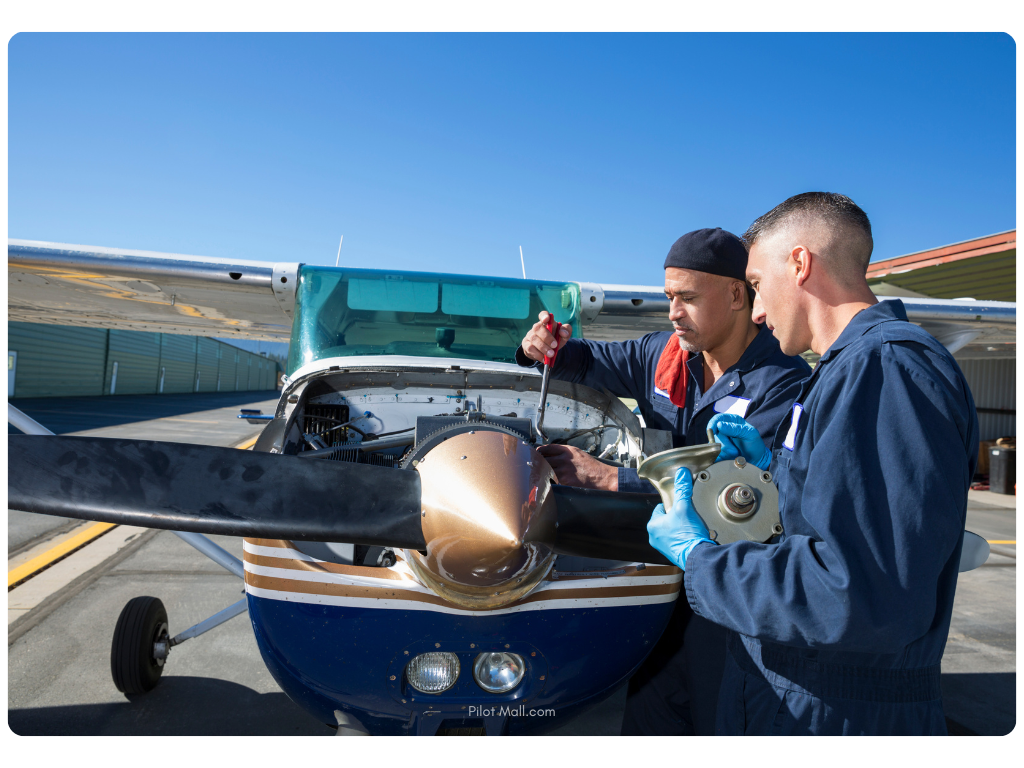
- Maintenance responsibilities: The owner is responsible for maintaining the aircraft (Annuals, TBOs), which can be time-consuming and expensive.
- Depreciation: The value of an aircraft generally decreases over time (though market conditions vary), which can result in a loss of value for the owner.

Frequently Asked Questions
- How many hours do I need to fly to make buying cheaper than renting?
- While it varies by aircraft type and location, the general rule of thumb is 100 hours per year. If you fly more than 100 hours annually, the fixed costs of ownership are usually spread out enough to become cheaper per hour than rental rates.
- What is a Leaseback agreement?
- A leaseback is when you buy an airplane and lease it back to a flight school or charter company. They rent it out to students and other pilots, paying you a portion of the hourly rate. This helps offset your fixed costs (hangar, insurance) but increases wear and tear on the engine.
- Do I need insurance if I am only renting?
- Yes, it is highly recommended. Most flight schools carry insurance that covers their aircraft, but they may sue you for the deductible or loss of use if you damage it. "Non-Owned Aircraft Insurance" (often called Renter's Insurance) protects you financially.
- Can I finance a used aircraft?
- Yes, aviation loans are very common for both new and used aircraft. Terms can often extend up to 20 years, making monthly payments more manageable, similar to a mortgage.
Takeaway
In conclusion, the decision to rent or own an aircraft depends on a number of factors, including the frequency of use, budget, and personal preferences.
Renting is a good option for those who only fly occasionally or who prefer not to deal with the responsibilities of aircraft ownership, while owning is a good option for those who fly frequently and who want the flexibility and customization that comes with ownership.
Want to know more about plane ownership?
We have several guides to help you get on the right track!
- 10 Tips on How to Buy a Plane and Save Money
- Affordable Personal Aircraft to Fit Your Budget
- Hummel H5 (10 Things You Need to Know)
- Cessna 172 (10 Things You Need to Know)
- Cessna 150 vs 152: Differences Between the Aircraft Models
- Vans RV-8 / RV-8A Airplane: Specs Of The Most Popular Kit Plane
- Aircraft Inspection: Guide to Keeping Your Plane Safe
Did you find this article helpful?
Do you think we missed anything important? Let us know in the comments below!


