



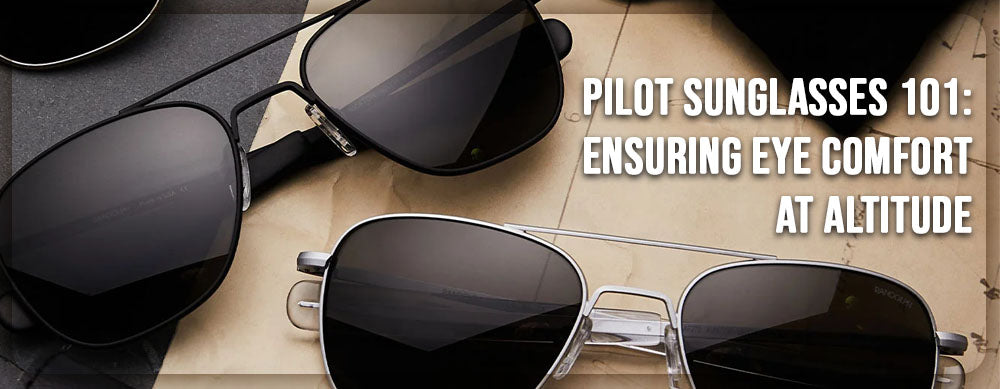
Pilot Sunglasses 101: Ensuring Eye Comfort at Altitude
Wearing sunglasses definitely looks cool, but as a pilot, it's important for you to protect your eyes. They're extremely valuable and keeping them healthy is important for a successful and long-lasting flight career.
The type of sunglasses you wear can impact the health of your eyes, so it's vital to choose the right ones.
Let's take a look at what to keep in mind when searching for your next perfect pair.
Featured Pilot Gear


Wearing aviator sunglasses looks the part, but as a pilot you have a more important job for them: protecting your eyes. Your vision is one of your most valuable assets, and keeping it healthy is essential for a safe, long career in the cockpit.
The sunglasses you choose have a direct impact on eye health and on how clearly you read your panel, so it pays to choose well. This guide covers what matters most when buying, then lines up the best pilot sunglasses by use case so you can jump straight to the pair that fits how and where you fly. Every pick links to a live, in-stock pair in our aviator sunglasses for pilots collection.
Key Takeaways
- Full UV protection: Choose 100% UVA/UVB coverage to guard against high-altitude rays.
- Non-polarized lenses (glass cockpits): For most glass-panel aircraft, non-polarized lenses keep digital displays readable.
- Snug fit: Pick lightweight, secure frames that will not slip under your headset.
- Tint choice: Gray tints for bright days and brown for enhanced contrast in changing light.
- Match the lens to your mission: Glare, prescription needs, and glass-cockpit displays each point to a different best pick. See the roundup by use case below.

How to Choose Pilot Sunglasses
Five things separate cockpit-worthy sunglasses from fashion shades: UV coverage, polarization, fit, tint, and how well they hold up to daily flying. Work through each before you spend a dime of your gear budget.
Why does UV protection matter at altitude?
Flying exposes you to intense sunlight, especially at altitude, where UV levels climb with every thousand feet. Protecting your eyes from this persistent exposure is not just about in-flight comfort and safety; it also helps prevent long-term damage to your vision.
Long-term UVA/UVB exposure accelerates aging of the eyes, raising the risk of cataracts (a clouding of the lens that impairs vision) and may contribute to macular degeneration, which can lead to vision loss later in life. You might also deal with photokeratitis, which is like a sunburn on your cornea: painful and irritating. Constant UV exposure can lead to tissue growths on the eye or even skin cancers on the eyelids.
When shopping for aviation sunglasses, make sure you get 100% UVA and UVB protection. Cockpit windshields alone do not fully block harmful rays, so you still need to safeguard your eyes, and the skin around them, from sun damage. Randolph Aviator sunglasses, developed to meet stringent military specifications, deliver excellent optical performance and protection, which is why they anchor most of the picks below. If you want the full background on that heritage, see our deep dive on Randolph Aviator military-grade eye protection.

Polarized or non-polarized: which is right for your cockpit?
Polarized lenses look like the obvious choice for glare reduction, but in many cockpits they can interfere with digital displays by filtering out light needed to read instruments and LCD screens. For that reason, the FAA has long advised pilots to be cautious with polarized sunglasses, especially in glass cockpits.
Non-polarized lenses keep cockpit instruments and displays clear and consistent. If you want extra glare control without that risk, look at gradient or photochromic lenses that adapt to changing light while staying readable on the panel.
Why not polarized in the cockpit? Polarized filters can wash out or black out LCD and glass-panel displays at certain head angles, and they can mask the glare cues you use to spot other aircraft and ice on a wing. That said, lens coatings have come a long way and some modern setups are cockpit-friendly. For the nuance on when polarized can work today, read Changing Times: why polarized frames now work in the cockpit.

What fit and frame features work under a headset?
Constantly adjusting frames mid-flight is both distracting and unsafe. Aviator-style sunglasses are an excellent choice, offering wide lens coverage and a headset-friendly design.
Large lenses reduce squinting and eye fatigue on long flights. Randolph's signature lines feature bayonet temples for a secure fit beneath a headset, keeping things comfortable even in turbulence.
Choose strong, corrosion-resistant materials like stainless steel or nickel silver. Randolph frames are built to meet rigorous military standards, delivering reliability and durability flight after flight.
Which lens tint should you choose?
Picking the right tint is about more than personal style; it can boost visual contrast and reduce eye strain. Many pilots prefer neutral gray lenses to keep color accurate in bright sunlight. Brown tints can sharpen contrast in overcast or hazy conditions.
Gradient lenses, darker on top and lighter at the bottom, are another option, letting you handle strong sun above the horizon while keeping the instrument panel in clearer view.
Above all, make sure your sunglasses offer 100% UVA/UVB protection. Combined with a cockpit-friendly design and non-polarized lenses, you will enjoy comfortable, clear vision on every flight.

Can you fly with prescription sunglasses?
If you fly with corrective lenses, you have two solid paths. Many pilots wear quality non-polarized aviators over contact lenses, or choose a frame that accepts prescription lenses through an optician. Randolph frames in particular are widely supported for prescription fitting. Whichever route you take, hold the line on the cockpit essentials: non-polarized, 100% UVA/UVB, and a headset-friendly bayonet temple. Browse the full lineup in the aviator sunglasses collection and reach out if you need help matching a frame to your script.
How should you care for your lenses?
Protecting your investment is just as important as choosing the right sunglasses. Scratched or dirty lenses reduce clarity and compromise your visual comfort, so keep a care kit in your flight bag. A dedicated aviator care kit (reviewed below) is an easy add-on with any pair in this guide.
Best Pilot Sunglasses by Use Case (2026)
Different cockpits and missions call for different lenses. Here are our top picks, matched to how you actually fly. Every pair below is in stock in the PilotMall sunglasses collection, all non-polarized, all with full 100% UVA/UVB protection.
| Model | Lens | Frame | Best For |
|---|---|---|---|
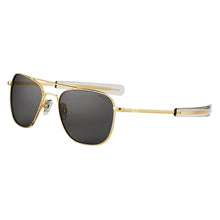
| Randolph Aviator 23K Gold E.P. | Non-polarized American Gray Skytec glass | 23K gold electroplate, bayonet temples | Bright-day glare and all-around clarity |
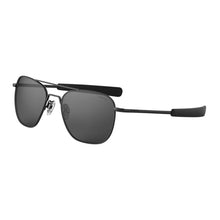
| Randolph Aviator Matte Black | Non-polarized Matte Onyx Skytec glass (American Gray) | Matte black, bayonet temples | Glass cockpits and glare-free panel reading |
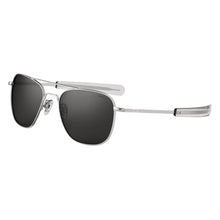
| Randolph Aviator Matte Chrome | Non-polarized American Gray Skytec glass | Matte chrome, bayonet temples, 52/55/58 mm | Neutral color accuracy and a classic look |
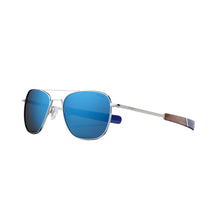
| Randolph Aviator Gunmetal | Non-polarized Atlantic Blue Skyforce nylon | Gunmetal with cabin oak accents, bayonet temples | Lightweight comfort on long cross-countries |
| Lift Aviation Titanium AVX | Non-polarized, cockpit-ready | Titanium, silver or gold | Budget-conscious and student pilots |
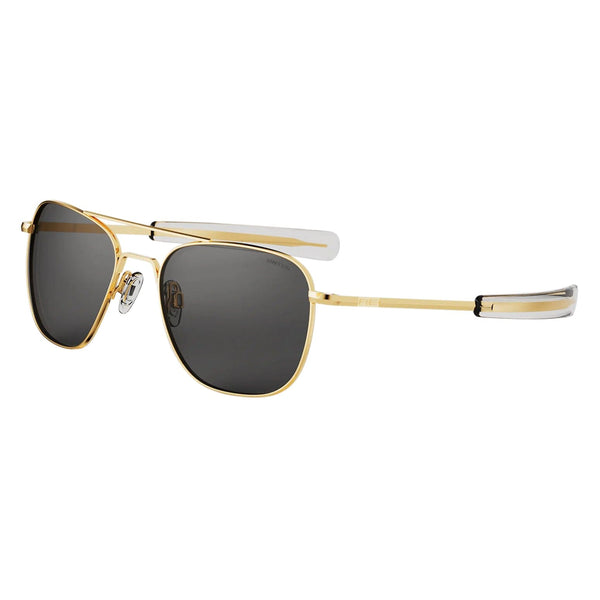
Randolph Aviator 23K Gold E.P.
- Lens Non-polarized American Gray Skytec glass, 100% UVA/UVB
- Frame 23K gold electroplate, military-spec build
- Temples Bayonet, designed to sit under a headset
- True-neutral American Gray tint keeps panel, chart, and terrain colors accurate
- Skytec mineral glass resists scratching flight after flight
- Military Special Edition built to the same spec Randolph supplies to the armed forces
- Bayonet temples slide under a headset without pressure points
I keep a pair of these in my own flight bag, and after a four-hour leg into a setting sun the gray glass is the difference between landing fresh and landing with a headache.
- The best optics in this roundup, full UV coverage on the brightest days, and a finish that holds up to daily professional use.
- Glass lenses weigh more than nylon, and this is a premium pick; if you routinely toss your shades in a side pocket unprotected, start with a cheaper pair and a care kit.
Perfect for the professional aviator who wants the flagship: military-spec build, true-gray optics, and crystal-clear views on the brightest days.
Click for Price →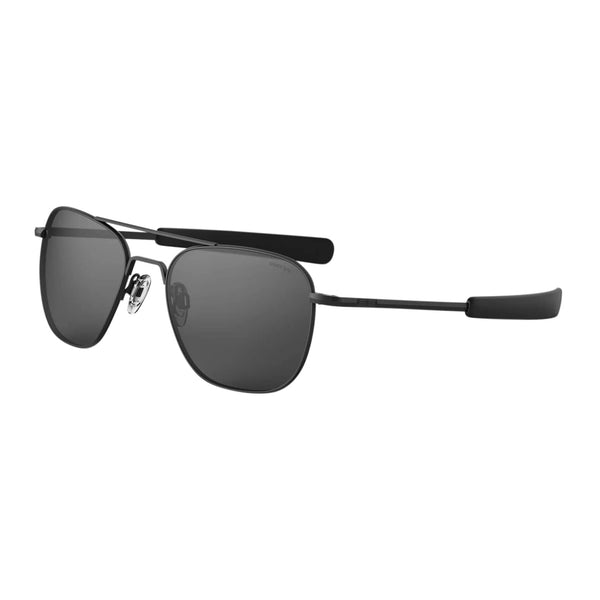
Randolph Aviator Matte Black
- Lens Non-polarized Matte Onyx Skytec glass, American Gray tint, 100% UVA/UVB
- Frame Matte black, military-spec build
- Temples Bayonet, light under a headset
- Non-polarized for consistent LCD and PFD readability at any head angle
- No-glare matte frame cuts reflections inside the cockpit
- Skytec glass delivers the same optical clarity as the flagship
- Low-profile look that disappears under a headset and a cap
- Zero polarization headaches behind a G1000, Avidyne, or any glass panel, plus a frame that does not bounce sun into your eyes off the brow bar.
- If you spend most of your time behind steam gauges, the anti-reflective matte frame buys you less; this pick earns its keep behind glass.
Perfect for glass-panel pilots who want every pixel of the PFD readable, every leg, with no polarization surprises.
Click for Price →
Randolph Aviator Matte Chrome
- Lens Non-polarized American Gray Skytec glass, 100% UVA/UVB
- Frame Matte chrome, classic military aviator silhouette
- Sizes 52, 55, and 58 mm with bayonet temples
- True color perception in bright sun, so traffic, terrain, and chart colors all read accurately
- Subtle matte finish tones down the chrome without losing the timeless look
- Three lens sizes let you dial in a headset-friendly fit
- Same military-spec durability as the rest of the Randolph line
- The most versatile styling of the Randolph picks, and the only one offered in three sizes.
- Measure before you order; a 58 mm lens on a narrow face looks and fits like a windshield. If you are between sizes, size down for headset comfort.
Perfect for pilots who want accurate color rendition and the classic aviator look, in a size that actually fits.
Click for Price →
Randolph Aviator Gunmetal
- Lens Non-polarized Skyforce nylon, Atlantic Blue tint, 100% UVA/UVB
- Frame Gunmetal with nautical blue and cabin oak accents
- Temples Bayonet, headset-friendly
- Skyforce nylon lenses are impact resistant and dramatically lighter than glass
- Atlantic Blue tint stays easy on the eyes during long legs
- Nautical blue and cabin oak accents look sharp on or off the flight line
- Bayonet temples keep the fit secure through turbulence
- The pair you stop noticing after hour three, which is exactly what you want on a six-hour cross-country day.
- Glass purists will notice slightly softer optics next to Skytec glass; that is the trade for lenses this light.
Perfect for cross-country pilots who measure flights in hours, not laps around the pattern, and want to forget their sunglasses are on.
Click for Price →
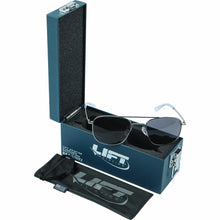
Lift Aviation Titanium AVX
- Lens Non-polarized, cockpit-ready
- Frame Durable titanium, available in silver and gold
- You do not have to spend a fortune to fly with solid eye protection
- Titanium frame shrugs off flight-bag abuse
- Non-polarized lenses keep trainer avionics and tablets readable
- A favorite first pair for student pilots
- The easiest recommendation on this list for anyone early in training; it covers the cockpit essentials at a friendlier price.
- If you fly professionally every day, step up to Skytec-class glass optics; for a student logging weekend hours, this is all the sunglasses you need.
Perfect for student and budget-conscious pilots who want cockpit-correct lenses without the premium spend.
Click for Price →
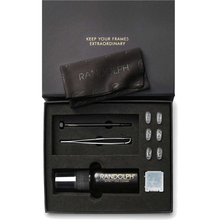
Randolph Aviator Care Kit
- Includes Premium microfiber cleaning cloth, lens cleaner, and storage pouch
- Fits Any pair in this guide
- Keeps lenses scratch-free and perfectly clear for every flight
- Pouch protects your shades in a crowded flight bag
- An easy add-on with any pair above
Perfect for protecting the pair you just invested in; cheap insurance against scratched glass.
Click for Price →Frequently Asked Questions
- What are the best aviator sunglasses for pilots?
- The Randolph Aviator range stands out for durability, optical clarity, and full UV protection, all built to military standards, which is why it anchors most of the picks in this guide. Match the lens to your mission: gray glass for bright days, a matte frame for glass cockpits, and lightweight nylon for long cross-countries. Budget-minded student pilots also have solid lower-cost titanium options that keep the cockpit essentials of non-polarized lenses and 100% UVA/UVB protection.
- Should pilots wear polarized or non-polarized sunglasses?
- Non-polarized lenses are the safer default for most cockpits, especially glass panels, because they keep LCD and PFD displays readable at any head angle. Polarized filters can wash out digital screens and mask the glare cues you use to spot traffic and ice. Lens technology has improved, and some modern polarized setups do work in the cockpit, but if you fly behind a glass panel, non-polarized remains the standard recommendation.
- Are aviator sunglasses still in style?
- Yes. Aviators remain timeless and popular, especially among pilots who want both function and a classic look. The teardrop lens shape was designed for flying in the first place: wide coverage that follows your sight lines around the panel and out the windscreen. Pair that heritage with straight bayonet temples that slide under a headset and you get a style that has never really left the flight deck.
- Can I get pilot sunglasses with a prescription?
- Yes. Many pilots wear non-polarized aviators over contact lenses, or have a frame fitted with prescription lenses through an optician. Randolph frames in particular are widely supported for prescription fitting. Whichever route you take, hold the line on the cockpit essentials: non-polarized lenses, 100% UVA/UVB protection, and a headset-friendly bayonet temple. If you fly long legs, ask your optician about a slight gradient so the panel stays bright while the sky stays tame.
- Which lens material is ideal for cockpit use?
- Mineral glass offers the best optical clarity and scratch resistance, which is why Randolph's Skytec glass lenses anchor our top picks. Nylon and polycarbonate lenses trade a little clarity for much lower weight and higher impact resistance, a worthwhile swap on long cross-countries or in bumpy light aircraft. Whatever the material, insist on non-polarized, 100% UV-protective lenses; the material affects comfort and durability, but the coating and polarization decide whether you can read your panel.
- Are photochromic lenses suitable for pilots?
- They can be, but with a catch: photochromic lenses darken in response to UV light, and cockpit windows block much of that UV, so the lenses may never reach full tint at altitude. That leaves you squinting behind glass that thinks it is indoors. Gradient or partially tinted lenses are usually more consistent under rapidly changing conditions, giving you a dark zone for the sky and a lighter zone for the panel without waiting on a chemical reaction.
- Do tinted lenses affect color perception?
- Yes. Gray tints keep colors neutral, which matters when you are reading sectional charts, annunciator lights, and terrain. Brown tints shift colors slightly but enhance contrast, which many pilots prefer in haze or flat overcast light. Either works in flight as long as the lens is not so dark that it distorts colors or hides detail in shadowed parts of the panel; if you mostly fly bright days, start with neutral gray.

Did you find this article helpful?
Your feedback helps us improve. Let us know in the comments if there is anything else you would like to see covered.
About the author: Neil S. Glazer is a commercial pilot with multi-engine and instrument ratings and the founder of PilotMall.com. He has spent decades flying, testing, and selling the gear pilots depend on, and he personally reviews the recommendations published on this site.