



6 Books That Will Make You a Better Pilot


We’ve all heard the proverbs "Honesty is the best policy", “An apple a day keeps the doctor away”, and “Don’t judge a book by its cover”.
There are literally thousands of different sayings that you could live your life by. As a member of the aviation community, we think the most important proverb you should know and use is “A Good Pilot Is Always Learning”.
There are lots of ways to gain knowledge as an aviator. Stick time, sim time, classroom time, and learning from seasoned pilots are at the top of our list. Right beside them is hitting the books, because a few evenings of reading is the cheapest dual instruction you will ever buy.
These are the six pilot books we recommend most often across the counter at PilotMall.com, what each one will actually do for your flying, and where to buy every title on the list.
Key Takeaways
- Everything Explained for the Professional Pilot is our top overall pick: one volume that earns its keep from first solo through an airline interview.
- Match the book to your next mission. Technique titles like the taildragger and mountain flying texts pay off before an endorsement; law and maintenance references pay off as you move toward ownership or a career.
- Edition matters for regulatory subjects, so buy law and reference titles current. Technique and judgment books age slowly and stay valid for decades.
- Story-based safety reading is training, not entertainment. Banking other pilots' mistakes builds the judgment that checkrides cannot teach.
- Every book in this guide is stocked at PilotMall.com, and each review below links straight to its product page.
How to Choose a Pilot Book Worth Your Time
Aviation publishing is crowded, and reading time is scarce. Before you spend either money or evenings, run any title through three quick filters.
Match the book to your next rating or mission
The best aviation book is the one that changes your very next flight. If a tailwheel endorsement is on your list, a taildragger text beats a general interest read. If you are about to buy an airplane, maintenance and law references jump to the front of the line. Buy for the flying you are about to do, not the flying you might do someday.
Check the edition before you buy
Anything built on regulations, procedures, or legal precedent needs to be the current edition, because the rules change every year. Technique books are the opposite: wind still behaves the way it did in 1990, and a proven older text on stick and rudder skills loses nothing with age. Know which kind of book you are holding before you worry about the copyright date.
Balance your three shelves: skill, knowledge, and judgment
A well-rounded pilot library covers three jobs. Skill books sharpen what your hands and feet do. Knowledge books deepen what you understand about the machine, the rules, and the system you fly in. Judgment books, usually built on real pilots' stories, train the decision-making that keeps the first two out of the accident report. The six picks below deliberately cover all three.
Decide between cover-to-cover reads and references
Some titles are meant to be read once and absorbed; others are meant to live in your flight bag and be opened five hundred times. References cost more up front but get used for a whole career, which makes them the better value for most pilots. This list includes both, and each review tells you which one you are getting.
The 6 Best Pilot Books at a Glance
| Book | Author | Category | Best For |
|---|---|---|---|
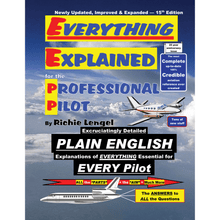
| Everything Explained for the Professional Pilot | Richie Lengel | General reference | Every pilot, student through ATP |
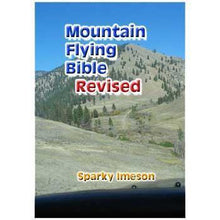
| Mountain Flying Bible | Sparky Imeson | Technique and weather | Mastering performance, wind, and density altitude |
| I Learned About Flying From That | Flying magazine contributors | Safety and judgment | Building decision-making from real incidents |
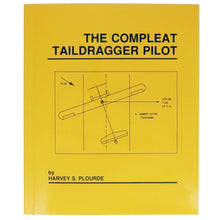
| The Compleat Taildragger Pilot | Harvey Plourde | Technique | Tailwheel transitions and rudder discipline |
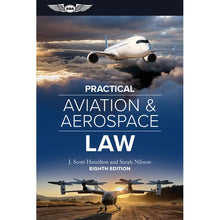
| Practical Aviation and Aerospace Law | J. Scott Hamilton and Sarah Nilsson | Aviation law | Owners, CFIs, and career-track pilots |
| ASA Aviation Mechanic Handbook | Dale Crane | Maintenance reference | Owners and hands-on preventive maintenance |
Reviews: 6 Books That Will Make You a Better Pilot

1. Everything Explained for the Professional Pilot, 15th Edition
The entire FAA knowledge base, translated into plain English and packed into one volume.
- Author Richie Lengel
- Publisher Aviation Press
- Category General reference
- Edition 15th
Richie Lengel's Everything Explained for the Professional has been one of our top-selling books for over a decade. Don’t let the name fool you. This book is perfect for pilots of all experience levels.
This aviation title provides a lot of knowledge helpful to the aviator in training, but also features a wealth of aeronautical knowledge that even professional pilots will benefit from. This is the ultimate pilot's handbook.
- Regulations, weather, aerodynamics, systems, and procedures answered in fast, plain-language entries
- The de facto study standard for airline and corporate interview prep
- Doubles as a recurrent ground school for rusty pilots returning to the left seat
- one purchase covers nearly every knowledge area
- brutally efficient format
- current 15th edition
- information density is high, so it rewards browsing in short sessions rather than cover-to-cover reading
Perfect for: any pilot who wants one book that answers the question before the examiner, the interviewer, or the weather asks it.
Click for Price →
2. Mountain Flying Bible, Revised Edition
Performance, wind, and weather wisdom that applies far beyond the Rockies.
- Author Sparky Imeson
- Category Technique and weather theory
- Edition Revised
Even if you don’t plan to ever pilot an aircraft in the mountains, you’ll find the knowledge Sparky Imeson imparts in this book priceless. The aircraft performance, weather knowledge, weather theory, rules of thumb, and formulas will help make you a well-rounded pilot.
- Density altitude, ridge crossings, canyon turns, and escape routes from the acknowledged master of the subject
- Rules of thumb and quick formulas you can apply on flatland high-and-hot days, not just in the high country
- Wind and terrain behavior explained at a level most weather texts never reach
- the definitive mountain flying text
- the performance chapters alone justify the purchase
- this is a technique classic rather than a glossy modern layout, so expect substance over styling
Perfect for: pilots heading west, and flatland pilots who want to truly understand wind, terrain, and aircraft performance.
Click for Price →
3. I Learned About Flying From That
Decades of close calls from Flying magazine, distilled into transferable judgment.
- Authors Flying magazine contributors
- Category Safety stories and aeronautical decision-making
Experience is often the best teacher, but in aviation, learning from the mistakes and triumphs of others is safer. This collection offers thrilling first-hand accounts from pilots who faced unexpected challenges and lived to tell the tale. It serves as an invaluable safety tool, providing real-world lessons on decision-making, situational awareness, and emergency management that you won't always find in a textbook.
- First-person accounts from the longest-running pilot-confession column in aviation
- Each story is a compact lesson in recognizing an accident chain before it closes
- Short chapters make it ideal nightstand or layover reading
- genuinely gripping
- builds judgment in a way no regulation summary can
- it complements formal safety study rather than replacing it
Perfect for: every certificate level; the cheapest accident insurance on this list.
Click for Price →
4. The Compleat Taildragger Pilot
The standard text for tailwheel transitions and the rudder discipline that follows you to every airplane.
- Author Harvey Plourde
- Category Technique
- Focus conventional gear operations
In learning how to fly a conventional gear aircraft you’ll gain a skillset not found in any other type of flying. That's because a taildragger must be flown to a much higher standard than a tricycle gear aircraft.
You’ll learn energy management, rudder control, crosswind control and so much more. Simply put, flying a taildragger will make you a better pilot. This book by Harvey Plourde will educate you on many of those skills.
- Ground handling physics explained properly: why taildraggers swap ends and how to stop it
- Wheel landings versus three-point landings, with the decision logic for each
- Crosswind technique that sharpens your landings in any gear configuration
- the reference instructors recommend before a tailwheel endorsement
- the theory transfers to every airplane you fly
- pair it with a tailwheel instructor
- this is ground school for the endorsement, not a substitute for dual
Perfect for: pilots chasing a tailwheel endorsement, and anyone whose feet have gotten lazy.
Click for Price →
5. ASA Practical Aviation and Aerospace Law, Eighth Edition
Know the rules that protect your certificate, your airplane, and your wallet.
- Authors J. Scott Hamilton and Sarah Nilsson
- Publisher ASA
- Category Aviation law
- Edition 8th
Navigating the legal side of aviation is just as important as navigating the skies. This eighth edition provides a comprehensive yet accessible overview of aviation law, covering everything from liability and insurance to international regulations. Whether you are a student, an instructor, or an aviation professional, understanding these legal principles is essential for protecting your career and ensuring compliance in today's complex aerospace environment.
- FAA enforcement actions, certificate defense, and your rights as an airman
- Liability, insurance, and ownership structures explained for non-lawyers
- The standard text in university aviation law courses, current to the latest edition
- turns the scariest part of aviation into something you can plan around
- essential pre-purchase reading for owners
- it is textbook-deep by design, so treat it as a reference and read by topic
Perfect for: aircraft owners, CFIs, and career-track pilots who want to stay on the right side of the FAA and the courtroom.
Click for Price →
6. ASA Aviation Mechanic Handbook, 8th Edition
A toolbox-sized data shop for owners, renters who preflight like owners, and working mechanics.
- Author Dale Crane
- Publisher ASA
- Category Maintenance reference
- Edition 8th
The 8th edition of the ASA Aviation Mechanic Handbook is a vital part of any mechanic's arsenal of knowledge. This book is filled with data from a wide array of sources and is a one-stop data shop for mechanics and DIY pilots. No more searching through endless references looking for that one golden nugget of information! Dale Crane has compiled it all in one book that is as user-friendly as it is informative.
- Torque values, hardware identification, wiring data, and conversion tables in one small volume
- Ideal companion for the preventive maintenance items owners can legally perform
- Compact format that lives in a flight bag or toolbox, not on a shelf
- answers hangar questions in seconds
- makes you a sharper preflighter and a better customer at your shop
- it is a data reference, not a how-to manual
- procedures still come from your aircraft's documentation
Perfect for: aircraft owners and any pilot who wants to understand the machine well enough to catch a problem before it flies.
Click for Price →Frequently Asked Questions
- What is the single best book to make me a better pilot?
- For most pilots, Everything Explained for the Professional Pilot is the best single purchase. It condenses regulations, weather, systems, and procedures into plain English answers you can actually find in flight planning or interview prep. Student pilots use it to connect the dots between textbooks, while working pilots keep it as a recurrent ground school in one volume. It has been one of our best sellers for over a decade.
- Are these books worth it for student pilots, or only experienced pilots?
- All six books work for student pilots, and several are most valuable early in training. Start with the general reference and pilot-story titles, which build judgment and big-picture understanding while your instructor handles the syllabus. Save the taildragger and mountain flying titles for when you pursue those endorsements, and the law and maintenance references as your responsibilities grow into aircraft ownership or a flying career.
- Do aviation books go out of date?
- Yes, some categories age quickly and edition numbers matter. Anything built on regulations, like FAR references and aviation law, should be the current edition because rules change every year. Technique books age far more slowly; stick and rudder skills, mountain wind behavior, and energy management have not changed in decades. Before you buy any aviation book, check the edition date, then decide whether the subject is regulatory, where currency is critical, or skill-based, where a proven older text is still gold.
- Should I read a mountain flying book if I only fly flatland?
- Yes, and this surprises a lot of pilots. The Mountain Flying Bible is really a book about aircraft performance, density altitude, wind, and weather theory that happens to use mountains as the classroom. Flatland pilots still face high density altitude days, short strips, downdrafts near ridgelines and shorelines, and weight-and-balance decisions where the same rules of thumb apply. If you ever plan a trip west, you will already have the foundation.
- Why should a pilot who is not a mechanic read a maintenance handbook?
- Because you are the one who signs for the airplane. A working knowledge of maintenance helps you catch problems on preflight, describe squawks accurately to your shop, understand what your mechanic is telling you, and know which preventive maintenance items you can legally perform as an owner. The ASA Aviation Mechanic Handbook packs torque values, hardware specs, and system data into a small reference, so it answers hangar questions in seconds rather than sending you down forum rabbit holes.
- Are pilot accident and story books actually useful, or just entertainment?
- They are genuinely useful safety tools. Accident and close-call narratives let you bank the lessons of someone else's worst flight without the risk, and research on judgment training shows scenario exposure improves real decision-making. Reading I Learned About Flying From That builds a mental library of failure chains: the deteriorating weather pushed one notch too far, the fuel stop skipped, the takeoff attempted with a known squawk. When you start to recognize one of those chains forming in your own cockpit, you break it earlier.
- How should I study these books to actually retain them?
- Read them like a pilot, not a student cramming for a test. Keep one book in your flight bag and tie each chapter to an upcoming flight: review the crosswind chapter before a gusty day, the density altitude rules before a summer trip. Mark pages, write gouge in the margins, and brief one takeaway out loud before you fly. Fifteen minutes of targeted reading per week beats a single weekend binge, because spaced repetition is what moves knowledge into the cockpit.
About the author
Neil S. Glazer is a commercial pilot with multi-engine and instrument ratings and the founder of PilotMall.com. He has spent more than two decades helping pilots find the gear, books, and training materials that make them safer and more capable aviators.