




-
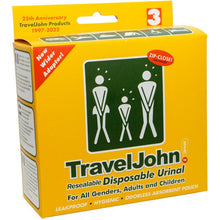 Vendor:TravelJohn
TravelJohn Resealable Disposable Urinal Bags with Liqsorb Gel (TJ1N-C) 3 Pack
Spill-proof gel urinal bags for long flights, a discreet 3-pack with 28-ounce capacity, resealable design and volume indicator for the cockpit bathroom alternative.
Regular price $8.99Sale price $8.99 Regular priceUnit price per$13.99 -
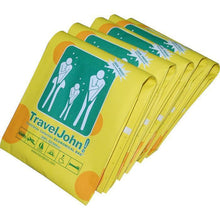 Vendor:TravelJohn
TravelJohn Vomit/Urinal Disposable Leakproof Biodegradable Relief Bags for Aviation 5 Pack
Leakproof combo relief bags for motion sickness or long flights, a 100% leakproof 5-pack that stays odorless and biodegradable for mess-free relief in the cabin.
Regular price $6.99Sale price $6.99 Regular priceUnit price per$10.99 -

Fresh from The Hangar
The latest from top aviation brands. -
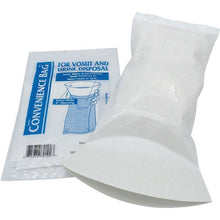 Vendor:GKR Industries
GKR Industries Convenience Bag - Sanitary In-Flight Relief with Wide Opening
Wide-opening sanitary relief bag for quick in-flight use, with an extra-wide 6 inch opening that makes it one of the most practical relief options in the cockpit.
Regular price $1.99Sale price $1.99 Regular priceUnit price per$3.95 -
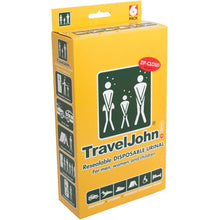 Vendor:TravelJohn
TravelJohn Resealable Disposable Urinal with Liqsorb Gel Technology (TJ1N-C) - 6 Pack
Spill-proof gel urinal bags for long flights, value 6-pack that also includes sanitary wipes for complete in-flight relief on cross-countries or long ferry legs.
Regular price $16.99Sale price $16.99 Regular priceUnit price per$19.99 -
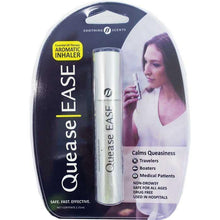 Vendor:Soothing Scents, Inc.
Soothing Scents QueaseEASE: Non-Drowsy Motion Sickness Relief
Non-drowsy aromatherapy inhaler that settles queasiness fast, a discreet cockpit-ready solution professional pilots and crew reach for on turbulent or long legs.
Regular price $14.99Sale price $14.99 Regular priceUnit price per$19.95 -
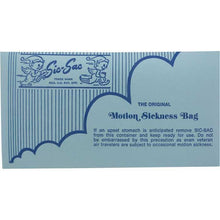 Out of StockVendor:Sic-Sac
Sic-Sac Secure Seal Aviation Motion Sickness Bag
Secure-seal motion sickness bag that closes clean and leakproof, available individually or in bulk packs of 10, 25, or 100 to stock flight bags and aircraft kits.
Regular price From $1.99Sale price From $1.99 Regular priceUnit price per$1.99
Frequently Asked Questions
Can pilots take Dramamine or motion sickness medication?
Not while acting as pilot in command. The FAA prohibits the PIC from using drowsy motion sickness drugs such as Dramamine, meclizine, scopolamine, and promethazine. Non-drug options like ginger and aromatherapy are acceptable. If you are flying with an instructor who is PIC, ask your CFI and AME first.
What is QueaseEASE and how does it work?
QueaseEASE is a non-drowsy aromatherapy inhaler from Soothing Scents that blends essential oils to settle a queasy stomach. It contains no medication and has no side effects, so it does not affect your ability to act as pilot in command. Breathe it in normally at the first sign of nausea.
Does airsickness go away as a student pilot gains experience?
For most student pilots, yes. Symptoms typically decrease within about three to five flights as your body adapts to the motion of the aircraft. Gradually increasing flight time, flying in smoother conditions, and using the in-flight techniques below help your tolerance build faster.
What can I do in flight to stop feeling airsick?
Open a fresh-air vent, fix your gaze on the horizon, and slow your breathing with deep, even breaths. Stay hydrated and eat a light, non-greasy meal about an hour before flying. A non-drowsy QueaseEASE inhaler can help settle your stomach without affecting your fitness to fly.
Why should I carry airsickness bags in the cockpit?
Sick bags are not required equipment, but a secure-seal bag from Sic-Sac, GKR, or TravelJohn keeps a small cabin clean and contains spills you cannot step away from in flight. They fold flat for a seat pocket or flight bag, and TravelJohn's Liqsorb bags double as unisex urinal bags on long cross-country flights.
No questions match your search. Try another term or ask our team.
