




Getting Your Drone License: An Easy Step-by-Step Guide
Did you know that if you intend to use your drone for commercial-related work you need a remote pilot certificate? Did you know that even recreational flyers need to pass a safety test? Many don't! You're required to pass a part 107 test in order to become an FAA-certified drone pilot.
But how exactly is this accomplished? We'll share with you all the steps you need whether you're interested in drones recreationally or want to get your drone license to build a lucrative career as a remote pilot!


Did you know that if you plan to use your drone for commercial work, you need a Remote Pilot Certificate? Even recreational flyers must pass a safety test. Many people don’t realize that to become an FAA-certified drone pilot for commercial operations, you’re required to pass the Part 107 knowledge test.
In this guide, we’ll walk you through the steps—whether you fly for fun or want to earn your drone license and build a career as a remote pilot.
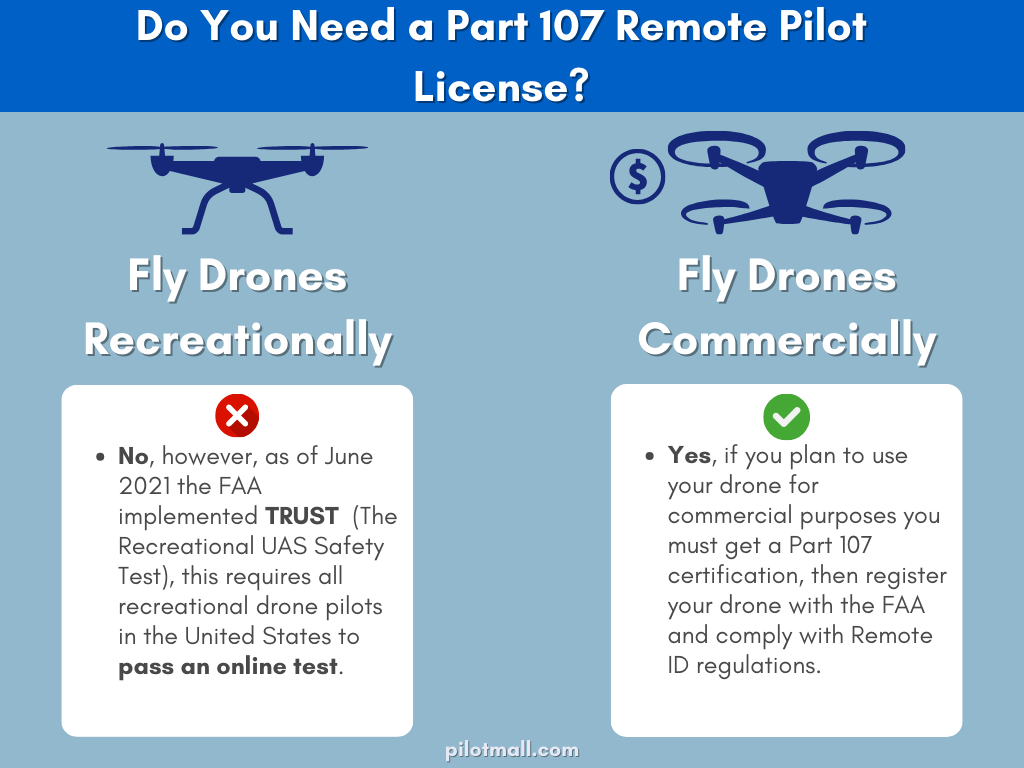
1. Do You Need a Remote Pilot License?
If you fly recreationally or commercially, the FAA requires you to complete the appropriate knowledge and safety training.
Since 2016, pilots operating unmanned aircraft systems (UAS) for commercial purposes have been required to earn a Part 107 Remote Pilot Certificate. Recreational pilots didn’t need Part 107, but that changed in June 2021 when the FAA introduced TRUST (The Recreational UAS Safety Test). TRUST is an online test designed to ensure drone users understand the FAA’s rules for recreational flight.
2. How to Get a Part 107 License
If you want to fly commercially, you’ll need a Remote Pilot Certificate issued by the Federal Aviation Administration (FAA). Start by confirming you meet the eligibility requirements.
Requirements
To qualify for a Remote Pilot Certificate, you must:
- Be at least 16 years old
- Be able to read, speak, write, and understand English
- Be in a physical and mental condition to safely operate a small UAS
- Pass the initial aeronautical knowledge test (Part 107)
If You Already Hold a Part 61 Certificate
If you already hold an FAA Part 61 certificate (for example, a Private Pilot Certificate or Commercial Pilot Certificate) and have completed a flight review within the previous 24 months, you may qualify for the online training route instead of the in-person knowledge test.
You’ll need to complete the FAA’s initial online training course and then submit FAA Form 8710-13 electronically through IACRA.
Bring your training completion certificate, your current flight review documentation, and a photo ID to an FAA-certified flight instructor (CFI) or an FAA-designated pilot examiner (DPE). A DPE can issue a temporary Remote Pilot Certificate; CFIs can help process your application.
After approval, your permanent certificate will arrive by mail. To stay current, you must complete recurrent online training every 24 calendar months.
Studying for the Knowledge Exam
Before you take the Part 107 knowledge exam, plan time to study. Commercial drone pilots are expected to understand core concepts like airspace, weather, loading/performance basics, and operating rules.
We recommend using structured study materials to help you prepare and build confidence before test day.
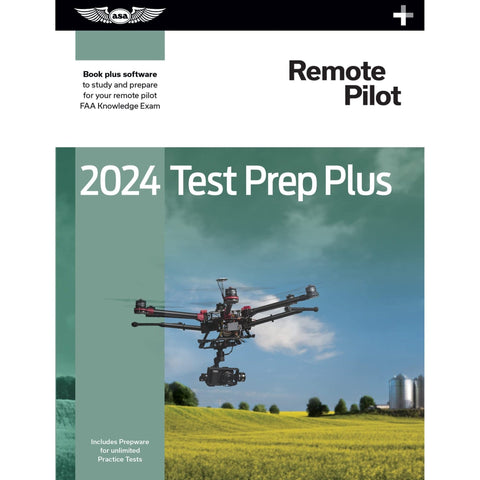
ASA 2024 Remote Pilot Test Prep Book
This test prep book is a strong choice if you want clear explanations and structured practice. It breaks down complicated topics into a more accessible learning experience so you can study efficiently and feel prepared for the exam.
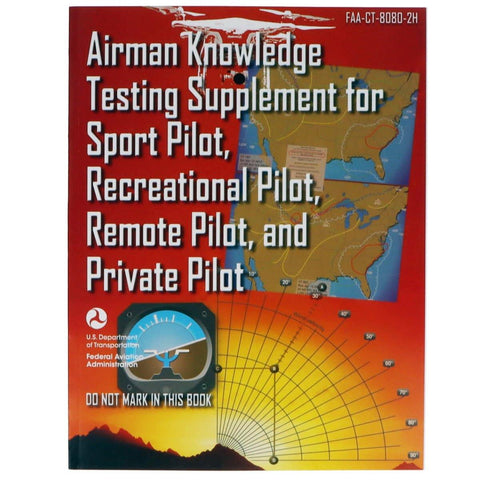
ASA Airman Knowledge Testing Supplement
This is the same style of supplement used at many testing centers. It contains the figures referenced during the computer-based exam, so you can get comfortable with them before test day.
Signing Up for IACRA
Before you can complete the certification process, create an account with the Integrated Airmen Certification and Rating Application (IACRA) and obtain an FAA Tracking Number (FTN).
Taking the Test
Schedule your Part 107 knowledge exam at an FAA-approved testing center. Bring a valid photo ID when you arrive for your appointment.
Filling the Form and Getting Your Certificate
Whether you’re a Part 61 pilot or new to aviation, you’ll need to complete FAA Form 8710-13 (via IACRA). Follow the IACRA prompts and be prepared to verify your identity and submit the required documentation.
Maintaining Currency
After you receive your Remote Pilot Certificate, you must keep it accessible during all UAS operations. You also need to maintain currency by completing recurrent training every 24 calendar months. Staying current helps you keep up with rule changes and strengthens safe operating habits.
Courses for maintaining currency:
- For Part 107 Certificate holders: Part 107 Small UAS Recurrent (ALC-677)
- For Part 107 pilots who are also current under Part 61: Part 107 Small UAS Recurrent (ALC-515)
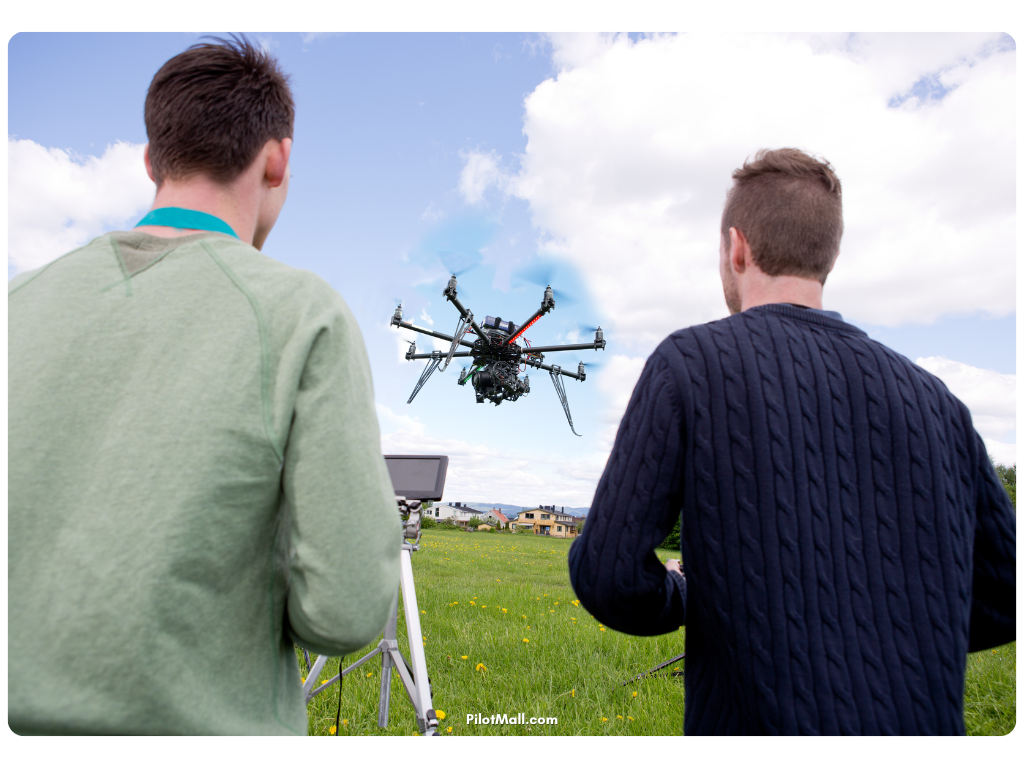
3. sUAS Drone Registration
Even after you earn your Remote Pilot Certificate, you must follow FAA registration rules. Drones weighing more than 0.55 lb (250 g) must be registered and display a registration number. FAA drone registration is typically valid for three years and must be renewed.
If your drone weighs 55 lb (25 kg) or more, different registration and operating requirements may apply.
Remote ID
As of September 16, 2023, most drones must comply with Remote ID, which helps the FAA and law enforcement identify drones operating in the airspace.
For a detailed walkthrough, read our guide on how to register a drone and legally fly in the US.
Restrictions
Make sure you fully understand the federal regulations for Part 107 and avoid violating any rules.
Here are a few key restrictions to remember:
- Restricted and no-fly areas: Some locations require authorization or prohibit drone operations entirely (for example: near airports, military bases, critical infrastructure, and certain protected areas).
- Privacy: Avoid recording people or private property without consent, and follow applicable privacy laws.
- Visual line of sight (VLOS): In most cases, you must keep the drone within visual line of sight.
- Altitude limits: Part 107 operations are limited to specific altitudes to reduce conflicts with manned aircraft and protect airspace safety.
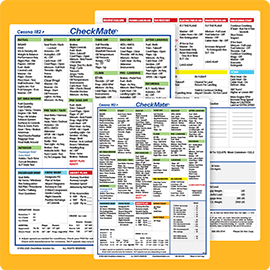
You’ll learn additional restrictions through training and the regulations themselves, but these are a solid starting point. Many pilots find it helpful to keep a printed checklist of key rules in their flight bag.
Drone Maintenance
As a professional drone pilot, it’s smart to track maintenance and keep organized records. Maintain a log for your registered drone and follow a consistent preflight inspection process before each operation.

Frequently Asked Questions
-
How long does it take to get a Part 107 drone license?
The timeline depends on how quickly you study, test availability, and application processing. Many pilots finish the process in about two weeks to two months.
-
What are the limitations of a commercial drone license?
Part 107 requires you to follow operating limitations such as maintaining visual line of sight, following airspace rules, and avoiding flights over non-participating people (unless you meet specific requirements). Some operations require waivers or additional compliance steps.
-
Can I fly a drone commercially without a Part 107 license?
No. In the United States, commercial drone operations generally require a Part 107 Remote Pilot Certificate. Operating commercially without the proper certification can lead to enforcement actions and fines.
-
How much does it cost to obtain a Remote Pilot Certificate?
Testing fees often run up to $160 (confirm with your testing provider). Drone registration is typically $5. You may also want to budget for study materials or training courses.
Takeaway
With drones becoming more common for recreation and business, it’s important to understand the steps required to earn a Remote Pilot Certificate and operate legally.
The FAA process can feel like a lot at first, but once you break it into steps—eligibility, studying, testing, registration, and staying current—it becomes manageable. And the payoff can be huge.
Certified drone pilots are in demand across industries like filmmaking, construction, real estate, environmental work, and more. With the right training and a commitment to safe operations, drones can open the door to new opportunities and a growing career field.
Interested in Aviation-based Careers?
Our guides are designed to help!
- 20 Airline Pilot Interview Questions & Answers (+ Preparation Tips)
- A Day in the Life: What is a Pilot’s Schedule Really Like?
- 7 Most Lucrative Pilot Careers
- How to Become a Certified Flight Instructor (CFI)
- How to Become a Flight Attendant with No Experience (Guide)
- Acquiring an FAA Dispatcher License - Learn What it Takes
- How to Become an Air Traffic Controller [Do You Qualify?]
Did you find this article helpful?
Do you think we missed anything important about getting your commercial drone pilot license? Let us know in the comments below!


