




Shop by Category
Whether you're prepping for a checkride or building a home cockpit, start here.


-
 NewVendor:Runway Selector
Aviation Runway Selector and Crosswind Component Tool
Regular price $19.95Sale price $19.95 Regular priceUnit price per -
 SaleVendor:ASA
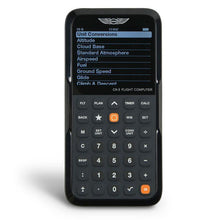
ASA CX-3 Flight Computer: Ultimate Electronic E6-B Calculator
Regular price $127.99Sale price $127.99 Regular priceUnit price per$149.95 -
 SaleVendor:Jeppesen Sanderson
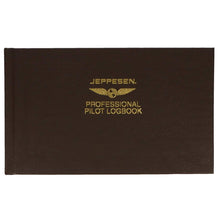
Jeppesen Professional Pilot Logbook Durable 10-Year Flight Record
Regular price $34.95Sale price $34.95 Regular priceUnit price per$39.96 -
 SaleVendor:The Claw
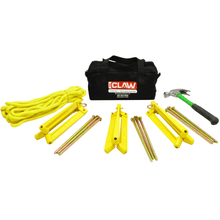
The Claw High-Strength Aircraft Tie Down Anchors
Regular price $134.99Sale price $134.99 Regular priceUnit price per$169.99 -
 Vendor:Wash Wax ALL
Wash Wax ALL Waterless No-Rinse Aircraft Cleaning Kit with Telescoping Fiberglass Pole
Regular price $219.00Sale price $219.00 Regular priceUnit price per$219.95 -
 SaleVendor:Aero Phoenix
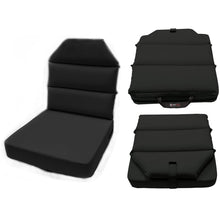
Fire-Resistant Pilot Seat Cushion Set for Enhanced Comfort & Visibility
Regular price From $89.99Sale price From $89.99 Regular priceUnit price per$109.99 -
 Vendor:Checkmate Aviation
Cessna 182 T Turbo G1000 Checkmate+ Standard Size Comprehensive Pilot Checklist (Modernized and Updated)
Regular price $35.00Sale price $35.00 Regular priceUnit price per -
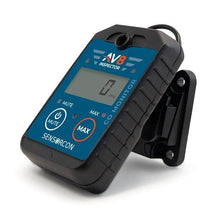 Vendor:Sensorcom
Sensorcon AV8 Inspector - Portable Carbon Monoxide Monitor for Aviation
Regular price $164.00Sale price $164.00 Regular priceUnit price per -
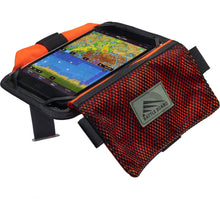 SaleVendor:Battleboard
Battleboard Kneeboard - Tech Edition (V2) - iPad and Tablets
Regular price From $79.99Sale price From $79.99 Regular priceUnit price per$89.95 -
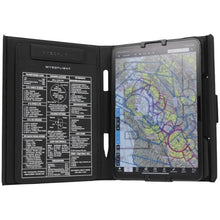 SaleVendor:MyGoFlight
MyGoFlight Skyfolio Rotating Kneeboard for Pilots (Fits tablets 9"-11")
Regular price $199.00Sale price $199.00 Regular priceUnit price per$219.00 -
 Vendor:Checkmate Aviation
Cessna 182 RG Checkmate+ Standard Size Comprehensive Pilot Checklist (Modernized and Updated)
Regular price $35.00Sale price $35.00 Regular priceUnit price per -
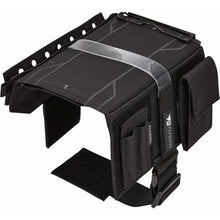 SaleVendor:Flyboys
Flyboys Reversible Pilot Kneeboard with Clipboard - Ambidextrous & Configurable
Regular price $44.99Sale price $44.99 Regular priceUnit price per$54.95 -
 Vendor:MyGoFlight
MyGoFlight Premium Leather iPad Mini Rotating Folio Kneeboard for Pilots
Regular price $174.00Sale price $174.00 Regular priceUnit price per -
 SaleVendor:MJ Modica Products Co
BLOCKALLS IFR View Limiting Device: The Evolution of Instrument Training
Regular price $22.49Sale price $22.49 Regular priceUnit price per$26.95 -
 Vendor:Checkmate Aviation
Cessna 182 T G1000 Checkmate+ Standard Size Comprehensive Pilot Checklist (Modernized and Updated)
Regular price $35.00Sale price $35.00 Regular priceUnit price per -
 Vendor:Sensorcom
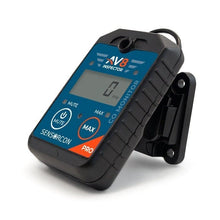
Sensorcon AV8 Inspector Pro - Portable Carbon Monoxide Monitor for Aviation
Regular price $194.00Sale price $194.00 Regular priceUnit price per -
 Vendor:CamGuard
CamGuard Aviation Oil Additive for Ultimate Engine Protection
Regular price $27.99Sale price $27.99 Regular priceUnit price per$27.95 -
 SaleVendor:MyGoFlight
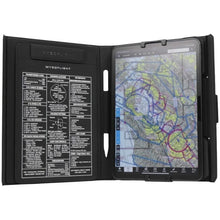
MyGoFlight Skyfolio Mini Rotating Kneeboard for Pilots (Fits 7"-9" Tablets)
Regular price $199.00Sale price $199.00 Regular priceUnit price per$219.00 -
 Vendor:Checkmate Aviation
Cessna 182 T Checkmate+ Standard Size Comprehensive Pilot Checklist (Modernized and Updated)
Regular price $35.00Sale price $35.00 Regular priceUnit price per -
 Vendor:Panther Vision
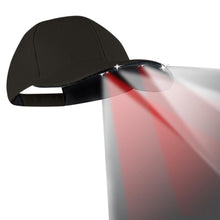
Powercap Navigator LED Hat for Night Flying Red and White LEDs
Regular price $24.99Sale price $24.99 Regular priceUnit price per -
 SaleVendor:Coast
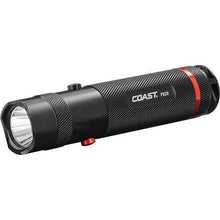
Coast PX20 Professional Dual-Color Aviation Pilot Flashlight
Regular price $24.99Sale price $24.99 Regular priceUnit price per$27.99 -
 Vendor:Flight Outfitters
Flight Outfitters iPad Flight Desk Adjustable Kneeboard with Storage
Regular price $99.95Sale price $99.95 Regular priceUnit price per -
 Vendor:Checkmate Aviation
Cessna 182 S Checkmate+ Standard Size Comprehensive Pilot Checklist (Modernized and Updated)
Regular price $35.00Sale price $35.00 Regular priceUnit price per -
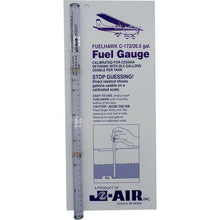 SaleVendor:FuelHawk
FuelHawk Precision Aircraft Fuel Gauges
Regular price From $12.95Sale price From $12.95 Regular priceUnit price per$14.95























Pilot supplies and aviation gear for every phase of flight
Pilot supplies are the tools that keep a pilot organized, legal, and safe from preflight through shutdown: flight computers and plotters for planning, kneeboards and logbooks for the cockpit, fuel testers and flashlights for the walkaround, and the bag that carries it all. Whether you are building a student pilot's first kit or restocking a professional flight bag, Pilot Mall gathers gear from the brands pilots actually fly with, including ASA, Jeppesen, Battleboard, Flyboys, Sensorcon, Coast, and more. The fastest way to shop is by where the gear works, so this guide is organized by phase of flight.
Compare popular pilot supplies at a glance
| Item | Category | Best for | Phase of flight |
|---|---|---|---|
| ASA CX-3 Flight Computer | Electronic E6-B | Fast, accurate checkride and cross-country math | Planning and training |
| Jeppesen Professional Pilot Logbook | Paper logbook | A durable record of time and endorsements | Flight records |
| Battleboard Kneeboard (Tech Edition) | Tablet kneeboard | Strapping an iPad EFB to your leg | In the cockpit |
| GATS Jar Fuel Tester | Fuel sampler | Sumping tanks and returning clean fuel | Preflight |
| Coast PX20 Dual-Color Flashlight | White and red LED light | Night preflight and cockpit use | Preflight and cockpit |
| Sensorcon AV8 Inspector | Carbon monoxide monitor | Detecting CO in piston cabins | In the cockpit |
Click any product for current pricing.
Pilot supplies by phase of flight
Flight planning and training
Planning gear lives on the table before you ever reach the ramp. A flight computer solves groundspeed, fuel burn, time, and wind, and you can go electronic with the ASA CX-3 Flight Computer or keep the battery-free classic with the ASA E6B paper flight computer. Add an ASA rotating plotter for measuring courses and distances on a sectional, and build out the rest of a student kit in pilot essentials.
In the cockpit
Once you are strapped in, the goal is to keep charts, checklists, and your tablet within reach and clear of the controls. A pilot kneeboard straps it all to your leg, and the Battleboard Kneeboard Tech Edition is built around an iPad EFB. Keep a printed aircraft checklist as a backup, and stock pens, timers, and a flashlight from navigation and cockpit supplies.
Flight records
A professional 10-year logbook like the Jeppesen Professional Pilot Logbook keeps a career of time and endorsements in one binding. For how paper and digital records fit together and which layout suits your stage, compare every option in pilot and aircraft logbooks.
Preflight and around the airplane
The walkaround needs its own tools. Sump every tank cleanly with the GATS Jar fuel tester, which filters water and debris and returns good fuel to the tank, and confirm quantity with FuelHawk fuel gauges. A dual-color light like the Coast PX20 keeps your night vision on the red beam. For aircraft care, the Claw tie-down anchors and the Wash Wax ALL waterless kit live in aircraft supplies.
Carrying it all
A good flight bag ties the kit together. Our flight bags for pilots run from compact headset bags to full crew luggage, with organized room for a backup radio, batteries, charts, and the supplies above so nothing rattles loose between the car and the cockpit.
Top pilot supply brands
- ASA makes the core training kit, from the CX-3 electronic flight computer and the E6B to rotating plotters, logbooks, and kneeboards.
- Jeppesen is the long-standing name in professional logbooks and navigation publications.
- Battleboard builds rugged tablet kneeboards designed around the iPad and other EFB tablets.
- Flyboys makes configurable, ambidextrous kneeboards and cockpit organizers for either seat.
- Sensorcon makes the AV8 Inspector portable carbon monoxide monitor tuned for the cockpit.
- Coast builds dual-color white and red flashlights that protect night vision during preflight.
How to choose your pilot supplies
- Start with the phase of flight. Buy planning tools first, then cockpit organization, then preflight and aircraft-care items, and let your training stage set the order.
- Match a student kit to the checkride. A core kit is a flight computer, plotter, kneeboard, paper logbook, printed checklist, flashlight, and fuel tester, all of which you can assemble from pilot essentials.
- Decide electronic or paper for the math. The CX-3 is faster and reduces errors, while the paper E6B never needs batteries and is allowed on every knowledge test.
- Pick a kneeboard around your device. Choose a clipboard for paper, a tablet kneeboard like the Battleboard Tech Edition for an EFB, and see the 10 best pilot kneeboards guide to compare layouts.
- Do not skip safety items. A fuel tester, a quality flashlight, and a carbon monoxide monitor are smart, low-effort insurance for every flight.
For a full walkthrough, see our student pilot buyer's checklist and our guide to the 12 items for every pilot's flight bag.
Why buy from Pilot Mall
- Aviation-only focus: we sell pilot gear and nothing else, so every item is chosen for real cockpit use.
- Trusted for more than 25 years by student, recreational, and professional pilots.
- Genuine products from the brands pilots fly with, backed by the manufacturer warranty where one applies.
- Free U.S. shipping on orders over $100.
- Expert guidance from a team that flies and knows how the gear works in the airplane.
Frequently Asked Questions
What supplies does a student pilot need?
A core student pilot kit includes a flight computer (an E6B or the electronic CX-3), a plotter, a kneeboard, a paper logbook, a printed aircraft checklist, a flashlight, and a fuel tester, plus a flight bag to carry it all. A headset and current charts round out the setup before solo flight.
What is the difference between a paper E6B and an electronic flight computer?
A paper E6B is a manual slide-rule that solves flight calculations with no battery, while an electronic flight computer like the ASA CX-3 runs the same math through a keypad and display for speed and fewer errors. Both are checkride legal, so the choice comes down to personal preference and how fast you want the math.
Do student pilots need a paper logbook or is an app enough?
Many student pilots keep both, since a paper book holds instructor endorsements cleanly while an app speeds up totals. For the full paper-versus-digital legal-record breakdown and how to pick a layout, see our pilot and aircraft logbooks guide.
What should be in a pilot's flight bag?
Pack it by phase of flight: your documents and planning tools, the cockpit gear you reach for in the air, and the walkaround items you use on the ramp, then size the bag to fit. For the full packing list and bag styles, see our flight bags for pilots.
Are carbon monoxide detectors required in general aviation aircraft?
Carbon monoxide detectors are not required by the FAA for U.S. piston general aviation aircraft, though the NTSB recommends them and some other countries mandate them. Because exhaust leaks into the cabin are a real risk, many pilots carry a portable monitor such as the Sensorcon AV8 Inspector.
What is a fuel tester and why do pilots need one?
A fuel tester is a clear sampler used during preflight to draw fuel from each sump and check it for water, debris, and the correct color and grade. A separator type like the GATS Jar filters out contaminants so you can safely return the good fuel to the tank instead of wasting it.
What pilot supplies does a student pilot need to get started?
Do I need a kneeboard if I already use an iPad with ForeFlight?
Is the E6B flight computer still required if I use an EFB?
What is the difference between the ASA and Jeppesen pilot logbooks?
Do I need a CO detector in my aircraft?
What items should I keep stocked in my aircraft at all times?
Gear Guides
Use our expert buyer's guides to find the perfect pilot gear with confidence.
-

12 Pilot Flight Bag Essentials You Should Always Be Carrying
As aviation continues to embrace technological advancements, the contents of a pilot's flight bag have evolved over time. No longer...6 min readFlight Bags -

Best Portable CO Detectors for Pilots (2026): Tested Picks, Panel Placement & Care
Carbon monoxide is a colorless, odorless, and lethal threat in any piston aircraft cabin. With the NTSB urging pilots to...4 min readAircraft -

The Best Student Pilot Essentials: A Comprehensive Guide
Are you or your child wanting to explore your passion for aviation? Get started on your flight training the right...8 min readProduct Information -

The Ultimate Student Pilot Supplies Checklist: Everything You Need to Buy for Flight Training
Starting flight training is exciting but overwhelming. This comprehensive buyer’s checklist walks student pilots through essential gear—headsets, kneeboards, flight bags,...11 min readFlight Bags -

Pilot Kneeboards: Best Picks & Buying Guide
Discover the top pilot kneeboards of 2026. From digital iPad folios to tactical mounts and classic VFR clipboards, find the...9 min readFlight Planning -

The Essential Student Pilot Checklist (2026): Your Ultimate Guide to Buying the Right Gear
Overwhelmed by what pilot gear to buy for flight school? Our 2026 checklist covers the essentials from headsets to logbooks,...7 min readProduct Information


