




Pilot Supplies & Aviation Gear
Pilot Mall is your pilot supply store for the gear a pilot reaches for from a first lesson to a professional restock, sourced from the brands aviators actually fly with. Most pilots sort the catalog by where a tool earns its keep: at the planning table, in the cockpit, and out on the ramp.
Here is how to narrow it down:
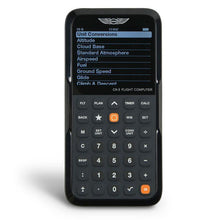
- Planning and training: run wind, fuel, and time on the electronic ASA CX-3 Flight Computer or the battery-free ASA E6B paper flight computer, then assemble a starter kit in pilot essentials.
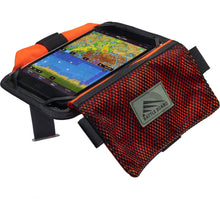
- Cockpit organization: strap charts and your tablet to your leg with a pilot kneeboard such as the Battleboard Tech Edition, and add pens, timers, and plotters from navigation and cockpit supplies.
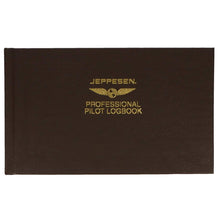
- Flight records: ink your hours and endorsements into the Jeppesen Professional Pilot Logbook, and compare layouts in pilot and aircraft logbooks.
- Walkaround and safety: draw clean fuel samples with the GATS Jar fuel tester, protect your night vision with the dual-color Coast PX20, and watch the cabin with a portable carbon monoxide monitor.
Carry the kit in a flight bag, keep the airplane ready with aircraft supplies, and see our 10 best pilot kneeboards guide. Free U.S. shipping over $100. Click any product for current pricing.
-
 Out of StockVendor:Jeppesen Sanderson
Jeppesen Professional Pilot Logbook Durable 10-Year Flight Record
Professional pilot logbook with a durable 10-year flight record, printed on 256 pages of green ledger paper that reduces eye strain during long logging sessions.
Regular price $34.95Sale price $34.95 Regular priceUnit price per -
 Vendor:ASA
ASA CX-3 Flight Computer: Ultimate Electronic E6-B Calculator
Electronic E6B that runs flight and fuel math, approved for the ACS and the only electronic E6B certified for both FAA and Canadian knowledge exams.
Regular price $127.99Sale price $127.99 Regular priceUnit price per$149.95 -
 Vendor:MJ Modica Products Co
BLOCKALLS IFR View Limiting Device: The Evolution of Instrument Training
View-limiting device that blocks outside cues for instrument training, now 30% lighter with a barely-there feel that eliminates fatigue and pressure points of older designs.
Regular price $22.49Sale price $22.49 Regular priceUnit price per$26.95 -
 Vendor:The Claw
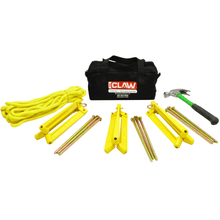
The Claw High-Strength Aircraft Tie Down Anchors
High-strength tie-down anchors that hold a parked aircraft in wind, each anchor rated for 1,200 lbs of holding power for reliable overnight and storm tie-downs.
Regular price $134.99Sale price $134.99 Regular priceUnit price per$169.99 -
 Vendor:Battleboard
Battleboard Kneeboard - Tech Edition (V2) - iPad and Tablets
Rugged tablet kneeboard that keeps a tablet rock-steady on your leg, with G-hooks laser-cut from recycled 81mm mortar ammo cans for military-grade durability.
Regular price From $79.99Sale price From $79.99 Regular priceUnit price per$89.95 -
 Vendor:Aero Phoenix
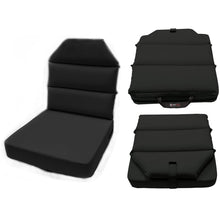
Fire-Resistant Pilot Seat Cushion Set for Enhanced Comfort & Visibility
Fire-resistant seat and back cushion set for comfort and sight lines, with a tufted 14.5x14.5 inch back cushion adding lumbar support on long cross-country legs.
Regular price From $129.99Sale price From $129.99 Regular priceUnit price per$149.99 -
 Vendor:Checkmate Aviation
Cessna 177 Checkmate+ Standard Size Comprehensive Pilot Checklist (Modernized and Updated)
Fold-out checklist built for a fixed-gear single with a standard panel, the ideal companion for a distinctive strutless design and unmatched forward visibility.
Regular price $35.00Sale price $35.00 Regular priceUnit price per -
 Out of StockVendor:MyGoFlight
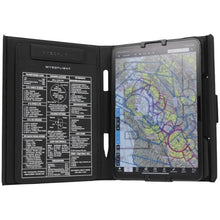
MyGoFlight Skyfolio Rotating Kneeboard for Pilots (Fits tablets 9"-11")
Rotating kneeboard for a 9 to 11-inch tablet, portrait or landscape, with 360-degree rotation and spring-loaded clips that grip iPads and similar EFBs securely.
Regular price $199.00Sale price $199.00 Regular priceUnit price per$219.00 -
 Out of StockVendor:Greatland Laser, LLC
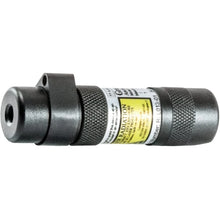
Greatland Laser Aviation Rescue Light with Superior Visibility
Handheld rescue laser that stays visible for miles, survival-ready at just 3 ounces with a 20-plus mile nighttime range for a pilot's emergency signaling kit.
Regular price $119.99Sale price $119.99 Regular priceUnit price per$142.99 -
 Vendor:Sensorcom
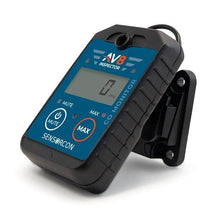
Sensorcon AV8 Inspector - Portable Carbon Monoxide Monitor for Aviation
Portable CO monitor that warns of carbon monoxide in the cockpit, giving pilots early detection to help prevent CO-related accidents and health risks in flight.
Regular price $164.00Sale price $164.00 Regular priceUnit price per -
 Vendor:Checkmate Aviation
Cessna 172 S-SP G1000 NAV III GFC700 Checkmate+ Standard Size Comprehensive Pilot Checklist (Modernized and Updated)
Fold-out checklist built for a fixed-gear single running a G1000 glass panel, tuned for the added GFC700 autopilot workflow so advanced trainer flights stay rock-solid.
Regular price $35.00Sale price $35.00 Regular priceUnit price per -
 Vendor:MyGoFlight
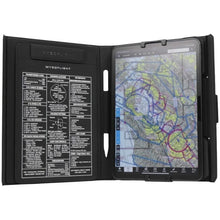
MyGoFlight Skyfolio Mini Rotating Kneeboard for Pilots (Fits 7"-9" Tablets)
Rotating kneeboard for a 7 to 9-inch tablet, portrait or landscape, a secure universal mount that clears cockpit clutter and glare for iPad Mini and similar EFBs.
Regular price $199.00Sale price $199.00 Regular priceUnit price per$219.00 -
 Vendor:Flyboys
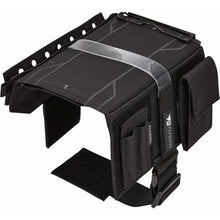
Flyboys Reversible Pilot Kneeboard with Clipboard - Ambidextrous & Configurable
Ambidextrous kneeboard with a clipboard, configurable for either leg, the only reversible design built so left and right seat pilots share one kneeboard setup.
Regular price $44.99Sale price $44.99 Regular priceUnit price per$54.95 -
 Out of StockVendor:Coast
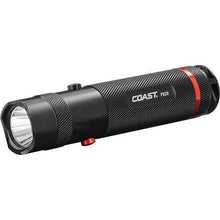
Coast PX20 Professional Dual-Color Aviation Pilot Flashlight
Dual-color white and red LED light for preflight and night ops, with a powerful 315-lumen white beam and a gentle red mode that preserves in-cockpit night vision.
Regular price $24.99Sale price $24.99 Regular priceUnit price per$27.99 -
 Vendor:Checkmate Aviation
Cessna 177 B Checkmate+ Standard Size Comprehensive Pilot Checklist (Modernized and Updated)
Fold-out checklist built for a fixed-gear single with a standard panel, printed on durable, tear-resistant paper with an anti-glare finish for daily flight-deck use.
Regular price $35.00Sale price $35.00 Regular priceUnit price per -
 NewVendor:Runway Selector
Aviation Runway Selector and Crosswind Component Tool
Slide tool that picks the best runway and reads crosswind component in seconds, a compact aid that cuts cockpit workload during preflight planning.
Regular price $19.95Sale price $19.95 Regular priceUnit price per -
 Vendor:Sensorcom
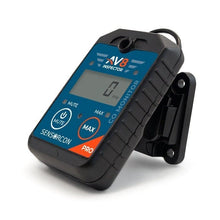
Sensorcon AV8 Inspector Pro - Portable Carbon Monoxide Monitor for Aviation
Pro portable CO monitor with data logging for cockpit air safety, tracking 24-hour cumulative CO exposure so pilots can catch slow leaks before they become dangerous.
Regular price $194.00Sale price $194.00 Regular priceUnit price per -
 Vendor:Panther Vision
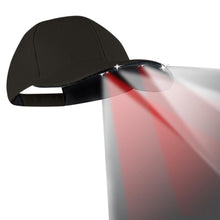
Powercap Navigator LED Hat for Night Flying Red and White LEDs
LED hat with red and white beams for hands-free night flying, using a 6-LED setup with independent switches so preflight walkarounds stay truly hands-free.
Regular price $24.99Sale price $24.99 Regular priceUnit price per -
 Vendor:Checkmate Aviation
Cessna 172 R Checkmate+ Standard Size Comprehensive Pilot Checklist (Modernized and Updated)
Fold-out checklist built for a fixed-gear single with a standard panel, sized at 6.5 x 9 inches to fit any flight bag or side pocket so it's always within reach.
Regular price $35.00Sale price $35.00 Regular priceUnit price per -
 Vendor:Aviation Laboratories
Aviation Laboratories Clear View Aircraft Plexiglass Scratch Remover and Polish
Plexiglass scratch remover and polish for clear windshields, a 13 oz can that restores canopy clarity and helps owners avoid costly windshield replacement.
Regular price $13.99Sale price $13.99 Regular priceUnit price per$19.95 -
 Vendor:Aviation Specialties
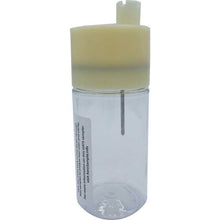
Aviation Specialties GATS Jar Eco-Friendly Aircraft Fuel Tester with Separator
Fuel tester jar that filters and returns your sample with no waste, a transparent 12-ounce container that keeps preflight checks eco-friendly and mess-free.
Regular price $19.99Sale price $19.99 Regular priceUnit price per$24.95 -
 Vendor:ASA
ASA iPad Mini Kneeboard: Secure, Durable Flight Accessory
Secure kneeboard sized to hold a mini tablet in the cockpit, built in premium synthetic leather for streamlined, secure device management on every flight.
Regular price $44.39Sale price $44.39 Regular priceUnit price per$54.95 -
 Vendor:Checkmate Aviation
Cessna 172 R G1000 Checkmate+ Standard Size Comprehensive Pilot Checklist (Modernized and Updated)
Fold-out checklist built for a fixed-gear single running a G1000 glass panel, streamlining your G1000 workflow so every flight stays precise and professional.
Regular price $35.00Sale price $35.00 Regular priceUnit price per -
 Out of StockVendor:CamGuard
CamGuard Aviation Oil Additive for Ultimate Engine Protection
Oil additive that fights corrosion and wear between flights, an FAA-accepted 11-component formula built to maximize engine life and cut long-term maintenance costs.
Regular price $27.99Sale price $27.99 Regular priceUnit price per$27.95























Frequently Asked Questions
What supplies does a student pilot need?
A core student pilot kit includes a flight computer (an E6B or the electronic CX-3), a plotter, a kneeboard, a paper logbook, a printed aircraft checklist, a flashlight, and a fuel tester, plus a flight bag to carry it all. A headset and current charts round out the setup before solo flight.
What is the difference between a paper E6B and an electronic flight computer?
A paper E6B is a manual slide-rule that solves flight calculations with no battery, while an electronic flight computer like the ASA CX-3 runs the same math through a keypad and display for speed and fewer errors. Both are checkride legal, so the choice comes down to personal preference and how fast you want the math.
Do student pilots need a paper logbook or is an app enough?
Many student pilots keep both, since a paper book holds instructor endorsements cleanly while an app speeds up totals. For the full paper-versus-digital legal-record breakdown and how to pick a layout, see our pilot and aircraft logbooks guide.
What should be in a pilot's flight bag?
Pack it by phase of flight: your documents and planning tools, the cockpit gear you reach for in the air, and the walkaround items you use on the ramp, then size the bag to fit. For the full packing list and bag styles, see our flight bags for pilots.
Are carbon monoxide detectors required in general aviation aircraft?
Carbon monoxide detectors are not required by the FAA for U.S. piston general aviation aircraft, though the NTSB recommends them and some other countries mandate them. Because exhaust leaks into the cabin are a real risk, many pilots carry a portable monitor such as the Sensorcon AV8 Inspector.
What is a fuel tester and why do pilots need one?
A fuel tester is a clear sampler used during preflight to draw fuel from each sump and check it for water, debris, and the correct color and grade. A separator type like the GATS Jar filters out contaminants so you can safely return the good fuel to the tank instead of wasting it.
No questions match your search. Try another term or ask our team.
Gear Guides
Use our expert buyer's guides to find the perfect pilot gear with confidence.
-

12 Pilot Flight Bag Essentials You Should Always Be Carrying
As aviation continues to embrace technological advancements, the contents of a pilot's flight bag have evolved over time. No longer...6 min readFlight Bags -

Best Portable CO Detectors for Pilots: Tested Picks, Panel Placement & Care
Carbon monoxide is a colorless, odorless, and lethal threat in any piston aircraft cabin. With the NTSB urging pilots to...5 min readAircraft -

The Best Student Pilot Essentials: A Comprehensive Guide
Are you or your child wanting to explore your passion for aviation? Get started on your flight training the right...8 min readProduct Information -

The Ultimate Student Pilot Supplies Checklist: Everything You Need to Buy for Flight Training
Starting flight training is exciting but overwhelming. This comprehensive buyer’s checklist walks student pilots through essential gear, headsets, kneeboards, flight...11 min readFlight Bags -

Pilot Kneeboards: Best Picks & Buying Guide
Discover the top pilot kneeboards of 2026. From digital iPad folios to tactical mounts and classic VFR clipboards, find the...10 min readFlight Planning -

The Essential Student Pilot Checklist: Your Ultimate Guide to Buying the Right Gear
Overwhelmed by what pilot gear to buy for flight school? Our 2026 checklist covers the essentials from headsets to logbooks,...8 min readProduct Information


